Vav1 Sustains the Expression of Insulin, PDX1 and miR-375 During Differentiation of hiPSCs to β Cells: A Potential Target to Improve the In Vitro Generation of Insulin-Producing Cells
Marina Pierantoni, Valentina Zamarian, Federica Brugnoli, Silvia Grassilli, Laura Monaco, Marcello Dell’Aira, Valeria Sordi, Valeria Bertagnolo

TL;DR
This study shows that a protein called Vav1 helps maintain key regulators of insulin production during the development of insulin-producing cells from stem cells, offering a potential target to improve diabetes therapies.
Contribution
The study identifies a novel Vav1/PDX1/miR-375/Akt regulatory axis critical for generating functional insulin-producing cells from hiPSCs.
Findings
Vav1 sustains PDX1 and miR-375 expression during hiPSC differentiation into β cells.
Reduced Vav1 correlates with increased Akt activation, a key factor in β cell function.
Vav1 modulation could improve in vitro generation of insulin-producing cells for diabetes therapy.
Abstract
Human-induced pluripotent stem cells (hiPSCs) have emerged as a promising source of transplantable insulinproducing cells (IPCs) to restore insulin levels in Type 1 Diabetes (T1D) patients. Despite progress, obtaining fully functional β cells from hiPSCs remains challenging, underscoring the need to better understand the intracellular mechanisms involved. We investigated here the potential role of Vav1, a multidomain protein that we identified as crucial for the maturation of human biliary stem cells (hBTSCs) into β-like cells and in the trans-differentiation of pancreatic adenocarcinoma (PDAC) cells into IPCs; Levels and subcellular localization of Vav1 were investigated throughout a seven-step differentiation process of hiPSCs to β cells. Vav1expression was forcedly modulated in pancreatic progenitors, and the potential effects were evaluated on insulin production and on PDX1,…
Genes, proteins, chemicals, diseases, species, mutations and cell lines named across the full text — each resolved to its canonical identifier and authoritative record.
Click any figure to enlarge with its caption.
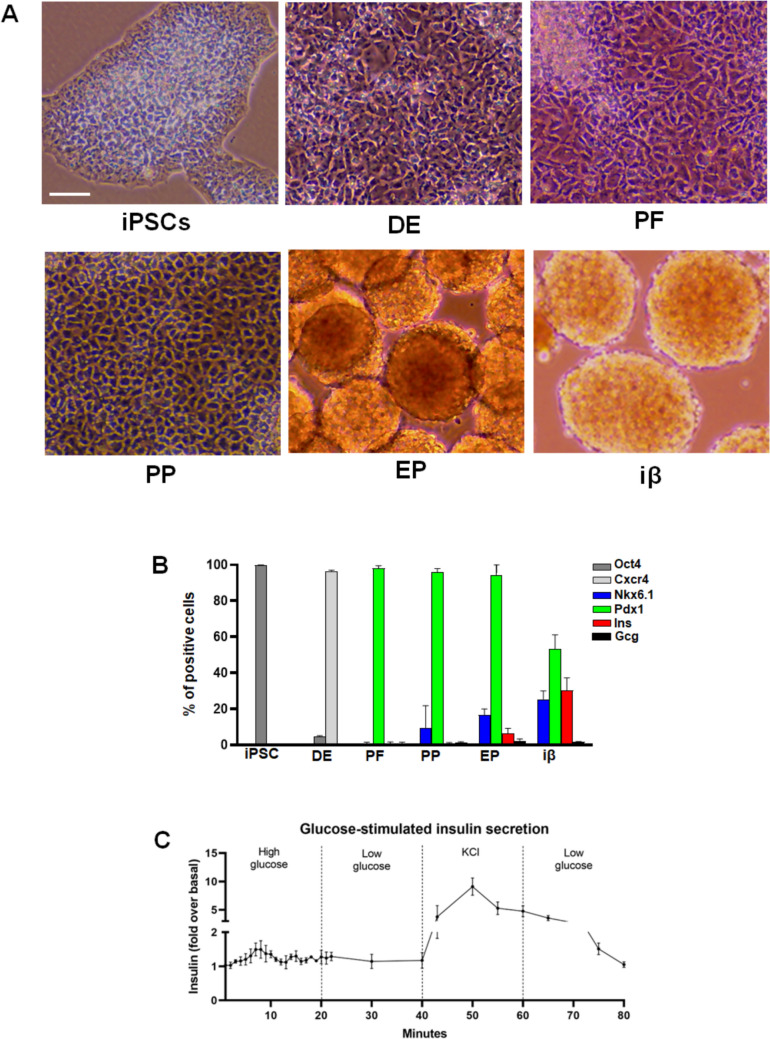 Figure 1
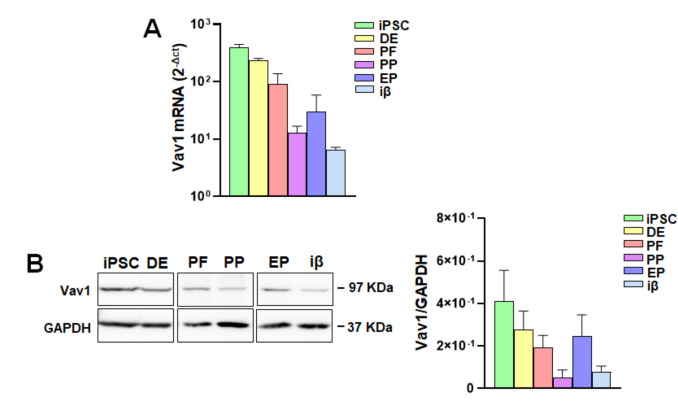 Figure 2
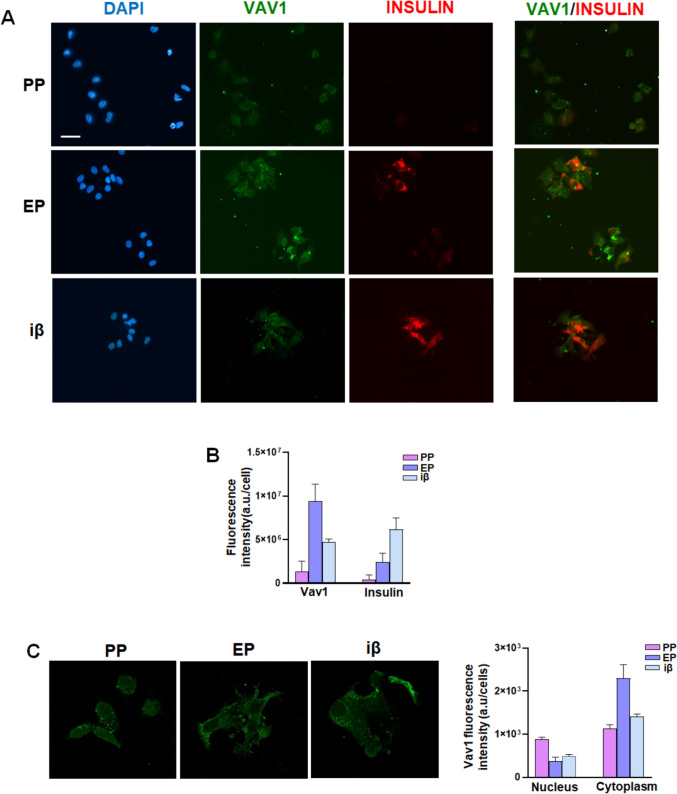 Figure 3
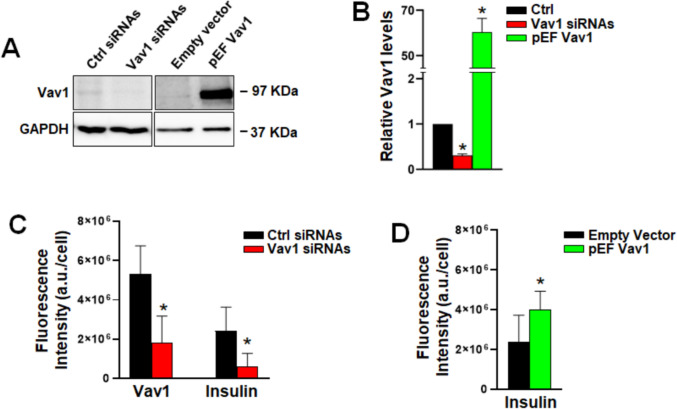 Figure 4
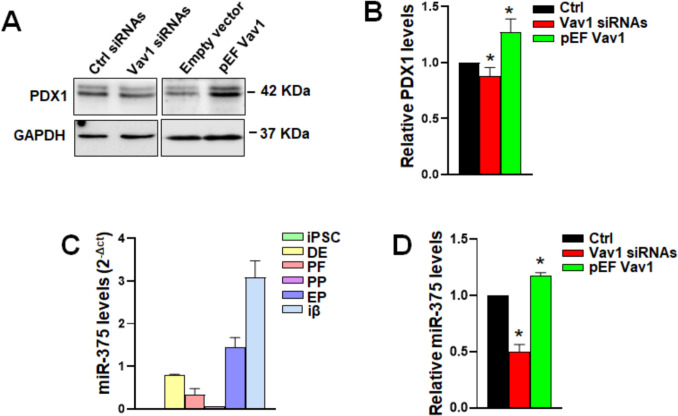 Figure 5
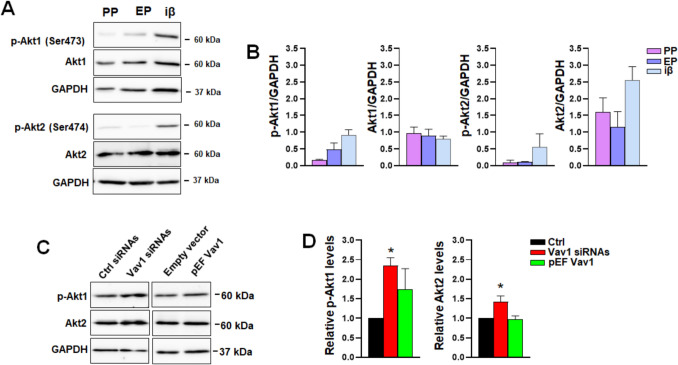 Figure 6
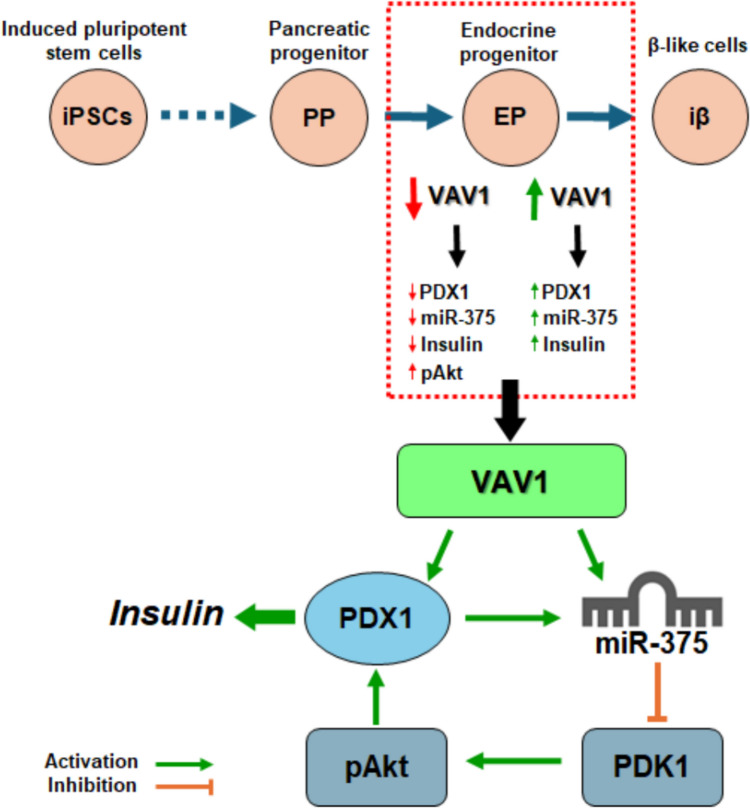 Figure 7
Peer Reviews
No public reviews on file for this paper yet. If you reviewed it on a platform where reviews are public (OpenReview, ICLR, NeurIPS, ICML), you can paste yours below so the community can read it here.
Videos
No videos yet. Explain this paper in a talk, walkthrough, or lecture? Add one.
Taxonomy
TopicsPancreatic function and diabetes · Erythrocyte Function and Pathophysiology · Calcium signaling and nucleotide metabolism