Nephrotoxicity and kidney outcomes in pediatric oncology patients
Paulien A M A Raymakers-Janssen, Nils Leitzinger, Gerrit van den Berg, Joppe Nijman, Mieke I Triest, Ellen Kilsdonk, Inge A van Kessel, Lidwien M Hanff, Martine van Grotel, Marc H W A Wijnen, Roelie M Wösten-van Asperen, Marc R Lilien, Marry M van den Heuvel-Eibrink, Marta Fiocco

TL;DR
This study shows that acute kidney injury is common in children with cancer and significantly increases the risk of chronic kidney disease.
Contribution
The study identifies specific nephrotoxic medications and risk factors strongly associated with AKI and subsequent CKD in pediatric oncology patients.
Findings
37% of pediatric cancer patients experienced acute kidney injury (AKI) during treatment.
AKI episodes strongly predict chronic kidney disease (CKD), with multiple episodes increasing the risk nearly 16-fold.
Nephrotoxic medications like ifosfamide and amphotericin B are strong, independent risk factors for AKI.
Abstract
Acute kidney injury (AKI) is a serious complication during pediatric cancer treatment. Nephrotoxic medication may increase the risk of developing AKI, which may necessitate modifications to standard treatment and may also increase the risk of chronic kidney disease (CKD). This study investigates the incidence of AKI, the impact of nephrotoxic medications and the association between AKI and the development of CKD. In this retrospective national cohort study, we analyzed 1525 pediatric cancer patients treated at the Princess Máxima Center between 2015 and 2021. AKI was classified using KDIGO criteria based on serum creatinine. The effect of nephrotoxic medications and other risk factors on AKI incidence and progression was assessed by using a cause specific hazard regression model. The cumulative incidence of AKI was estimated with a competing risk model with death as competing event.…
Genes, proteins, chemicals, diseases, species, mutations and cell lines named across the full text — each resolved to its canonical identifier and authoritative record.
Click any figure to enlarge with its caption.
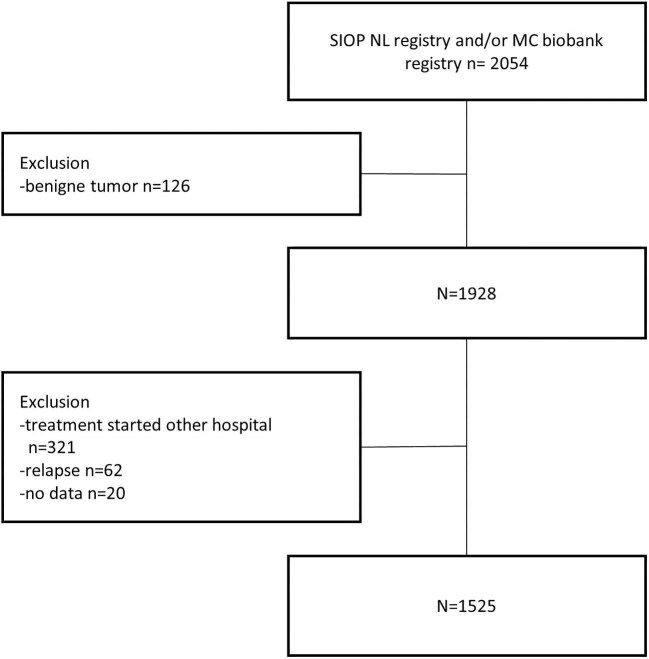 Figure 1
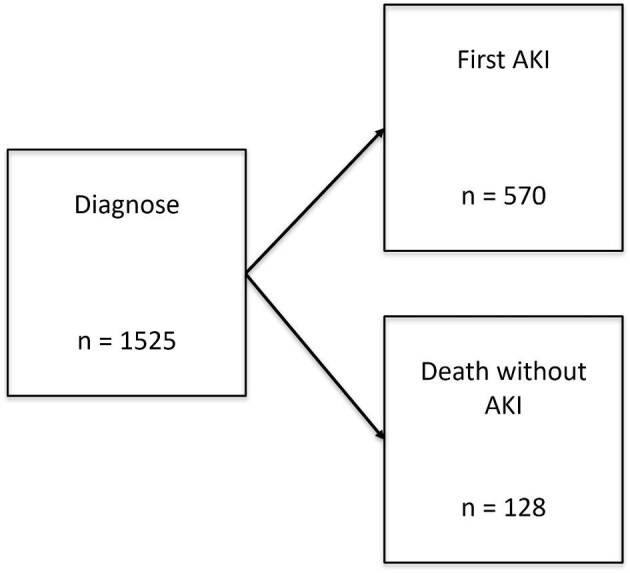 Figure 2
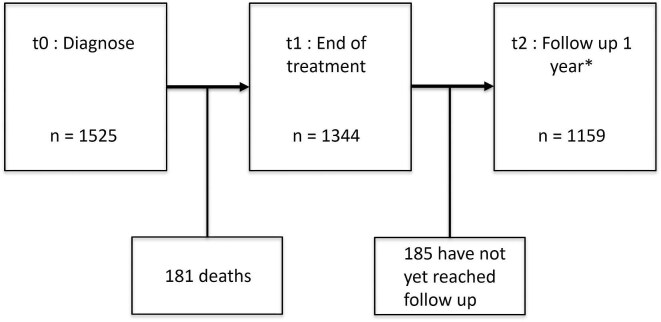 Figure 3
Peer Reviews
No public reviews on file for this paper yet. If you reviewed it on a platform where reviews are public (OpenReview, ICLR, NeurIPS, ICML), you can paste yours below so the community can read it here.
Videos
No videos yet. Explain this paper in a talk, walkthrough, or lecture? Add one.
Taxonomy
TopicsChemotherapy-induced organ toxicity mitigation · Childhood Cancer Survivors' Quality of Life · Pharmacological Effects and Toxicity Studies