Transcriptomic insights into arabinogalactan protein mechanism of action in galactosyltransferase octuple mutants
Damilola A. Ayorinde, Gbolaga O. Olanrewaju, Allan M. Showalter

TL;DR
This study explores how arabinogalactan-proteins (AGPs) function in plants by analyzing gene expression changes in mutants lacking eight galactosyltransferase genes.
Contribution
The study identifies specific genes and pathways affected by AGP dysfunction, particularly in signal transduction and cell wall modification.
Findings
930 genes were differentially expressed in flowers of AGP-deficient mutants, with many linked to pollen tube growth and flower development.
1,476 genes were differentially expressed in siliques, including those involved in pectin modification and suspensor development.
Commonly upregulated genes in both flowers and siliques are associated with calcium signaling and stress response pathways.
Abstract
Arabinogalactan-proteins (AGPs) are a family of hyperglycosylated hydroxyproline-rich glycoproteins essential for plant growth and development and generally contain 10% protein and 90% carbohydrate. Eight galactosyltransferases (GALTs), specifically GALT2-GALT9, catalyze galactose addition to hydroxyproline residues in the AGP protein backbone and initiate glycosylation of AGPs. Arabidopsis galt octuple mutants that result from the knockout of eight GALT genes displayed severe phenotypic changes, prompting our exploration of the mechanisms of action of AGPs by comparing the transcripts of galt octuple mutant flowers and siliques to wild type flowers and siliques in Arabidopsis thaliana. Transcriptomic analysis of flowers from galt octuple mutants revealed 930 significantly differentially expressed genes (426 upregulated, 504 downregulated). Many of the downregulated genes are reported…
Genes, proteins, chemicals, diseases, species, mutations and cell lines named across the full text — each resolved to its canonical identifier and authoritative record.
Click any figure to enlarge with its caption.
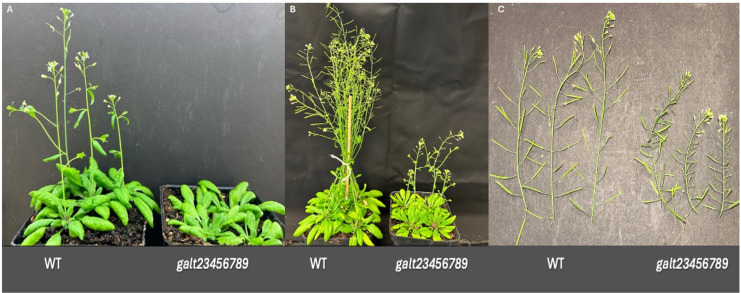 Figure 1
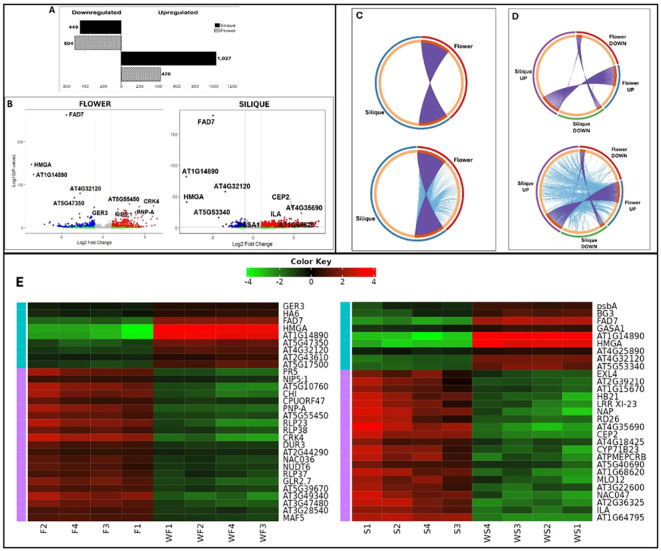 Figure 2
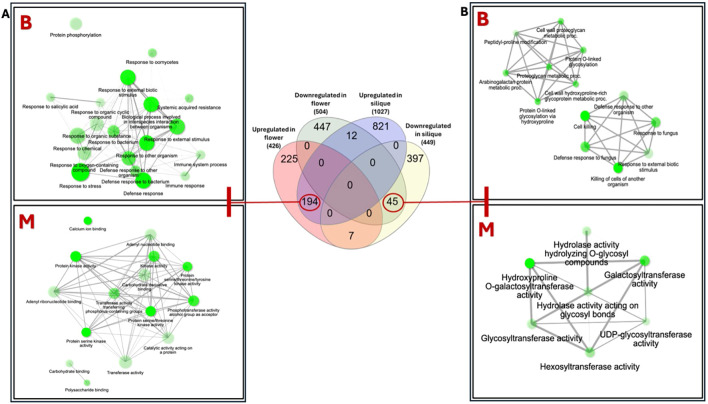 Figure 3
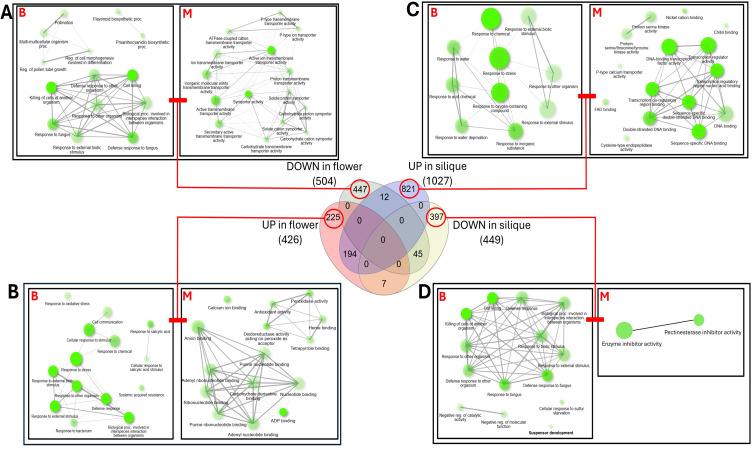 Figure 4
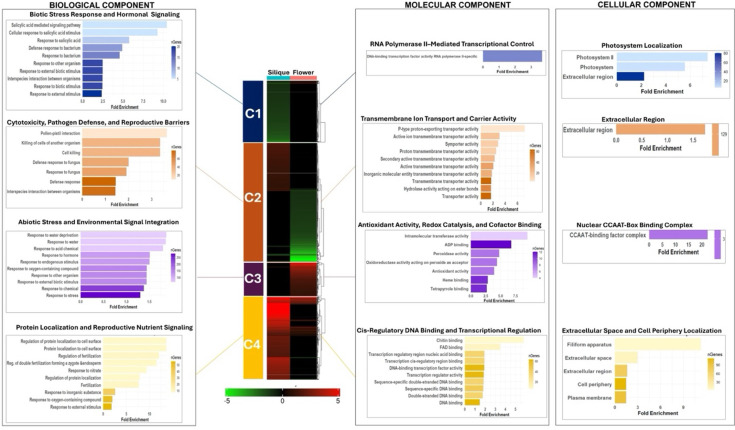 Figure 5
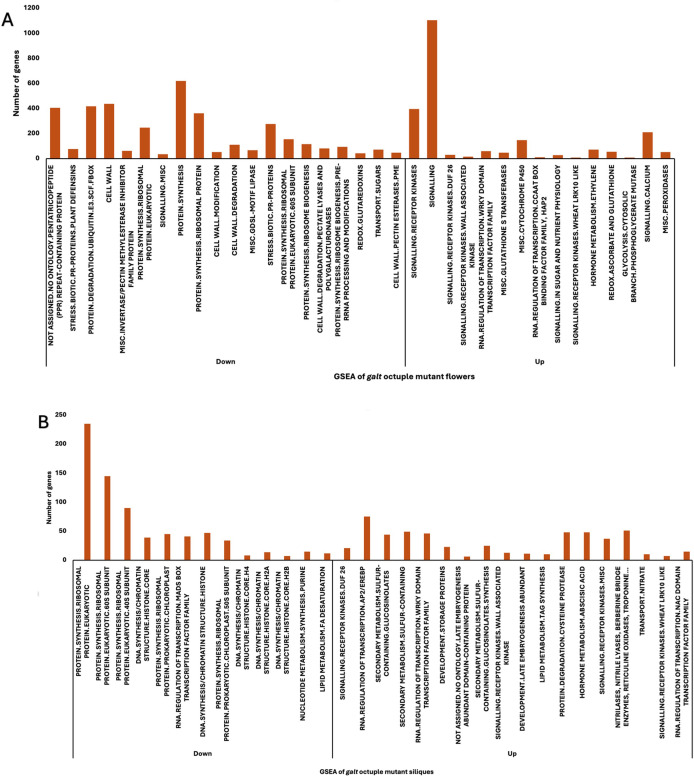 Figure 6
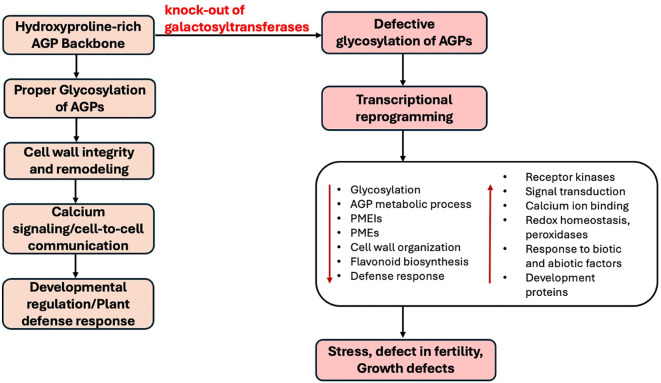 Figure 7
Peer Reviews
No public reviews on file for this paper yet. If you reviewed it on a platform where reviews are public (OpenReview, ICLR, NeurIPS, ICML), you can paste yours below so the community can read it here.
Videos
No videos yet. Explain this paper in a talk, walkthrough, or lecture? Add one.
Taxonomy
TopicsPolysaccharides and Plant Cell Walls · Glycosylation and Glycoproteins Research · Plant Reproductive Biology