Immune signatures of sepsis from mild infection to critical illness - a prospective observational study
Timothy Arthur Chandos Snow, Francis Ryckaert, Ingrid Hass, Holly Pan, Samer Elkhodair, Mervyn Singer, David Brealey, Nishkantha Arulkumaran, Naveed Saleem, Naveed Saleem, Cesar Antonio, Alessia V. Waller, Deborah Smyth, Georgia Bercades, Alexandra Zapata Martinez

TL;DR
This study explores immune changes in sepsis patients, finding that certain immune markers are present even in mild infections and non-infectious conditions, suggesting they reflect illness severity rather than critical illness alone.
Contribution
The study identifies monocyte markers as better indicators of sepsis severity than lymphocyte markers, suggesting new therapeutic strategies involving monocyte-targeted immunotherapy.
Findings
Features of immunosuppression are present in mild infections and non-infectious conditions, not exclusive to critical illness.
Monocyte HLA-DR and co-stimulatory molecules (CD80, CD86) and soluble PD-L1 distinguish between illness severity groups.
Lymphocyte markers (CD4+ and CD8+) do not differentiate between patient groups, indicating limited utility for targeted therapies.
Abstract
Sepsis-induced immunosuppression is a phenomenon characterized by the development of several changes in immunophenotype which predispose to secondary infections and increased mortality risk. Immunomodulatory therapies have yet to reproducibly demonstrate benefit in large clinical trials. We propose that several changes consistent with an immunosuppressive phenotype in sepsis represent either adaptive changes or epiphenomenon, rather than direct drivers of outcome in infection and sepsis. We therefore conducted a prospective observational study of patients presenting with infections with a spectrum of illness severity, to evaluate canonical features of monocyte and lymphocyte immunosuppression using flow cytometry. Several features consistent with immunosuppression in sepsis are observed in mild infections and non-infectious acute conditions. These features may be better understood as…
Genes, proteins, chemicals, diseases, species, mutations and cell lines named across the full text — each resolved to its canonical identifier and authoritative record.
Click any figure to enlarge with its caption.
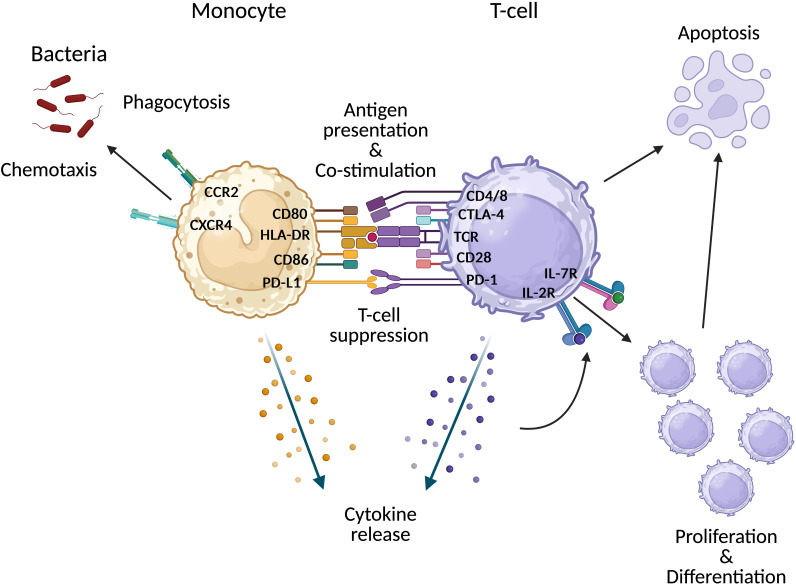 Figure 1
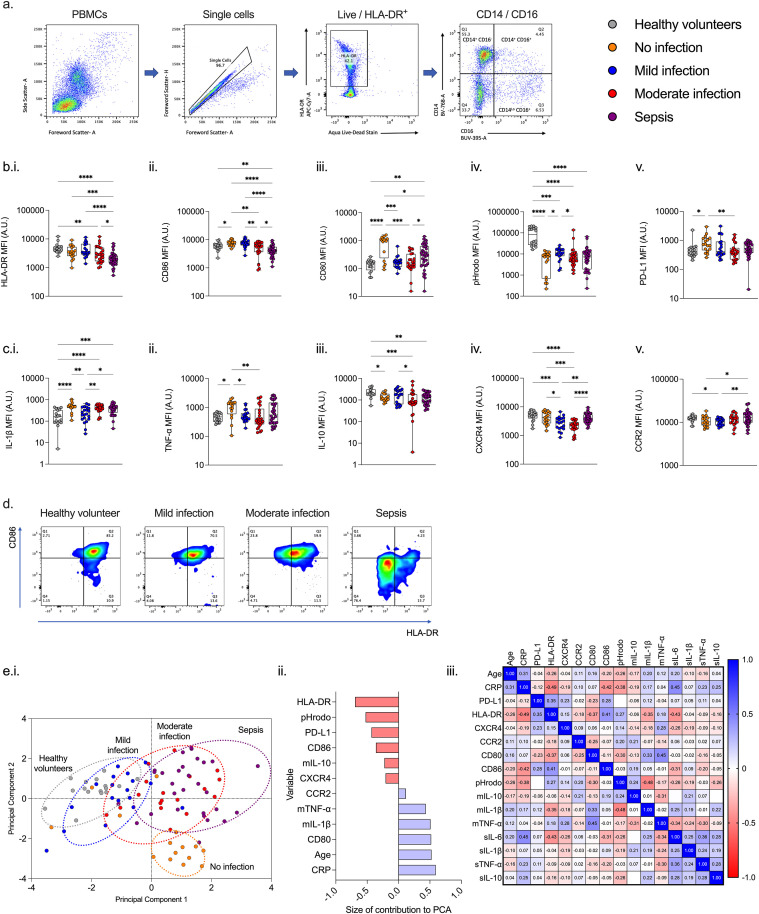 Figure 2
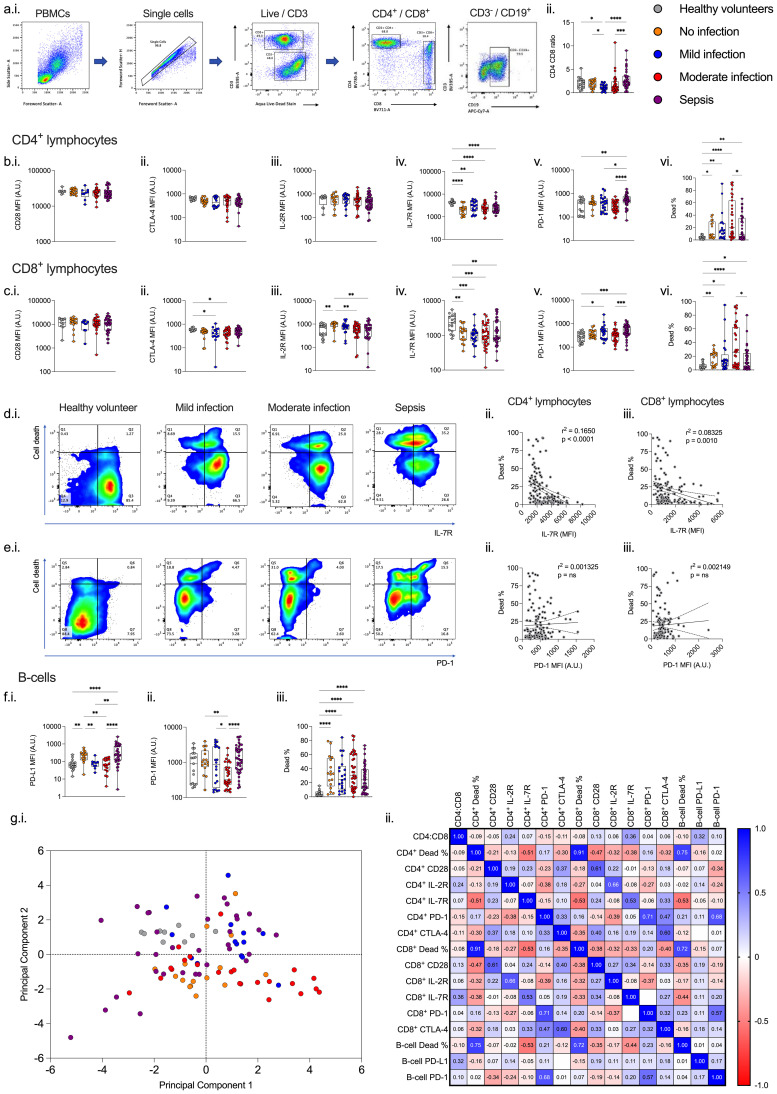 Figure 3
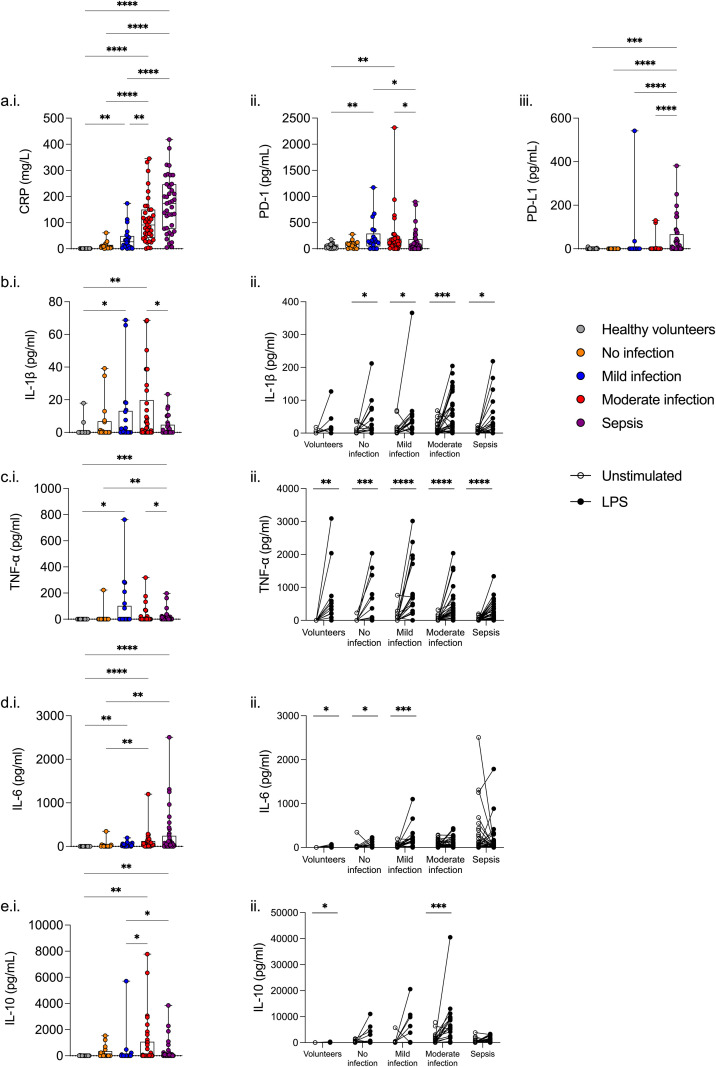 Figure 4
Peer Reviews
No public reviews on file for this paper yet. If you reviewed it on a platform where reviews are public (OpenReview, ICLR, NeurIPS, ICML), you can paste yours below so the community can read it here.
Videos
No videos yet. Explain this paper in a talk, walkthrough, or lecture? Add one.
Taxonomy
TopicsSepsis Diagnosis and Treatment · Immune Response and Inflammation · Inflammation biomarkers and pathways