Cortical hemodynamic responses and deep learning models of emotional face processing in preschool children with autism spectrum disorder: a fNIRS study
Liping Qi, Jing-Wen Ni, Guijun Dong, Tao Sun, Jian-Wei Zhang

TL;DR
This study uses fNIRS to examine brain activity in preschool children with ASD during emotional face processing and develops a deep learning model to classify emotions.
Contribution
The study introduces a CNN-LSTM model for emotion recognition in preschool children with ASD using fNIRS data.
Findings
Dynamic stimuli increased activation in the bilateral DLPFC and frontal pole compared to static stimuli.
Angry expressions triggered the strongest neural responses across multiple brain regions.
The CNN-LSTM model achieved 86.2% accuracy in classifying dynamic angry/happy emotions.
Abstract
The purpose of the present study was to characterize cortical hemodynamic responses during emotional face processing in preschool children with autism spectrum disorder (ASD) using functional near-infrared spectroscopy (fNIRS), and to develop machine learning frameworks for emotion recognition based on these hemodynamic signals. Fifty-three ASD preschoolers (41 males, 12 females; aged 3–7 years, mean age 5.20 ± 1.23 years) were exposed to dynamic video and static image facial stimuli displaying angry, happy expressions, and neutral flowers, with their brain activity concurrently recorded using whole-brain fNIRS. A convolutional neural network-long short-term memory (CNN-LSTM) model was proposed to decode spatiotemporal neural patterns of angry/happy emotion recognition. fNIRS analysis revealed significantly enhanced activation in bilateral dorsolateral prefrontal cortex (DLPFC) and…
Genes, proteins, chemicals, diseases, species, mutations and cell lines named across the full text — each resolved to its canonical identifier and authoritative record.
Click any figure to enlarge with its caption.
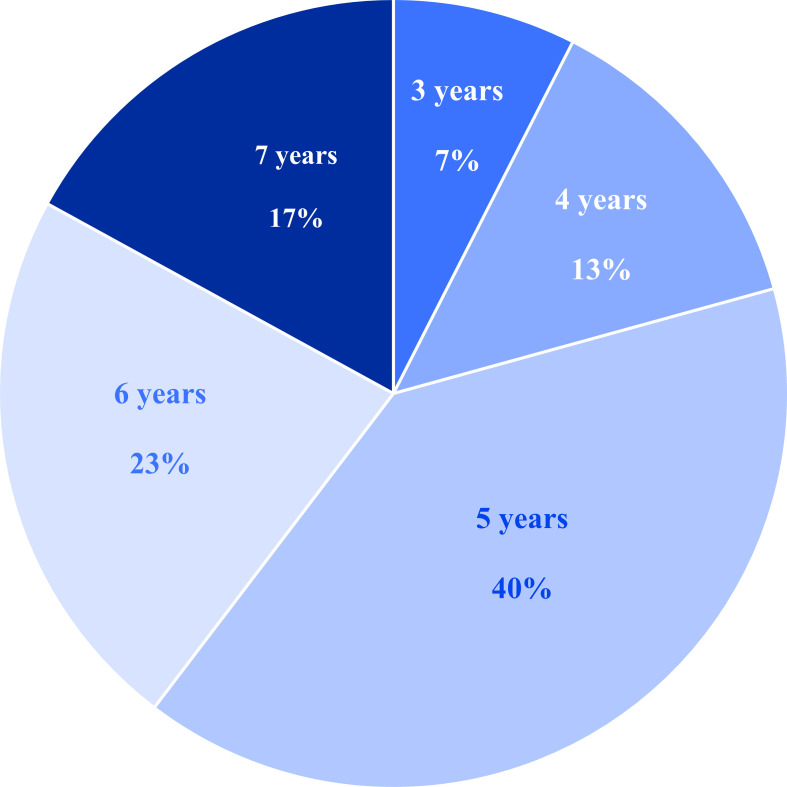 Figure 1
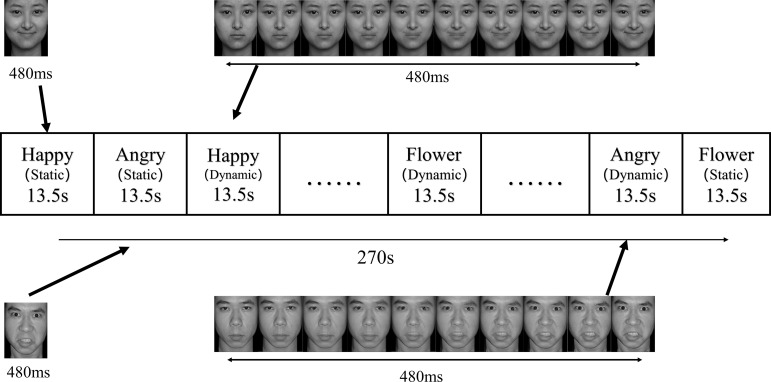 Figure 2
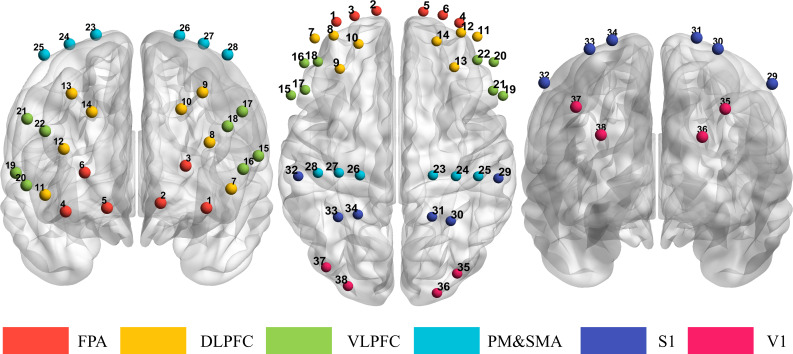 Figure 3
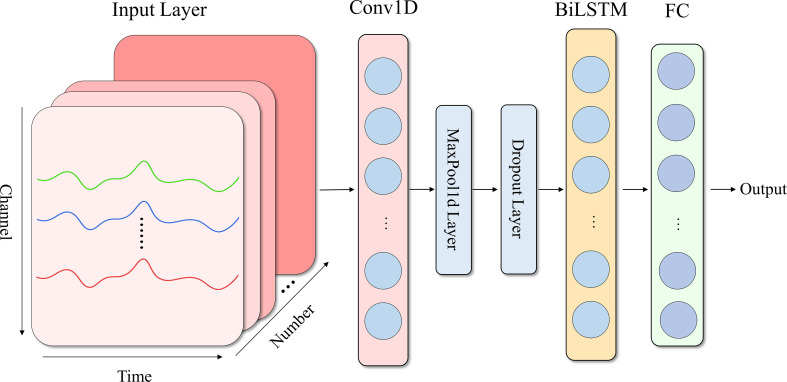 Figure 4
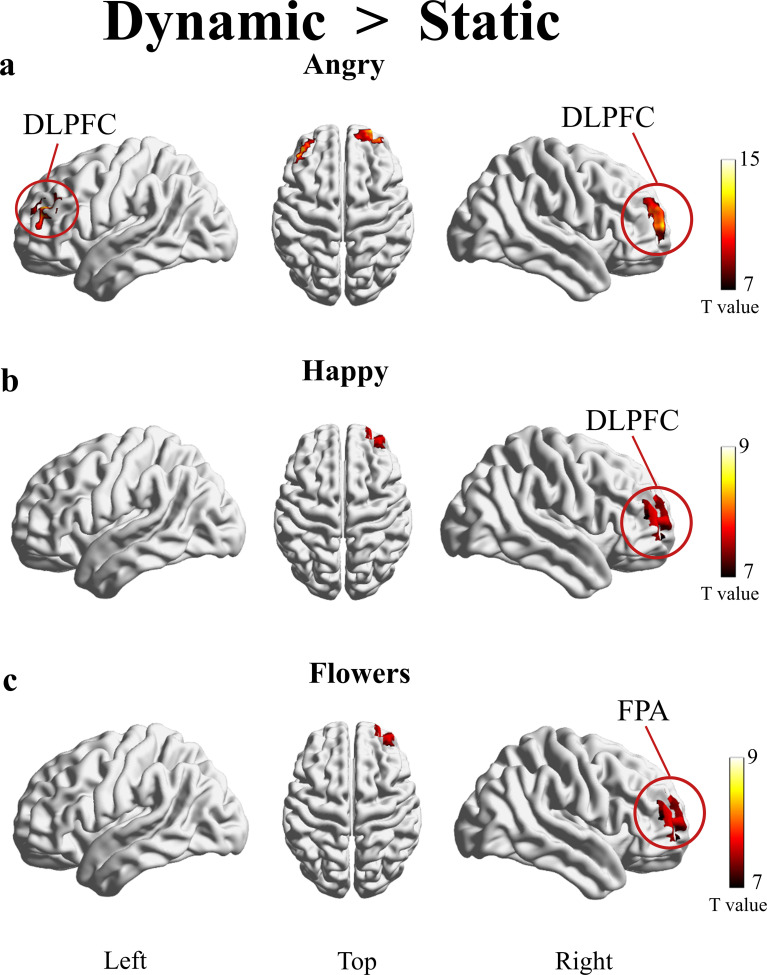 Figure 5
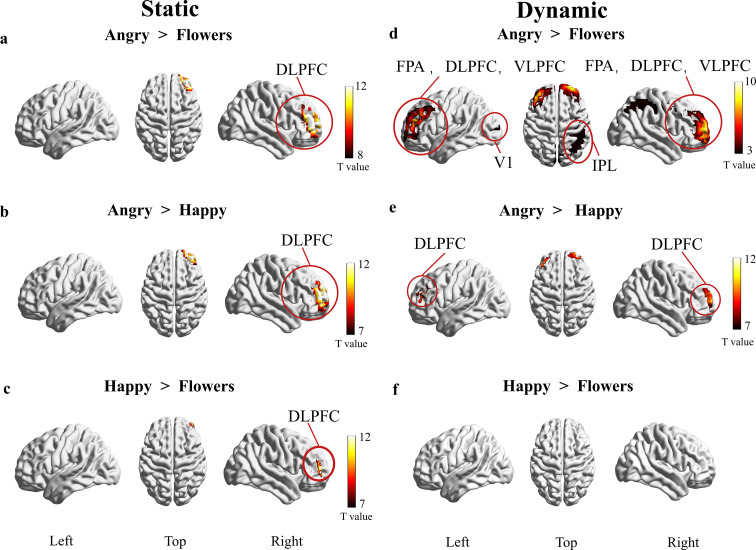 Figure 6
Peer Reviews
No public reviews on file for this paper yet. If you reviewed it on a platform where reviews are public (OpenReview, ICLR, NeurIPS, ICML), you can paste yours below so the community can read it here.
Videos
No videos yet. Explain this paper in a talk, walkthrough, or lecture? Add one.
Taxonomy
TopicsAutism Spectrum Disorder Research · Optical Imaging and Spectroscopy Techniques · Emotion and Mood Recognition