Sialylation-immune-related lncRNA LINC01605 promotes tumor-infiltrating CD8+ T cell exhaustion and malignancy of clear cell renal cell carcinoma
Ziran Dai, Hao Zhou, Zihao Feng, Mingxiao Zhang, Zheyu Ai, Gaowei Huang, Junjie Cen, Yanping Liang, Jinhuan Wei, Wei Chen, Junhang Luo, Zhenhua Chen

TL;DR
This study identifies a long non-coding RNA, LINC01605, that promotes tumor growth and immune evasion in kidney cancer by increasing sialylation and CD8+ T cell exhaustion.
Contribution
The study reveals a novel sialylation-immune-related lncRNA, LINC01605, that drives ccRCC progression and T cell exhaustion through JAK3/STAT3 signaling.
Findings
LINC01605 knockdown reduces sialic acid levels and tumor aggressiveness in ccRCC.
LINC01605 promotes JAK3/STAT3 signaling, leading to increased sialyltransferase ST6GALNAC5 expression.
High LINC01605 risk scores correlate with poor survival and anti-PD-1 immunotherapy response in ccRCC patients.
Abstract
Dysregulated expression of long non-coding RNAs (lncRNAs) has been shown to play a critical role in the tumorigenicity of clear cell renal cell carcinoma (ccRCC). Meanwhile, sialylation plays a pivotal role in cancer progression and in modulating the tumor immune microenvironment. However, how sialylation-immune-related lncRNAs (SIRLs) influence tumor immune microenvironment and progression of ccRCC remains unclear. Using comprehensive cancer datasets, we identified key lncRNAs linked to both sialylation and immune modulation, constructing a prognostic risk model centered on the hub gene LINC01605. Patients classified as high-risk showed significantly poor survival outcomes and poor response to anti-PD-1 immunotherapy compared to low-risk individuals. Functional studies established LINC01605’s role in enhancing tumor aggressiveness and CD8+ T cell exhaustion. Knockdown of LINC01605…
Genes, proteins, chemicals, diseases, species, mutations and cell lines named across the full text — each resolved to its canonical identifier and authoritative record.
Click any figure to enlarge with its caption.
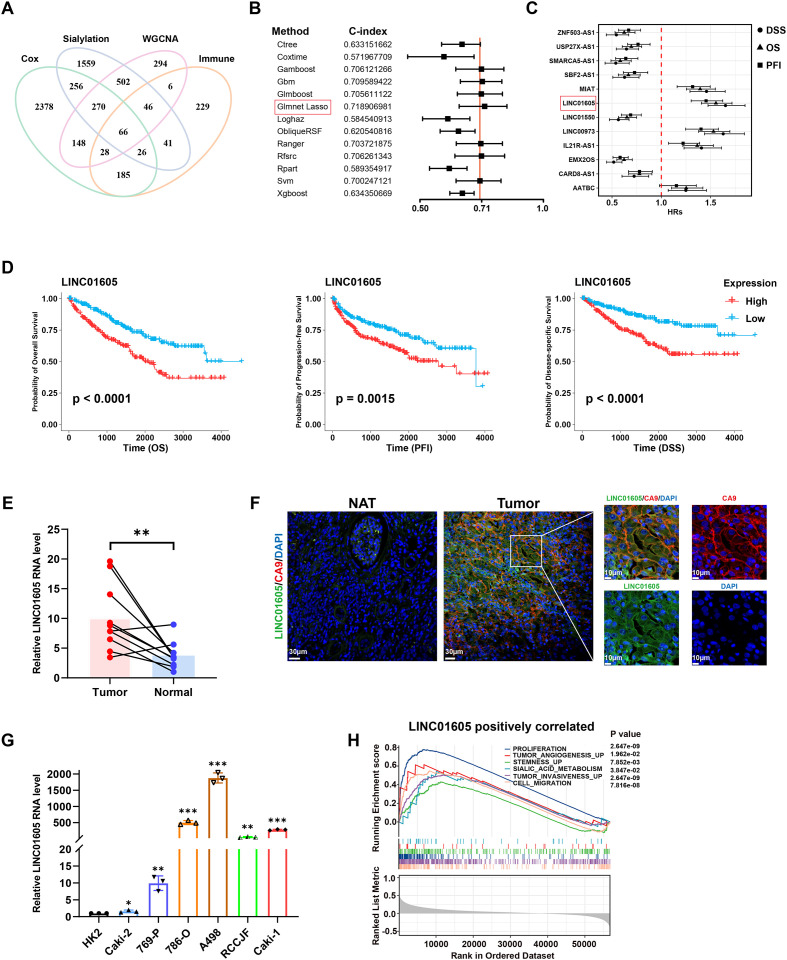 Figure 1
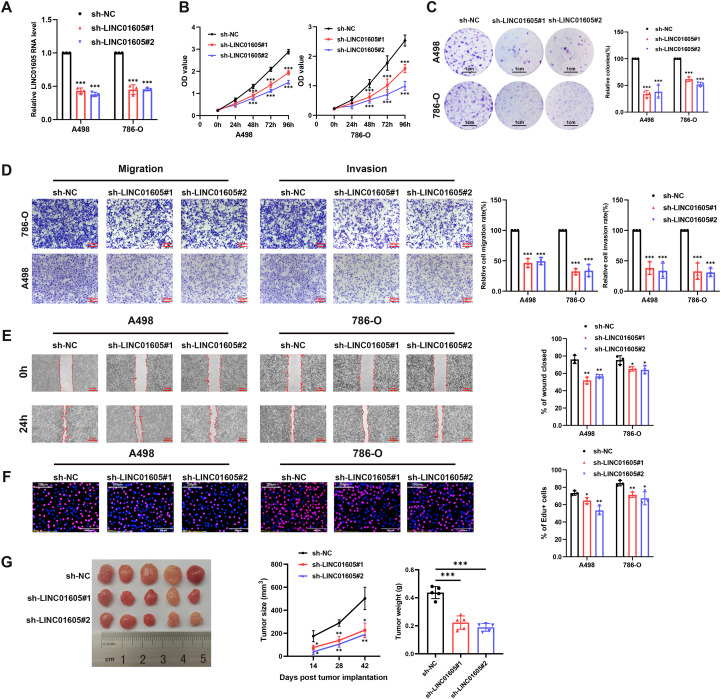 Figure 2
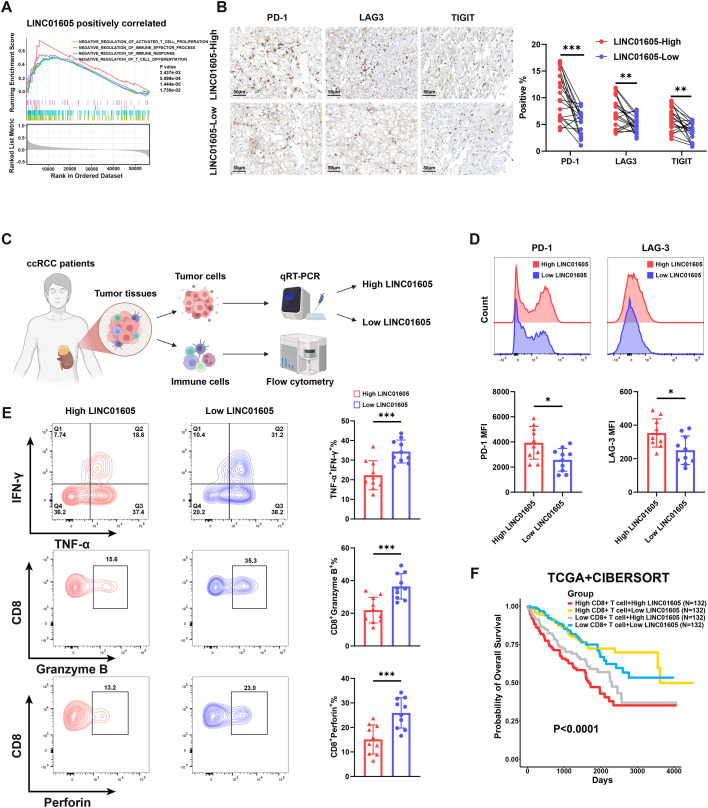 Figure 3
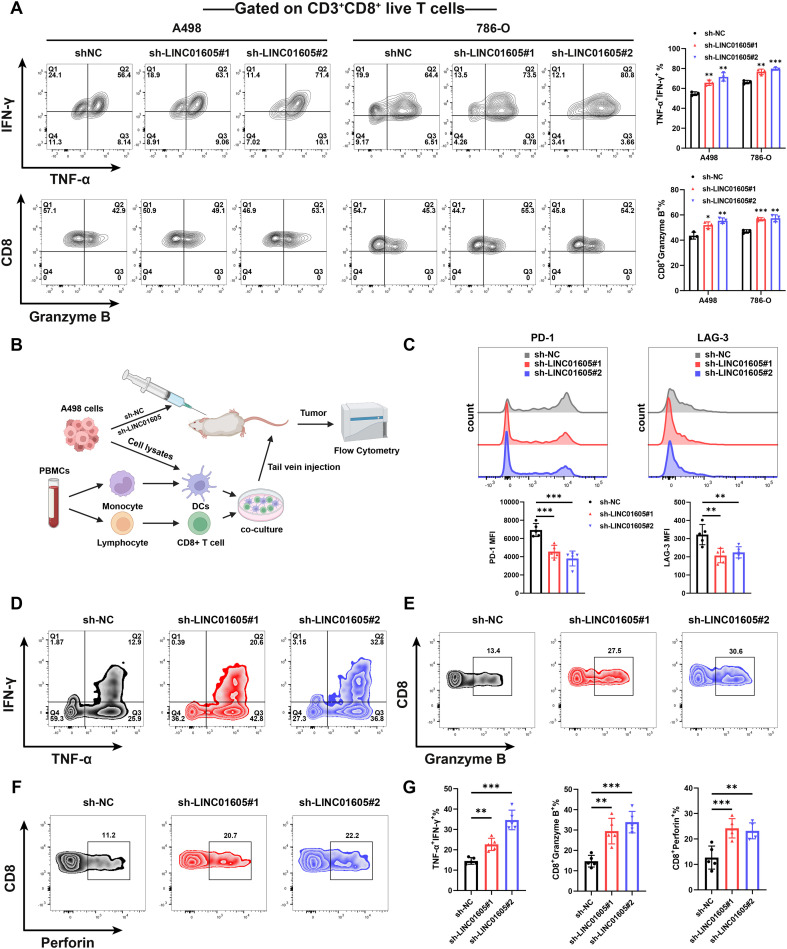 Figure 4
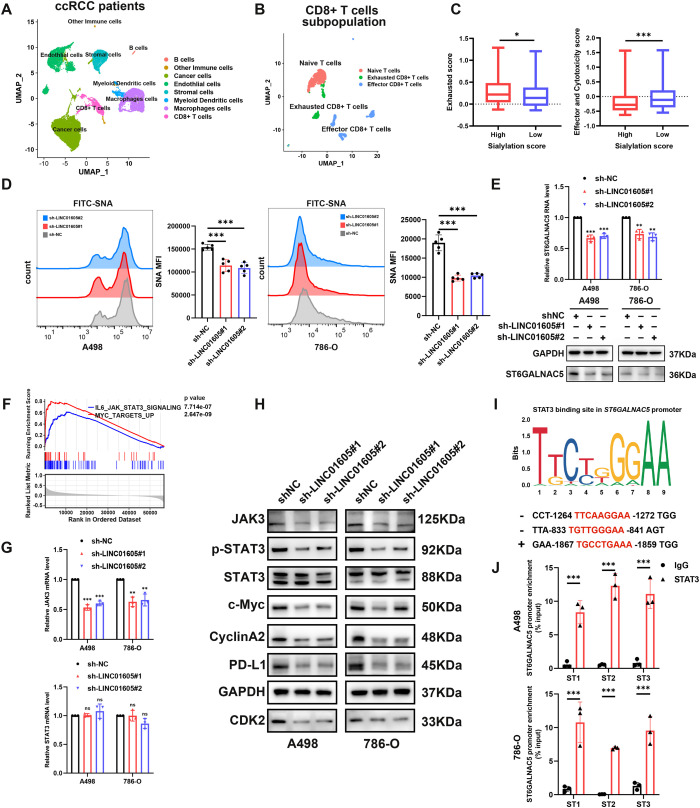 Figure 5
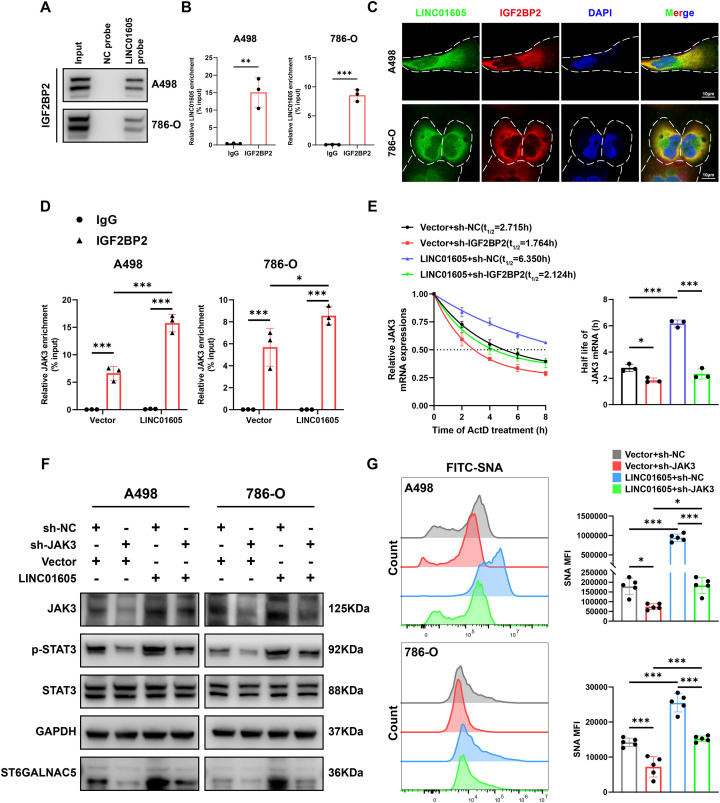 Figure 6
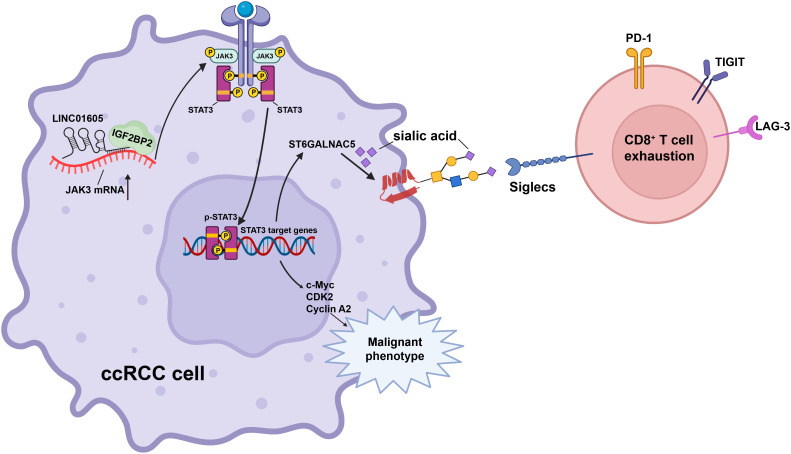 Figure 7
Peer Reviews
No public reviews on file for this paper yet. If you reviewed it on a platform where reviews are public (OpenReview, ICLR, NeurIPS, ICML), you can paste yours below so the community can read it here.
Videos
No videos yet. Explain this paper in a talk, walkthrough, or lecture? Add one.
Taxonomy
TopicsCancer-related molecular mechanisms research · Ferroptosis and cancer prognosis · Cancer Immunotherapy and Biomarkers