Dual RNA-Seq analysis unveils the multifaceted mechanisms of Trichoderma hamatum in the biological control of Fusarium graminearum, the causal agent of wheat fusarium head blight
Yunqing Cheng, Shuai Wang, Shuang Zhao, Siqi Yang, Yuqing Li, Bing Wang, Furan Zhang, Hongli He, Jianfeng Liu

TL;DR
This study shows how Trichoderma hamatum fights a wheat disease by disrupting the pathogen's metabolism and boosting the plant's defenses.
Contribution
The study reveals a tripartite mechanism of Trichoderma hamatum in biocontrolling Fusarium graminearum using dual RNA-Seq.
Findings
Trichoderma hamatum strongly inhibits Fusarium graminearum growth and suppresses its carbohydrate metabolism.
Trichoderma hamatum primes wheat defense pathways and mitigates Fg-induced physiological damage.
RNA-seq results were validated by qRT-PCR, confirming the reliability of the transcriptional findings.
Abstract
Fusarium head blight (FHB), caused by Fusarium graminearum (Fg), is a devastating wheat disease leading to substantial yield losses. Effective biocontrol strategies are urgently needed. This study aimed to investigate the antagonistic potential of Trichoderma hamatum (Th) against Fg and elucidate its transcriptional mechanisms. Antagonistic activity was assessed via dual-culture and pot experiments with wheat seedlings under four treatments: control (CK), Th, Fg, and dual inoculation (Th-Fg). Transcriptome sequencing (RNA-seq) data were aligned to the genomes of Fg, Trichoderma guizhouense (as a proxy for Th), and Triticum aestivum to analyze gene expression changes. Both assays showed Th strongly inhibited Fg growth. RNA-seq revealed that under Th pressure (Fg vs. Th–Fg), Fg exhibited widespread transcriptional suppression, with 608 DEGs downregulated and enriched in carbohydrate…
Genes, proteins, chemicals, diseases, species, mutations and cell lines named across the full text — each resolved to its canonical identifier and authoritative record.
Click any figure to enlarge with its caption.
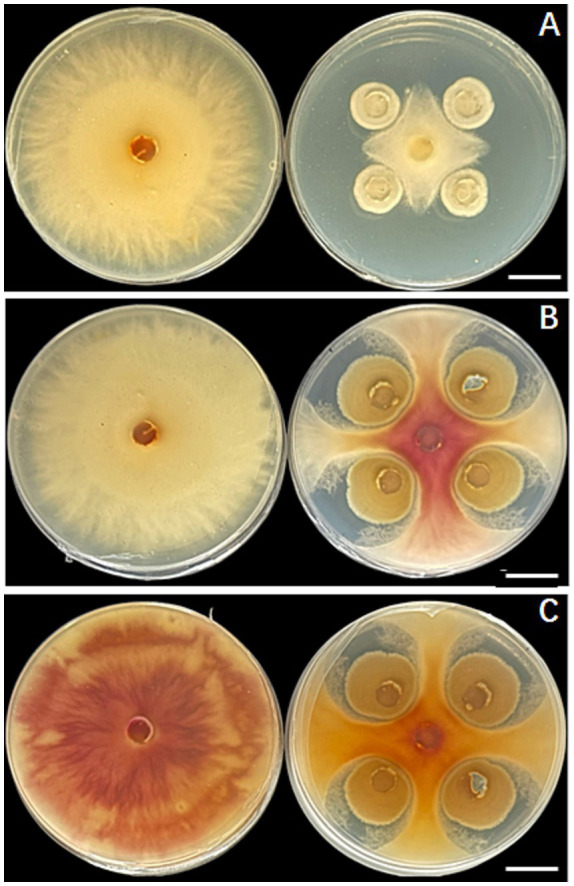 Figure 1
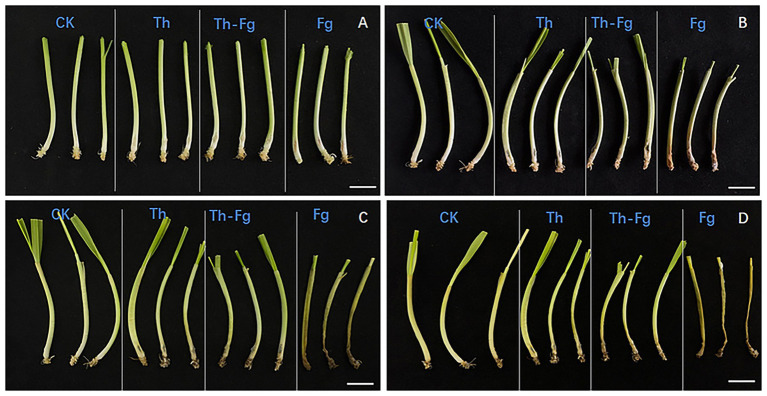 Figure 2
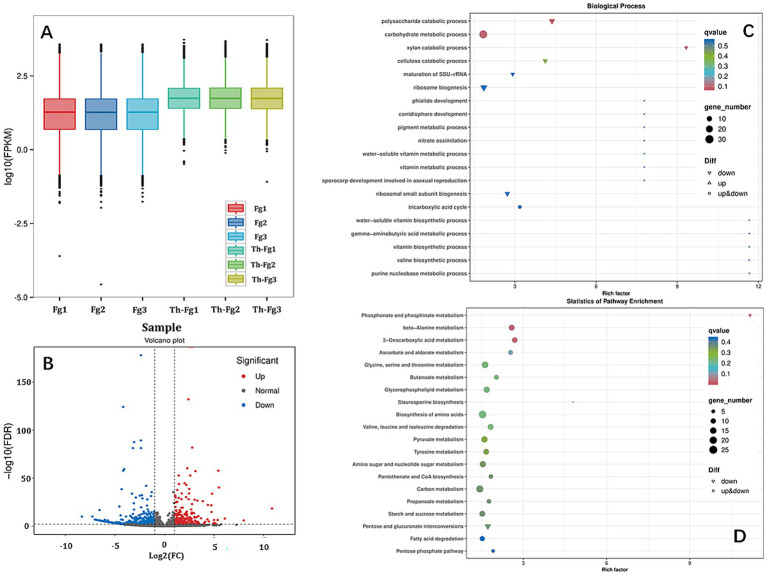 Figure 3
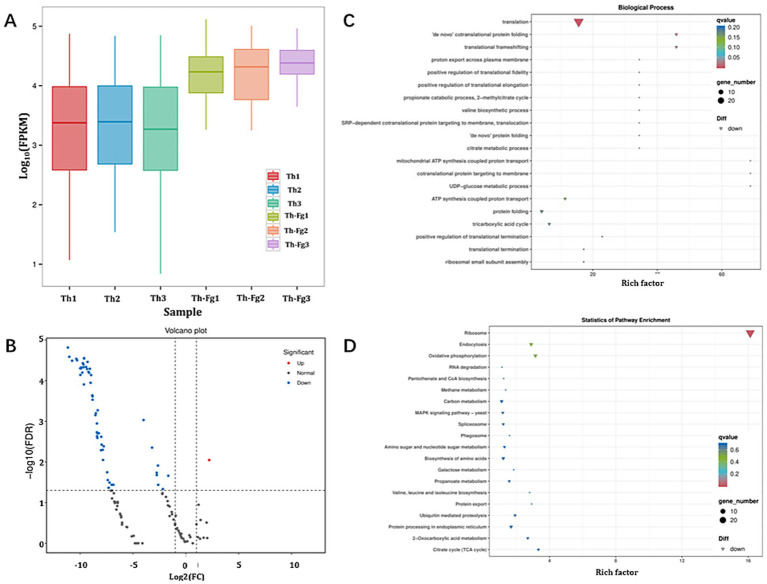 Figure 4
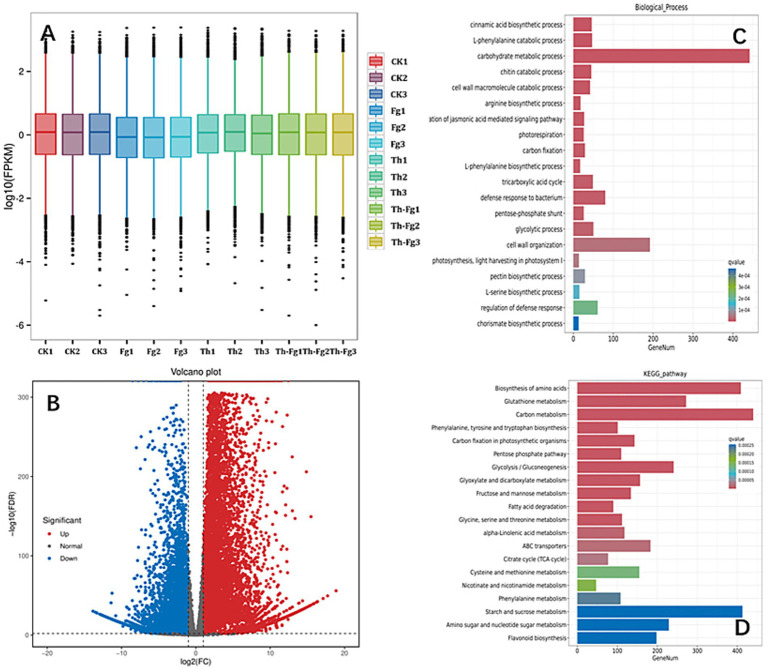 Figure 5
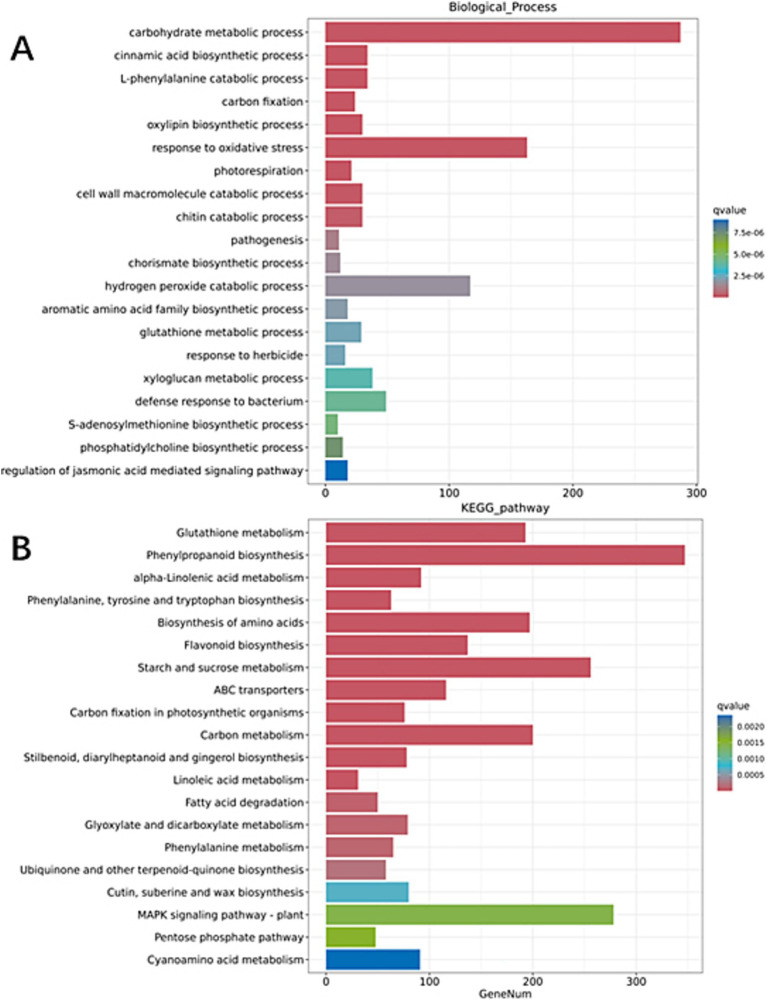 Figure 6
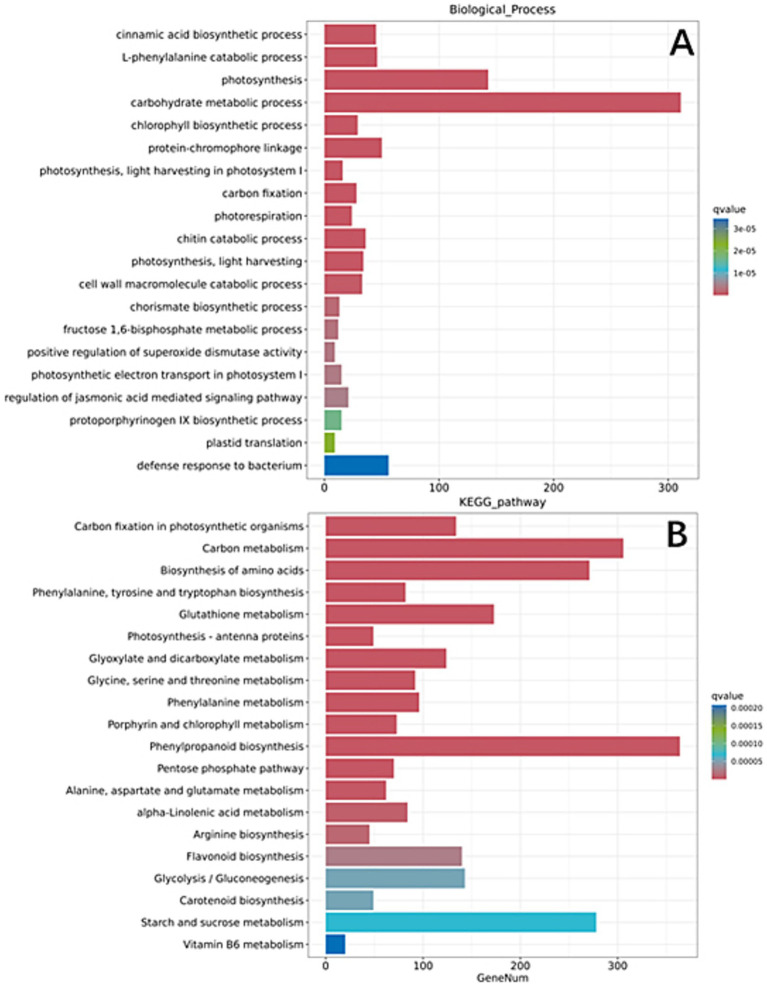 Figure 7
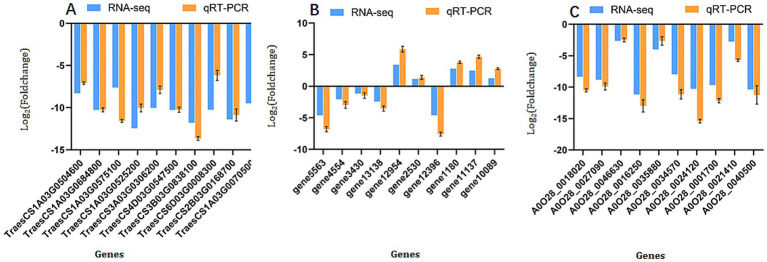 Figure 8
Peer Reviews
No public reviews on file for this paper yet. If you reviewed it on a platform where reviews are public (OpenReview, ICLR, NeurIPS, ICML), you can paste yours below so the community can read it here.
Videos
No videos yet. Explain this paper in a talk, walkthrough, or lecture? Add one.
Taxonomy
TopicsPlant-Microbe Interactions and Immunity · Mycotoxins in Agriculture and Food · Mycorrhizal Fungi and Plant Interactions