Feeding or starvation: which condition makes the red palm weevil, Rhynchophorus ferrugineus Olivier, more susceptible to insecticides?
Nagdy F. Abdel-Baky, Saleh S. Alhewairini, Saleem A. Alsalhee, Turki S. M. Alanazi, Raid R. Alharbi

TL;DR
This study shows that starving red palm weevil larvae and adults are more likely to die from insecticides than those that are fed, which could improve pest control strategies.
Contribution
The study reveals that insecticide efficacy in red palm weevils is strongly influenced by feeding status, with starvation increasing susceptibility.
Findings
Starvation significantly increased mortality in red palm weevil larvae and adults exposed to insecticides.
Larvae were consistently more vulnerable to insecticides than adults, especially under starvation conditions.
Feeding reduced insecticide toxicity, likely due to detoxification or dilution from ingested sap.
Abstract
Over the last four decades, the red palm weevil (RPW), Rhynchophorus ferrugineus, has emerged as one of the most destructive pests of date and ornamental palms worldwide, causing major economic losses, with insecticide susceptibility strongly influenced by nutritional status. This study assessed how feeding versus starvation affects the sensitivity of RPW larvae and adults to ten commonly used insecticides at three dose levels (½×, 1×, and 2× of the recommended rate). Mortality rates were recorded and compared between fed and unfed insects. Starvation significantly increased mortality, particularly in larvae, which were consistently more vulnerable than adults. Voliam Flexi achieved complete mortality under both conditions, whereas Coragen, Cyprone, and Indocarb caused full larval mortality only under starvation at the highest dose. In adults, 100% mortality with Medprid, Sivanto,…
Genes, proteins, chemicals, diseases, species, mutations and cell lines named across the full text — each resolved to its canonical identifier and authoritative record.
Click any figure to enlarge with its caption.
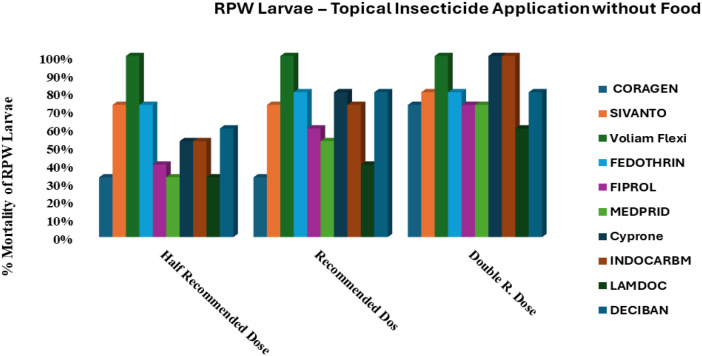 Figure 1
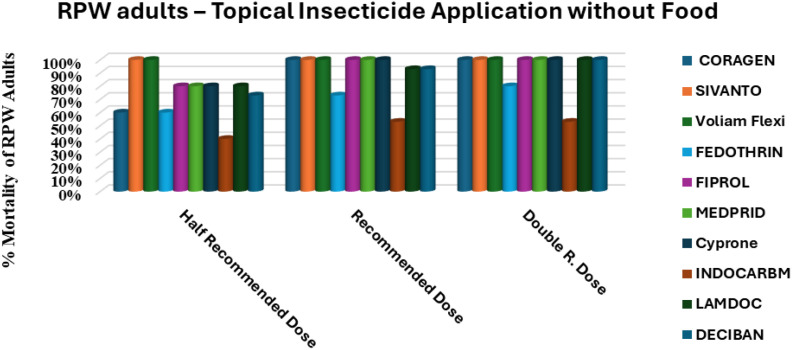 Figure 2
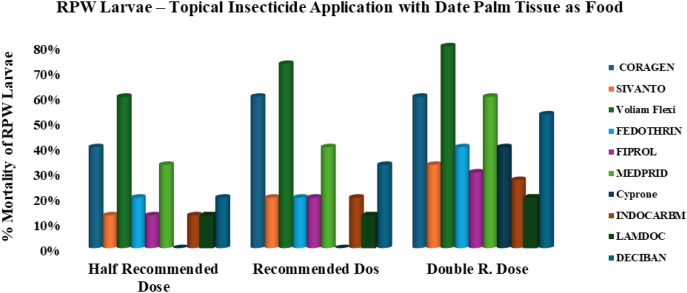 Figure 3
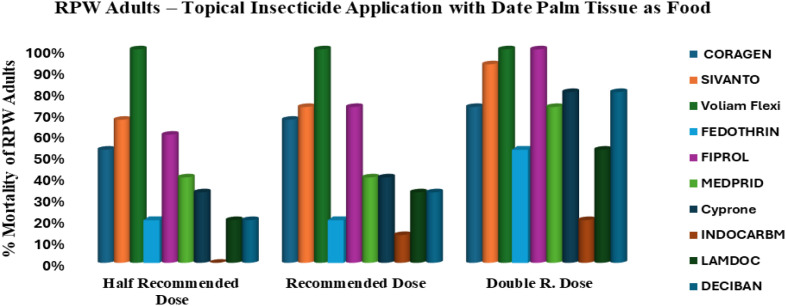 Figure 4
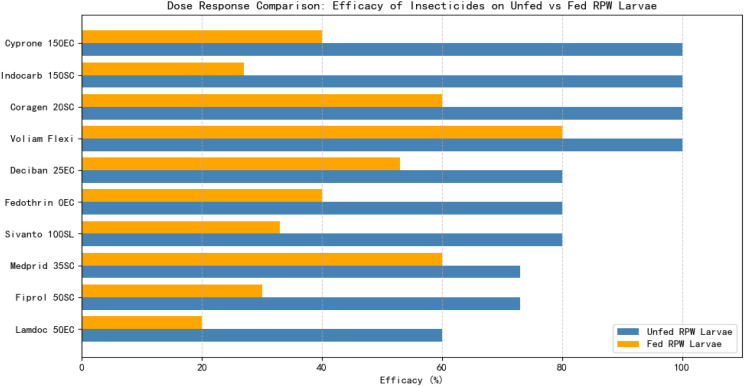 Figure 5
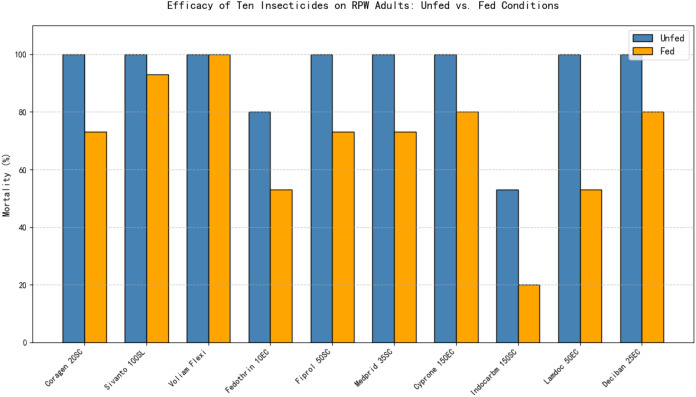 Figure 6
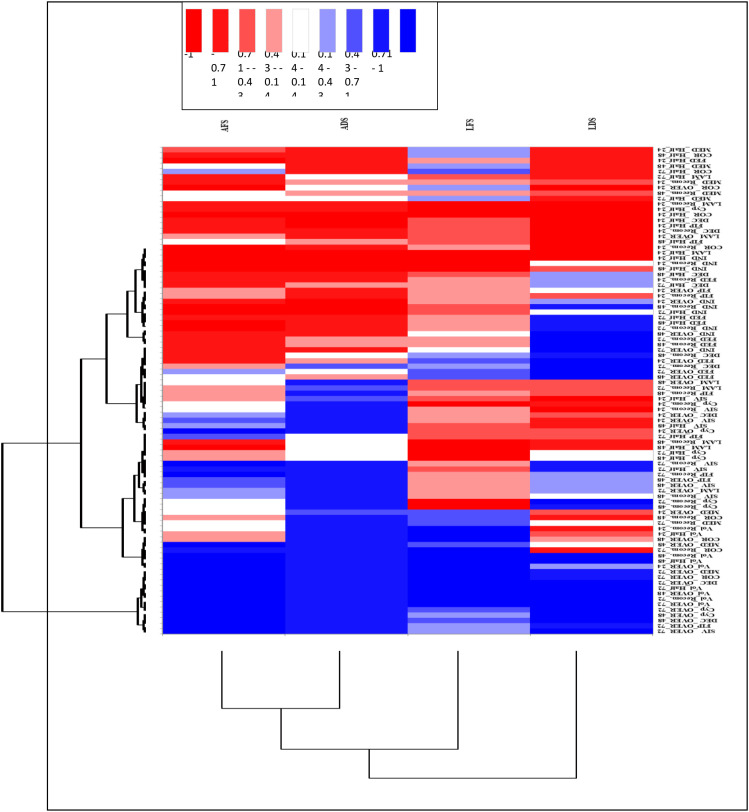 Figure 7
Peer Reviews
No public reviews on file for this paper yet. If you reviewed it on a platform where reviews are public (OpenReview, ICLR, NeurIPS, ICML), you can paste yours below so the community can read it here.
Videos
No videos yet. Explain this paper in a talk, walkthrough, or lecture? Add one.
Taxonomy
TopicsDate Palm Research Studies · Insect Utilization and Effects · Insect Pest Control Strategies