Endoplasmic reticulum protein retention and disturbed proteostasis is a common pathology for a subset of autism: evidence from mutations in GABAA receptors and GABA transporter 1
Jing-Qiong Kang, Aiden Delahanty

TL;DR
The paper suggests that a shared cellular defect in protein folding and retention in the endoplasmic reticulum contributes to autism and epilepsy caused by specific genetic mutations.
Contribution
The study proposes a unified therapeutic approach targeting proteostasis for autism and epilepsy caused by GABAA receptor and GAT-1 mutations.
Findings
Mutations in GABAA receptors and GAT-1 lead to ER protein retention and impaired proteostasis.
This cellular defect is common in a subset of autism and epilepsy cases.
Therapies like 4-phenylbutyrate may benefit these disorders by improving protein folding.
Abstract
Autism is a common childhood disorder, often comorbid with epilepsy. Both autism and epilepsy are highly heterogeneous in terms of disease etiology and frequently co-occur with other neuropsychiatric phenotypes. Advances in genetic sequencing technologies have significantly improved our understanding of the biological pathways involved in these disorders, particularly in genetic epilepsy (GE). One critical pathway involves gamma-aminobutyric acid (GABA), a key neurotrophic signal during early brain development. GABA plays a central role in maintaining neural excitatory-inhibitory balance, and its dysfunction has been implicated in both autism and epilepsy. GABA acts through its receptors and transporters to regulate neuronal signaling, and disruptions in this system can lead to neural circuit abnormalities. Recent studies have identified that mutations in GABAA receptors and the GABA…
Genes, proteins, chemicals, diseases, species, mutations and cell lines named across the full text — each resolved to its canonical identifier and authoritative record.
Click any figure to enlarge with its caption.
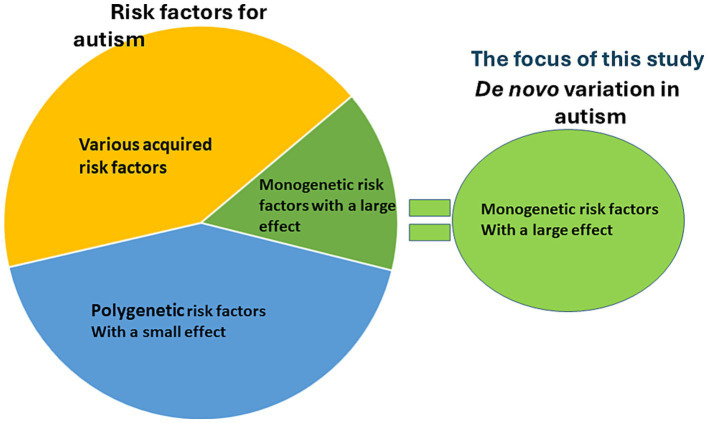 Figure 1
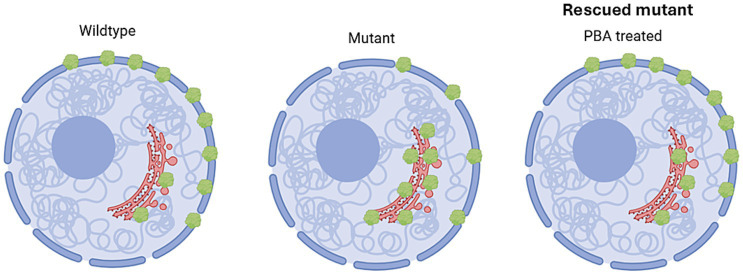 Figure 2
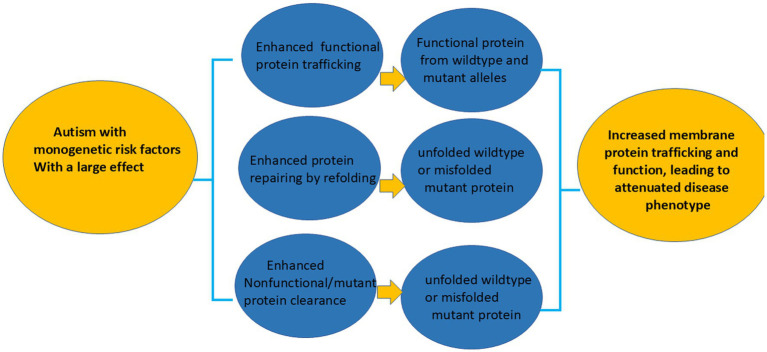 Figure 3
Peer Reviews
No public reviews on file for this paper yet. If you reviewed it on a platform where reviews are public (OpenReview, ICLR, NeurIPS, ICML), you can paste yours below so the community can read it here.
Videos
No videos yet. Explain this paper in a talk, walkthrough, or lecture? Add one.
Taxonomy
TopicsEndoplasmic Reticulum Stress and Disease · Autism Spectrum Disorder Research · Amino Acid Enzymes and Metabolism