Cortical network characteristics in post-stroke anxiety: an fNIRS-based study
Xue Qian, Qinglei Wang, Jie Wang, Ling Yang, Ayan Geng, Wenjie Xu, Gengjuan Dong, Tongbo Lu, Chuan Guo

TL;DR
This study uses fNIRS to investigate brain activity differences in patients with post-stroke anxiety, finding reduced activation in specific prefrontal regions.
Contribution
The study identifies reduced activation in the bilateral frontopolar cortex as a potential neural correlate of post-stroke anxiety.
Findings
Patients with post-stroke anxiety showed significantly reduced activation in the bilateral frontopolar cortex during a cognitive task.
Comorbid depression in PSA patients further reduced activation in the frontopolar cortex and left dorsolateral prefrontal cortex.
No significant differences in resting-state functional connectivity were found between PSA and non-PSA groups.
Abstract
To examine prefrontal hemodynamic changes in patients with post-stroke anxiety (PSA), both at rest and during cognitive task engagement, with the aim of elucidating the underlying neural mechanisms of PSA and identifying potential neural correlates for clinical application. Fifty patients with PSA and 45 post-stroke patients without anxiety symptoms were recruited. PSA was diagnosed using the Hamilton Anxiety Rating Scale (HAMA ≥ 7), and comorbid depression was screened using the 17-item Hamilton Depression Rating Scale (HAMD-17 ≥ 8). Patients with significant cognitive impairment were excluded. Functional near-infrared spectroscopy (fNIRS) was used to measure resting-state functional connectivity in the frontopolar cortex (FPC) and dorsolateral prefrontal cortex (DLPFC), as well as task-evoked activation during the verbal fluency task (VFT). Demographic and clinical characteristics…
Genes, proteins, chemicals, diseases, species, mutations and cell lines named across the full text — each resolved to its canonical identifier and authoritative record.
Click any figure to enlarge with its caption.
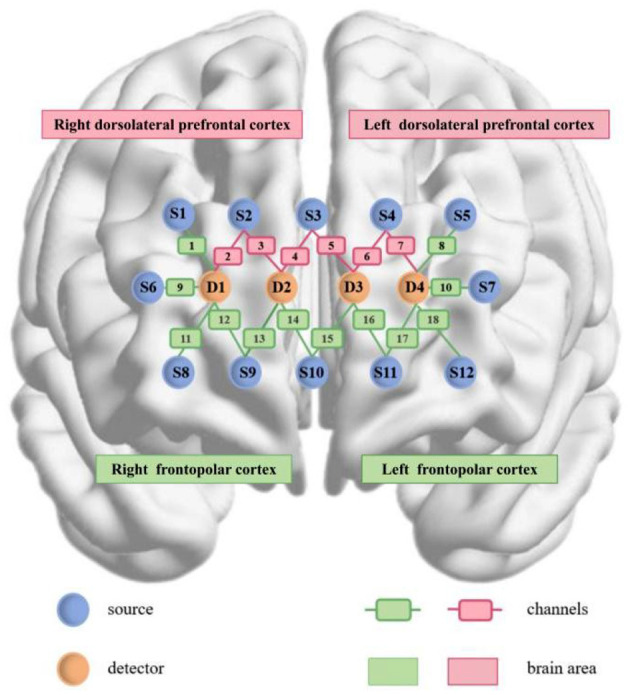 Figure 1
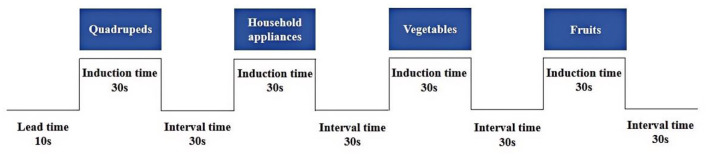 Figure 2
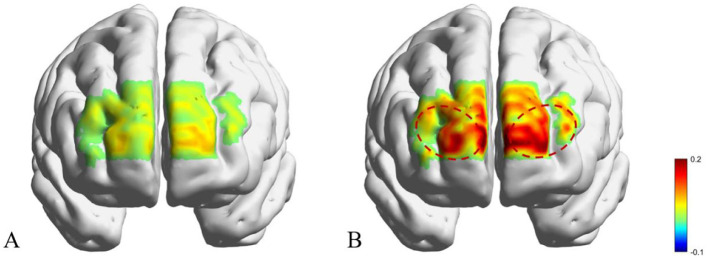 Figure 3
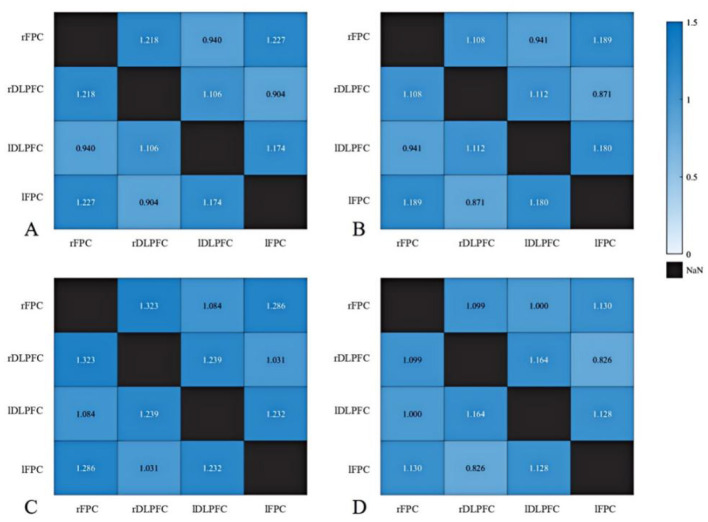 Figure 4
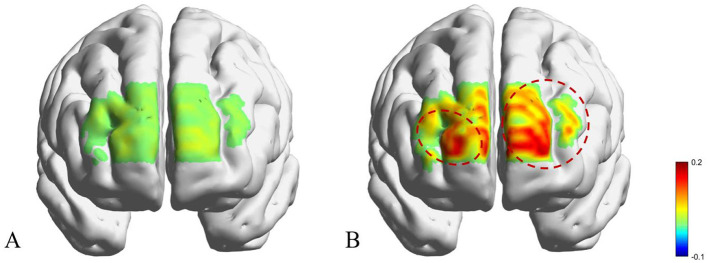 Figure 5
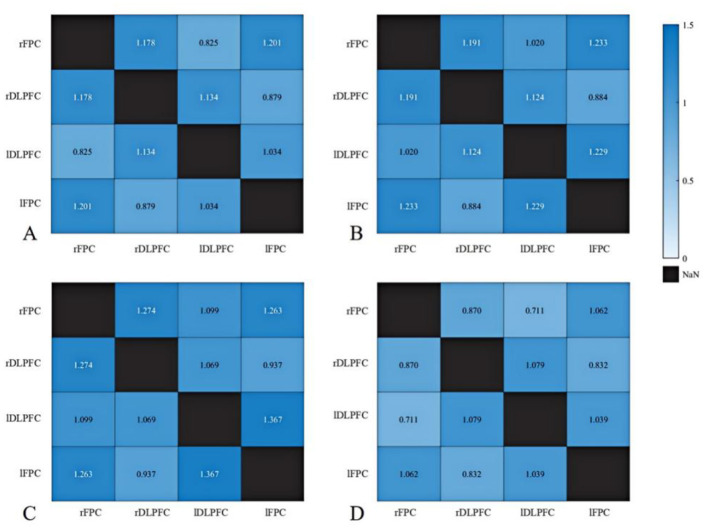 Figure 6
Peer Reviews
No public reviews on file for this paper yet. If you reviewed it on a platform where reviews are public (OpenReview, ICLR, NeurIPS, ICML), you can paste yours below so the community can read it here.
Videos
No videos yet. Explain this paper in a talk, walkthrough, or lecture? Add one.
Taxonomy
TopicsStroke Rehabilitation and Recovery · Acute Ischemic Stroke Management · Spatial Neglect and Hemispheric Dysfunction