Using natural language processing to explore differences in healthcare professionals’ language on Functional Neurological Disorder: a comparative topic and sentiment analysis study
Md Shadab Mashuk, Yang Lu, Lana Y. H. Lai, Matthew Shardlow, Shumit Saha, Ashley Williams, Anna Lee, Sarah Lloyd, Rajiv Mohanraj, Daniela Di Basilio

TL;DR
This study uses NLP to analyze how neurologists and psychologists communicate about Functional Neurological Disorder, revealing differences in language and tone that may affect patient care.
Contribution
The study introduces a comparative NLP analysis of clinician communication styles in FND care, focusing on topic and sentiment differences.
Findings
Psychologists used terms related to subjective experiences like 'trauma' and 'awareness', while neurologists focused on medicalized language.
Psychologists' communication was more positive and proactive, whereas neurologists used a neutral or cautious tone.
The study highlights the need for standardized clinical terminology and integrated care pathways in FND.
Abstract
Effective communication is essential for delivering quality healthcare, particularly for individuals with Functional Neurological Disorders (FND), who are often subject to misdiagnosis and stigmatising language that implies symptom fabrication. Variability in communication styles among healthcare professionals may contribute to these challenges, affecting patient understanding and care outcomes. This study employed natural language processing (NLP) to analyse clinician-to-clinician and clinician-to-patient communication regarding FND. A total of 869 electronic health records (EHRs) were examined to assess differences in language use and emotional tone across various professionals—specifically, neurologists and psychologists—and different document types, such as discharge summaries and letters to general practitioners (GPs). Latent Dirichlet Allocation (LDA) topic modelling and two…
Genes, proteins, chemicals, diseases, species, mutations and cell lines named across the full text — each resolved to its canonical identifier and authoritative record.
Click any figure to enlarge with its caption.
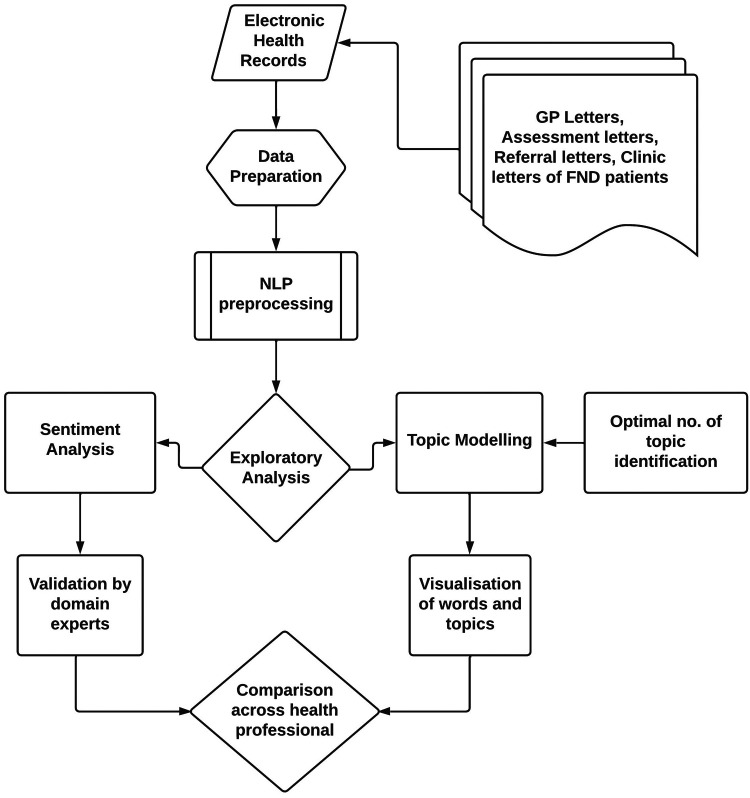 Figure 1
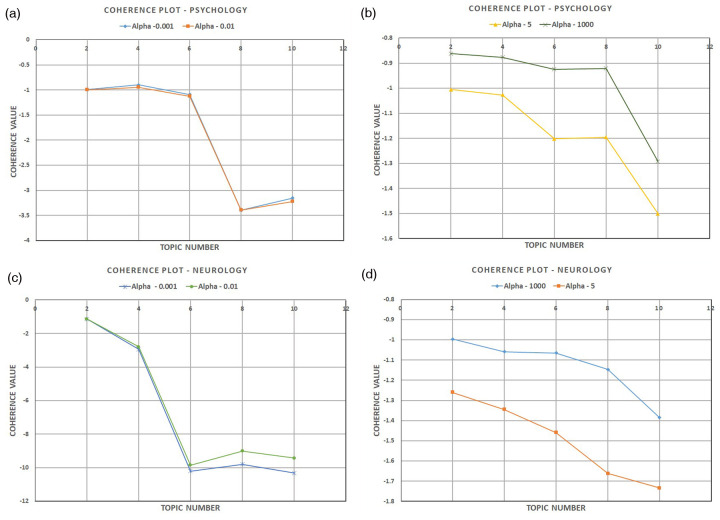 Figure 2
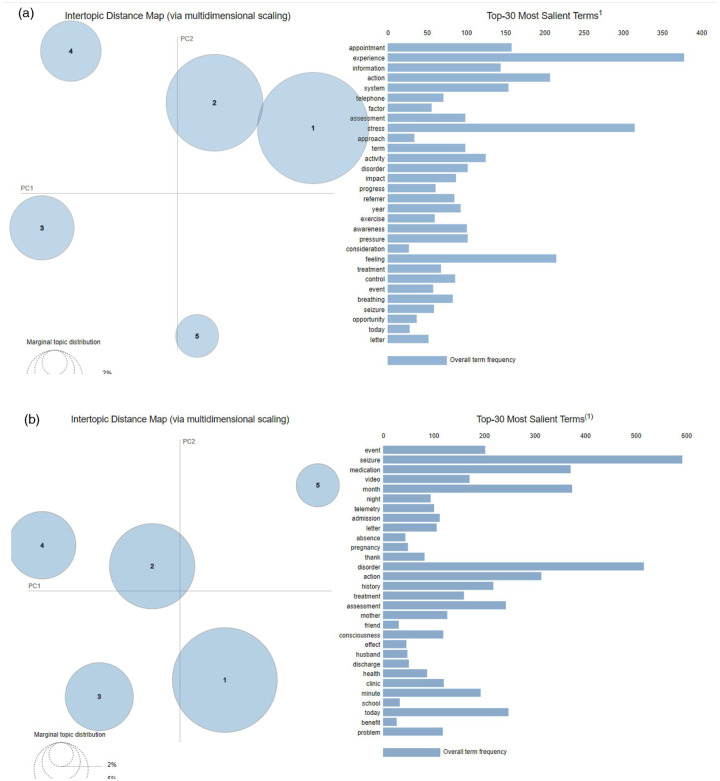 Figure 3
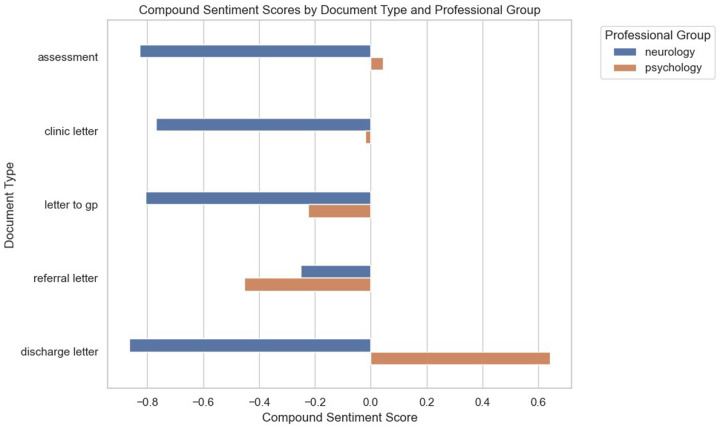 Figure 4
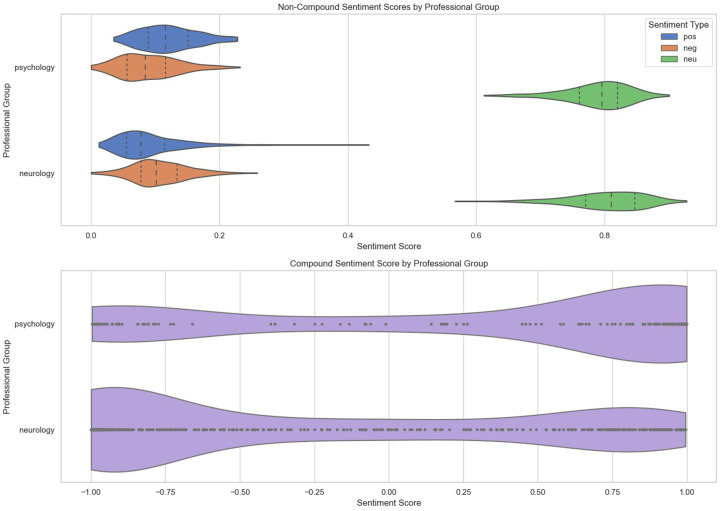 Figure 5
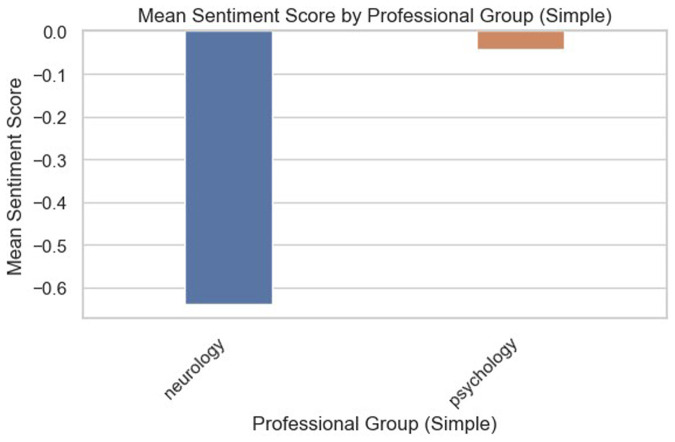 Figure 6
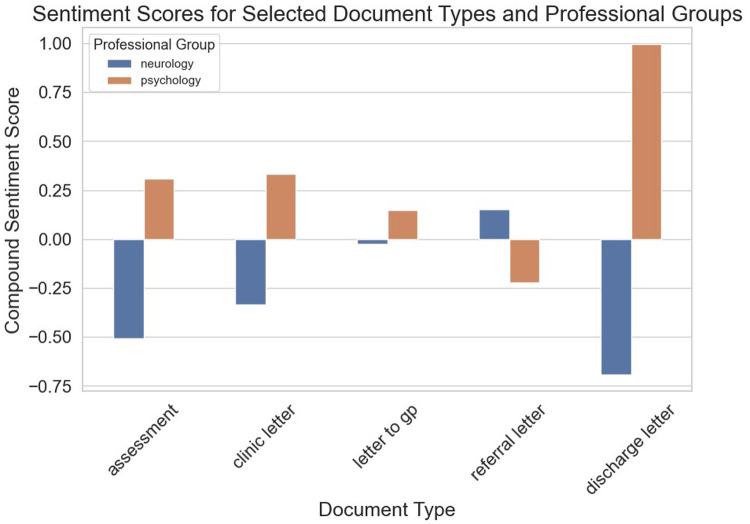 Figure 7
Peer Reviews
No public reviews on file for this paper yet. If you reviewed it on a platform where reviews are public (OpenReview, ICLR, NeurIPS, ICML), you can paste yours below so the community can read it here.
Videos
No videos yet. Explain this paper in a talk, walkthrough, or lecture? Add one.
Taxonomy
TopicsPsychosomatic Disorders and Their Treatments · Patient-Provider Communication in Healthcare · Clinical Reasoning and Diagnostic Skills