Transcriptome and metabolite profiles reveal differential molecular responses of wild and cultivated amaranth species to water deficit and salt stress
Ana P. Barba de la Rosa, Jose Cetz, Esaú Bojórquez-Velázquez, José P. Martínez, Antonio De León-Rodríguez, Eduardo Espitia-Rangel, Alfredo Herrera-Estrella

TL;DR
This study compares how wild and cultivated amaranth species respond to drought and salt stress at the molecular level, revealing differences in gene expression and metabolism.
Contribution
The study identifies distinct transcriptomic and metabolomic responses in wild and cultivated amaranth under abiotic stress.
Findings
A. hybridus shows constitutive salinity tolerance linked to phosphonate and steroid metabolism.
A. hypochondriacus responds to salt stress with increased ABC transporters and metabolism of sugars and amino acids.
Both species adjust cell wall and defense-related metabolism under stress.
Abstract
A. hybridus tolerance to salinity depends on constitutively active mechanisms, whereas A. hypochondriacus tolerance to salt and water deficit depends on a constitutive protection and a robust transcriptional response. Drought and soil salinity are two environmental factors that significantly affect crop production. To gain a better understanding of how amaranth responds to these abiotic stresses, we analyzed the transcriptomic and metabolomic changes in the leaves of Amaranthus hybridus, a wild species, and A. hypochondriacus, a cultivated species used for seed production. We identified differentially expressed genes (DEGs) between the two species and under different stress conditions. Control plants of A. hypochondriacus exhibited higher expression levels of genes associated with photosynthesis, amino acid metabolism, fatty acid metabolism, sulfur metabolism, thiamine metabolism, and…
Genes, proteins, chemicals, diseases, species, mutations and cell lines named across the full text — each resolved to its canonical identifier and authoritative record.
Click any figure to enlarge with its caption.
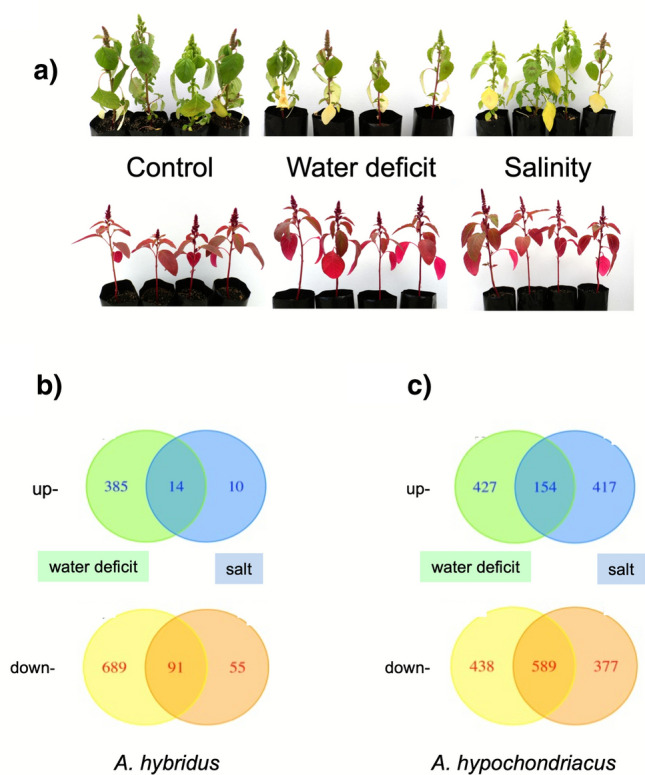 Figure 1
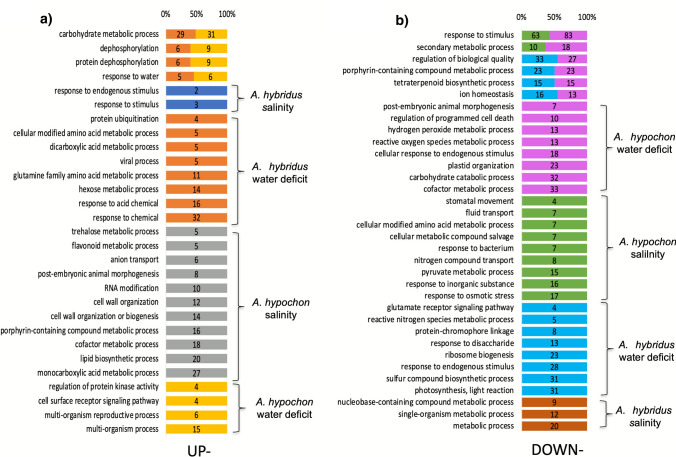 Figure 2
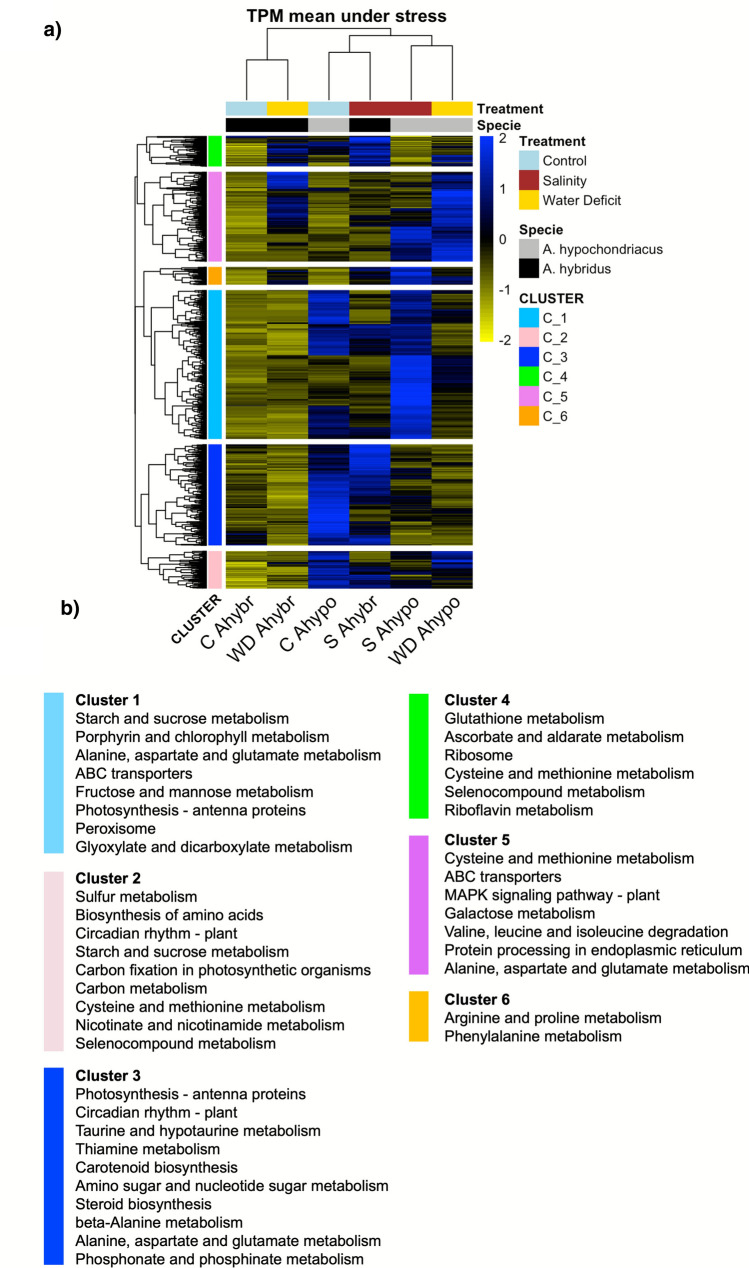 Figure 3
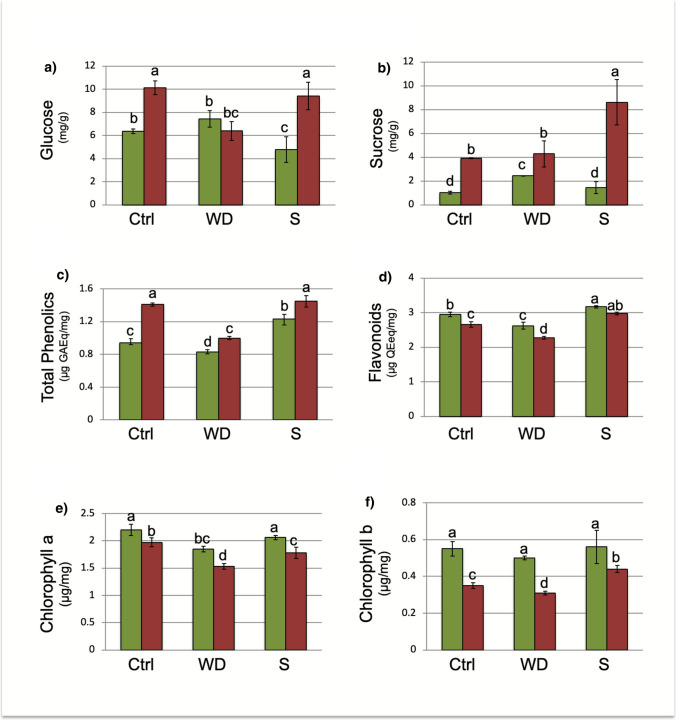 Figure 4
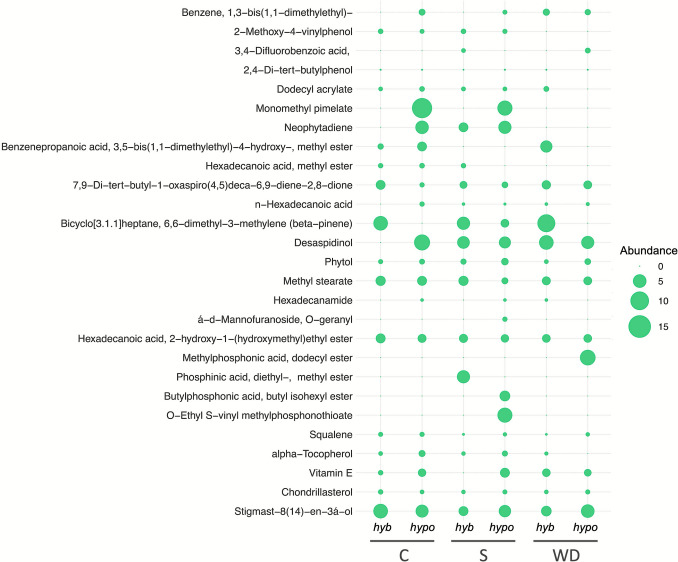 Figure 5
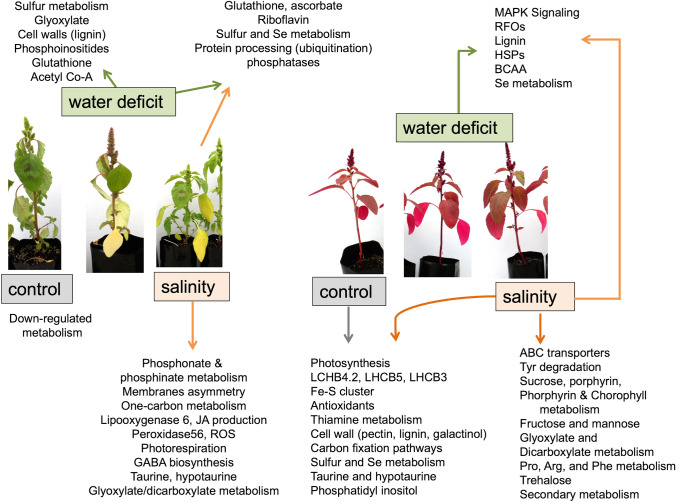 Figure 6
Peer Reviews
No public reviews on file for this paper yet. If you reviewed it on a platform where reviews are public (OpenReview, ICLR, NeurIPS, ICML), you can paste yours below so the community can read it here.
Videos
No videos yet. Explain this paper in a talk, walkthrough, or lecture? Add one.
Taxonomy
TopicsSeed and Plant Biochemistry · Plant Stress Responses and Tolerance · Allelopathy and phytotoxic interactions