Temozolomide increases the generation of cell heterogeneity in ERK activity in glioma cells
Karine Rech Begnini, Julia Caroline Marcolin, Luiza Cherobini Pereira, Letícia Cunha Pereira de Souza, Frederico Kraemer-Mattos, Daphne Tórgo, Carolina Machemer, Georgia da Silva Goulart, Andrew Oliveira Silva, Jephesson Alex Floriano dos Santos, Guido Lenz

TL;DR
This study shows that the chemotherapy drug temozolomide increases ERK activity variability in glioblastoma cells, which affects their survival and response to treatment.
Contribution
The study reveals that temozolomide induces ERK heterogeneity in clonal glioblastoma populations, impacting therapy outcomes.
Findings
ERK activity in glioblastoma cells is highly variable under normal conditions.
Temozolomide increases ERK heterogeneity even in clonal cell populations.
Reducing ERK heterogeneity with trametinib improves treatment effectiveness.
Abstract
ERK activity governs diverse cellular responses and has significant implications in cancer biology and treatment. Cellular heterogeneity is a major feature of cancer and a barrier for therapy success, allowing cancer cells to adapt and survive in challenging environments. Here, we used a genetic live-cell reporter to explore the heterogeneity of ERK signaling activity within cellular populations and colonies of glioblastoma (GB) cells. GB cells showed a wide spectrum of ERK activation levels in basal culture conditions and throughout state transitions. Treatment with the chemotherapeutic agent temozolomide increased the phenotypic heterogeneity in ERK activity within cells even in clonal populations. Using the MEK inhibitor trametinib in combination with temozolomide to homogenize ERK activity reduced cell fitness in colonies and decreased fractional killing in GB clonal cells. Our…
Genes, proteins, chemicals, diseases, species, mutations and cell lines named across the full text — each resolved to its canonical identifier and authoritative record.
Click any figure to enlarge with its caption.
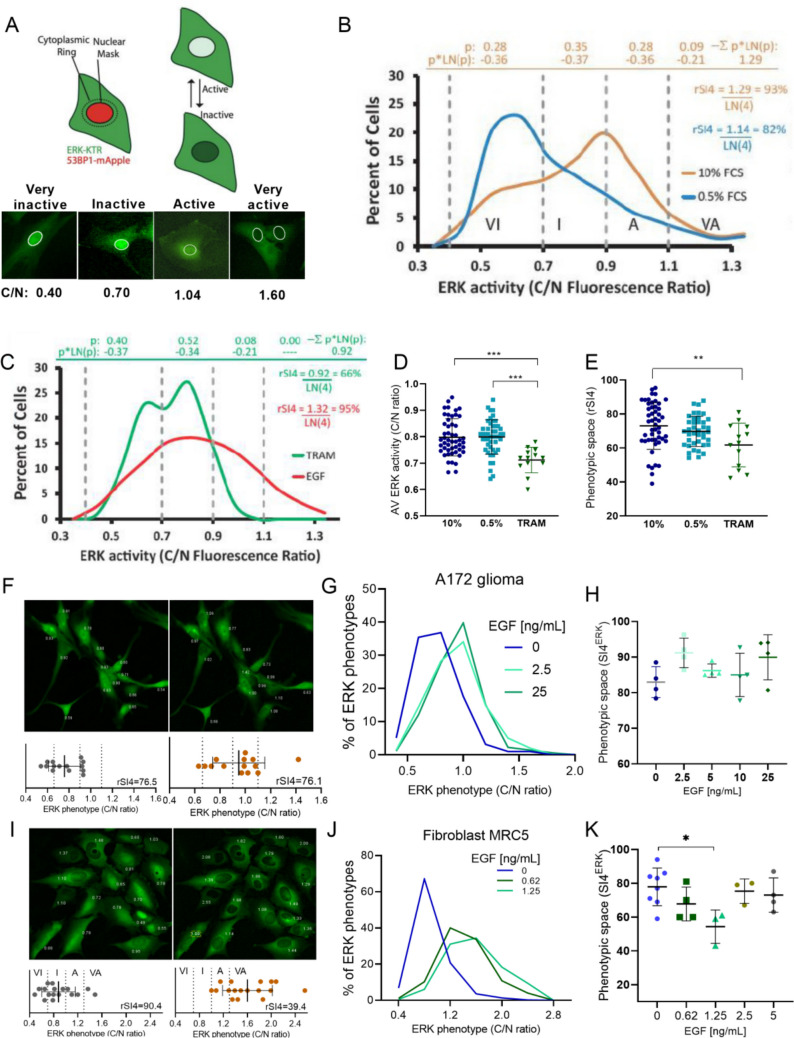 Figure 1
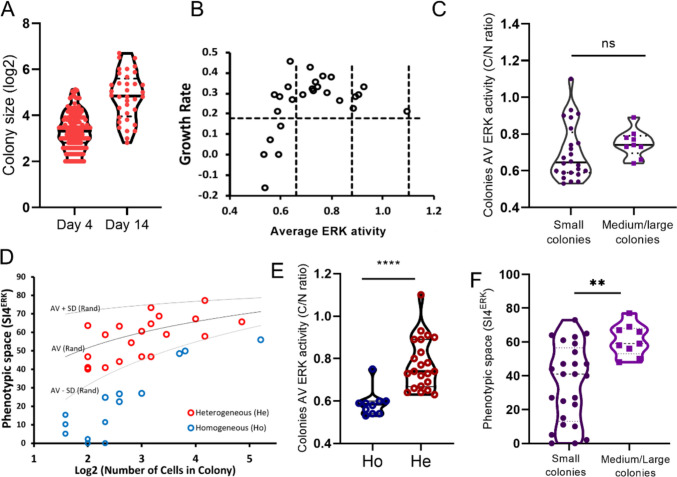 Figure 2
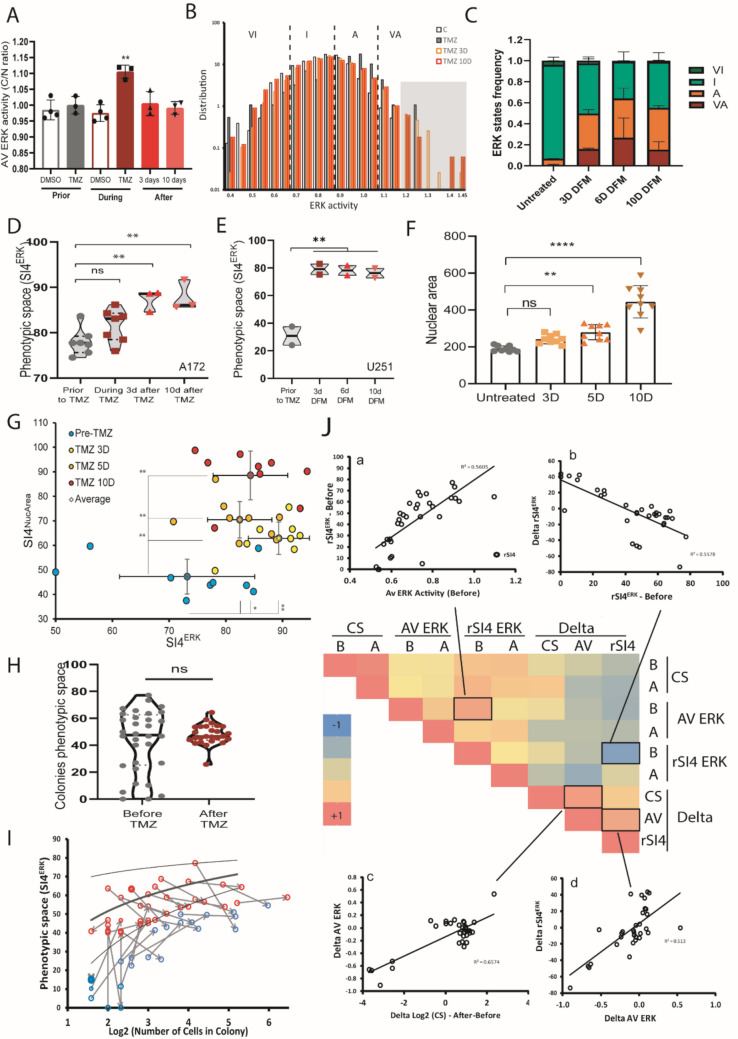 Figure 3
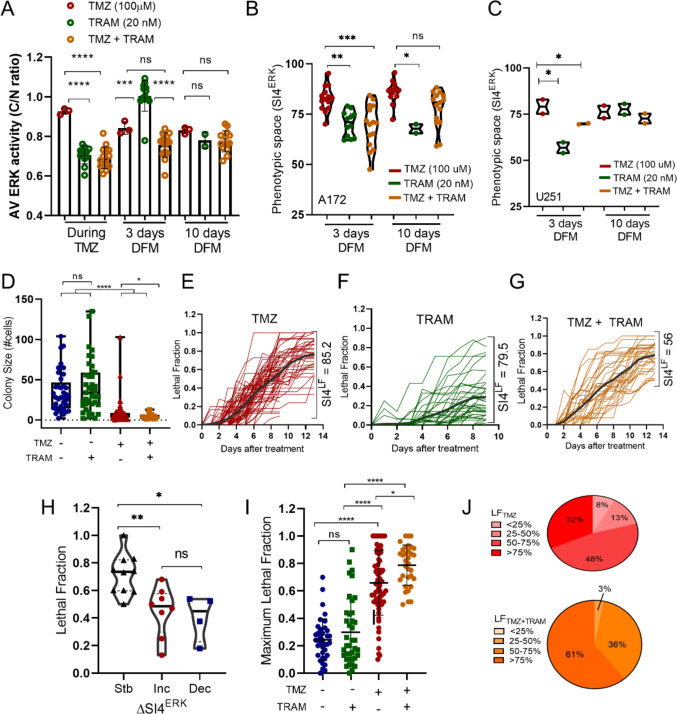 Figure 4
Peer Reviews
No public reviews on file for this paper yet. If you reviewed it on a platform where reviews are public (OpenReview, ICLR, NeurIPS, ICML), you can paste yours below so the community can read it here.
Videos
No videos yet. Explain this paper in a talk, walkthrough, or lecture? Add one.
Taxonomy
TopicsMelanoma and MAPK Pathways · Glioma Diagnosis and Treatment · Protein Degradation and Inhibitors