Bioelectrical Impedance Analysis and How it Correlates to Intracardiac Hemodynamics in Patients with Congenital Heart Disease
David A. Katz, Zhiqian Gao, Hannah Cope, Sarosh P. Batlivala, Clifford Chin, Alexander R. Opotowsky, Adam W. Powell

TL;DR
This study shows that bioelectrical impedance analysis can noninvasively estimate heart function in patients with congenital heart disease.
Contribution
The study establishes a correlation between BIA's edema index and invasive hemodynamic measurements in congenital heart disease patients.
Findings
EI, BMI, and Fontan circulation were significant predictors of pulmonary capillary wedge pressure.
Higher EI values correlated with significantly higher PCWP, with an AUC of 0.76.
BIA measurements remained stable before and after catheterization, showing minimal change.
Abstract
Bioelectrical impedance analysis (BIA) is a noninvasive tool that can estimate volume status using fluid compartment ratios. Previous studies have demonstrated that BIA can be used to help manage heart failure using the edema index (EI), which is the ratio of extracellular water (ECW) to total body water (TBW). This study set out to better define the relationship between BIA fluid compartment estimations and invasive hemodynamic measurements, in the context of pediatric and congenital heart disease. 52 individuals underwent 59 elective catheterizations and BIA. Data from the BIAs were compared with the hemodynamic catheterization data. The median age at the time of catheterization was 16.6 [13.5, 19.6] years (63% < 18 years-old), and 29% were female. In multivariable analysis, EI (β = 103.5 ± 47.9, p = 0.04), body mass index (BMI) (β = 0.16 ± 0.07, p = 0.02), and current Fontan…
Genes, proteins, chemicals, diseases, species, mutations and cell lines named across the full text — each resolved to its canonical identifier and authoritative record.
Click any figure to enlarge with its caption.
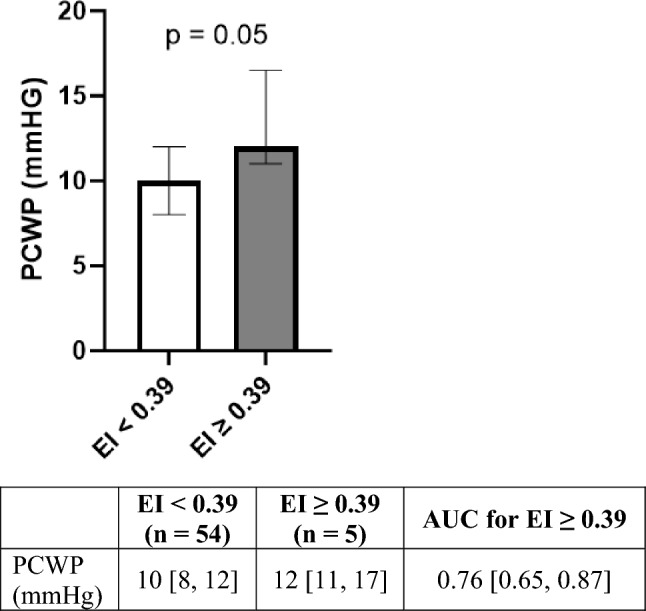 Figure 1
Peer Reviews
No public reviews on file for this paper yet. If you reviewed it on a platform where reviews are public (OpenReview, ICLR, NeurIPS, ICML), you can paste yours below so the community can read it here.
Videos
No videos yet. Explain this paper in a talk, walkthrough, or lecture? Add one.
Taxonomy
TopicsBody Composition Measurement Techniques · Hemodynamic Monitoring and Therapy · Electrical and Bioimpedance Tomography