Unveiling phytoconstituents and the anti-inflammatory potential of Crassula tetragona L. in ulcerative colitis: A focus on the PPARγ/SIRT1 axis
Mona A. Raslan, Rehab F. Abdel-Rahman, Hany M. Fayed, Marawan A. Elbaset, Rehab F. Taher

TL;DR
This study explores the anti-inflammatory effects of Crassula tetragona in ulcerative colitis, showing it reduces inflammation and tissue damage through the PPARγ/SIRT1 pathway.
Contribution
The study identifies novel phytoconstituents in C. tetragona and demonstrates its therapeutic potential for ulcerative colitis via the PPARγ/SIRT1 axis.
Findings
C. tetragona extracts reduced inflammation and tissue damage in a rat model of ulcerative colitis.
The extracts upregulated SIRT1 and PPARγ, suggesting a mechanism for their anti-inflammatory effects.
CT2 had higher phenolic content and contained compounds like naringenin, gallic acid, and quercetin.
Abstract
Crassula species are traditionally used and possess anti-inflammatory properties, but Crassula tetragona L. remains largely unexplored. This study intended to characterize C. tetragona aerial parts’ phytoconstituents and assess its anti-ulcerative potential via the PPARγ/SIRT1 pathway. Aerial parts of C. tetragona were extracted using n-hexane (CT1) and 70% aqueous methanol (CT2). Phytoconstituents were profiled by HPLC–ESI–MS/MS (negative ion mode), and phenolics were quantified by MRM-LC–ESI–MS/MS. Column chromatography and NMR were used to separate and identify the compounds. Ulcerative colitis (UC) was induced in rats by intrarectal acetic acid (AA). Animals were assigned into six groups: control group: orally received vehicle for 7 days, UC control group: orally received vehicle for 7 days, and a rectal infusion of 2 mL AA (4% v/v in saline) on the 8th day, 4 treated groups:…
Genes, proteins, chemicals, diseases, species, mutations and cell lines named across the full text — each resolved to its canonical identifier and authoritative record.
Click any figure to enlarge with its caption.
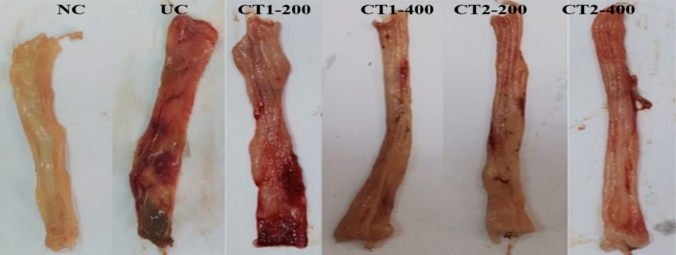 Figure 1
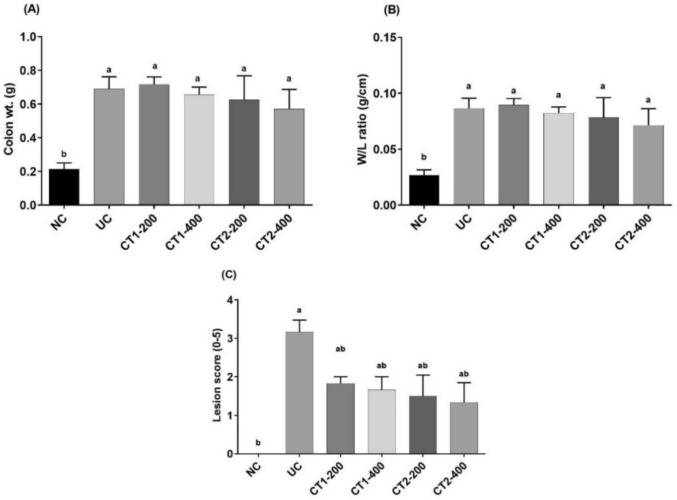 Figure 2
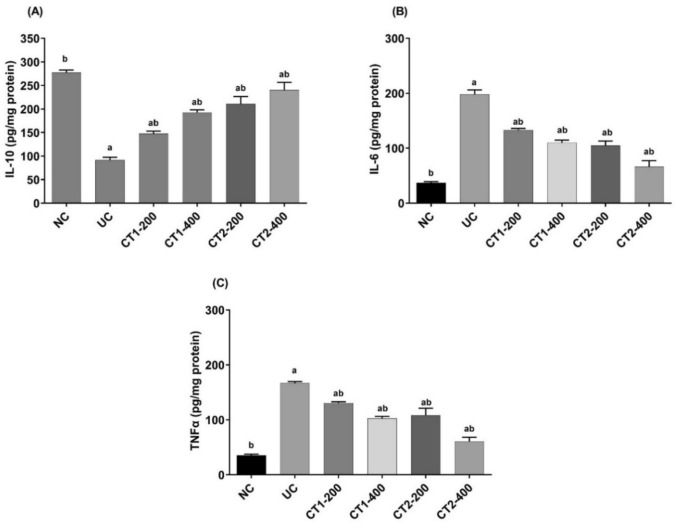 Figure 3
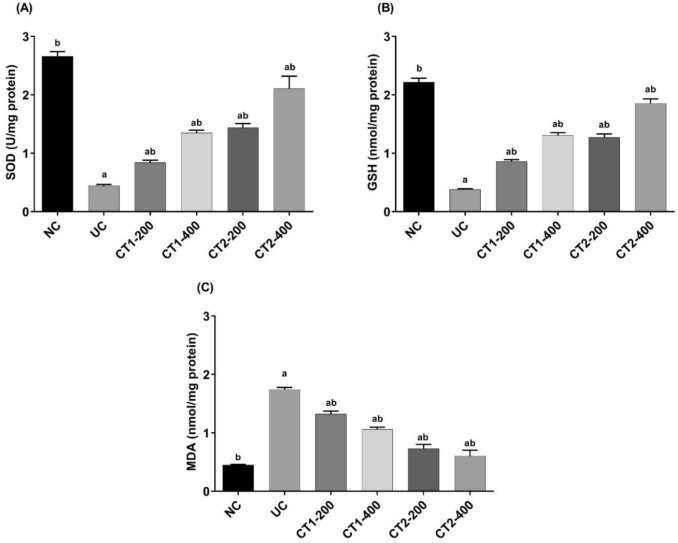 Figure 4
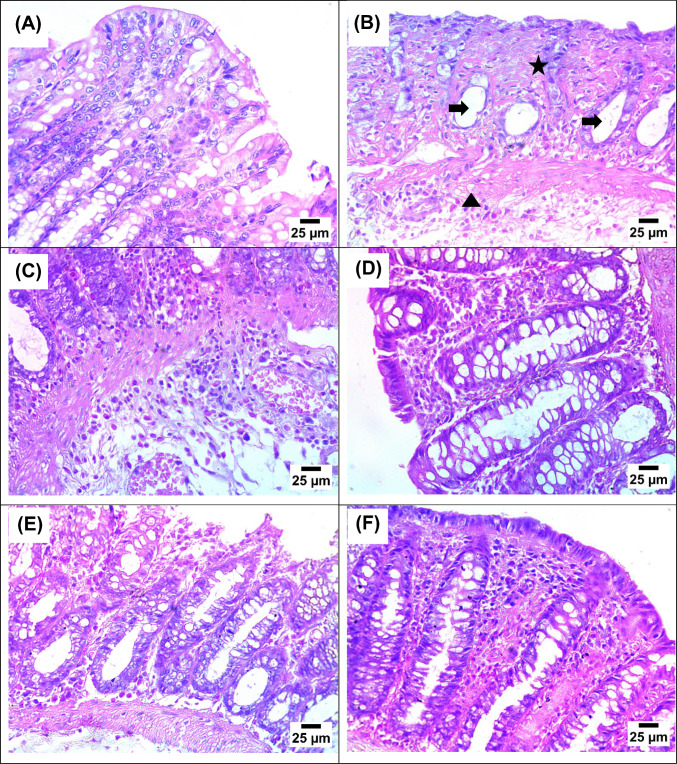 Figure 5
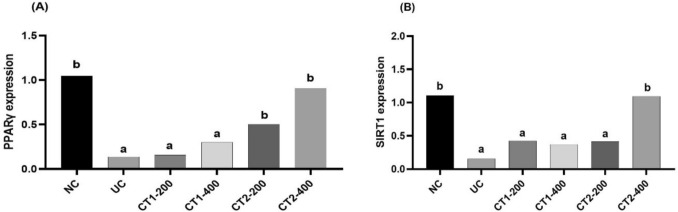 Figure 6
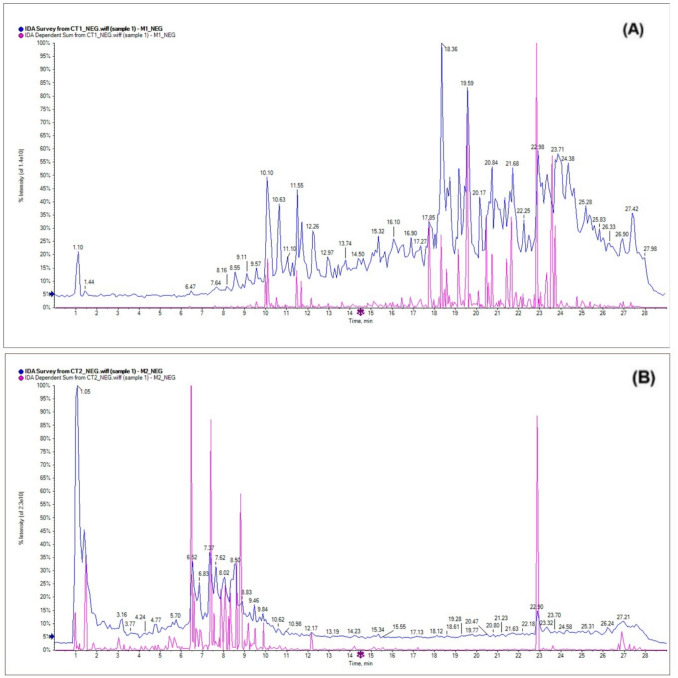 Figure 7
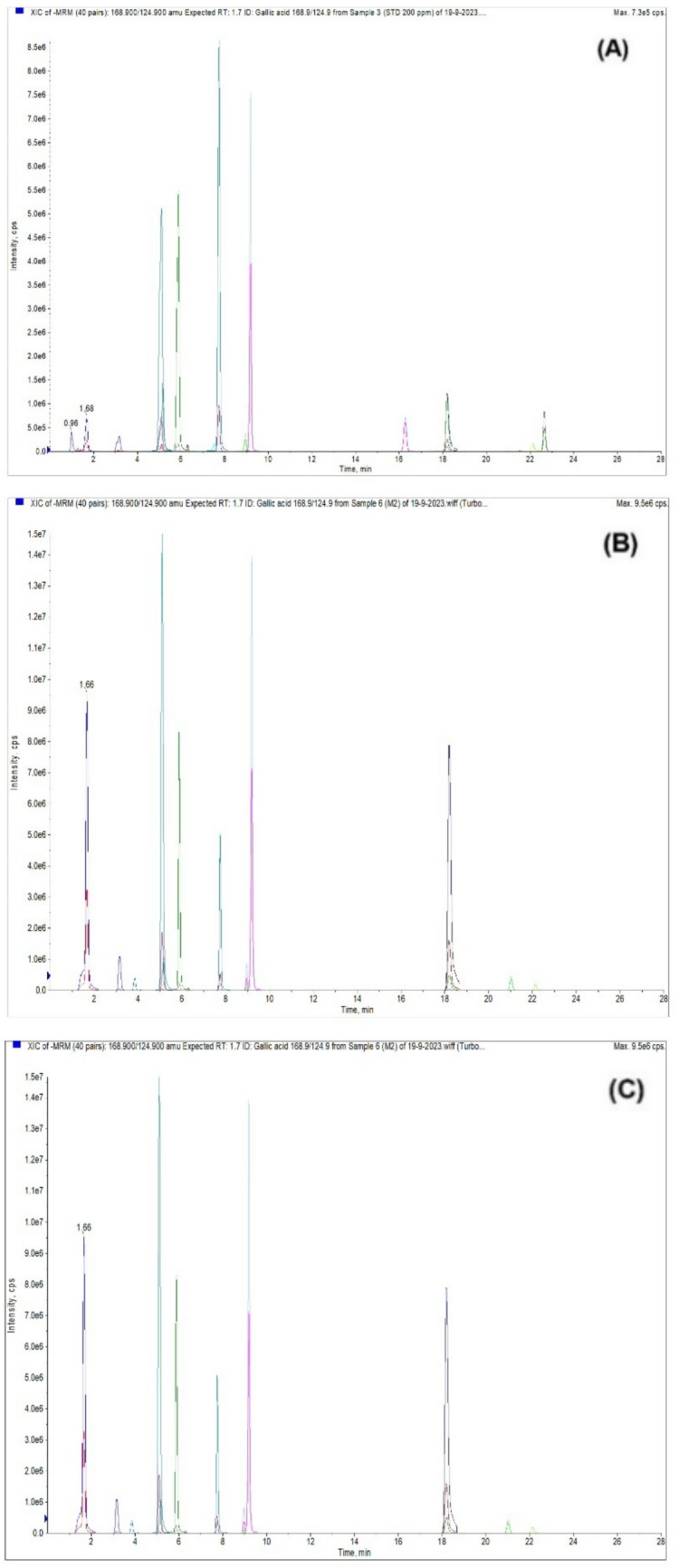 Figure 8
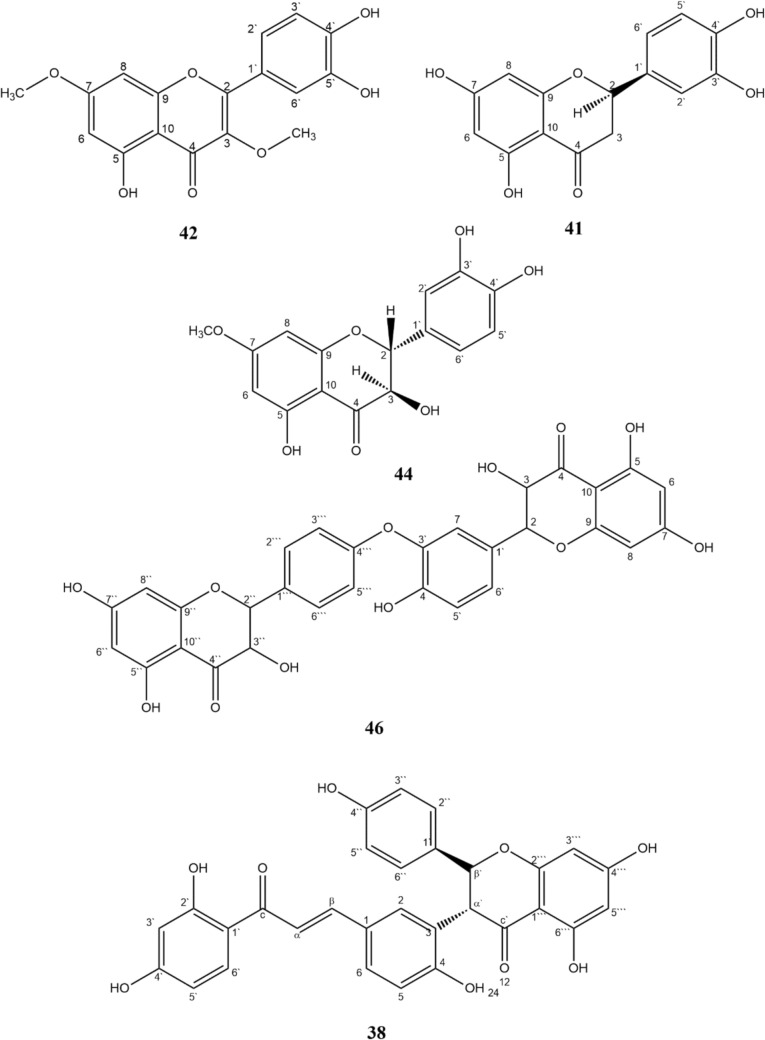 Figure 9
Peer Reviews
No public reviews on file for this paper yet. If you reviewed it on a platform where reviews are public (OpenReview, ICLR, NeurIPS, ICML), you can paste yours below so the community can read it here.
Videos
No videos yet. Explain this paper in a talk, walkthrough, or lecture? Add one.
Taxonomy
TopicsSirtuins and Resveratrol in Medicine · Inflammatory Bowel Disease · Flavonoids in Medical Research