Prediction-based attention computing: a proof of concept study
T. Arthur, D. Borg, Y. Wang, D. Harris, S. Vine, G. Buckingham, M. Wilson, M. Brosnan

TL;DR
This study introduces a new adaptive XR system that adjusts simulations based on users' brain predictions, showing it can influence sensorimotor responses and surprise reactions.
Contribution
The paper introduces prediction-based attention computing (PbAC), a novel adaptive XR framework that modulates simulations based on users' internal state predictions.
Findings
Sensorimotor responses were influenced by the expectedness of XR stimuli in PbAC conditions.
PbAC elicited surprisal responses comparable to or greater than control conditions when high prediction errors were induced.
Abstract
Recent advancements in extended reality (XR) and data modelling present new opportunities for adaptive simulation solutions, which can measure and respond to individual neuropsychological states. However, questions remain about the optimal metrics for real-time data capture and the applicability of these solutions for enhancing user experiences. The present research examined a novel form of adaptive XR, called “prediction-based attention computing” (PbAC), which tailors simulations based on computational models of the brain and, thus, the dynamic sensorimotor processes theorised to underpin human perception and learning. Specifically, this study aimed to demonstrate whether PbAC can adaptively capture users’ internal state predictions and modulate associated neuropsychological responses. To test this, we used an XR-based racquetball paradigm, in which participants were tasked with…
Genes, proteins, chemicals, diseases, species, mutations and cell lines named across the full text — each resolved to its canonical identifier and authoritative record.
Click any figure to enlarge with its caption.
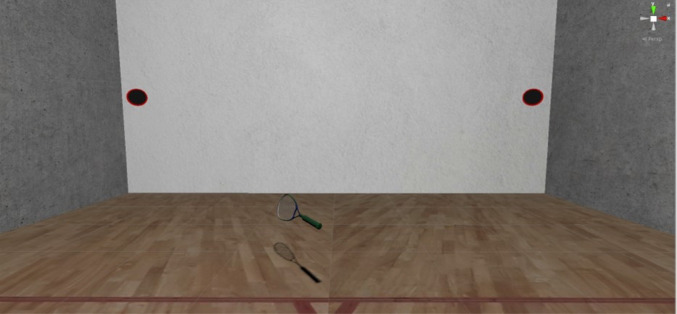 Figure 1
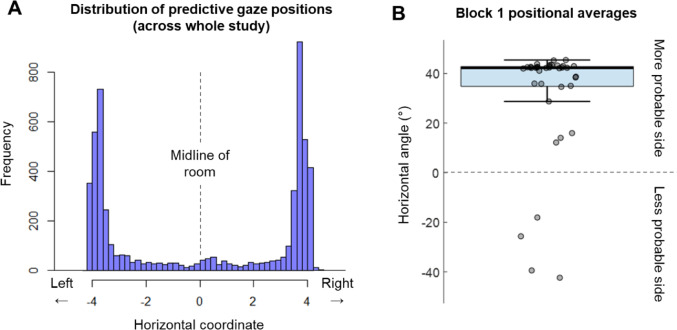 Figure 2
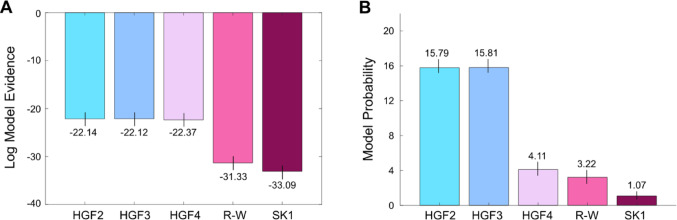 Figure 3
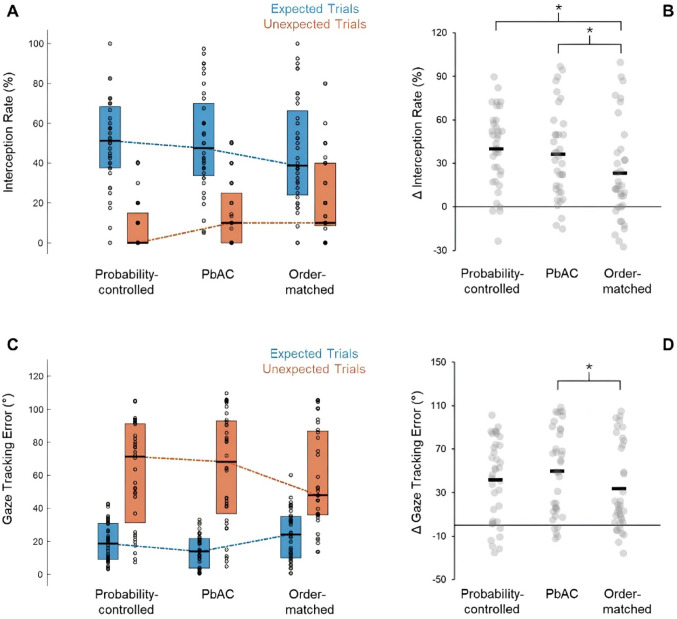 Figure 4
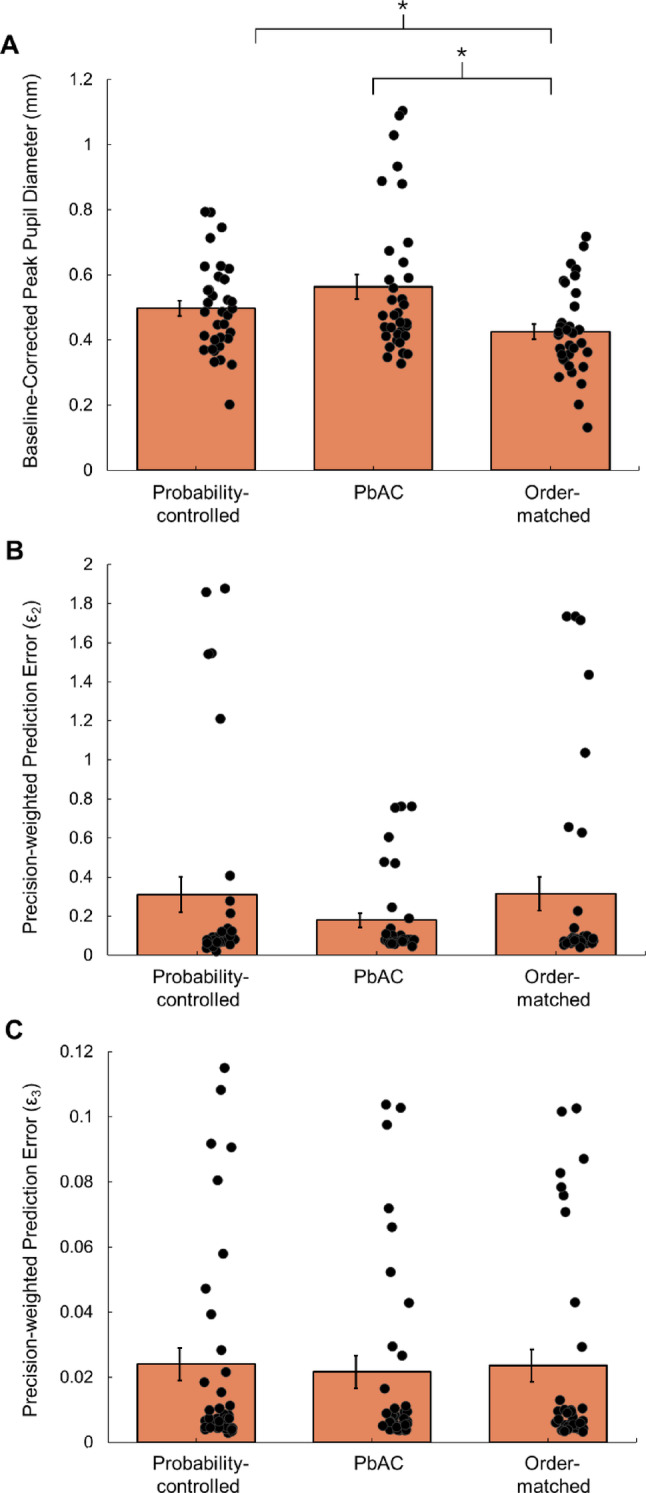 Figure 5
Peer Reviews
No public reviews on file for this paper yet. If you reviewed it on a platform where reviews are public (OpenReview, ICLR, NeurIPS, ICML), you can paste yours below so the community can read it here.
Videos
No videos yet. Explain this paper in a talk, walkthrough, or lecture? Add one.
Taxonomy
TopicsBig Data and Digital Economy · Visual Attention and Saliency Detection · EEG and Brain-Computer Interfaces