Robust Inverse Reconstruction of Time-Varying Transmission Rates Across Model Structures and Incidence Forms
Xiunan Wang, Hao Wang

TL;DR
This paper shows that estimates of changing transmission rates are reliable even when using different disease models and assumptions about how diseases spread.
Contribution
The study demonstrates robustness of inverse transmission rate reconstructions across various model structures and incidence forms.
Findings
Transmission rate reconstructions for influenza show consistent timing and amplitude shifts across models.
Measles transmission rates under saturated incidence preserve the rise-and-fall patterns seen with mass action.
Inverse reconstructions are robust to typical structural and incidence choices in disease modeling.
Abstract
Accurate, decision-ready estimates of time-varying transmission rates are critical, yet thought to be sensitive to model specification. We test this sensitivity by applying a continuous inverse method to weekly influenza and measles data, comparing reconstructions across eight common compartmental structures (SIS/SIR/SEIS/SEIR and vaccinated variants) and across five incidence forms (mass action vs. saturated). Timing and ordering of peaks and troughs in the transmission rates are highly consistent across influenza models, with amplitude shifts matching mechanistic expectations (attenuation with vaccination; smoothing with latent periods). For measles, we show that the transmission rates under saturated incidence preserve the rise-and-fall ordering observed under mass action and provide a sufficient condition ensuring matched monotonicity. These results indicate inverse transmission…
Genes, proteins, chemicals, diseases, species, mutations and cell lines named across the full text — each resolved to its canonical identifier and authoritative record.
Click any figure to enlarge with its caption.
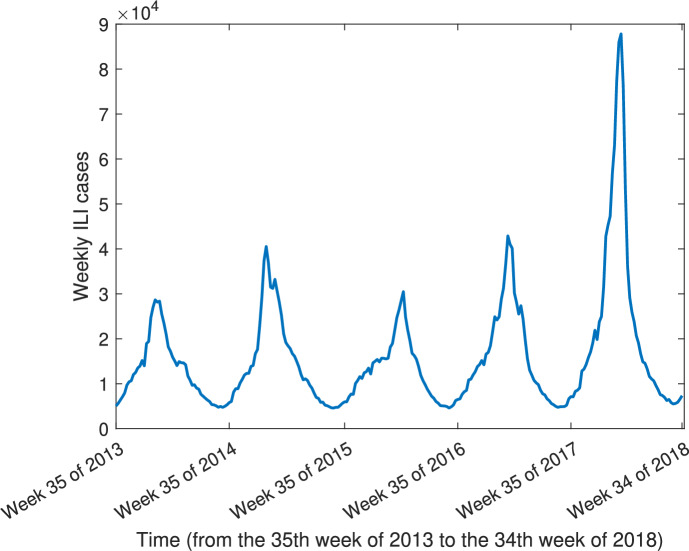 Figure 1
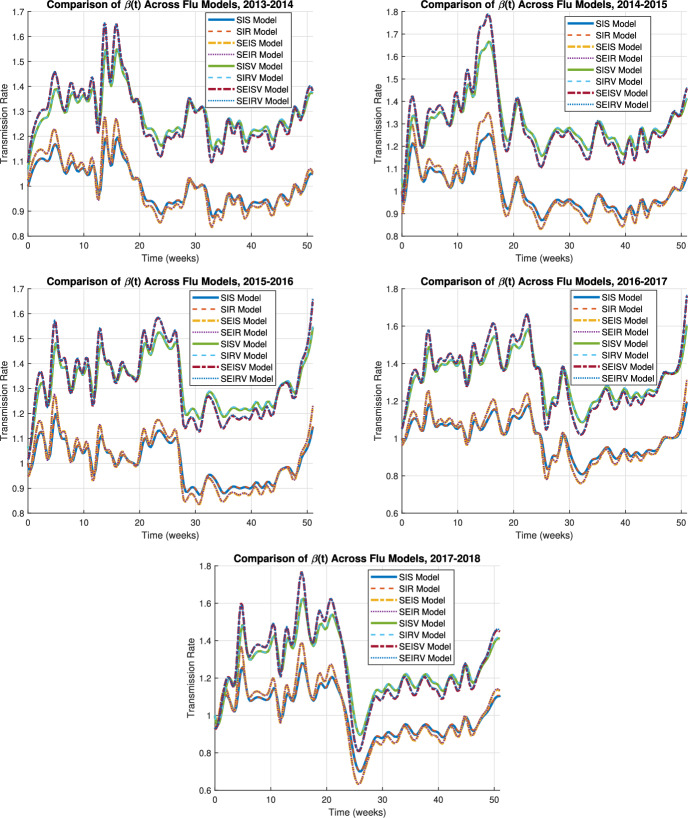 Figure 2
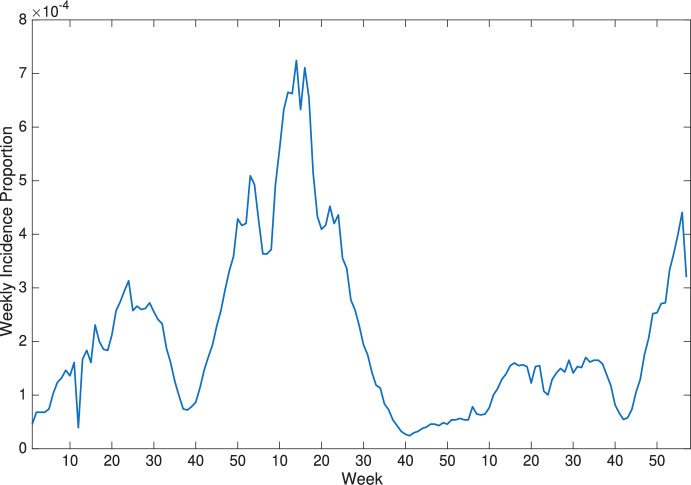 Figure 3
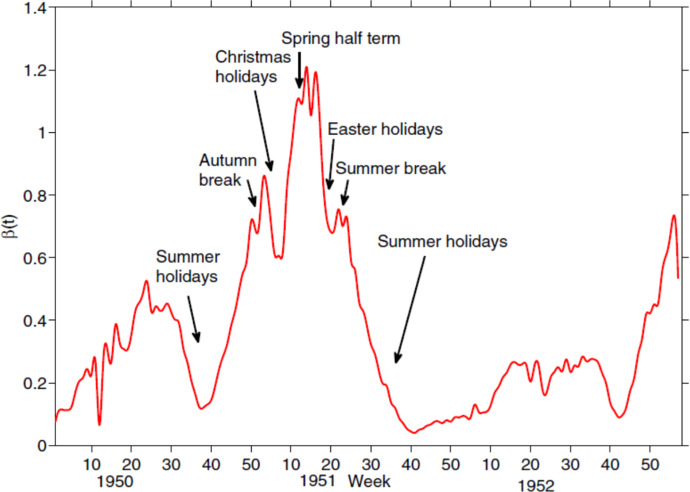 Figure 4
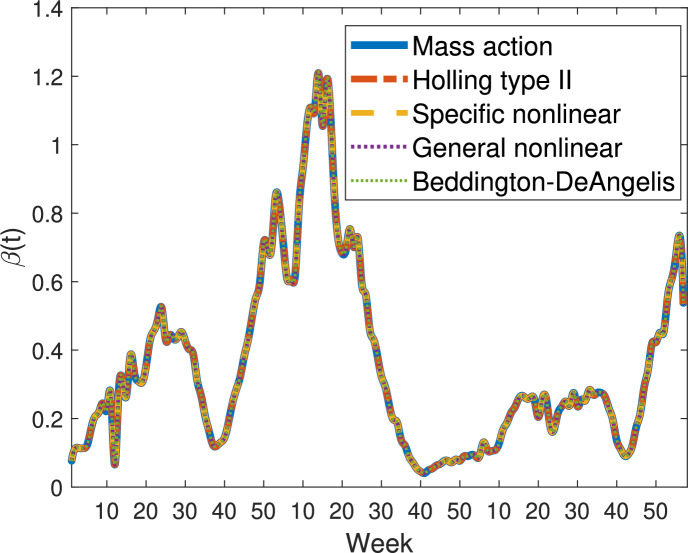 Figure 5
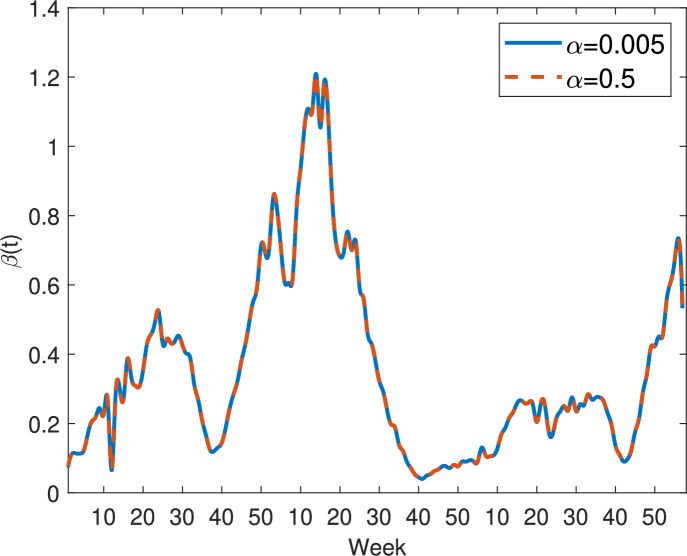 Figure 6
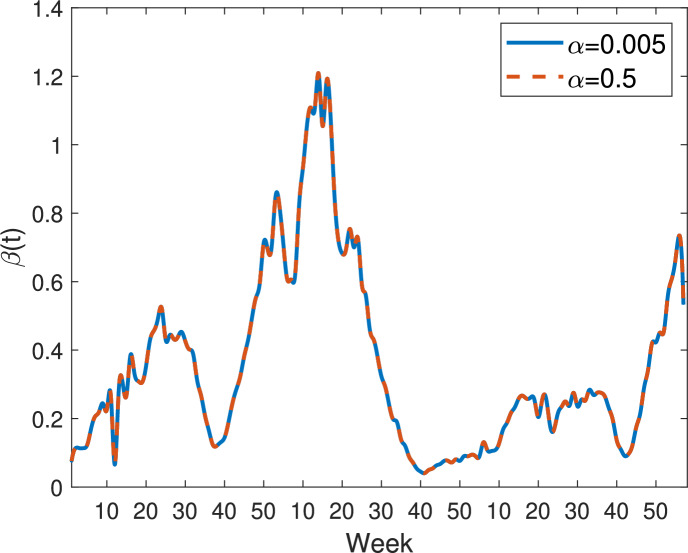 Figure 7
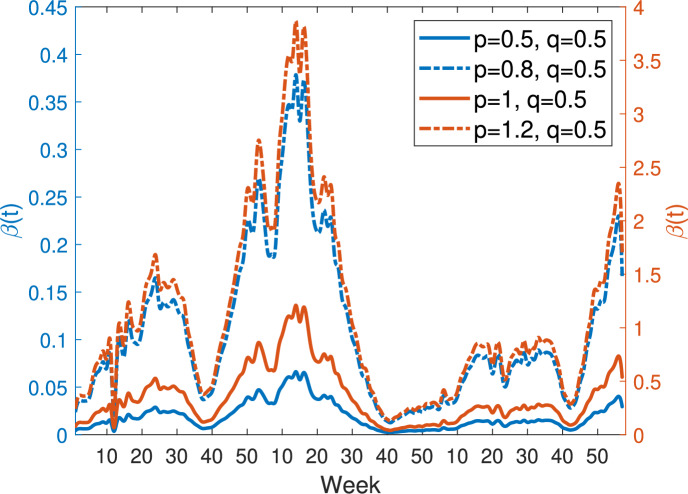 Figure 8
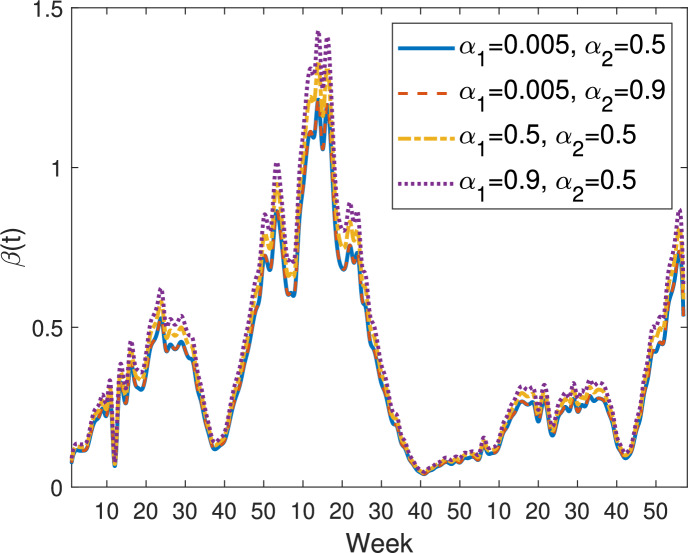 Figure 9
Peer Reviews
No public reviews on file for this paper yet. If you reviewed it on a platform where reviews are public (OpenReview, ICLR, NeurIPS, ICML), you can paste yours below so the community can read it here.
Videos
No videos yet. Explain this paper in a talk, walkthrough, or lecture? Add one.
Taxonomy
TopicsInfluenza Virus Research Studies · COVID-19 epidemiological studies · Data-Driven Disease Surveillance