Feasibility of a Multi-Laboratory Model of Middle Cerebral Artery Thromboembolic Stroke with Thrombolysis: TE-MCAo
Michelle Lin, Mozammel Bhuiyan, Carly McCurry, Jessica Lamb, Marcio A. Diniz, Karni Bedirian, Anil K. Chauhan, Abhishek Jha, Aditi Jain, Enrique C. Leira, Rakeshkumar Patel, Mohammad B. Khan, Pradip Kamat, David C. Hess, Krishnan Dhandapani, Huaxin Sheng, Sasha Zhang, Wei Yang

TL;DR
Researchers developed a multi-laboratory rodent model of stroke that mimics real blood clots and allows for clot-dissolving treatment, but it needs improvements to reduce animal deaths.
Contribution
A standardized, multi-laboratory thromboembolic stroke model with thrombolysis was developed and validated across six sites.
Findings
The model achieved reproducible occlusion and thrombolysis across six laboratories.
Stored donor blood performed as well as freshly drawn blood for thrombus preparation.
Mortality was 24% in rats receiving embolus, with stroke volume averaging 13% of the hemisphere.
Abstract
No single animal stroke model satisfies all needs of translational stroke investigation. While the nylon filament model is widely accepted in preclinical translational stroke research, thromboembolic models have more physiological relevance. Thromboembolic models are technically difficult, time consuming, and show variable results, making them problematic for multi-laboratory preclinical network use. We sought to develop and validate a multi-laboratory thromboembolic middle cerebral artery occlusion model that encompasses vessel occlusion and subsequent thrombolysis. To reduce the numbers of donor animals used, we developed a method to store donor blood for later use. Using prefabricated microcatheters, we simplified thrombus preparation and handling. Emboli were prepared in microcatheters and injected directly into the middle cerebral artery from the internal carotid artery. For…
Genes, proteins, chemicals, diseases, species, mutations and cell lines named across the full text — each resolved to its canonical identifier and authoritative record.
Click any figure to enlarge with its caption.
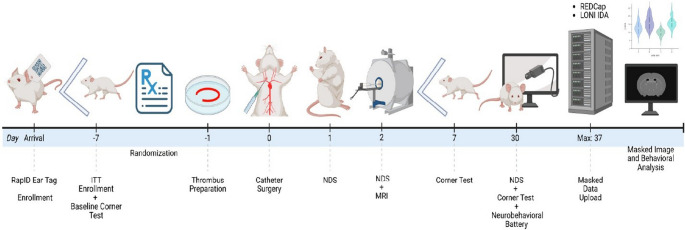 Figure 1
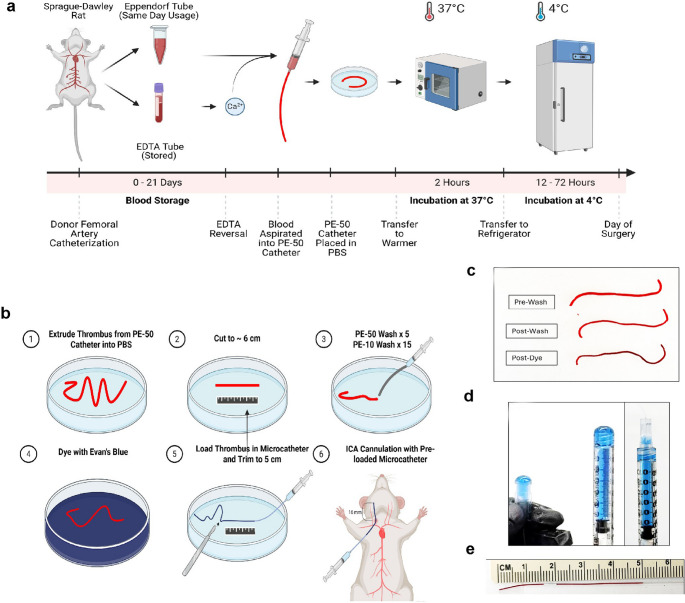 Figure 2
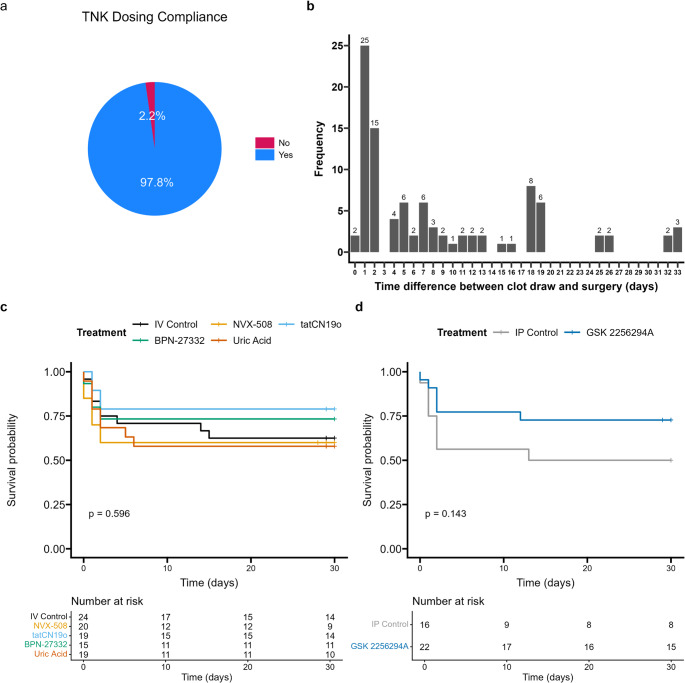 Figure 3
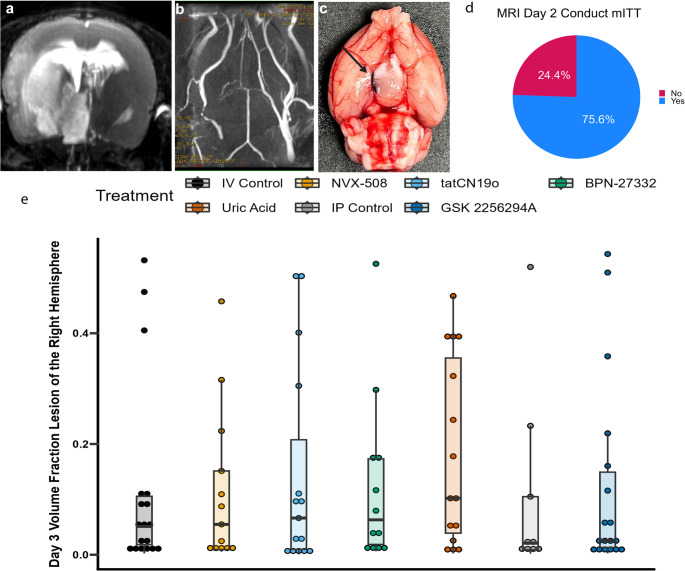 Figure 4
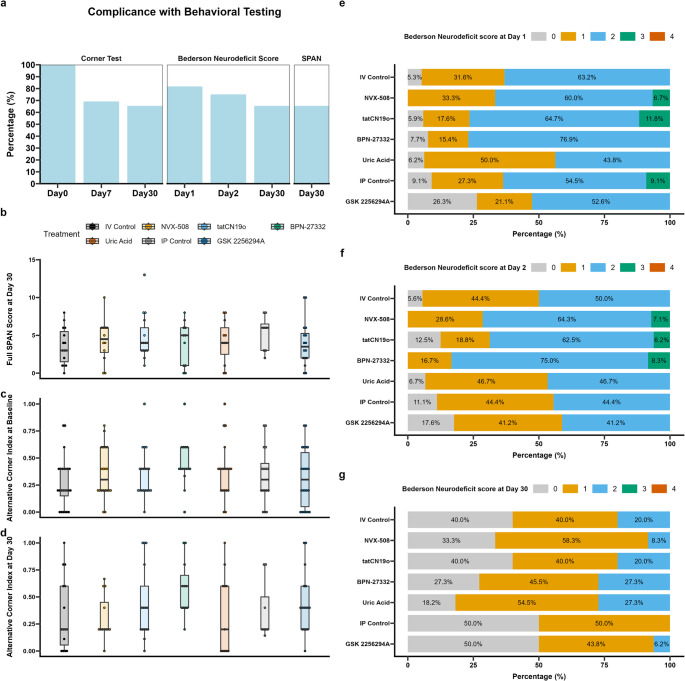 Figure 5
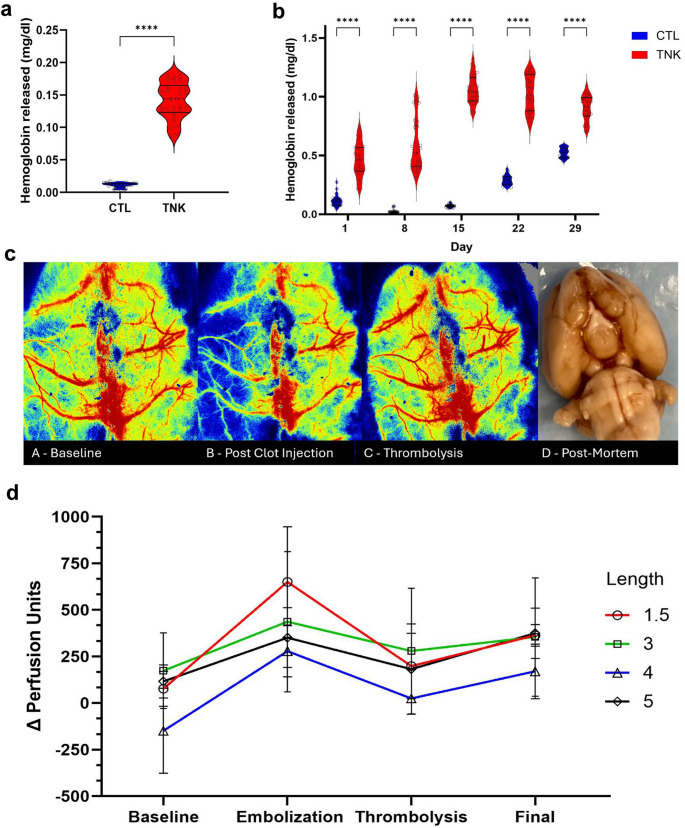 Figure 6
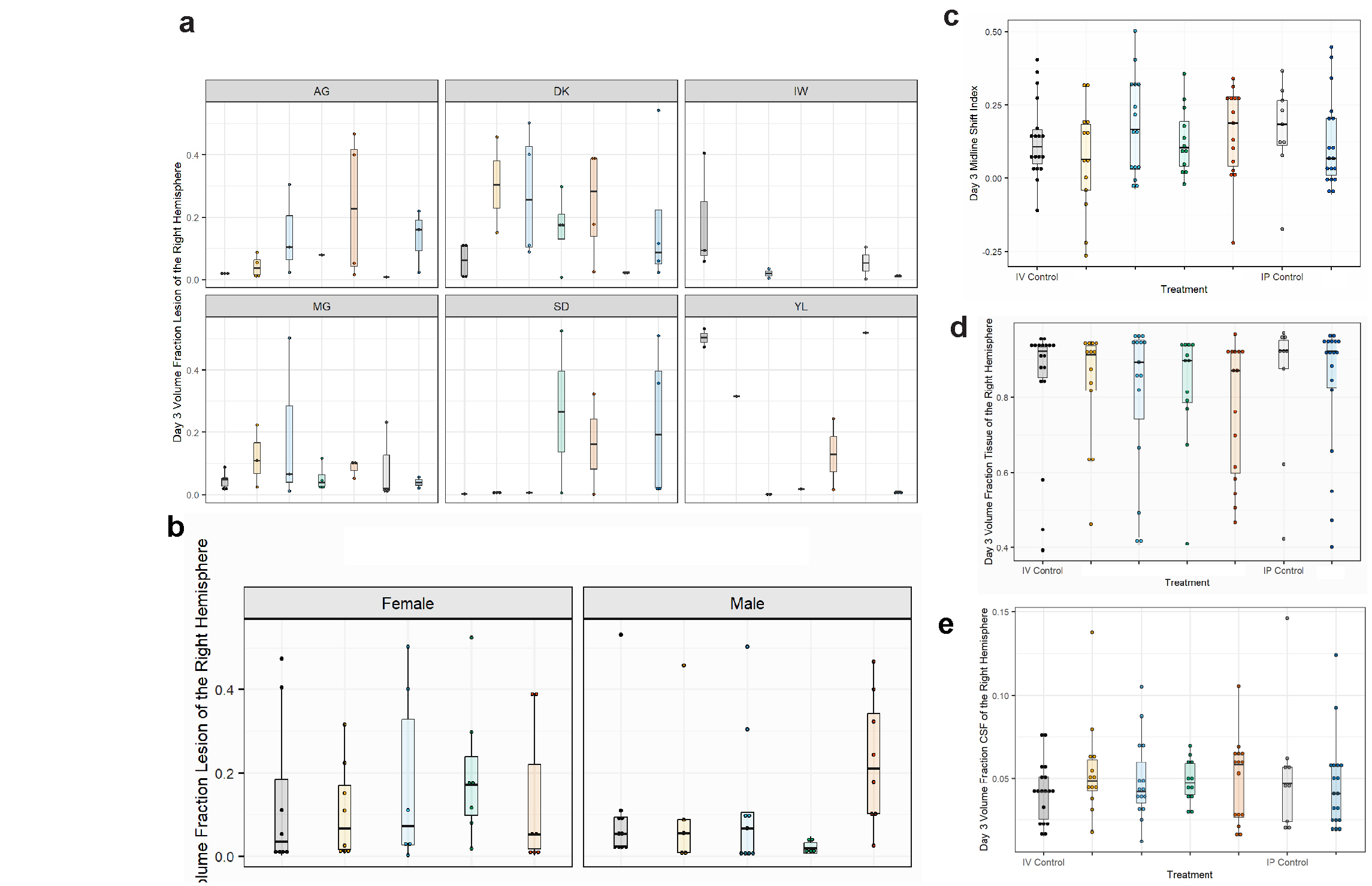 Figure 7
Peer Reviews
No public reviews on file for this paper yet. If you reviewed it on a platform where reviews are public (OpenReview, ICLR, NeurIPS, ICML), you can paste yours below so the community can read it here.
Videos
No videos yet. Explain this paper in a talk, walkthrough, or lecture? Add one.
Taxonomy
TopicsAcute Ischemic Stroke Management · Blood Coagulation and Thrombosis Mechanisms · Cerebrovascular and Carotid Artery Diseases