Renoprotective effects of human L-type fatty acid-binding protein (hL-FABP) in rhabdomyolysis-induced acute kidney injury
Kazuho Inoue, Seiko Hoshino, Keiichi Ohata, Takeshi Sugaya, Kenjiro Kimura, Yugo Shibagaki, Atsuko Kamijo-Ikemori

TL;DR
This study shows that human L-type fatty acid-binding protein in the kidneys can protect against acute kidney injury caused by muscle breakdown.
Contribution
The study demonstrates that hL-FABP mitigates rhabdomyolysis-induced AKI through antioxidative effects and inhibition of ferroptosis.
Findings
Tg-RM mice showed improved renal function and reduced tubulointerstitial damage compared to WT-RM mice by day 3.
hL-FABP suppressed lipid peroxidation and ferroptosis markers in Tg-RM mice.
Renal hL-FABP may prevent progression of RM-induced AKI through antioxidative effects.
Abstract
L-type fatty acid-binding protein (L-FABP) in proximal tubules is reported to reduce oxidative stress. This study investigated whether renal L-FABP mitigated rhabdomyolysis (RM)-induced acute kidney injury (AKI). Wild-type (WT) mice, which lack renal L-FABP expression, and human L-FABP (hL-FABP) chromosomal transgenic (Tg) mice, which express hL-FABP in proximal tubules, were divided into RM (WT-RM, Tg-RM) and control (WT-Cont, Tg-Cont) groups. RM was induced via intramuscular injection of 50% glycerol/PBS into the quadriceps, whereas controls received PBS alone. On day 1, the WT-RM and Tg-RM groups exhibited similar increases in serum myoglobin, renal dysfunction, heme oxygenase-1 expression, and tubulointerstitial damage. By day 3, the Tg-RM group demonstrated significant improvements in renal function, attenuation of tubulointerstitial damage, and decrease in macrophage infiltration…
Genes, proteins, chemicals, diseases, species, mutations and cell lines named across the full text — each resolved to its canonical identifier and authoritative record.
Click any figure to enlarge with its caption.
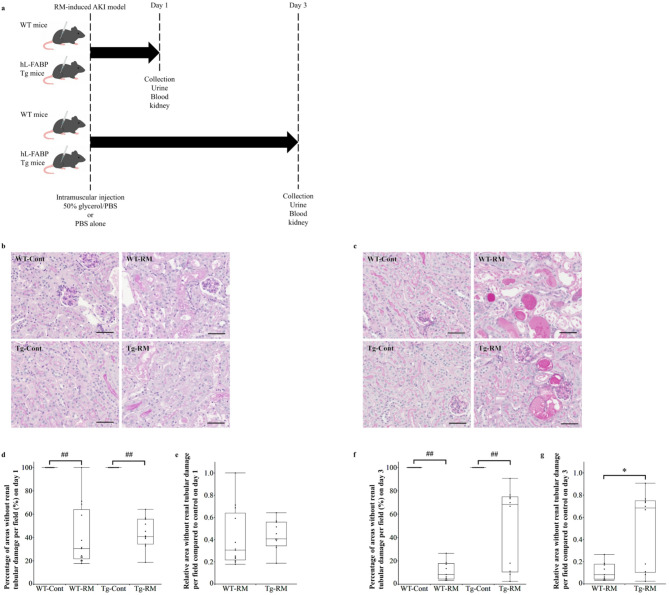 Figure 1
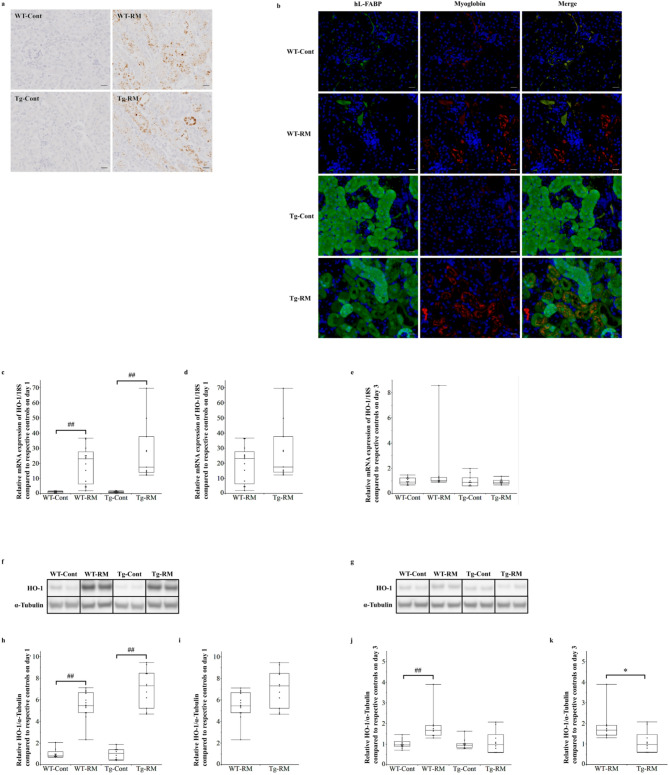 Figure 2
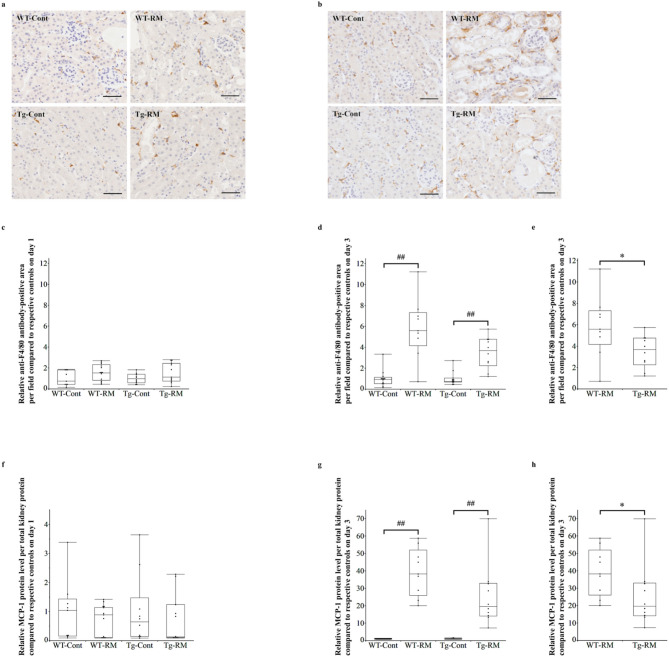 Figure 3
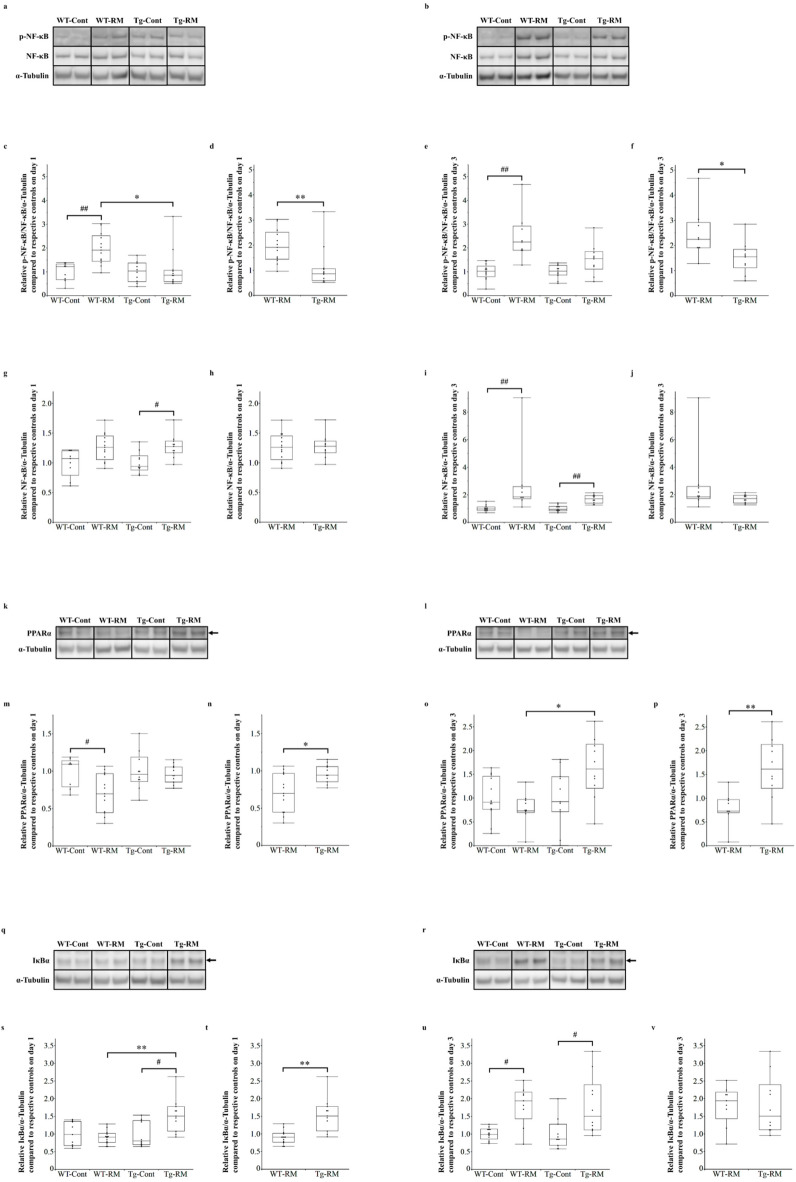 Figure 4
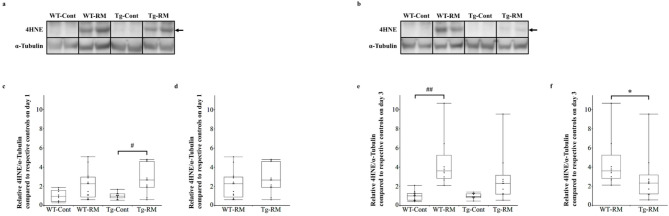 Figure 6
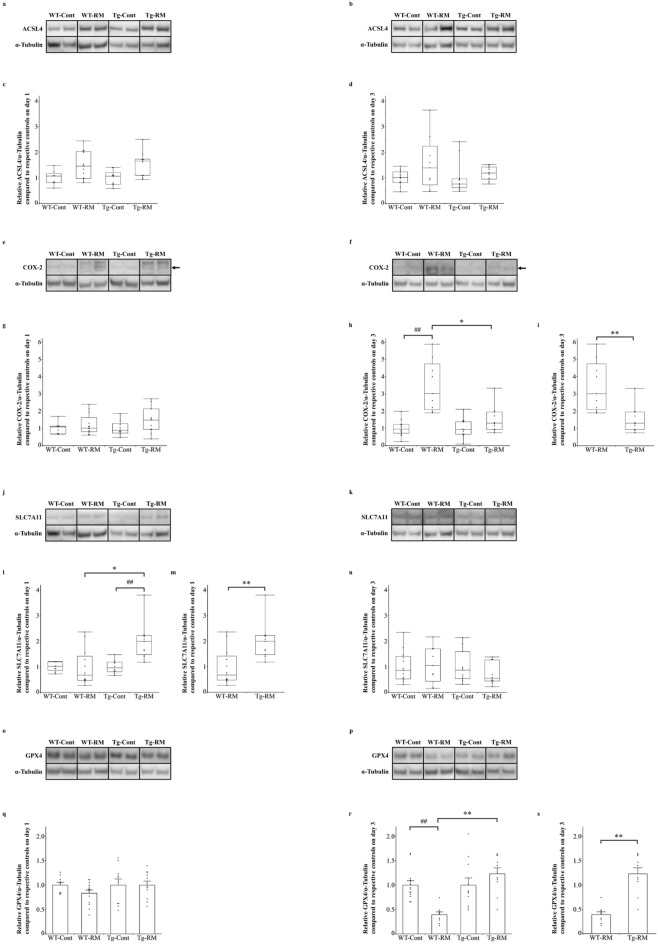 Figure 7
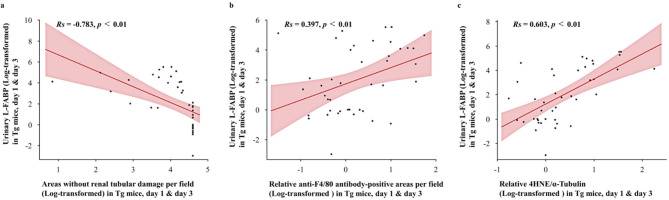 Figure 8
Peer Reviews
No public reviews on file for this paper yet. If you reviewed it on a platform where reviews are public (OpenReview, ICLR, NeurIPS, ICML), you can paste yours below so the community can read it here.
Videos
No videos yet. Explain this paper in a talk, walkthrough, or lecture? Add one.
Taxonomy
TopicsPeroxisome Proliferator-Activated Receptors · Acute Kidney Injury Research · Microbial metabolism and enzyme function