Museotherapy as a method: an investigation into the emotional experiences of Chinese youth visitors
Siyi Wang, Xuedan Gong, Wenting Lian

TL;DR
This study shows that museum-based therapy workshops can help reduce anxiety and promote positive emotions in Chinese university students.
Contribution
The study introduces museotherapy as a validated therapeutic method using mixed-methods analysis in a museum setting.
Findings
83.33% of participants showed a positive emotional shift during the workshops.
Museum objects triggered 69.5% of emotional perception statements.
A 'W-shaped' emotional curve was identified through video analysis.
Abstract
Rising mental health challenges among Chinese youth necessitate new intervention models. This study explores the mechanisms of museotherapy workshops in regulating emotions and fostering self-discovery among university students, aiming to validate museums as therapeutic environments. Structured workshops were conducted at the Shanghai University Museum involving 81 students aged 17–22. By integrating Appraisal Theory and narrative therapy, the study employed a mixed-methods approach—utilizing text sentiment analysis (SPSSAU) and facial expression coding (FAST)—to evaluate participant responses to specific “healing objects.” Text analysis revealed a predominantly positive emotional shift (83.33% positive), identifying museum objects as the primary emotional triggers (accounting for 69.5% of perception statements). Furthermore, video analysis identified a characteristic “W-shaped” emotion…
Genes, proteins, chemicals, diseases, species, mutations and cell lines named across the full text — each resolved to its canonical identifier and authoritative record.
Click any figure to enlarge with its caption.
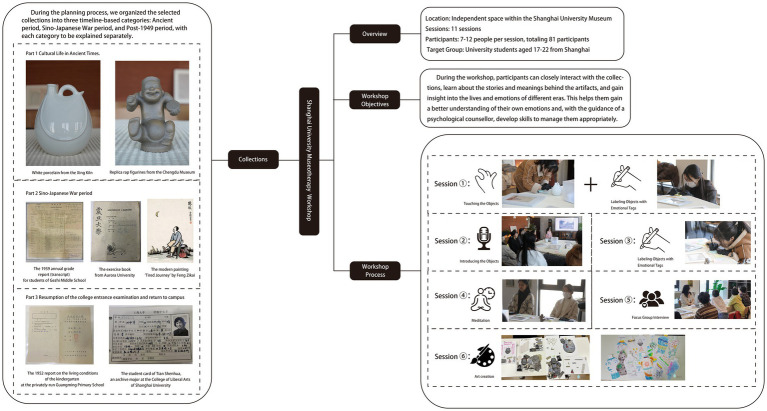 Figure 1
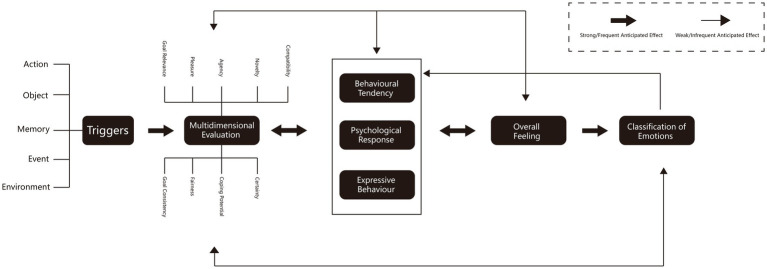 Figure 2
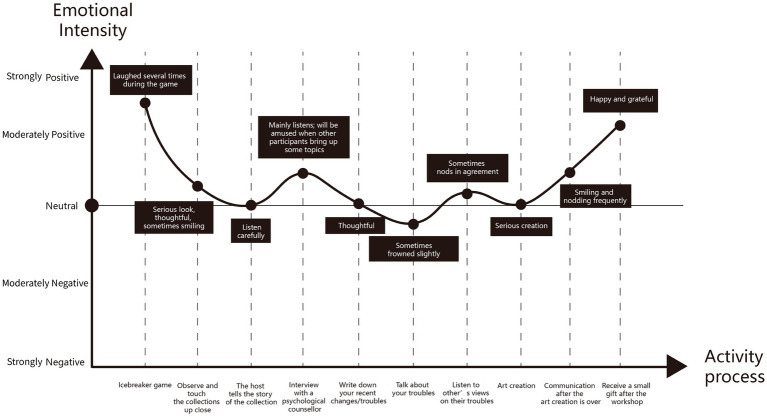 Figure 3
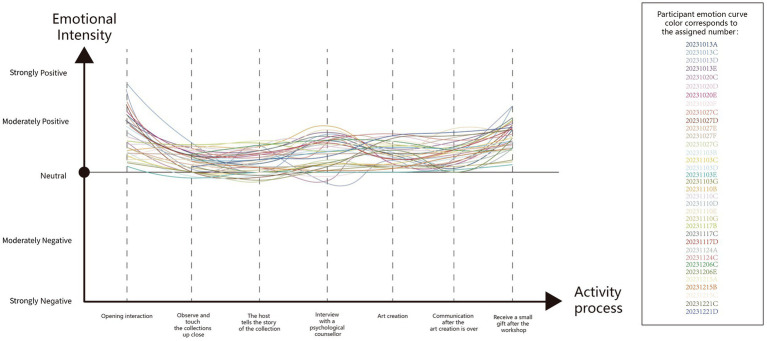 Figure 4
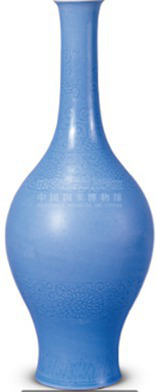 Figure 5
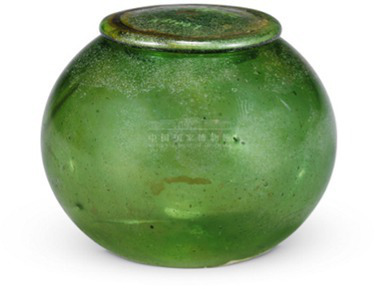 Figure 6
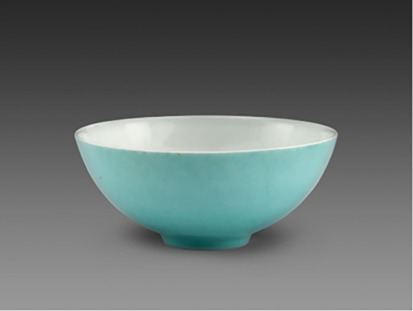 Figure 7
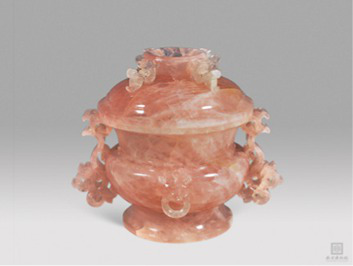 Figure 8
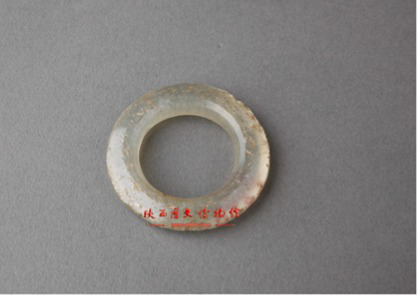 Figure 9
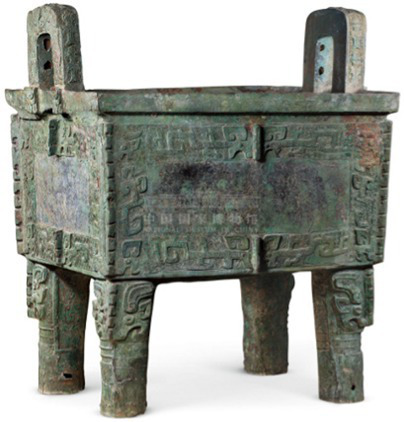 Figure 10
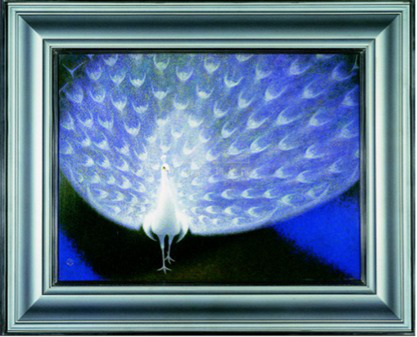 Figure 11
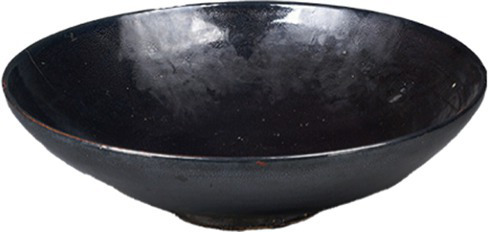 Figure 12
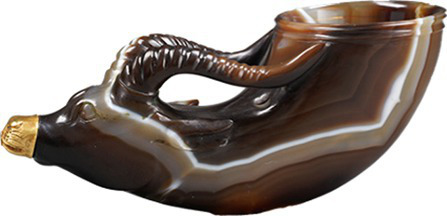 Figure 13
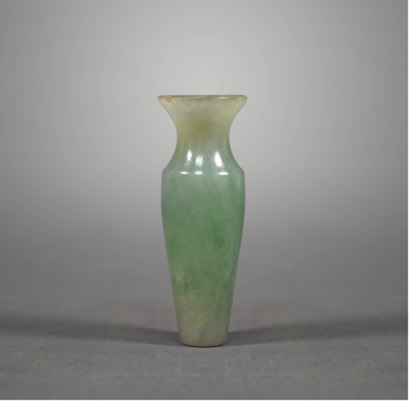 Figure 14
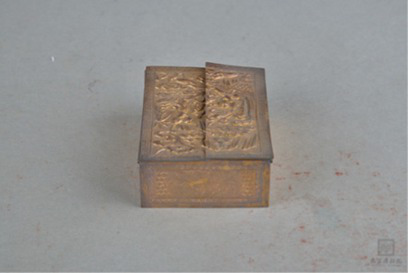 Figure 15
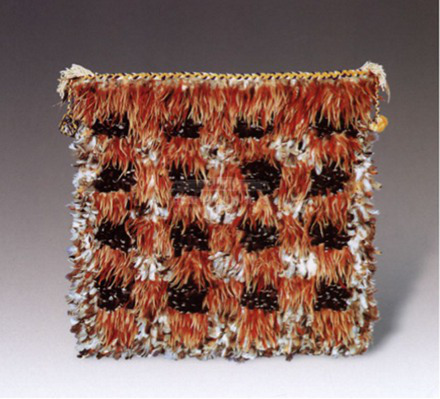 Figure 16
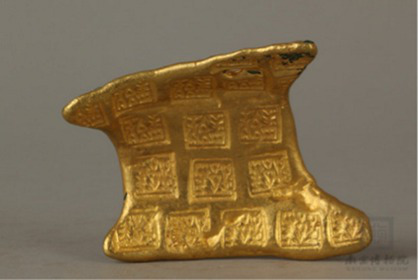 Figure 17
 Figure 18
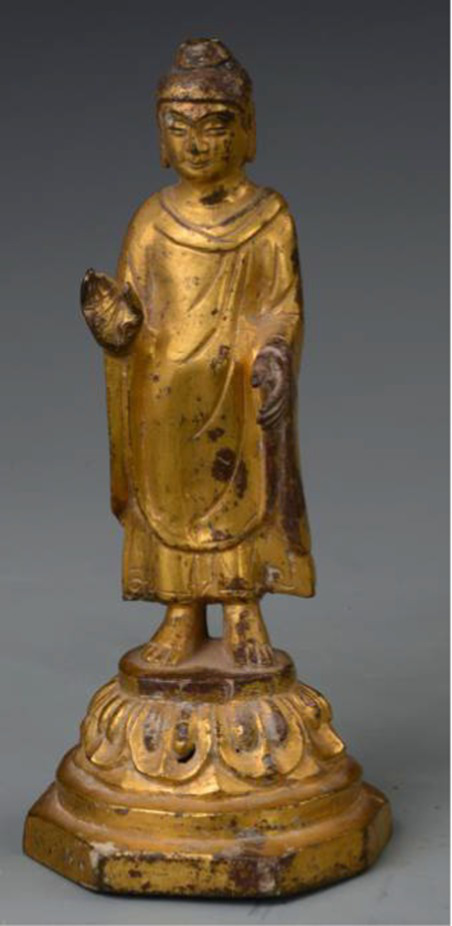 Figure 19
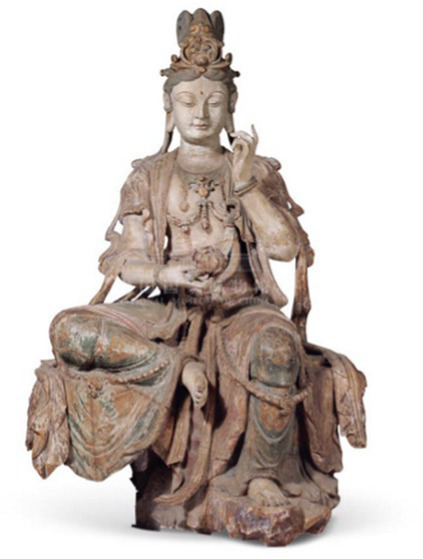 Figure 20
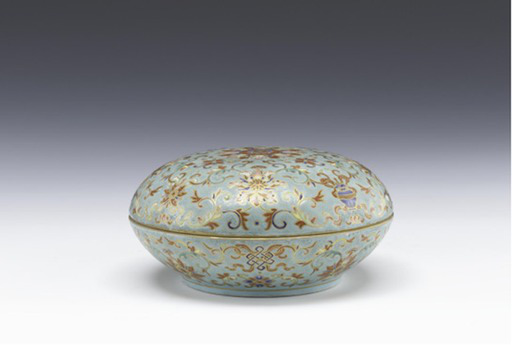 Figure 21
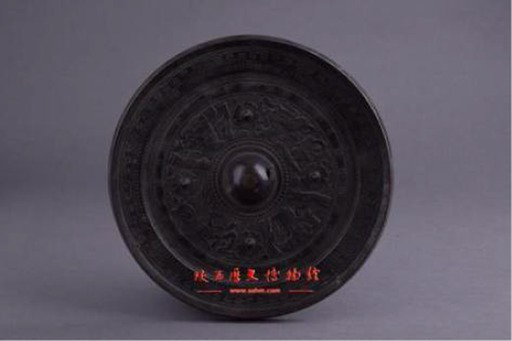 Figure 22
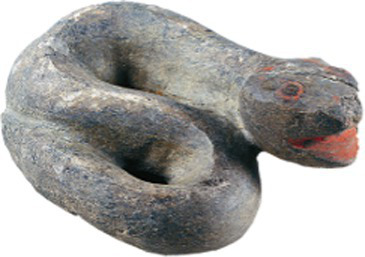 Figure 23
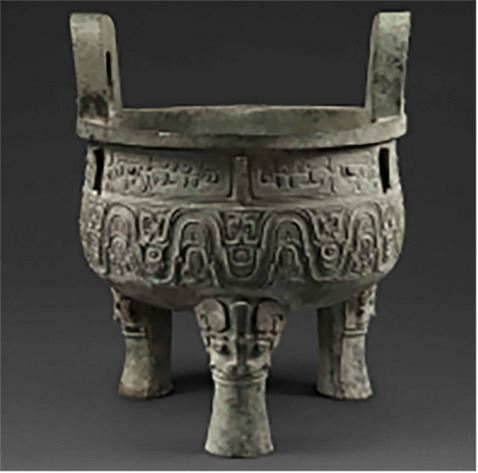 Figure 24
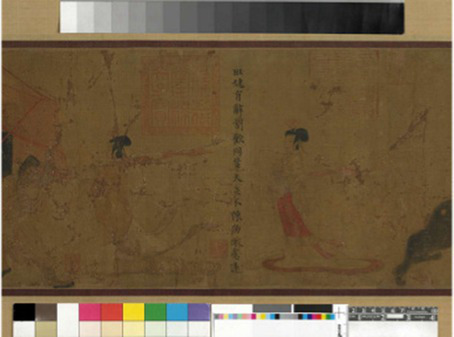 Figure 25
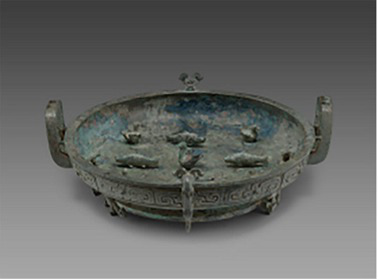 Figure 26
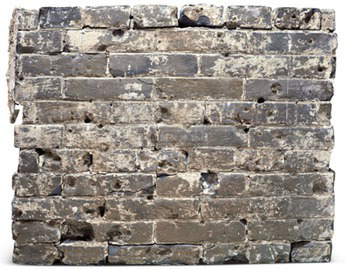 Figure 27
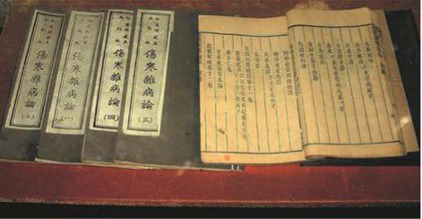 Figure 28
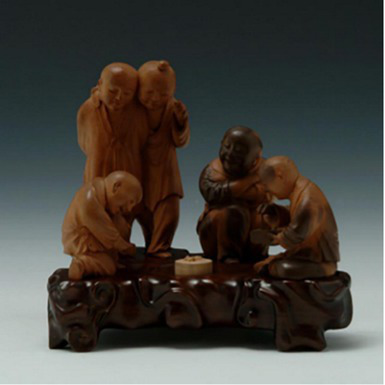 Figure 29
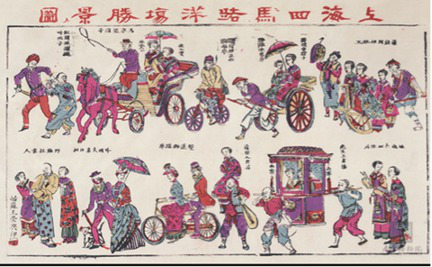 Figure 30
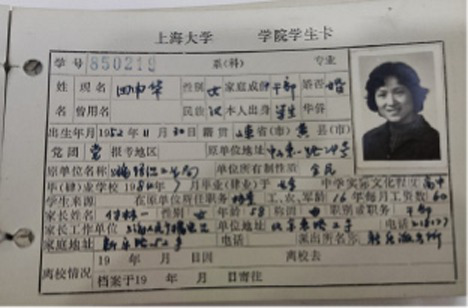 Figure 31
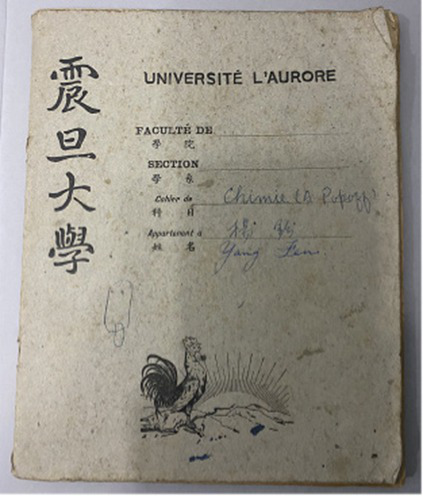 Figure 32
 Figure 33
 Figure 34
 Figure 35
 Figure 36
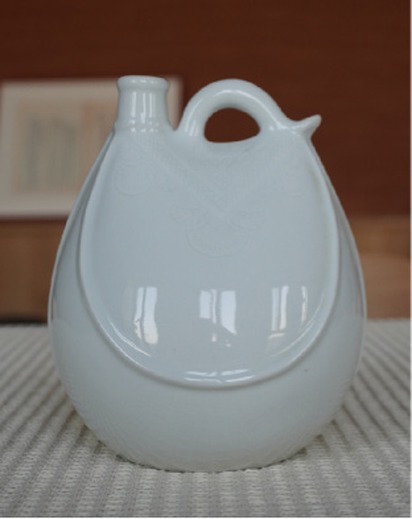 Figure 37
 Figure 38
 Figure 39
 Figure 40
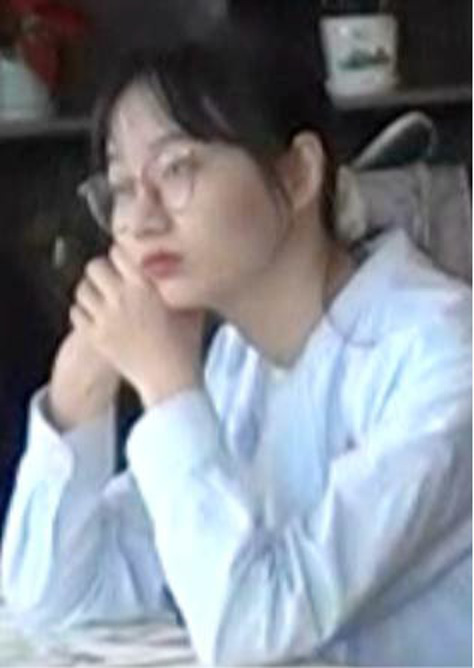 Figure 41
 Figure 42
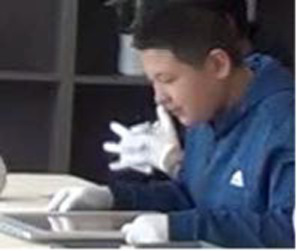 Figure 43
 Figure 44
 Figure 45
 Figure 46
 Figure 47
 Figure 48
 Figure 49
 Figure 50
Peer Reviews
No public reviews on file for this paper yet. If you reviewed it on a platform where reviews are public (OpenReview, ICLR, NeurIPS, ICML), you can paste yours below so the community can read it here.
Videos
No videos yet. Explain this paper in a talk, walkthrough, or lecture? Add one.
Taxonomy
TopicsArt Therapy and Mental Health · Museums and Cultural Heritage · Memory, Trauma, and Commemoration