Repetitive trans-spinal magnetic stimulation improves motor function in rats with spinal cord injury and is associated with upregulation of EphA4 signaling pathway proteins
Hao Liu, Yu Fang, Qian Deng, Jiucai Ye, Jielan Zhou, Rong Luo

TL;DR
Repetitive trans-spinal magnetic stimulation improves motor function in rats with spinal cord injury by boosting proteins in the EphA4 signaling pathway.
Contribution
This study identifies the EphA4 signaling pathway as a potential mechanism for the motor recovery effects of rTSMS in SCI.
Findings
rTSMS improved BBB locomotor scores in rats with acute spinal cord injury.
rTSMS upregulated EphA4 mRNA and proteins like VGluT2, EphrinB3, Chn1, and Nck1.
The EphA4 signaling pathway appears to be involved in the recovery of motor function after SCI.
Abstract
Spinal cord injury (SCI) is a highly disabling neurological condition that remains a worldwide challenge in healthcare. Our previous studies found that repetitive trans-spinal magnetic stimulation (rTSMS) applied at the L2 spinal segment yielded the most significant improvement in motor function in rats with SCI; however, the underlying mechanism remains unclear. Recent research indicates that disruption of the EphA4 signaling pathway in glutamatergic interneurons within the spinal cord leads to a loss of motor rhythm and a hopping gait in rats. Conversely, activating the locomotor central pattern generator (CPG) located in the L1-2 spinal segments promotes the recovery of motor function. Thus, by examining the effects of rTSMS on proteins associated with the EphA4 signaling pathway, this study provides novel insights for future investigations into its potential mechanisms of action. A…
Genes, proteins, chemicals, diseases, species, mutations and cell lines named across the full text — each resolved to its canonical identifier and authoritative record.
Click any figure to enlarge with its caption.
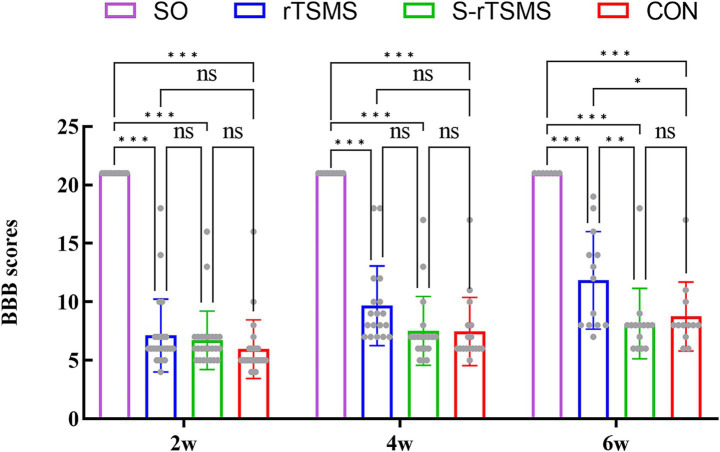 Figure 1
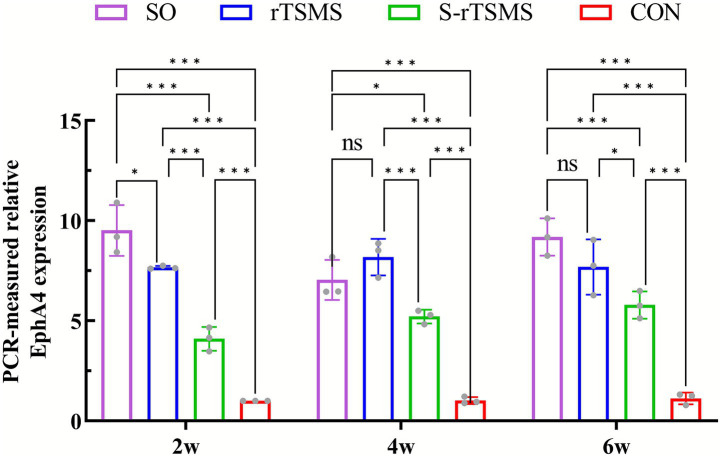 Figure 2
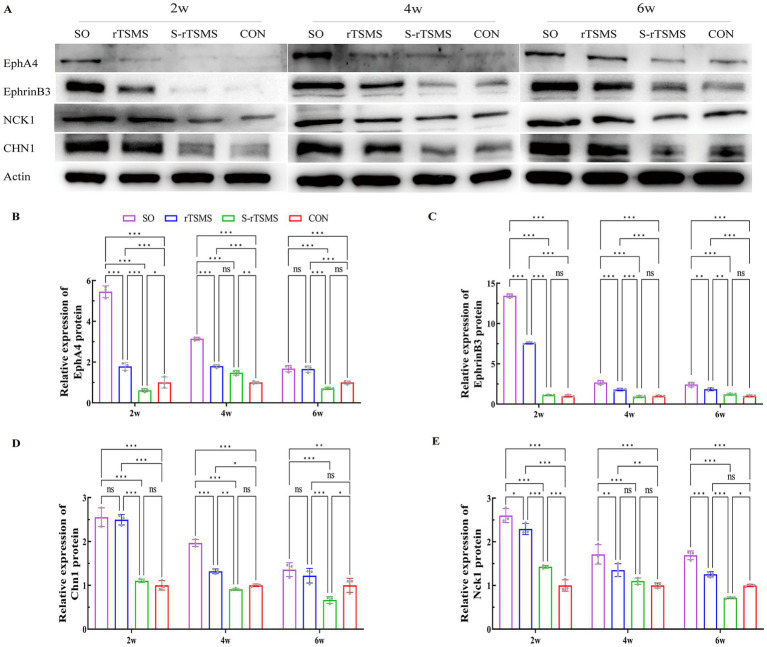 Figure 3
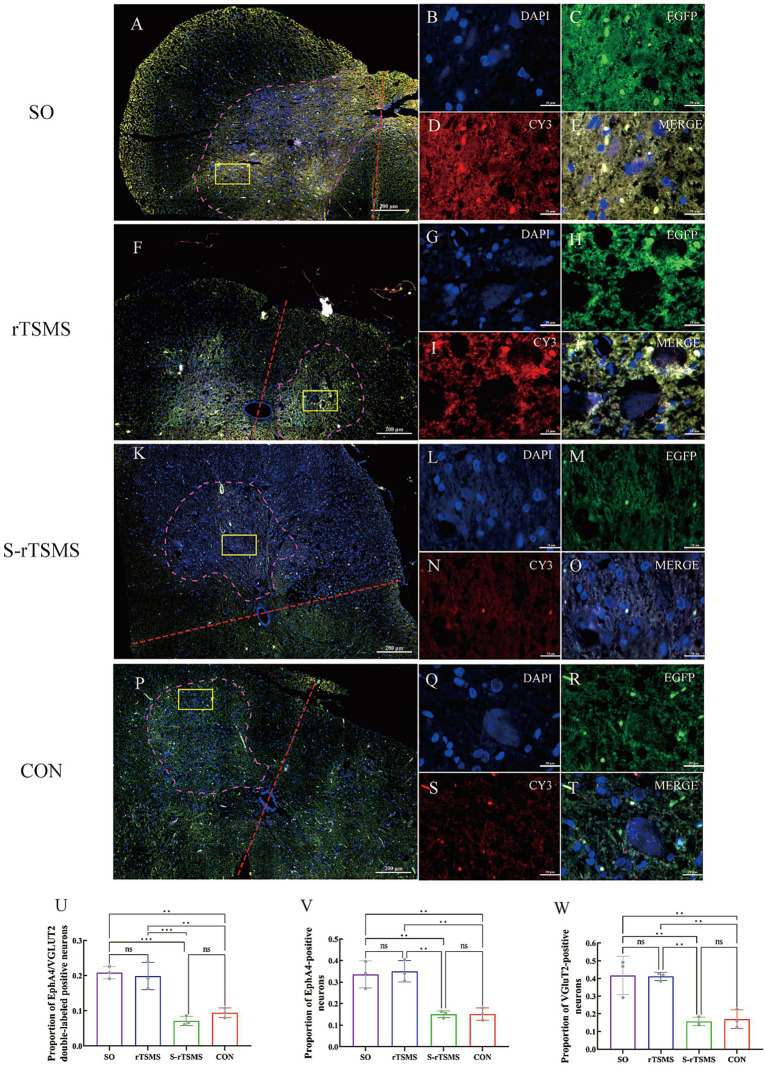 Figure 4
Peer Reviews
No public reviews on file for this paper yet. If you reviewed it on a platform where reviews are public (OpenReview, ICLR, NeurIPS, ICML), you can paste yours below so the community can read it here.
Videos
No videos yet. Explain this paper in a talk, walkthrough, or lecture? Add one.
Taxonomy
TopicsSpinal Cord Injury Research · Transcranial Magnetic Stimulation Studies · Nerve injury and regeneration