Flavin and deazaflavin biosynthesis in mycobacteria: relevance to physiology, implications for drug discovery, MR-1 antigenicity, and vaccine development
Nurudeen Oketade, Melissa D. Chengalroyen, Dylan Kain, David M. Lewinsohn, Karen M. Dobos

TL;DR
This review explores how mycobacteria make flavin and deazaflavin, their roles in survival and immune response, and how targeting these processes could lead to new treatments and vaccines.
Contribution
The paper provides a comprehensive overview of flavin/deazaflavin pathways in mycobacteria, linking them to drug discovery and MR1-based vaccine development.
Findings
Flavin and deazaflavin biosynthesis are essential for mycobacterial survival and virulence.
Intermediates from these pathways are involved in MR1 antigen presentation, influencing T cell responses.
MR1-restricted T cells, including MAITs, are critical during M.tb infection and vaccine development.
Abstract
Flavin and deazaflavin biosynthesis are highly conserved pathways in mycobacteria, including in Mycobacterium tuberculosis (M.tb). Flavin biosynthesis on one hand is required to produce FMN and FAD, two essential cofactors required to support the flavin intensive lifestyle of mycobacteria. Deazaflavin biosynthesis on the other hand provides F420, an important cofactor used by mycobacteria to curtail antimicrobial and immunological stressors. Given these crucial roles for mycobacterial survival and virulence, these connected pathways have been a recent focus of drug discovery efforts. In addition to providing these important cofactors, studies have shown that the intermediates of this pathway are required to produce metabolic antigens presented by the MHC class I related protein (MR1) molecule in mycobacteria. T cells restricted by the MR1 molecule, which includes Mucosal-associated…
Genes, proteins, chemicals, diseases, species, mutations and cell lines named across the full text — each resolved to its canonical identifier and authoritative record.
Click any figure to enlarge with its caption.
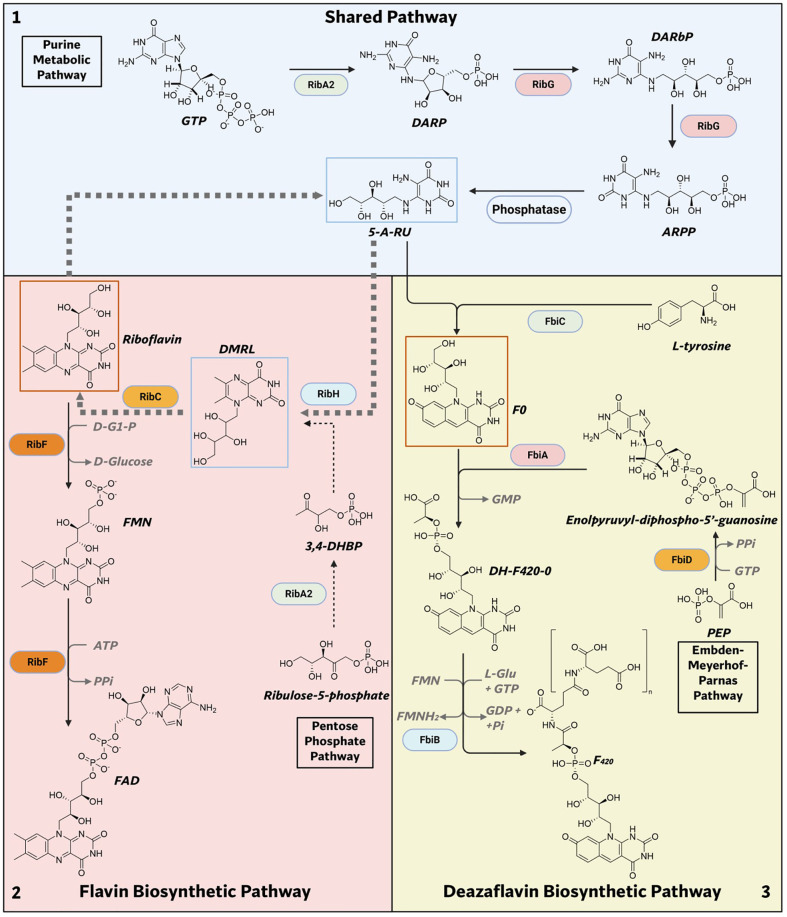 Figure 1
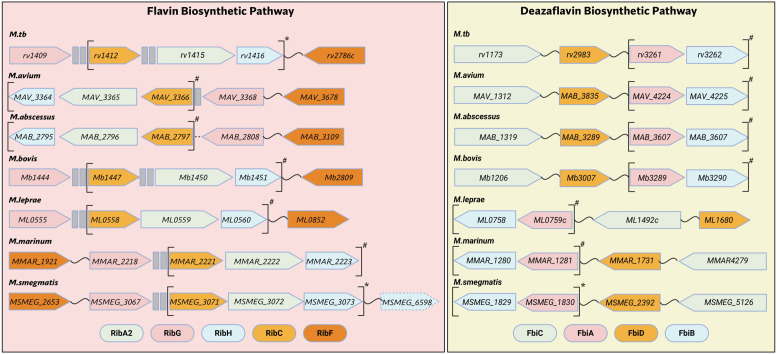 Figure 2
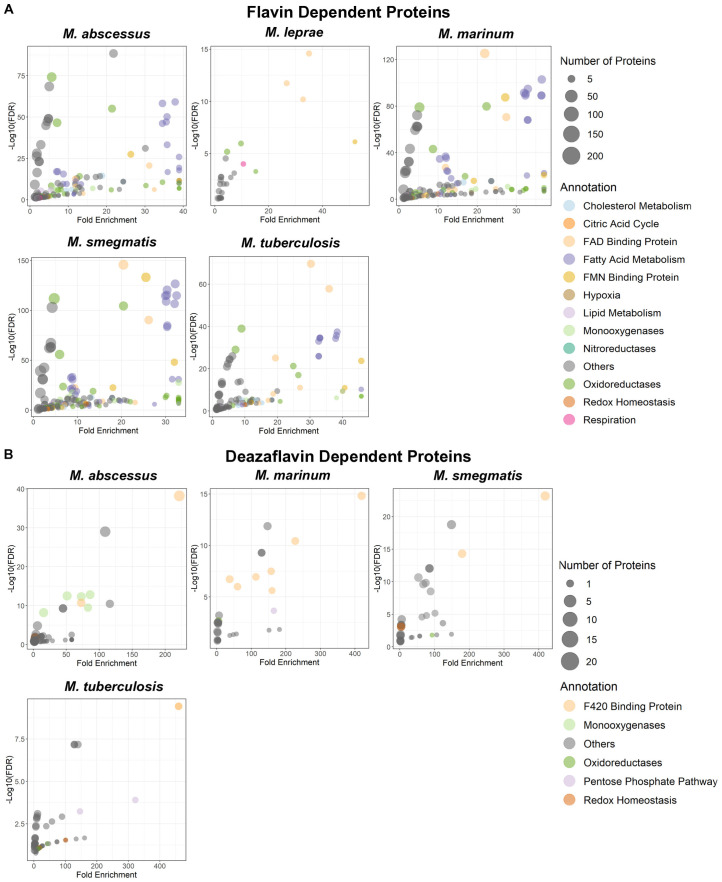 Figure 3
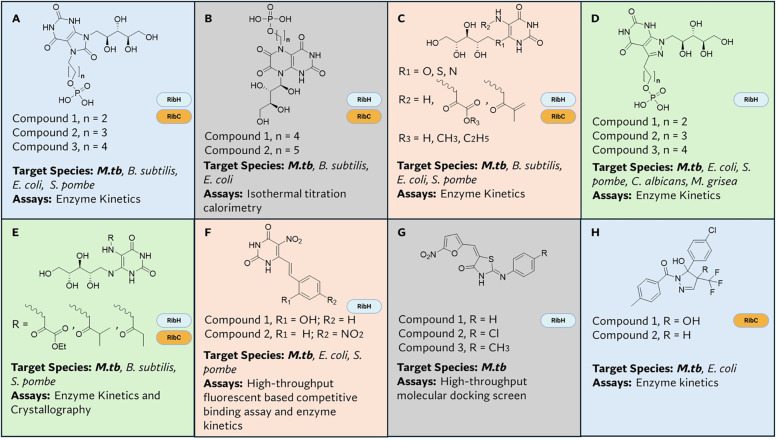 Figure 4
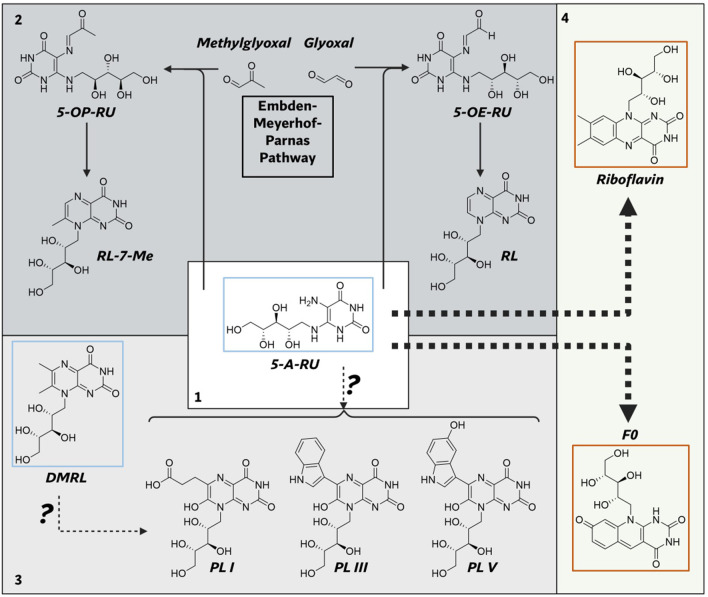 Figure 5
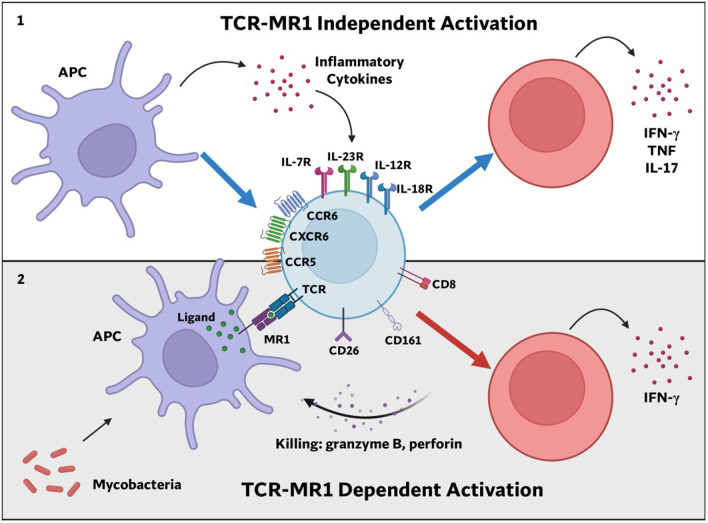 Figure 6
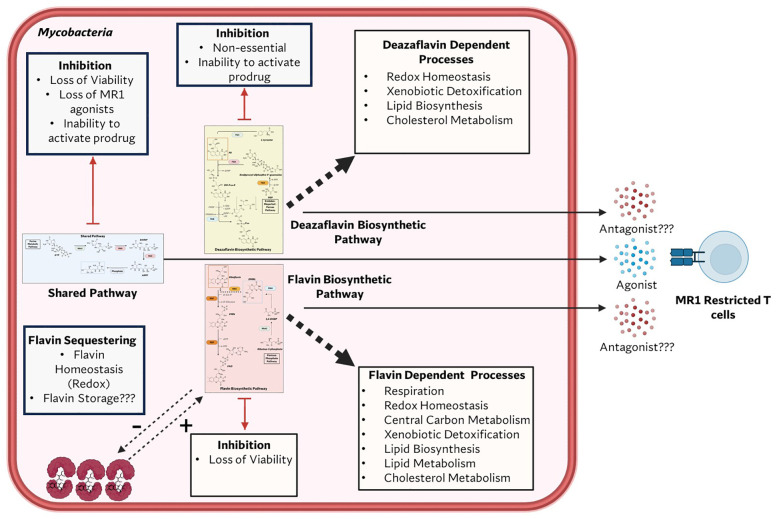 Figure 7
Peer Reviews
No public reviews on file for this paper yet. If you reviewed it on a platform where reviews are public (OpenReview, ICLR, NeurIPS, ICML), you can paste yours below so the community can read it here.
Videos
No videos yet. Explain this paper in a talk, walkthrough, or lecture? Add one.
Taxonomy
TopicsTuberculosis Research and Epidemiology · Mycobacterium research and diagnosis · Immunodeficiency and Autoimmune Disorders