Liu Shen Wan regulates the SPHK1/S1P axis to ameliorate influenza-induced inflammation via integrated network pharmacology and lipidomics
Biao Lei, Zhenyang Liu, Peifang Xie, Xuanxuan Li, Zhanyu Cui, Ruihan Chen, Bin Liu, Shihua Chen, Yaxin Li, Min Liang, Hao Liang, Ai Li, Fanghao Zheng, Zifeng Yang, Qinhai Ma

TL;DR
Liu Shen Wan reduces inflammation caused by influenza by targeting the SPHK1/S1P pathway and altering sphingolipid metabolism.
Contribution
This study identifies the SPHK1/S1P axis as a novel target of Liu Shen Wan in mitigating influenza-induced inflammation.
Findings
Liu Shen Wan reduced sphingomyelin and ceramide levels in lungs via lipidomics analysis.
Pharmacological inhibition of SPHK1 mirrored the anti-inflammatory effects of Liu Shen Wan.
Liu Shen Wan attenuated lung inflammation and SPHK1 expression in SPHK1-overexpressing mice.
Abstract
Liu Shen Wan (LSW) can modulate sphingolipid metabolism, which is a key pathway in inflammatory regulation, yet the precise mechanistic actions remain elusive. This study aimed to elucidate the mechanism by which LSW regulates sphingolipid metabolism to mitigate influenza-induced inflammatory responses. The potential mechanisms of LSW were initially predicted and validated via network pharmacology and lipidomics. A549 cells were infected with influenza A/Puerto Rico/8/34 (H1N1) (PR8) or transfected to overexpress sphingosine kinase-1 (SPHK1), then treated with LSW. In vivo, mice were infected with PR8 or challenged with rAAV9-SPHK1 and administered LSW for 5 days. Inflammatory factors and sphingolipid pathway-associated proteins were evaluated. Network pharmacology identified sphingolipid signaling as a primary target of LSW. Lipidomics revealed LSW significantly reduced the levels of…
Genes, proteins, chemicals, diseases, species, mutations and cell lines named across the full text — each resolved to its canonical identifier and authoritative record.
Click any figure to enlarge with its caption.
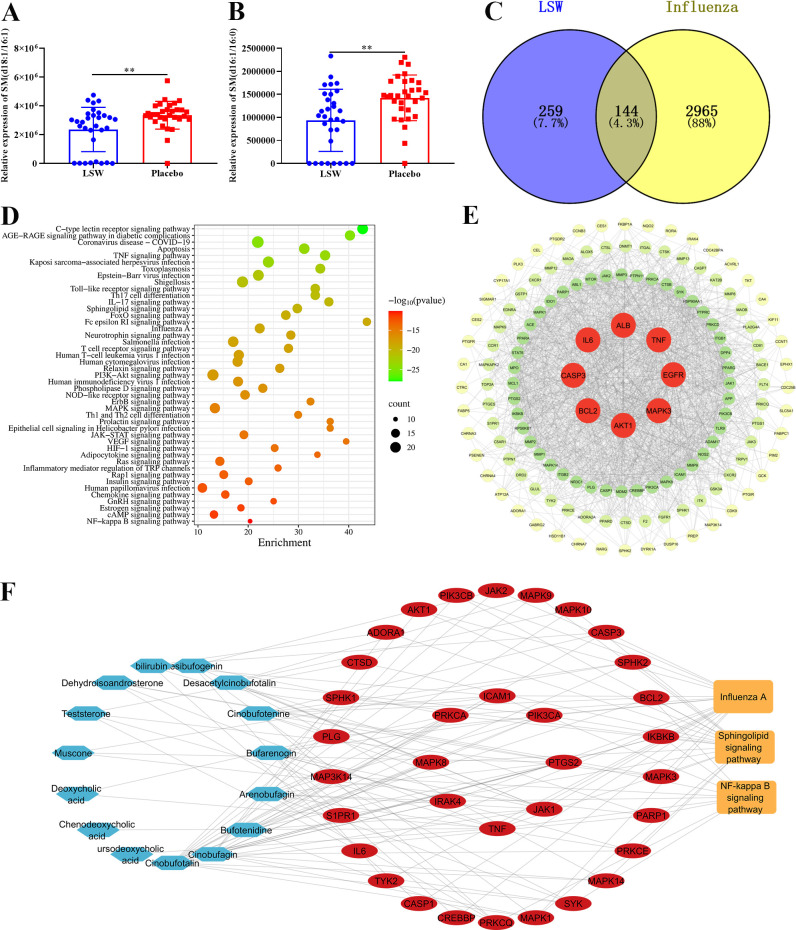 Figure 1
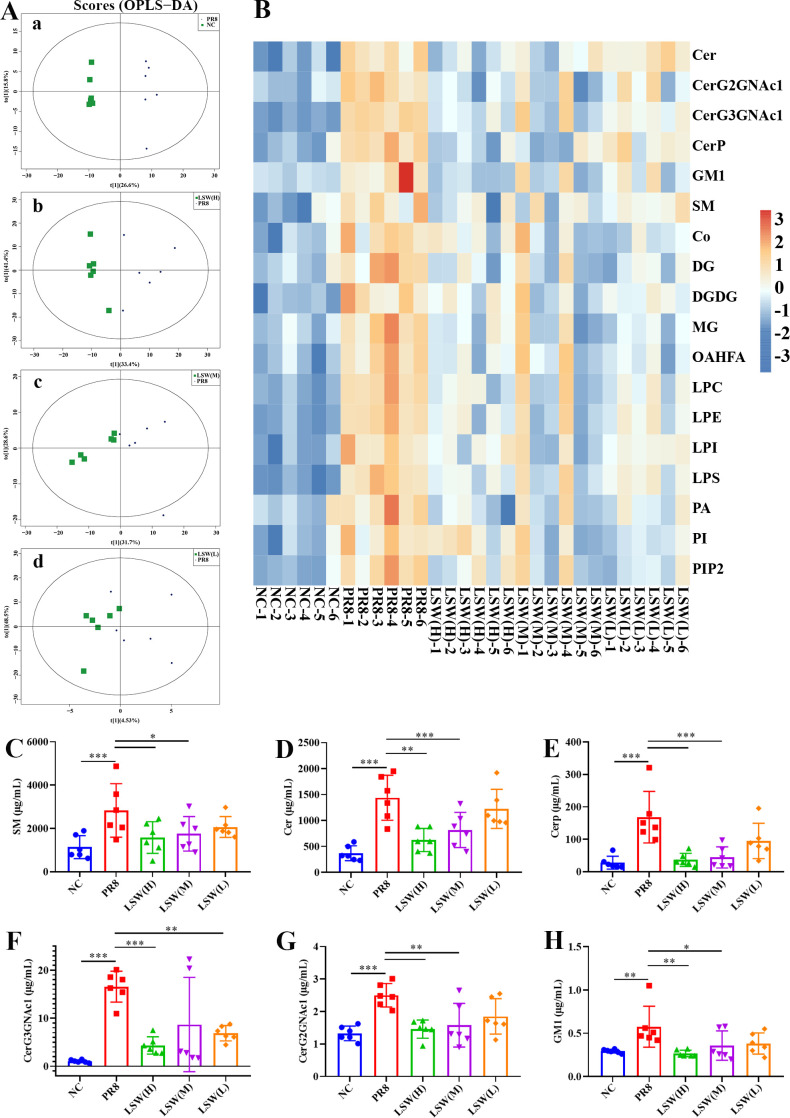 Figure 2
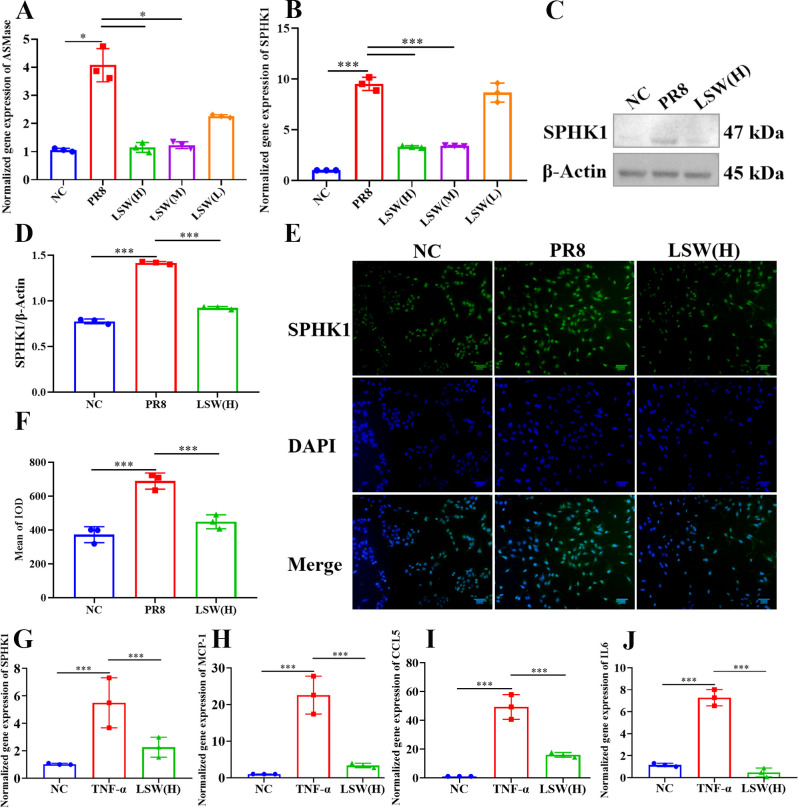 Figure 3
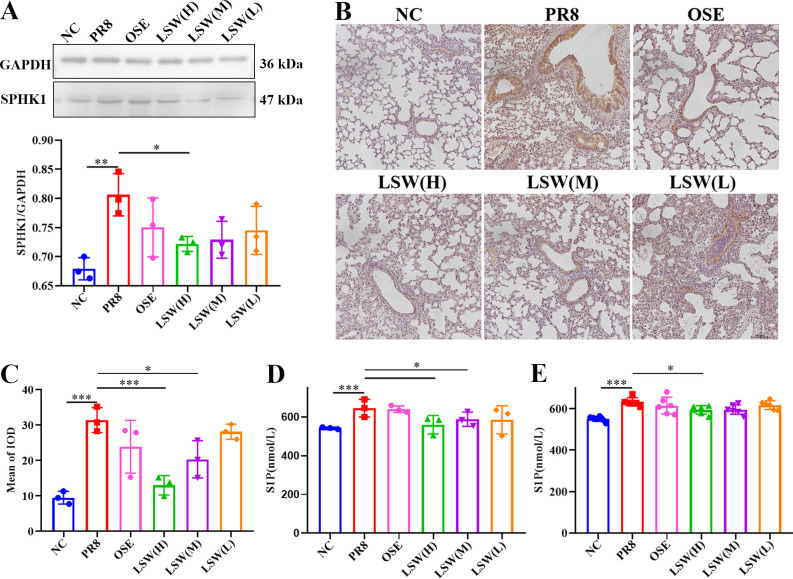 Figure 4
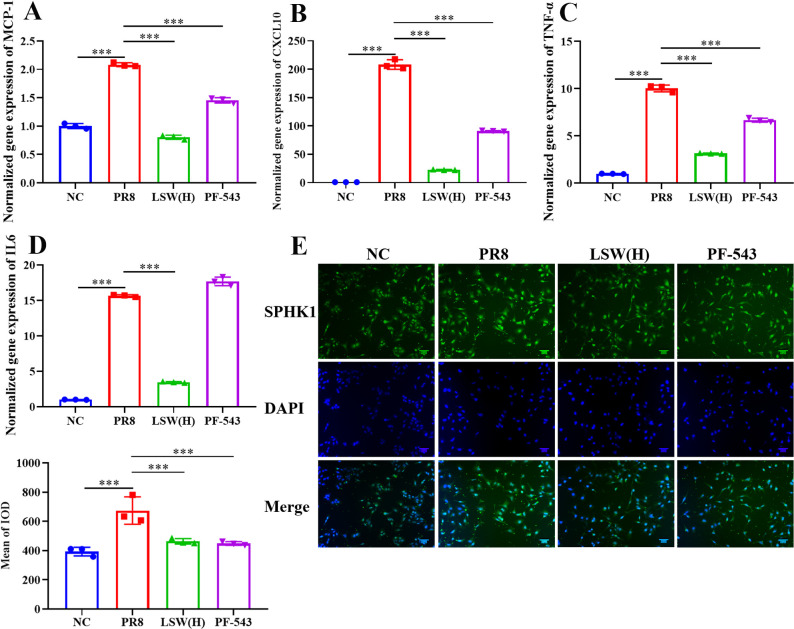 Figure 5
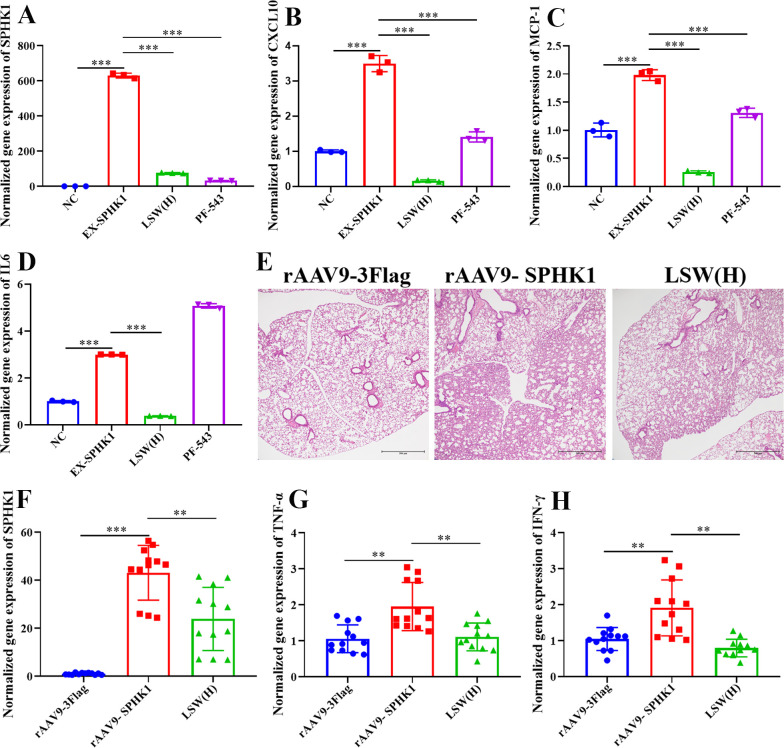 Figure 6
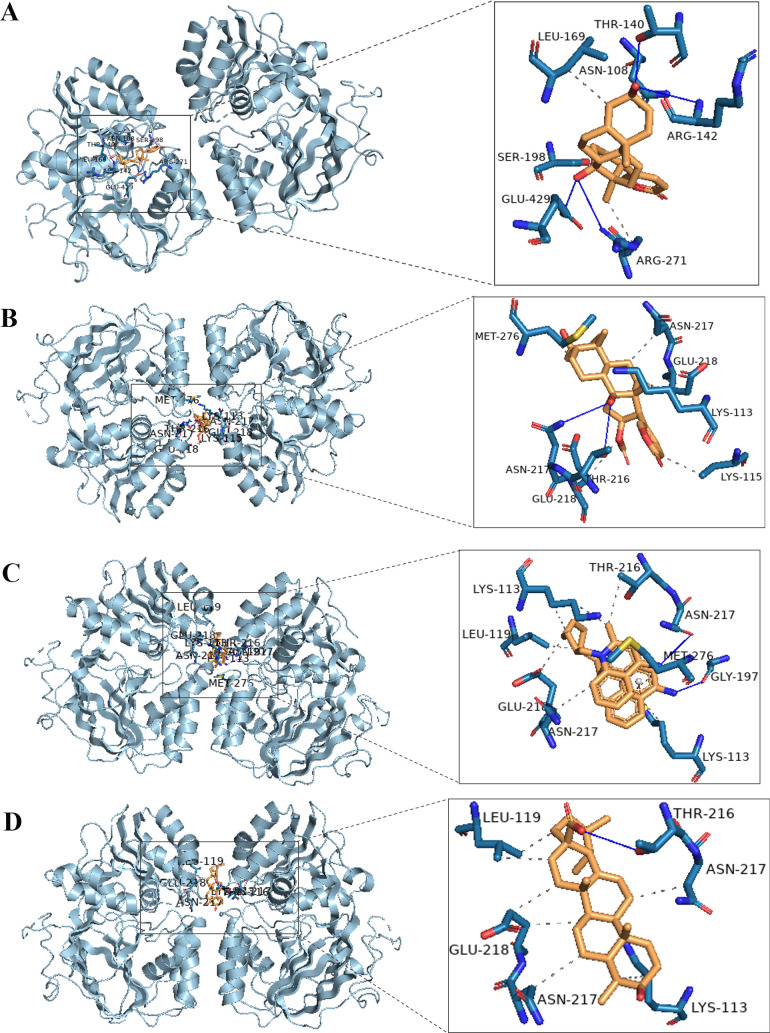 Figure 7
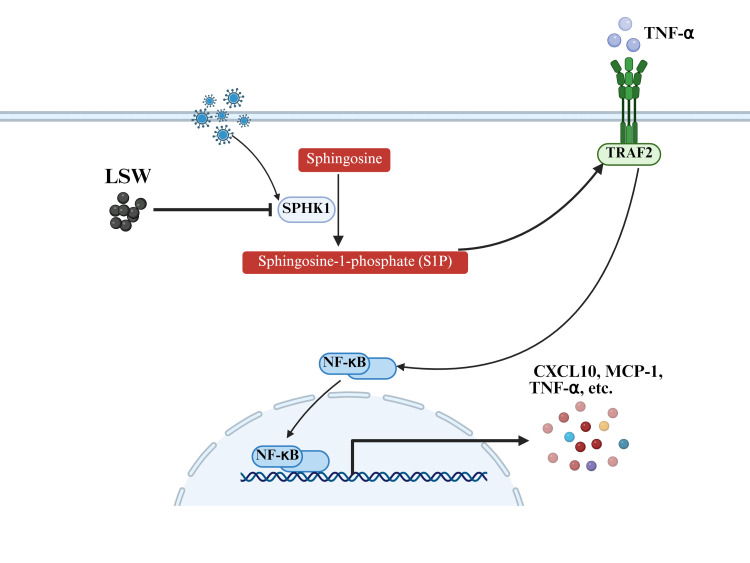 Figure 8
Peer Reviews
No public reviews on file for this paper yet. If you reviewed it on a platform where reviews are public (OpenReview, ICLR, NeurIPS, ICML), you can paste yours below so the community can read it here.
Videos
No videos yet. Explain this paper in a talk, walkthrough, or lecture? Add one.
Taxonomy
TopicsSphingolipid Metabolism and Signaling · Inflammasome and immune disorders · Metabolomics and Mass Spectrometry Studies