Modified Sanjia Powder ameliorates cognitive impairment and exerts neuroprotective effects in 5 × FAD mice: insights from quantitative proteomics
Yifan Wang, Chenxi Liu, Xiaoyan Zheng, Zhiqiang Wang, Yufan Wang, Yi Geng, Jin Yang, Kaifeng Wei, Xiaoying Chen

TL;DR
Modified Sanjia Powder improves cognitive function and protects brain cells in a mouse model of Alzheimer's disease by affecting lipid metabolism and reducing inflammation.
Contribution
The study reveals how Modified Sanjia Powder modulates lipid metabolism and oxidative stress to exert neuroprotective effects in Alzheimer's disease.
Findings
MSP improved cognitive performance in 5 × FAD mice across multiple behavioral tests.
MSP reduced Aβ plaques, tau hyperphosphorylation, and pro-inflammatory cytokines in the brain.
Proteomic analysis showed MSP specifically downregulated ACSL4, a key lipid metabolism protein, and reduced oxidative stress markers.
Abstract
Modified Sanjia Powder (MSP) is a traditional Chinese herbal formulation with potential use as a dietary supplement, which has shown neuroprotective properties against Alzheimer's disease (AD). However, its mechanisms of action, particularly those related to metabolic pathways, remain poorly understood. Given the emerging role of lipid metabolism and associated oxidative stress in AD pathogenesis, this study aimed to investigate the therapeutic effects of MSP on cognitive impairment and explore its molecular mechanisms, with emphasis on nutritionally relevant pathways, in the 5 × FAD mouse model of AD using quantitative proteomics. Cognitive, pathological, and molecular functions were evaluated following MSP treatment. Cognitive performance was assessed using behavioral tests including the Y-maze, novel object recognition (NOR), and Morris Water Maze. Brain tissues from control, 5 ×…
Genes, proteins, chemicals, diseases, species, mutations and cell lines named across the full text — each resolved to its canonical identifier and authoritative record.
Click any figure to enlarge with its caption.
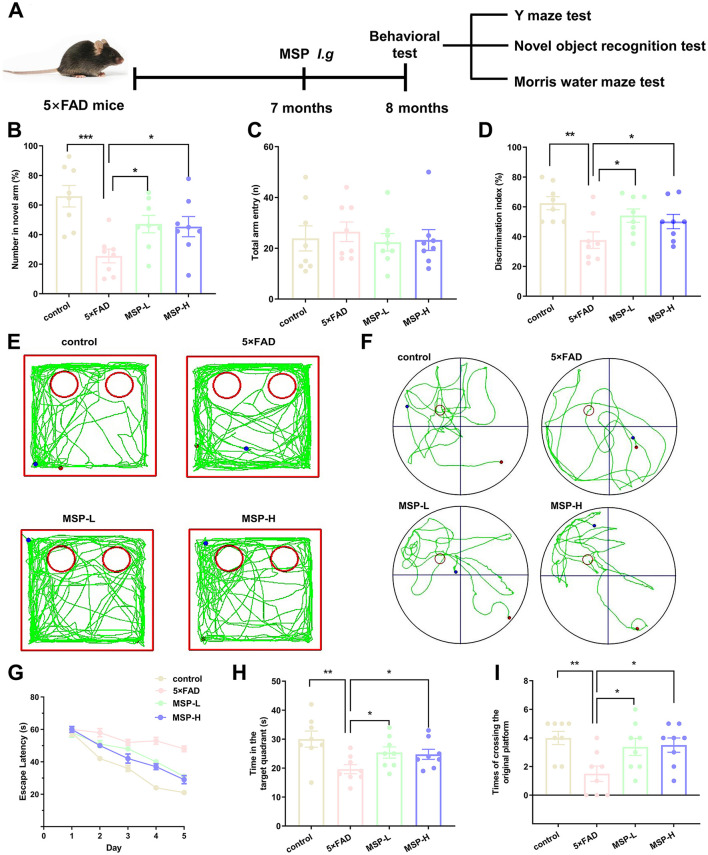 Figure 1
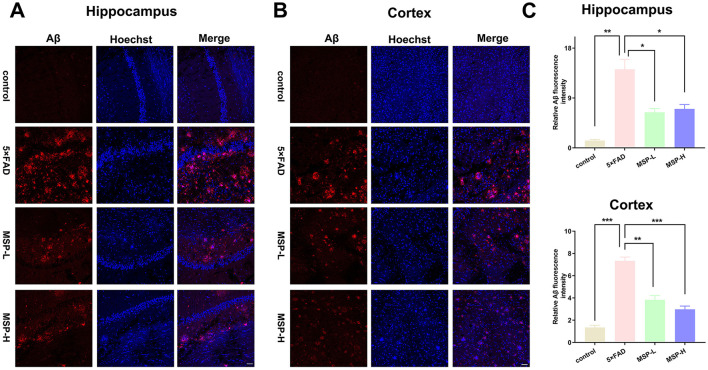 Figure 2
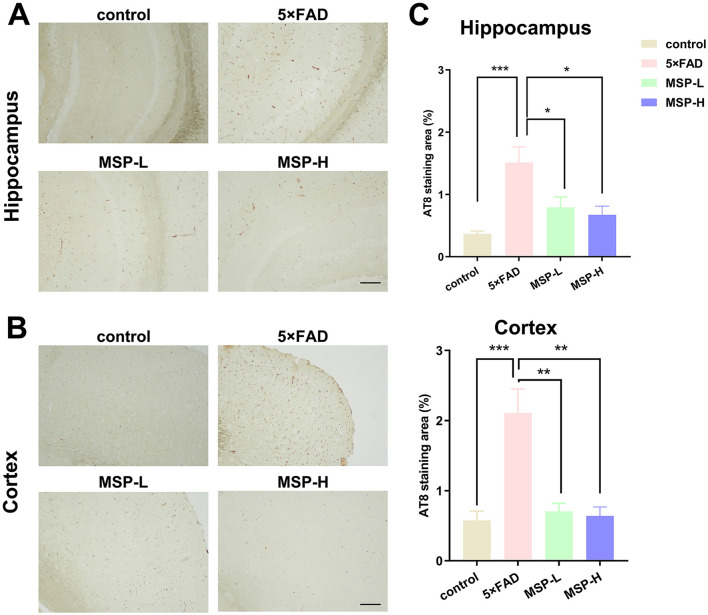 Figure 3
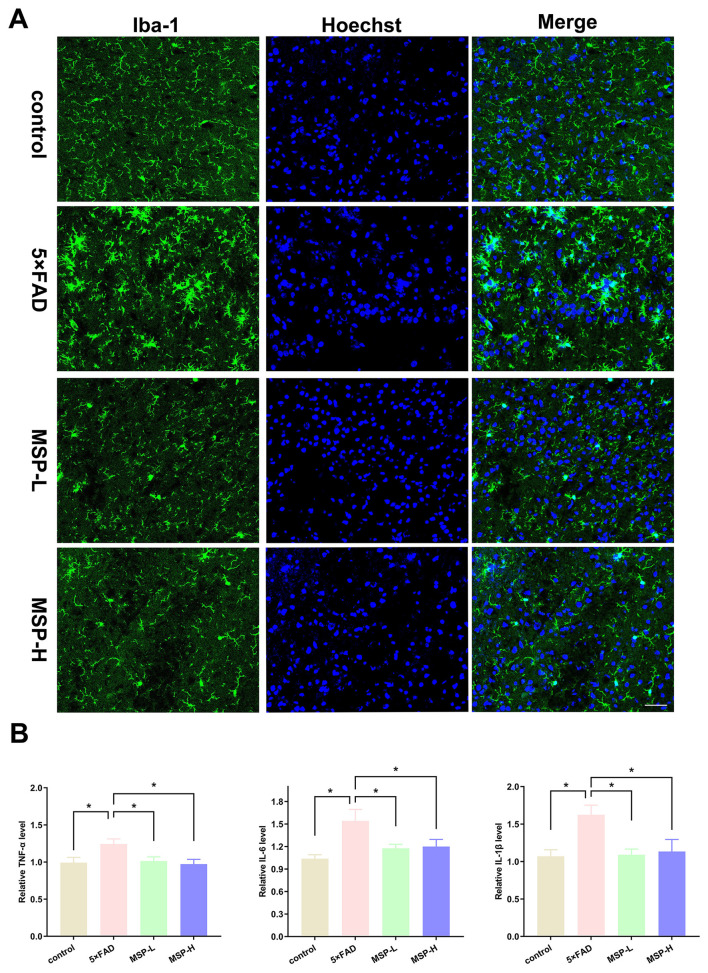 Figure 4
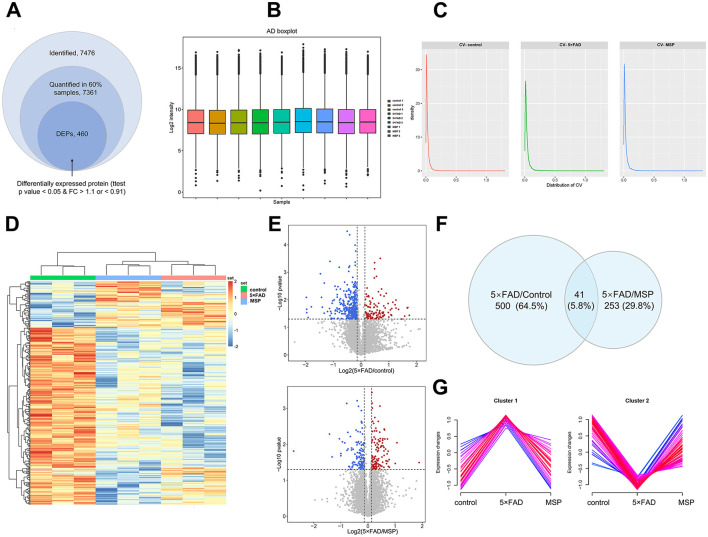 Figure 5
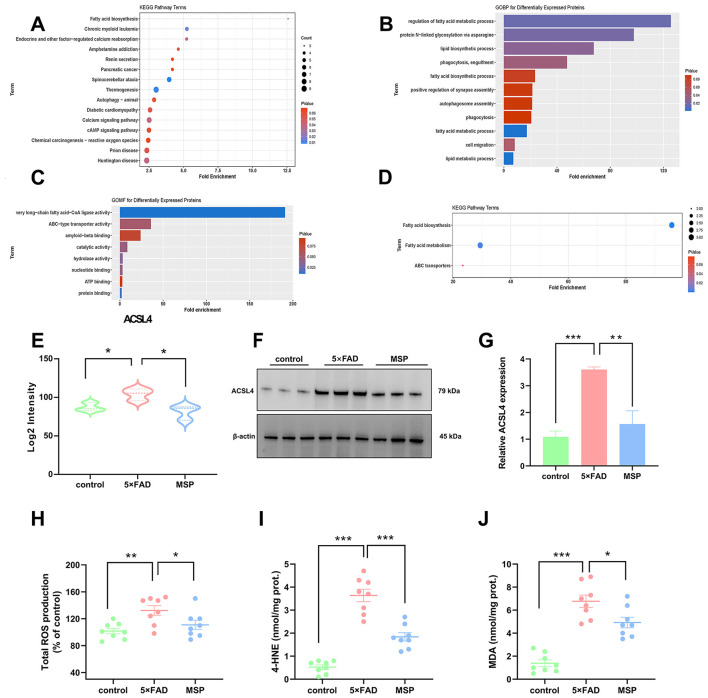 Figure 6
Peer Reviews
No public reviews on file for this paper yet. If you reviewed it on a platform where reviews are public (OpenReview, ICLR, NeurIPS, ICML), you can paste yours below so the community can read it here.
Videos
No videos yet. Explain this paper in a talk, walkthrough, or lecture? Add one.
Taxonomy
TopicsAlzheimer's disease research and treatments · Medicinal Plants and Neuroprotection · Neurological Disease Mechanisms and Treatments