Improving learning outcomes of medical terminology course through classroom-based gamified crossword puzzle activities
Aziz Jamal, Ning Liu, Yunfei Li

TL;DR
Using crossword puzzles in class helped students learn medical terms better, leading to improved test scores.
Contribution
This study provides empirical evidence that crossword puzzles can enhance performance in medical terminology courses.
Findings
Students using crossword puzzles scored higher on assessments compared to the control group.
Regression analysis confirmed significant differences in total test scores between groups.
Treatment effect analyses showed positive associations between crossword use and test performance.
Abstract
Active learning strategies are widely promoted to enhance student engagement and knowledge retention in higher education. In health administration education, mastery of medical terminology is essential, yet students often experience difficulty with recall and application. Crossword puzzles have been proposed as a practical instructional tool to support terminology learning, but empirical evidence in this context remains limited. This study examined the association between the use of crossword puzzles as learning aids and academic performance in a medical terminology course. A non-equivalent control group post-test-only design was employed. The sample comprised 211 s-year undergraduate health administration students enrolled in a 14-week course. Paper-based crossword puzzles were introduced in week 5 and implemented over 9 weeks. Independent t-tests were used to examine group…
Click any figure to enlarge with its caption.
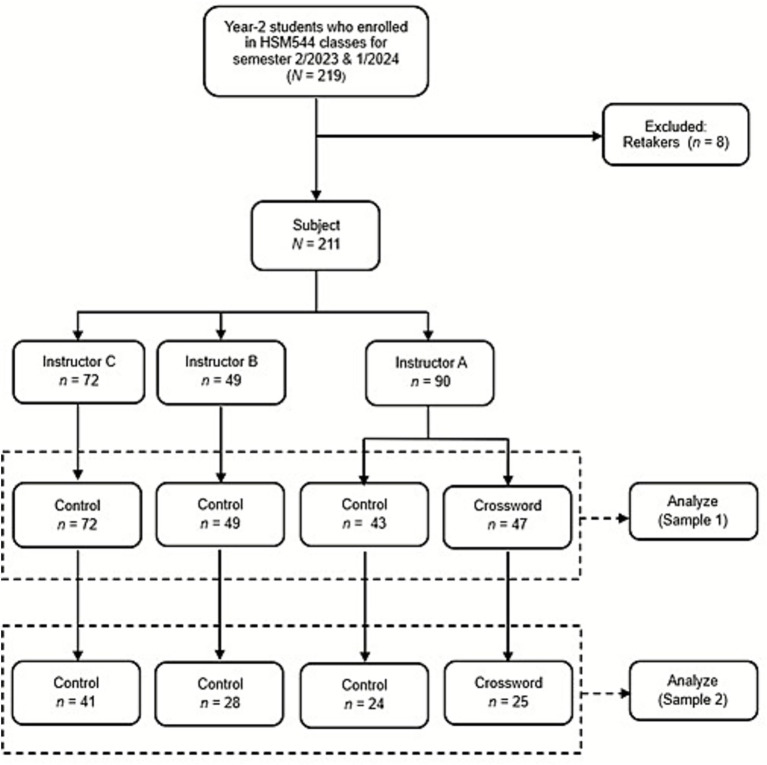 Figure 1
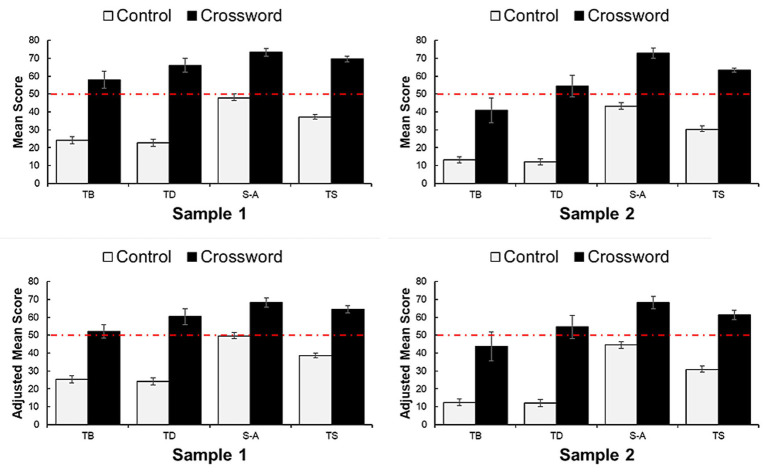 Figure 2
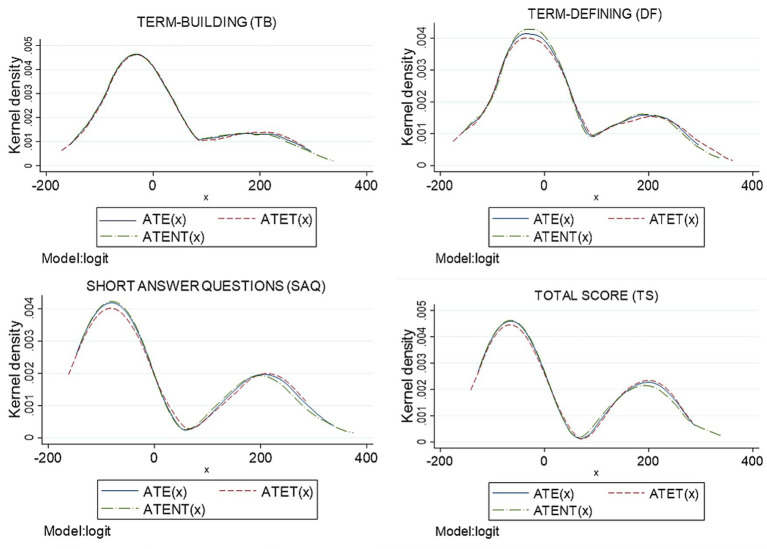 Figure 3
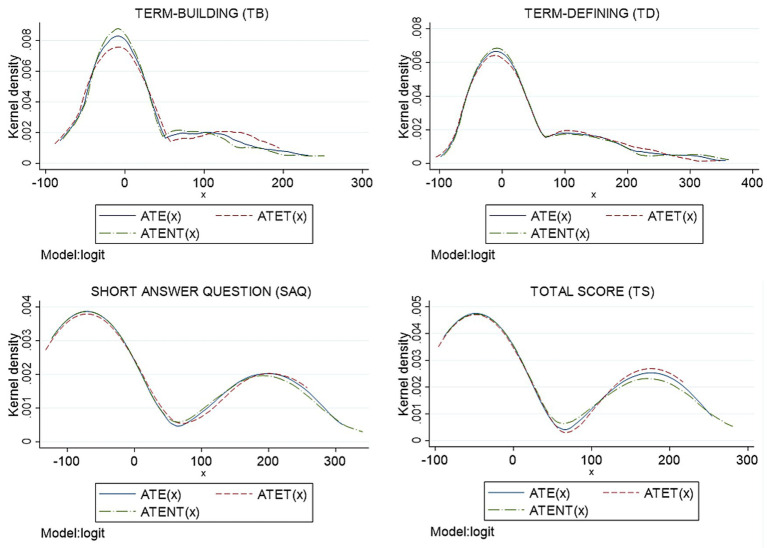 Figure 4
Peer Reviews
No public reviews on file for this paper yet. If you reviewed it on a platform where reviews are public (OpenReview, ICLR, NeurIPS, ICML), you can paste yours below so the community can read it here.
Videos
No videos yet. Explain this paper in a talk, walkthrough, or lecture? Add one.
Taxonomy
TopicsEducational Games and Gamification · Innovative Teaching Methods · Visual and Cognitive Learning Processes