Favorable response to third-generation TKI furmonertinib in a patient with early-stage non-small cell lung cancer harboring rare compound EGFR mutations: Exon 18 G719C and Exon 20 S768I — A Case Report
Shihu Liu, Jinzi Zhang, Yanfeng Dong, Yongjie Wang

TL;DR
A patient with a rare lung cancer mutation responded well to furmonertinib, suggesting it could be an effective treatment for similar cases.
Contribution
Demonstrates clinical effectiveness of furmonertinib in a rare EGFR compound mutation case previously uncharacterized for TKI response.
Findings
A patient with EGFR G719C+S768I mutation achieved complete remission with furmonertinib.
Furmonertinib may be a promising treatment for rare compound EGFR mutations in NSCLC.
Third-generation TKIs could improve cure rates in patients with uncommon EGFR alterations.
Abstract
EGFR Exon 19 deletions and exon 21 point mutations of EGFR are the most prevalent alterations in lung adenocarcinoma, and patients with these mutations derive substantial clinical benefit from EGFR tyrosine kinase inhibitors (TKIs). Nevertheless, the therapeutic efficacy of TKIs in rare compound EGFR mutations remains unclear. Here, we describe a case of early-stage non-small cell lung cancer (NSCLC) harboring a G719C+S768I compound mutation that achieved complete remission following treatment with furmonertinib. These findings suggest that furmonertinib may represent a promising therapeutic option to improve cure rates in this subset of patients.
Genes, proteins, chemicals, diseases, species, mutations and cell lines named across the full text — each resolved to its canonical identifier and authoritative record.
Click any figure to enlarge with its caption.
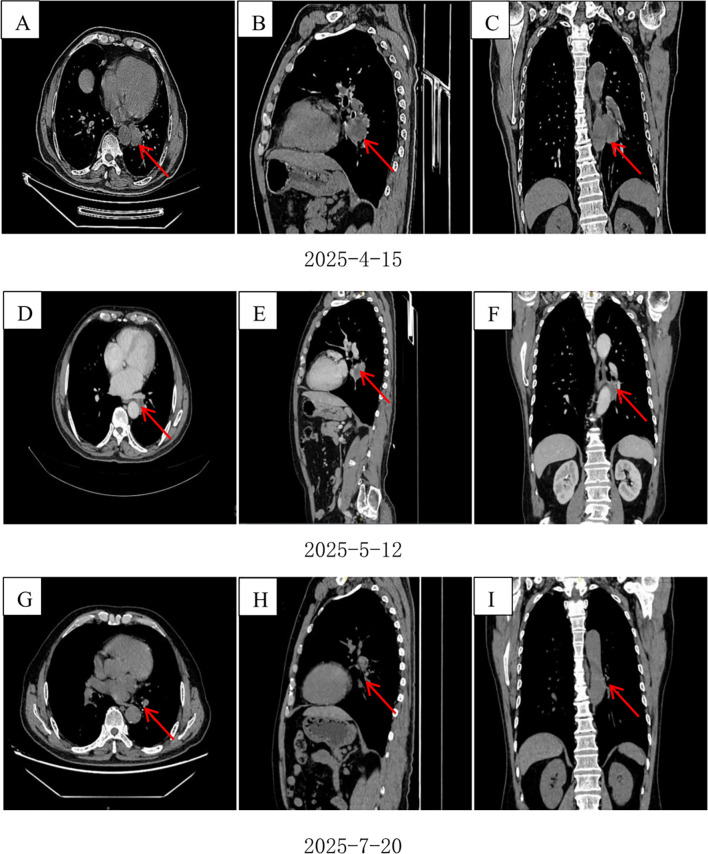 Figure 1
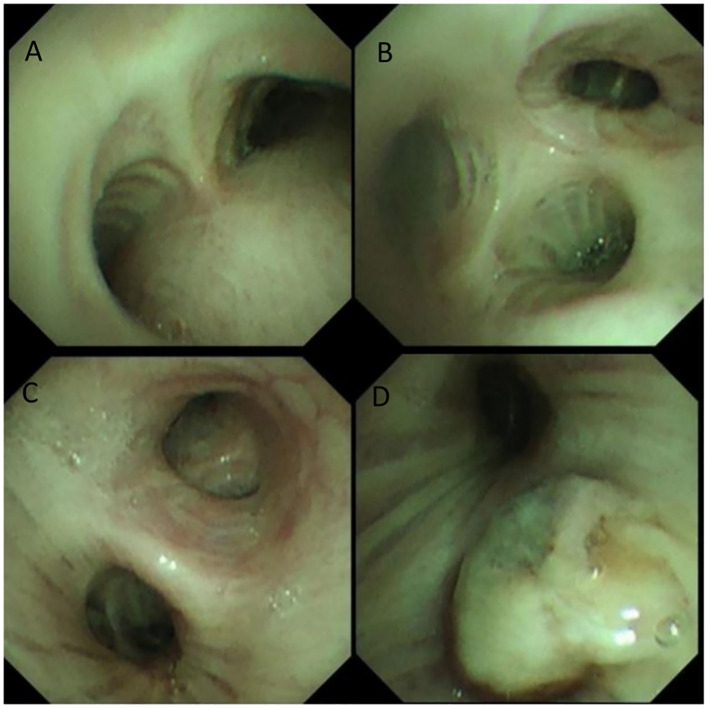 Figure 2
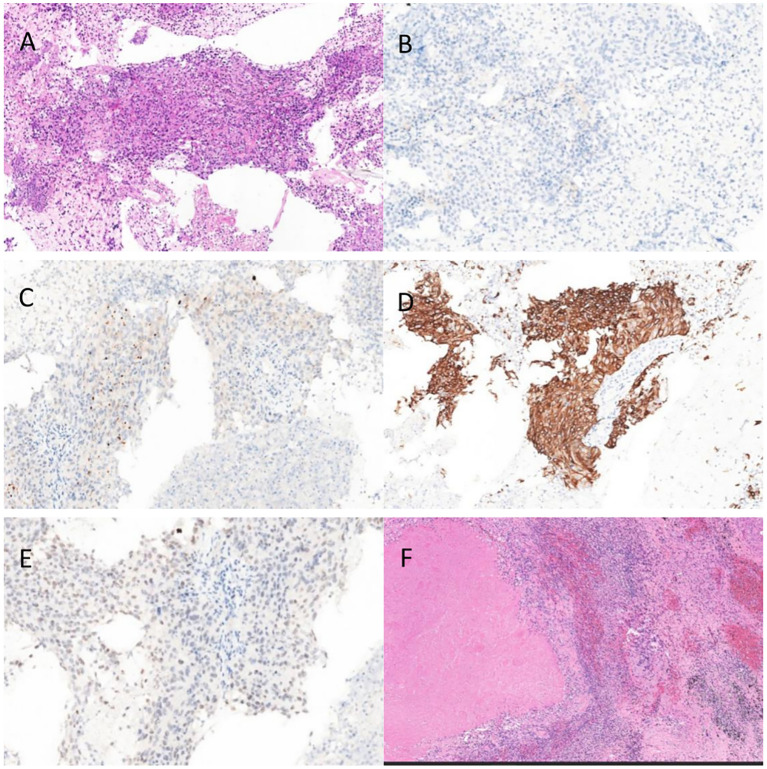 Figure 3
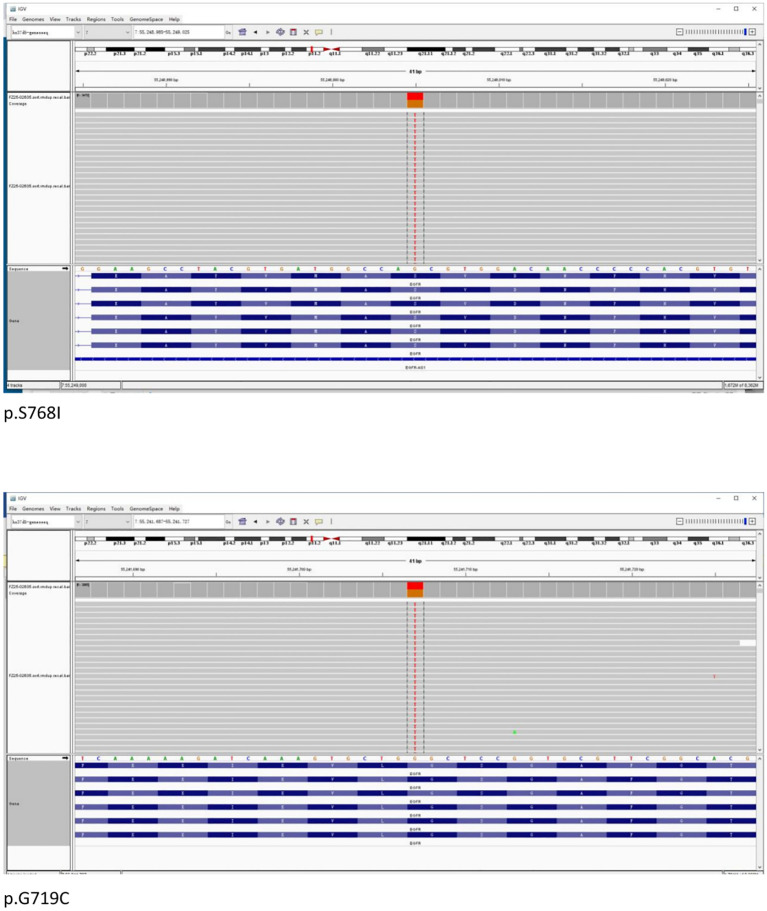 Figure 4
Peer Reviews
No public reviews on file for this paper yet. If you reviewed it on a platform where reviews are public (OpenReview, ICLR, NeurIPS, ICML), you can paste yours below so the community can read it here.
Videos
No videos yet. Explain this paper in a talk, walkthrough, or lecture? Add one.
Taxonomy
TopicsLung Cancer Treatments and Mutations · Interstitial Lung Diseases and Idiopathic Pulmonary Fibrosis · Melanoma and MAPK Pathways