Steroid‐Refractory Cryptogenic Organising Pneumonia (COP) in a Patient With Mannose‐Binding Lectin (MBL) Deficiency
Ilias E. Dimeas, Sotirios I. Sinis, Paraskevi Kirgou, Cormac McCarthy, Zoe Daniil

TL;DR
A 67-year-old man with steroid-resistant cryptogenic organizing pneumonia showed improvement with hydroxychloroquine after being found to have a deficiency in mannose-binding lectin, which may affect cell clearance and inflammation.
Contribution
This case proposes a novel link between mannose-binding lectin deficiency and steroid-refractory cryptogenic organizing pneumonia, suggesting hydroxychloroquine as a potential treatment.
Findings
The patient had frequent exacerbations of cryptogenic organizing pneumonia despite standard steroid therapy.
Mannose-binding lectin deficiency was identified, potentially impairing apoptotic cell clearance and contributing to inflammation.
Low-dose hydroxychloroquine led to disease remission, indicating a possible immunomodulatory treatment approach.
Abstract
We report a 67‐year‐old man with a relapse characterised by fever, respiratory failure and bilateral infiltrates following completion of a short‐term empirical methylprednisolone regimen for a similar episode. Serum, upper respiratory tract and bronchoalveolar lavage samples were negative for infection, whereas an extensive antibody panel showed no remarkable findings. The presence of migratory opacities on chest imaging, a mixed cellular lavage pattern and prior steroid responsiveness supported a provisional diagnosis of cryptogenic organising pneumonia. During outpatient follow‐up, frequent exacerbations occurred, barring any steroid tapering attempts. An individualised pathophysiological hypothesis is proposed for the recalcitrant course following incidental detection of mannose‐binding lectin deficiency. Given the potential role of mannose binding lectin in apoptotic cell clearance…
Genes, proteins, chemicals, diseases, species, mutations and cell lines named across the full text — each resolved to its canonical identifier and authoritative record.
Click any figure to enlarge with its caption.
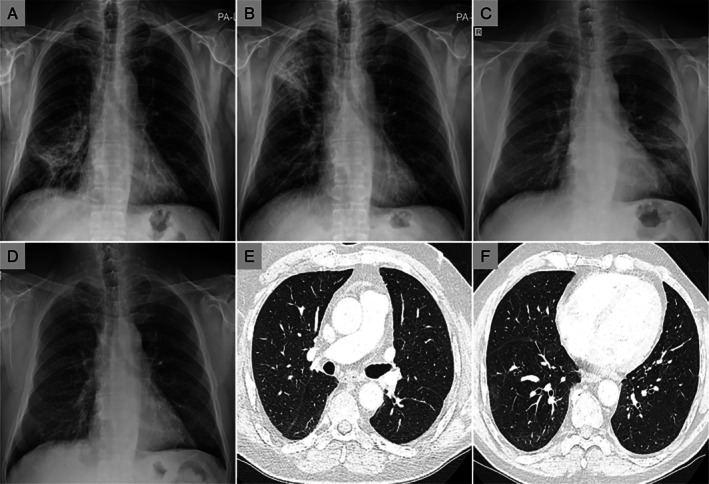 Figure 1
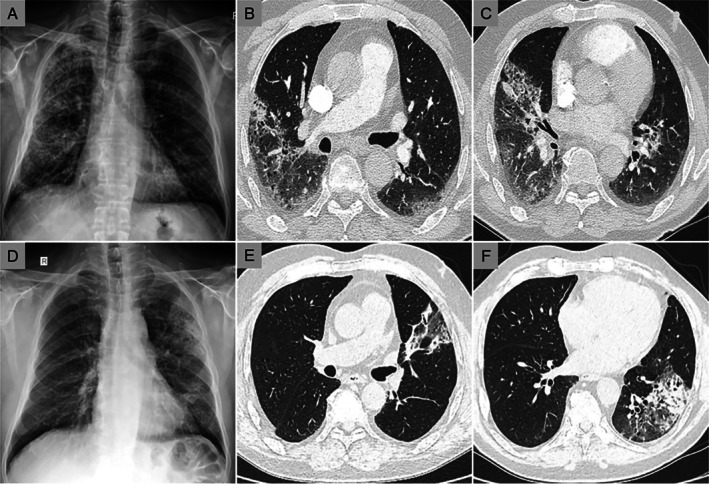 Figure 2
 Figure 3
Peer Reviews
No public reviews on file for this paper yet. If you reviewed it on a platform where reviews are public (OpenReview, ICLR, NeurIPS, ICML), you can paste yours below so the community can read it here.
Videos
No videos yet. Explain this paper in a talk, walkthrough, or lecture? Add one.
Taxonomy
TopicsComplement system in diseases · Cystic Fibrosis Research Advances · Multiple Myeloma Research and Treatments