Engineering Surface Chemistry to Enhance Ferroelectric Phase Formation in Ultrathin PVDF-TrFE Films
Andres Mosquera-Vallin, Arnaud Hemmerle, Jon Maiz, Alberto Alvarez-Fernandez

TL;DR
This paper shows how changing the surface chemistry of substrates can improve the formation of ferroelectric phases in ultrathin PVDF-TrFE polymer films.
Contribution
A new strategy for enhancing ferroelectric phase formation in ultrathin films by modifying substrate surface chemistry.
Findings
Hydrophobic surfaces promote higher electroactive β-phase content and better crystalline texture in PVDF-TrFE films.
Film coverage and crystalline domain size are significantly improved on hydrophobic substrates.
Brush chemistry and copolymer composition both strongly influence phase behavior and morphology.
Abstract
The development of flexible, lightweight electronic devices has driven growing interest in ferroelectric polymers, with a focus on poly(vinylidene fluoride-trifluoroethylene) (PVDF-TrFE) copolymers. These materials offer solution processability, mechanical flexibility, and high remanent polarization, making them well-suited for applications in sensors, nonvolatile memories, and energy harvesters. However, as film thickness is reduced below 50 nm, crystallization becomes increasingly sensitive to interfacial interactions, leading to variations in phase composition and surface morphology. This work investigates how controlled modifications to substrate surface chemistry influence the crystallization behavior of ultrathin PVDF-TrFE films. To this end, polymer brushes of varying polarity were grafted onto silicon oxide substrates to create a systematic gradient in surface energy, spanning…
Genes, proteins, chemicals, diseases, species, mutations and cell lines named across the full text — each resolved to its canonical identifier and authoritative record.
Click any figure to enlarge with its caption.
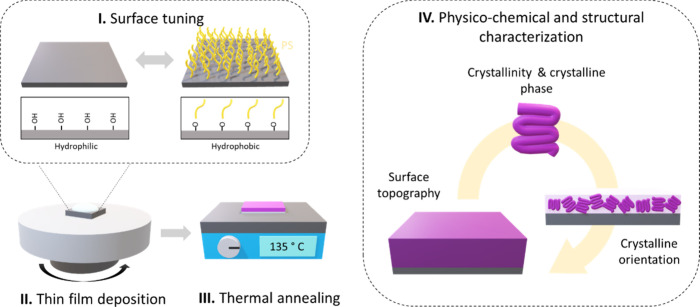 Figure 1
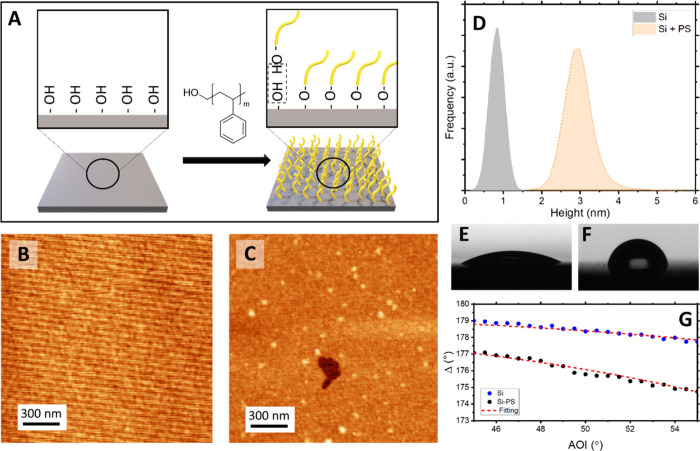 Figure 2
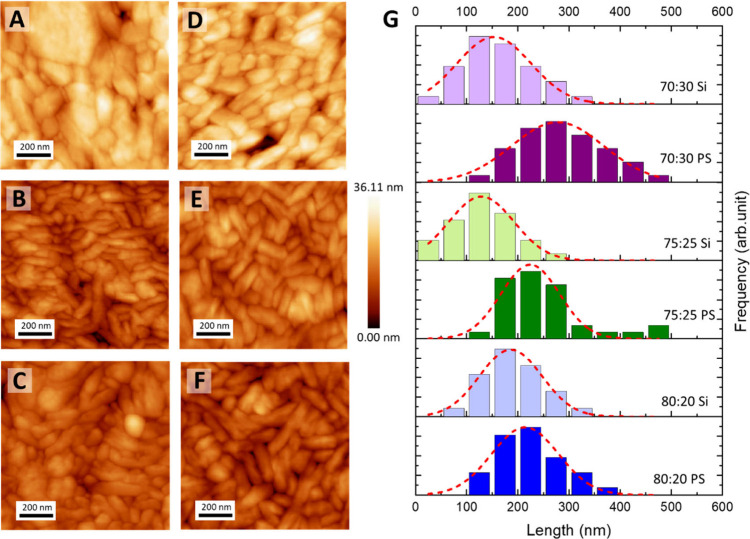 Figure 3
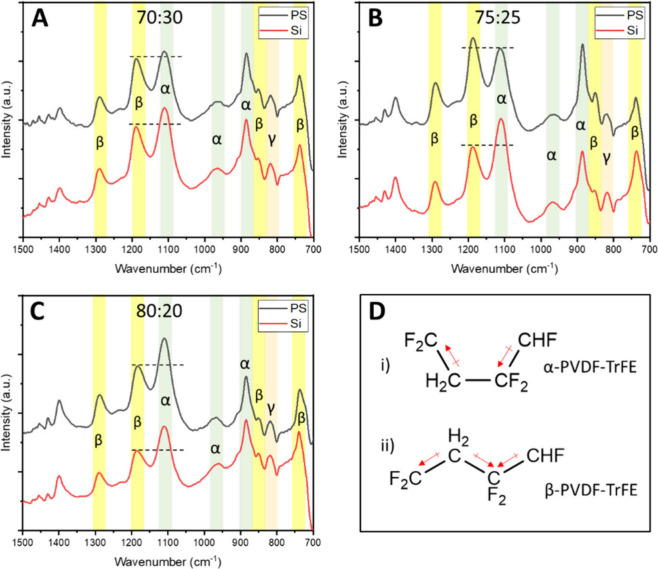 Figure 4
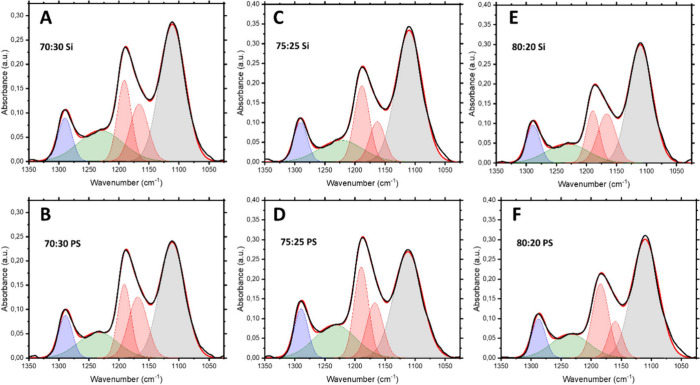 Figure 5
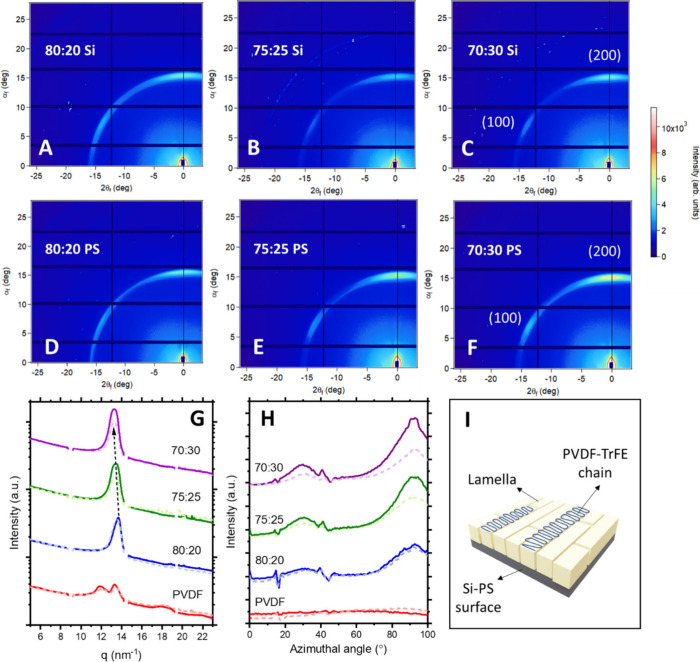 Figure 6
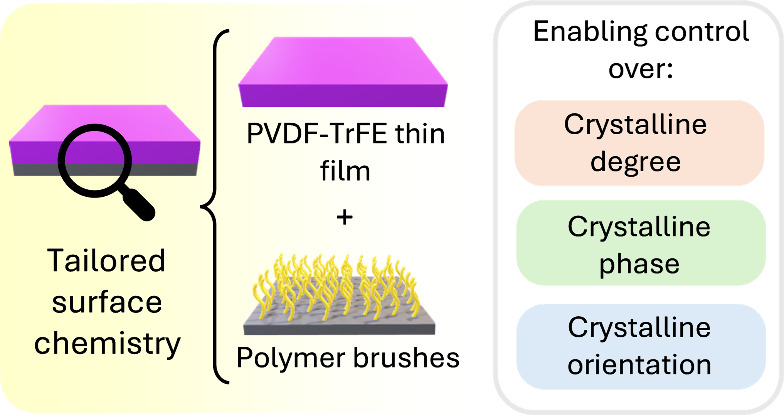 Figure 7
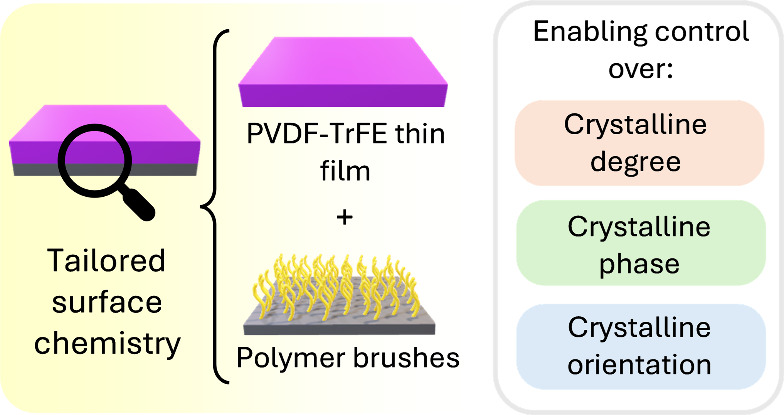 Figure 8
Peer Reviews
No public reviews on file for this paper yet. If you reviewed it on a platform where reviews are public (OpenReview, ICLR, NeurIPS, ICML), you can paste yours below so the community can read it here.
Videos
No videos yet. Explain this paper in a talk, walkthrough, or lecture? Add one.
Taxonomy
TopicsAdvanced Sensor and Energy Harvesting Materials · Dielectric materials and actuators · Surface Modification and Superhydrophobicity