Multiphoton Absorption Spectra of Channelrhodopsin‑2 via Multiscale Simulation Methods
David Carrasco-Busturia, Mathieu Linares, Patrick Norman, Jógvan Magnus Haugaard Olsen

TL;DR
This paper introduces a detailed computational method to study the light absorption properties of a key optogenetics protein, Channelrhodopsin-2, using advanced simulation techniques.
Contribution
The paper presents a novel multiscale simulation methodology to compute one-, two-, and three-photon absorption spectra of ChR2.
Findings
The multiscale method accurately computes one-photon absorption spectra matching experimental data.
Theoretical two- and three-photon absorption spectra of ChR2 are reported for the first time.
Spectral differences arise from structural variations captured by classical and quantum simulations.
Abstract
Channelrhodopsin-2 (ChR2) is a light-gated ion channel widely used in optogenetics, a technique that enables precise control of neuronal activity by genetically engineering light-sensitive proteins into cell membranes. This protein exists in dimeric form, with each monomer containing a retinal Schiff base (RSB) moiety covalently bonded that undergoes trans–cis isomerization upon light absorption. However, the limited penetration depth of visible light in biological tissues motivates the use of multiphoton-absorption techniques, which enhance tissue penetration, improve focality, and reduce phototoxicity, thereby offering a promising alternative for optogenetic applications. In this paper, we present a fully atomistic multiscale methodology for computing the one-, two-, and three-photon absorption spectra of ChR2, where the protein, lipid bilayer, and solvent are explicitly considered…
Genes, proteins, chemicals, diseases, species, mutations and cell lines named across the full text — each resolved to its canonical identifier and authoritative record.
Click any figure to enlarge with its caption.
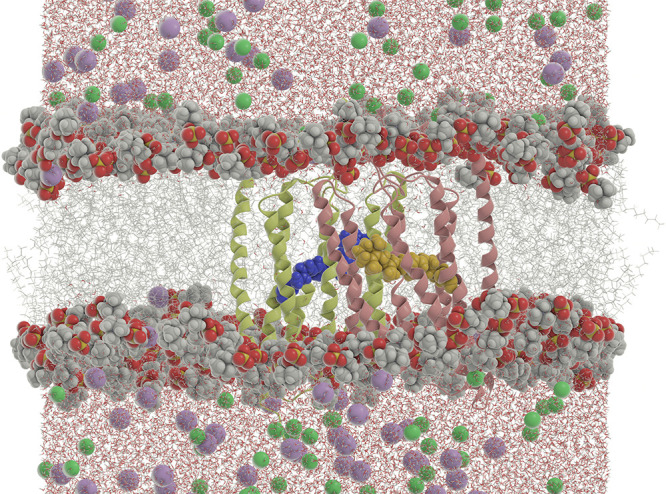 Figure 1
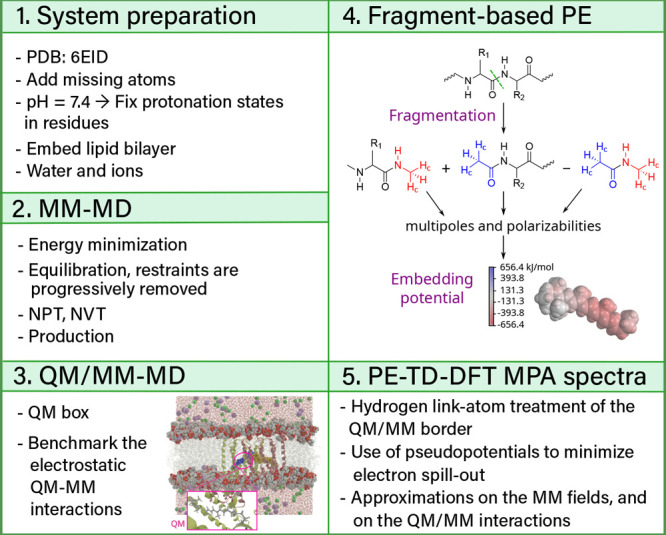 Figure 2
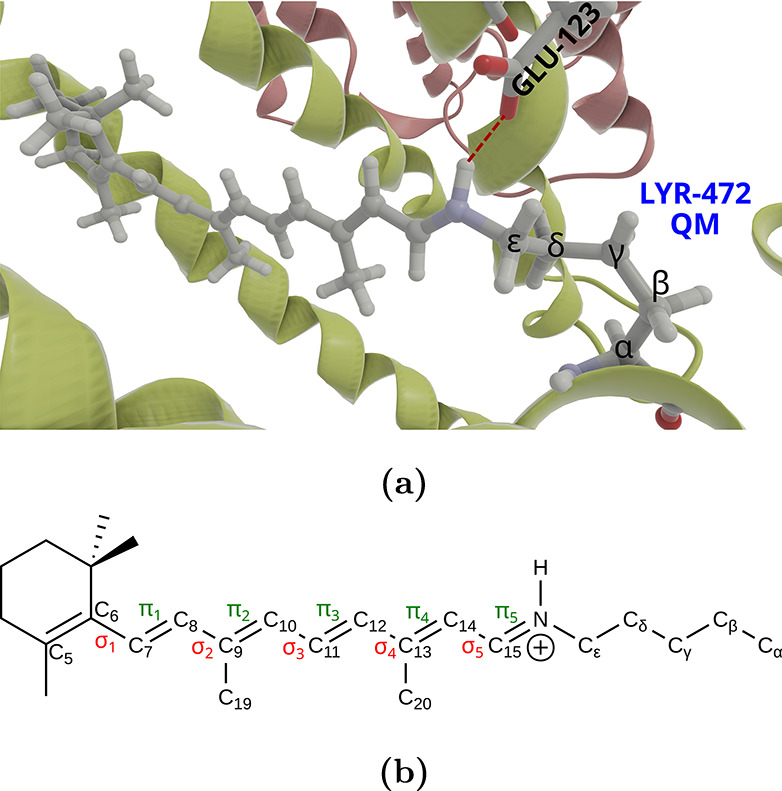 Figure 3
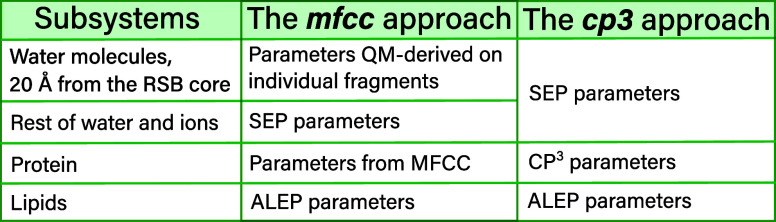 Figure 4
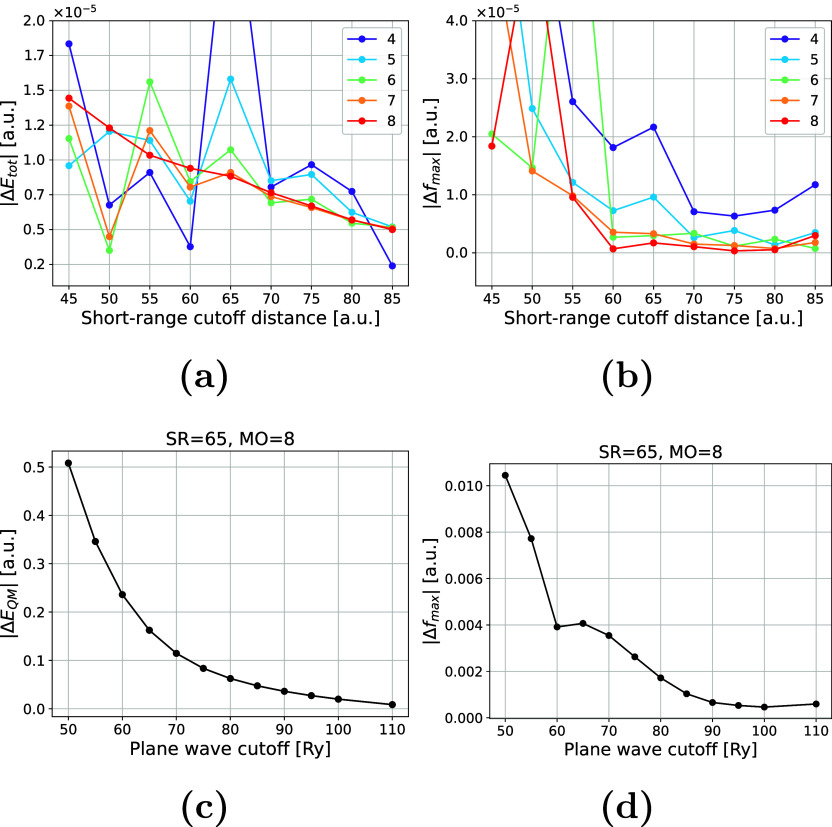 Figure 5
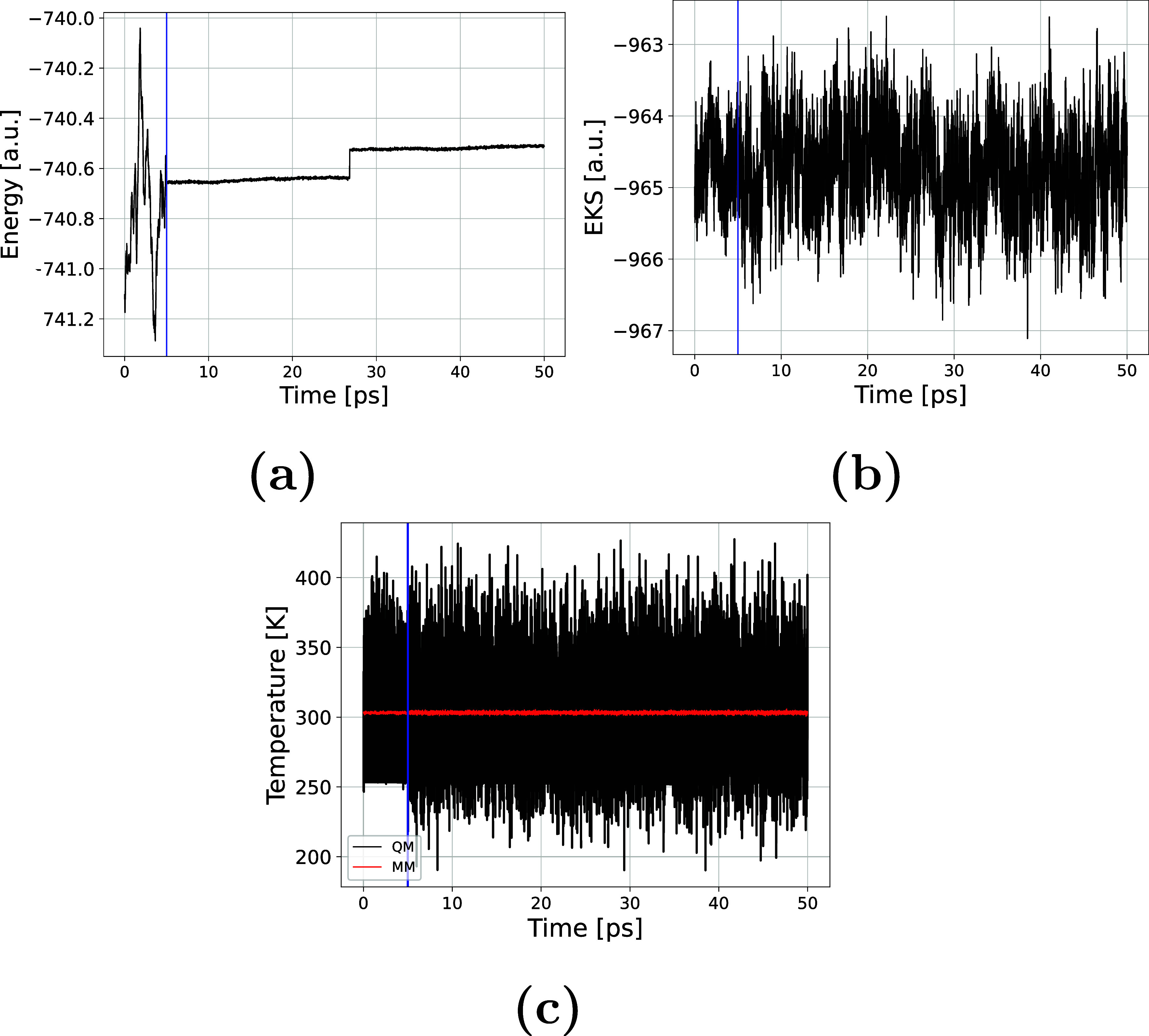 Figure 6
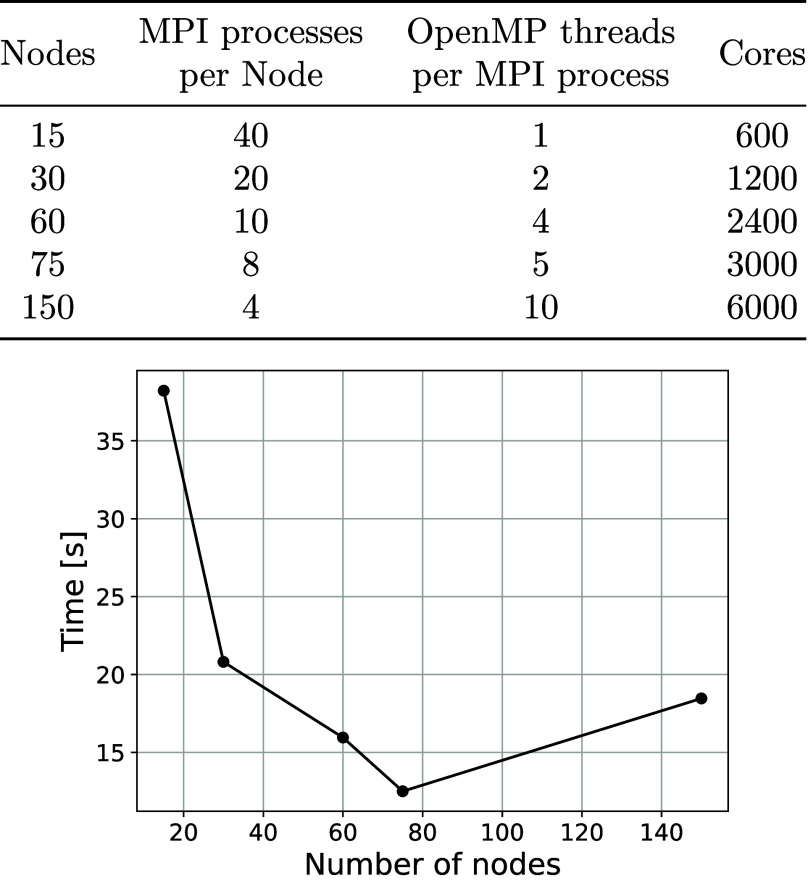 Figure 7
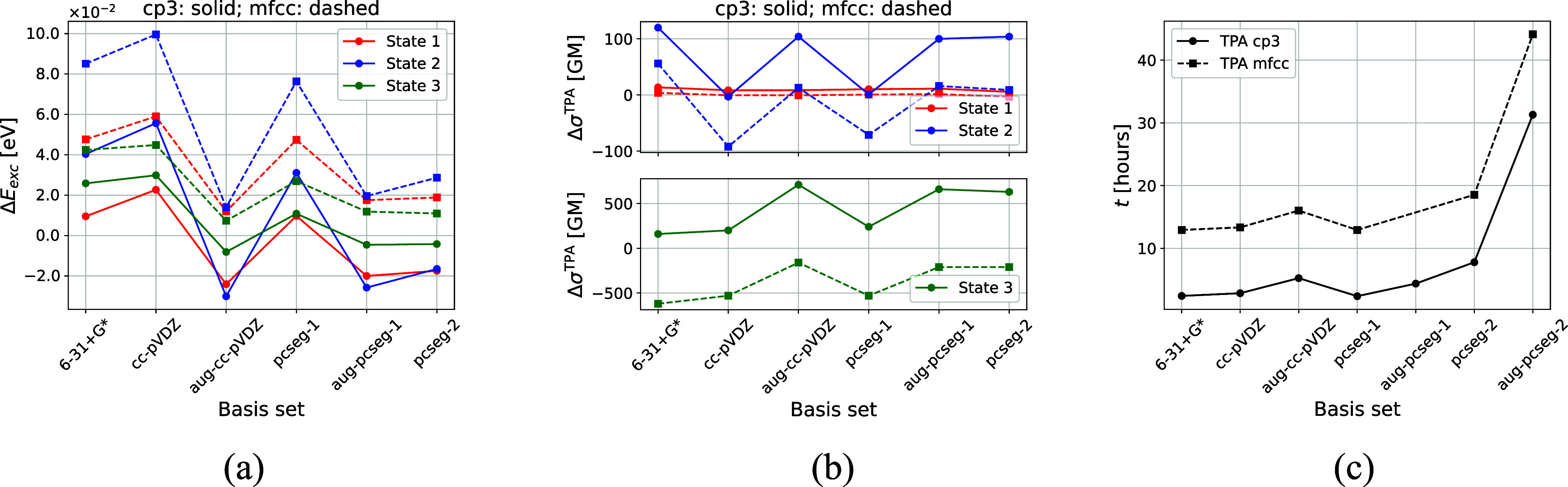 Figure 8
 Figure 9
 Figure 10
 Figure 11
 Figure 12
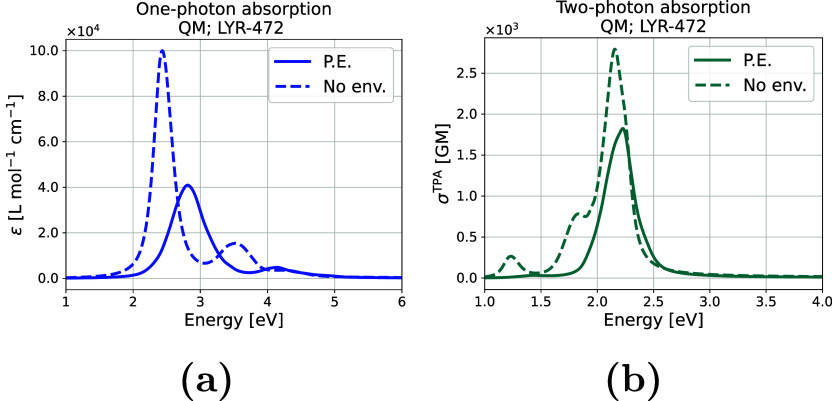 Figure 13
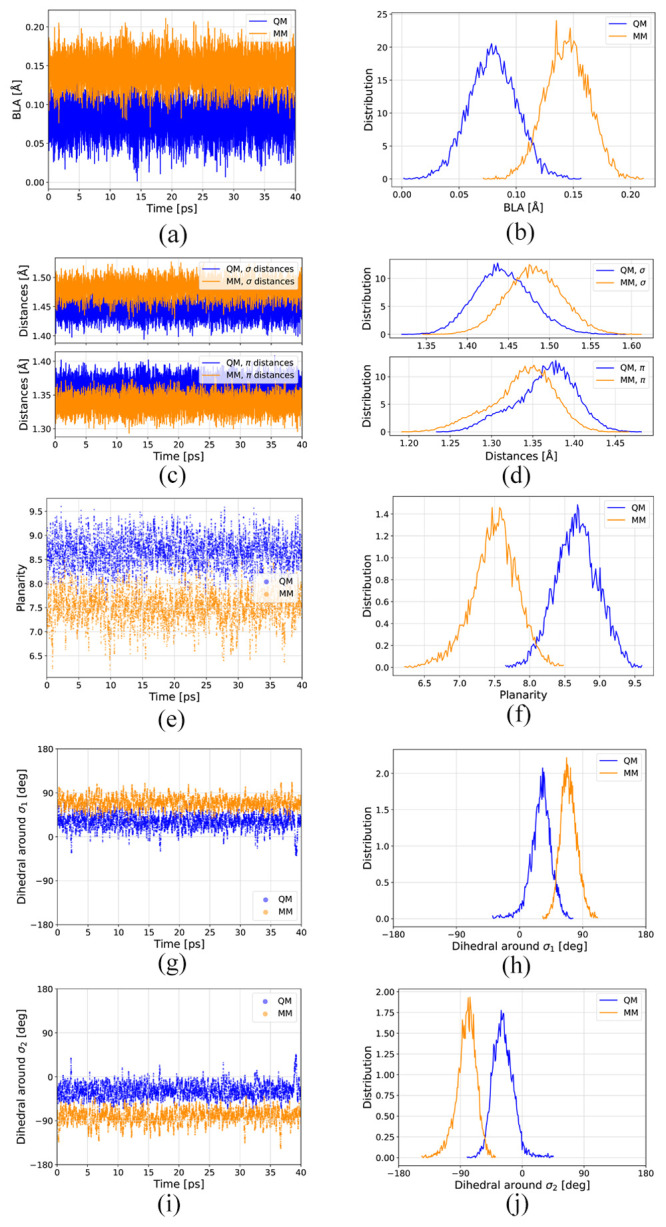 Figure 14
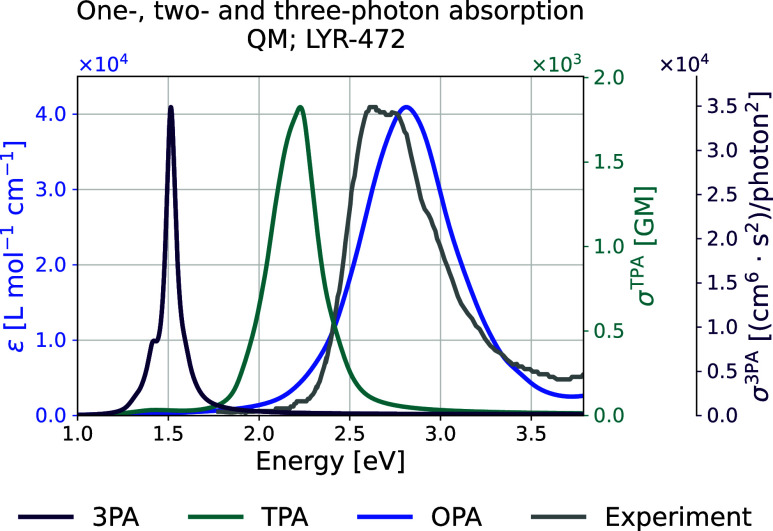 Figure 15
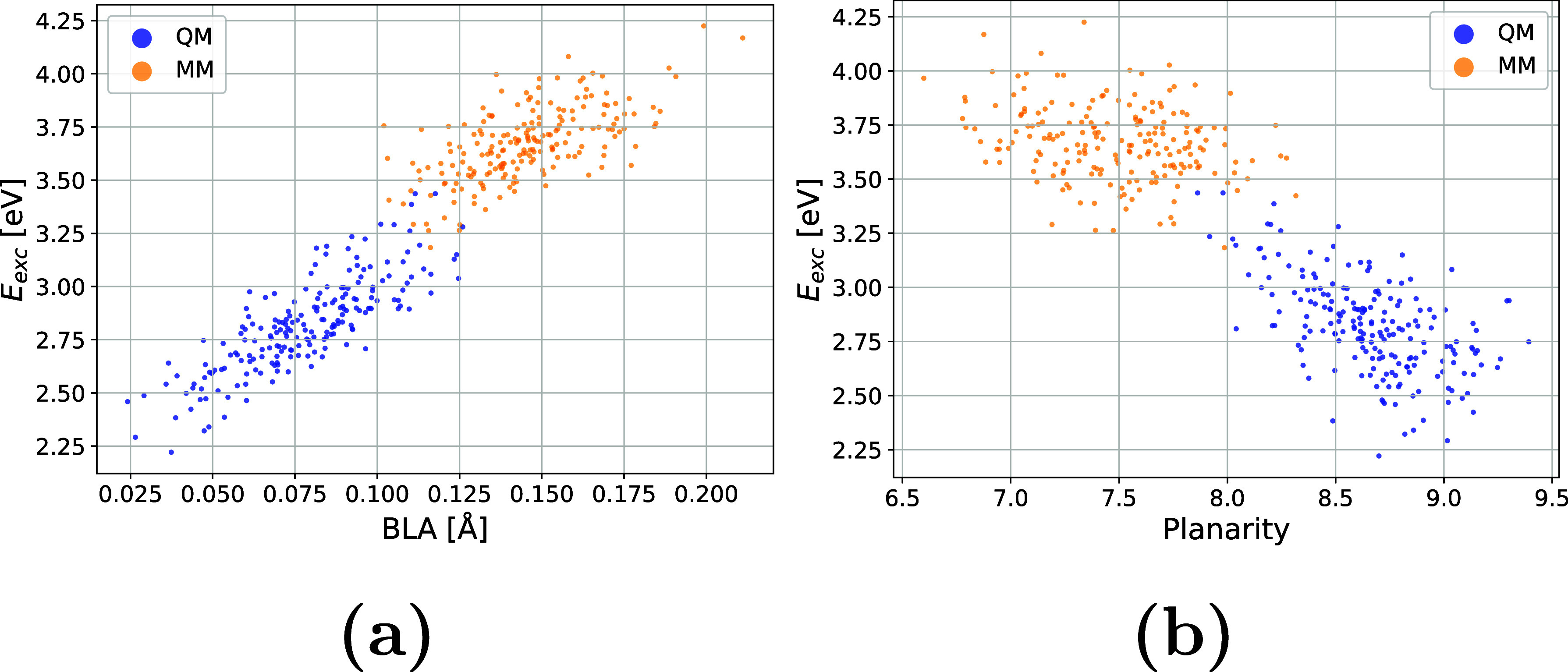 Figure 16
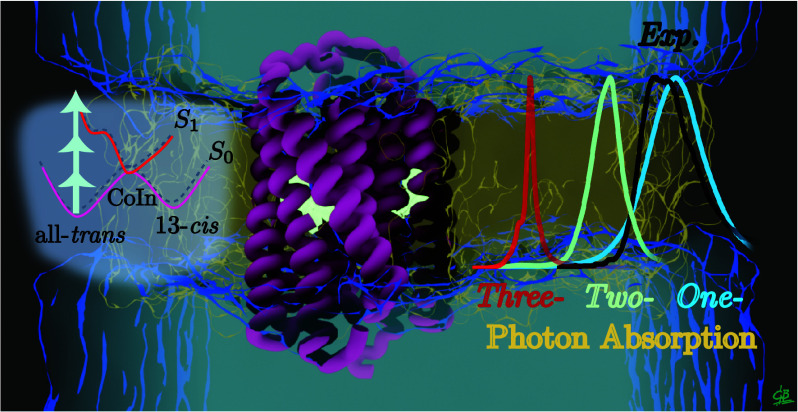 Figure 17
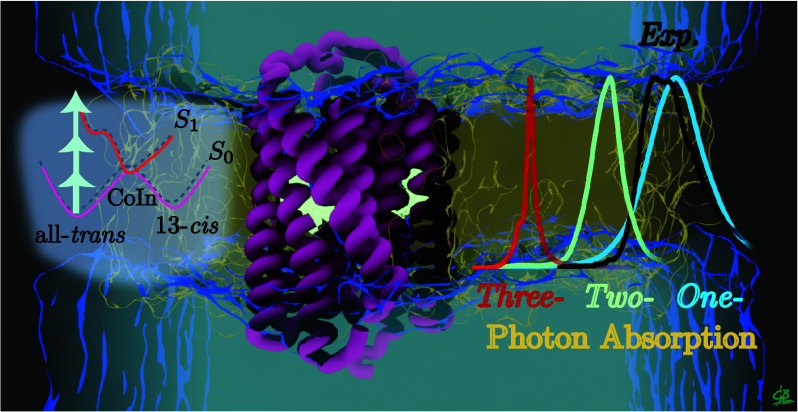 Figure 18
 Figure 19
 Figure 20
 Figure 21
 Figure 22
 Figure 23
 Figure 24
 Figure 25
 Figure 26
 Figure 27
 Figure 28
 Figure 29
 Figure 30
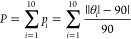 Figure 31
Peer Reviews
No public reviews on file for this paper yet. If you reviewed it on a platform where reviews are public (OpenReview, ICLR, NeurIPS, ICML), you can paste yours below so the community can read it here.
Videos
No videos yet. Explain this paper in a talk, walkthrough, or lecture? Add one.
Taxonomy
TopicsPhotoreceptor and optogenetics research · Nonlinear Optical Materials Studies · Advanced Fluorescence Microscopy Techniques