Spin-Permutation Diabatization: A General Framework for Spin Localization and Exchange Coupling
Alicia Omist, David Casanova

TL;DR
This paper introduces a new method to analyze spin interactions in molecules, enabling better understanding of magnetic couplings and electron localization.
Contribution
A novel spin-permutation diabatization framework that enables direct mapping to spin-effective Hamiltonians without orbital localization.
Findings
The method provides real-space decomposition of electronic states into localized spins.
Exchange couplings are evaluated straightforwardly for various molecular systems.
Applications demonstrate clear physical interpretations of spin interactions in complex systems.
Abstract
We present a spin-permutation diabatization strategy that transforms ab initio spin-pure eigenstates into spin-localized diabatic states, enabling direct mapping to spin-effective Hamiltonians without projection or orbital localization. The method provides both a real-space decomposition of electronic states in terms of localized spins and a straightforward evaluation of exchange couplings. Applications to several representative systems, including ethylene torsion, prototypical diradicals (benzynes, xylylenes, methylene), trimethylenebenzene triradical, singlet–triplet excited states of organic chromophores, and triplet-pair states in a tetracene dimer, demonstrate that the approach provides magnetic couplings and affords a clear physical interpretation of interacting spins. This general and conceptually transparent framework bridges ab initio electronic structure theory and spin…
Genes, proteins, chemicals, diseases, species, mutations and cell lines named across the full text — each resolved to its canonical identifier and authoritative record.
Click any figure to enlarge with its caption.
 Figure 1
 Figure 2
 Figure 3
 Figure 4
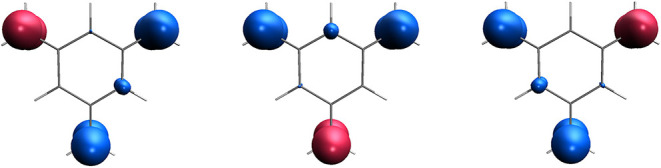 Figure 5
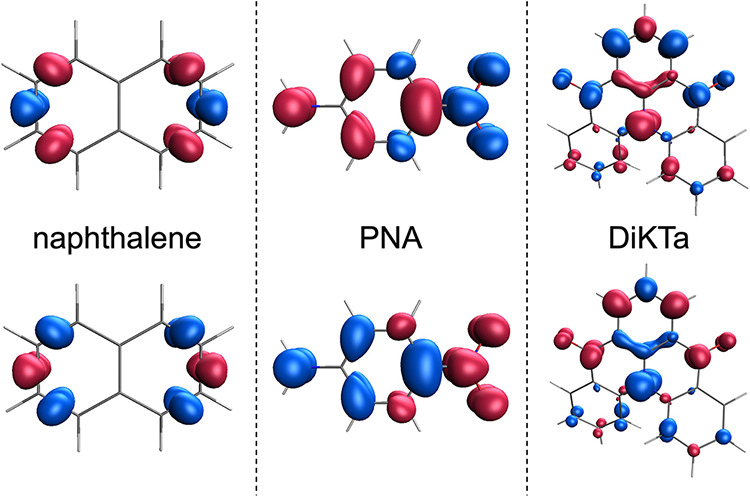 Figure 6
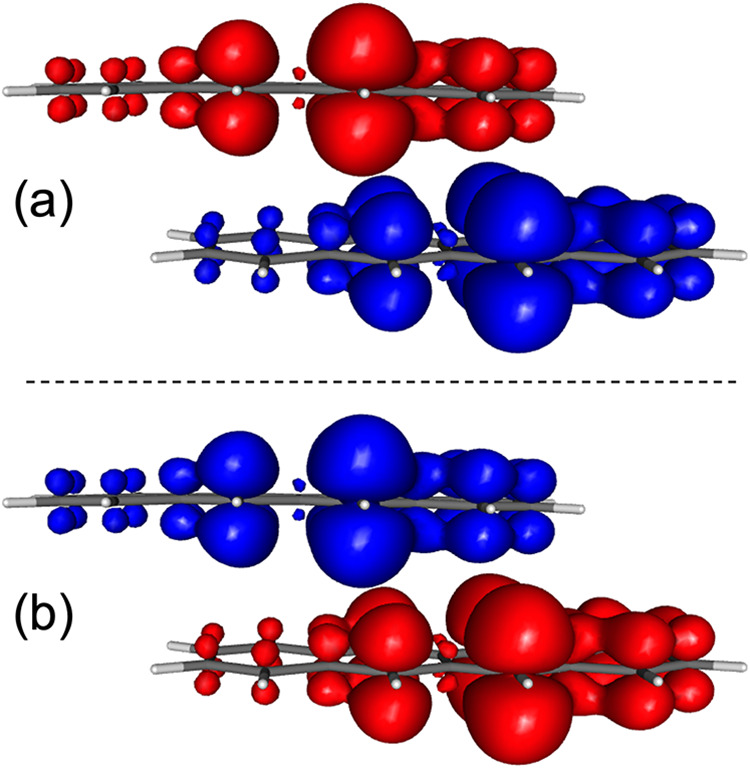 Figure 7
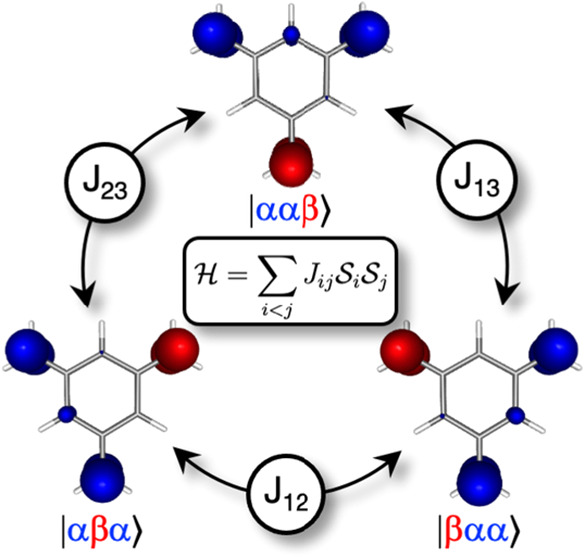 Figure 8
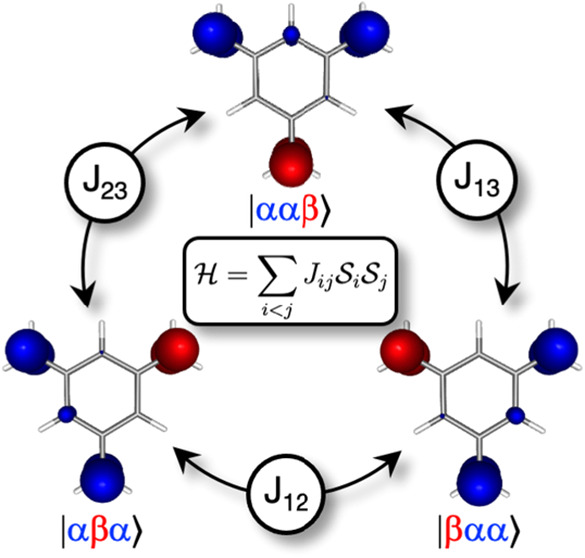 Figure 9
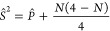 Figure 10
 Figure 11
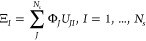 Figure 12
 Figure 13
 Figure 14
 Figure 15
 Figure 16
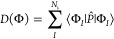 Figure 17
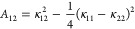 Figure 18
 Figure 19
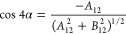 Figure 20
 Figure 21
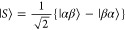 Figure 22
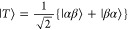 Figure 23
 Figure 24
 Figure 25
 Figure 26
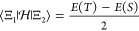 Figure 27
 Figure 28
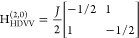 Figure 29
 Figure 30
 Figure 31
 Figure 32
 Figure 33
 Figure 34
 Figure 35
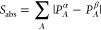 Figure 36
 Figure 37
 Figure 38
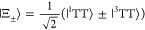 Figure 39
Peer Reviews
No public reviews on file for this paper yet. If you reviewed it on a platform where reviews are public (OpenReview, ICLR, NeurIPS, ICML), you can paste yours below so the community can read it here.
Videos
No videos yet. Explain this paper in a talk, walkthrough, or lecture? Add one.
Taxonomy
TopicsSynthesis and Properties of Aromatic Compounds · Magnetism in coordination complexes · Photochemistry and Electron Transfer Studies