Accelerating Replica Exchange Molecular Dynamics: A Comparison of Hydrogen Mass Repartitioning and Light Water Models
Steven R. Bowers, William Jeffries, Christopher Lockhart, Dmitri K. Klimov

TL;DR
This paper compares two methods for speeding up molecular simulations and finds that one method, hydrogen mass repartitioning, is more efficient than the other.
Contribution
The study introduces a hybrid light water model and compares computational efficiency of hydrogen mass repartitioning and light water models in replica exchange simulations.
Findings
HMR2 and HMR3 models are up to 4-fold more computationally efficient than the HMR1 reference.
The hLW model improves computational efficiency and better reproduces energetic and conformational properties than LW.
HMR3 is preferable to LW due to broader applicability and simplicity.
Abstract
Accelerating conformational sampling through changes in molecular mass is an attractive option in biomolecular modeling. Here, we examine the utility and compare the efficiency of hydrogen mass repartitioning (HMR) and light water (LW) models in the context of replica exchange (RE) simulations of an alanine dipeptide. To maintain integrator stability, we introduced scaling of integration steps with RE temperatures and determined their maximum values, assuring the stability of RE simulations. HMR2 and HMR3 models featuring doubled and tripled hydrogen masses and, to a lesser extent, the LW model reproduce the energetic and conformational properties of alanine dipeptide in water compared to the HMR1 reference. This conclusion is based on comparing kinetic and potential energies, free energy landscapes of the peptide, as well as its structural properties, including hydrogen bonding, water…
Genes, proteins, chemicals, diseases, species, mutations and cell lines named across the full text — each resolved to its canonical identifier and authoritative record.
Click any figure to enlarge with its caption.
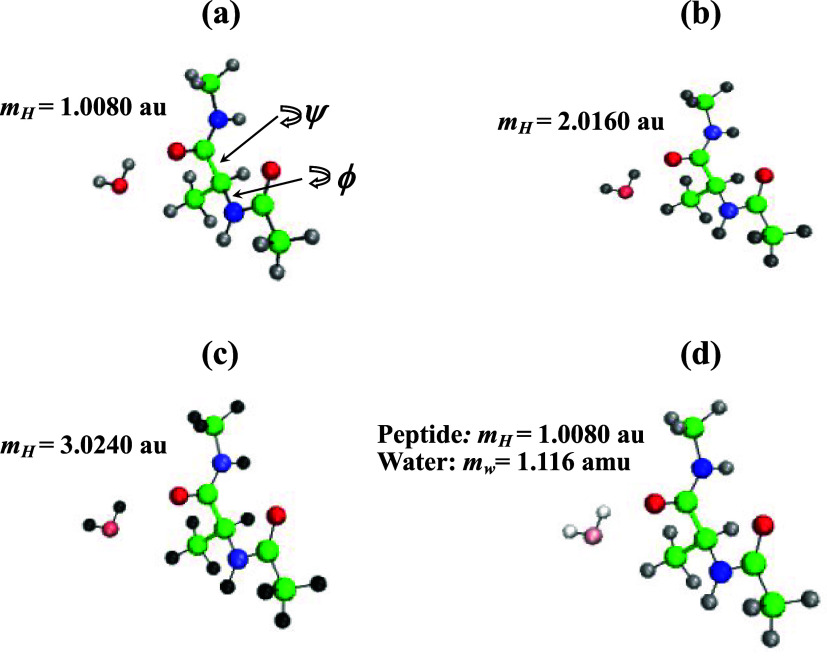 Figure 1
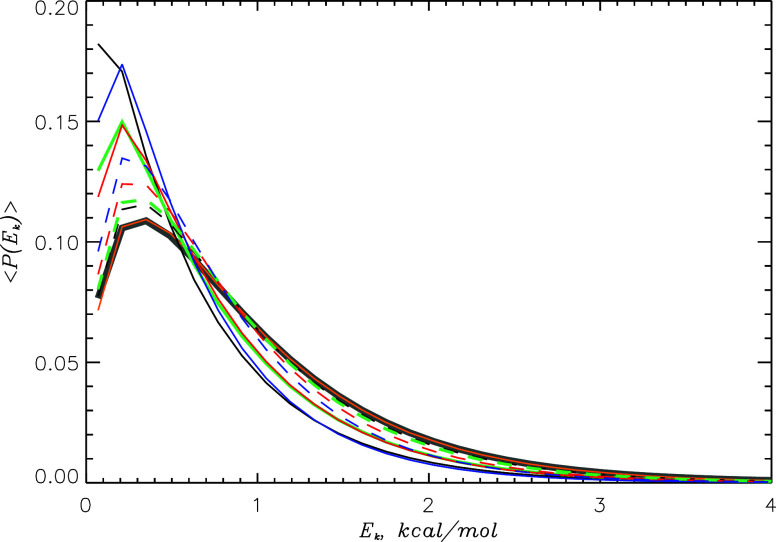 Figure 2
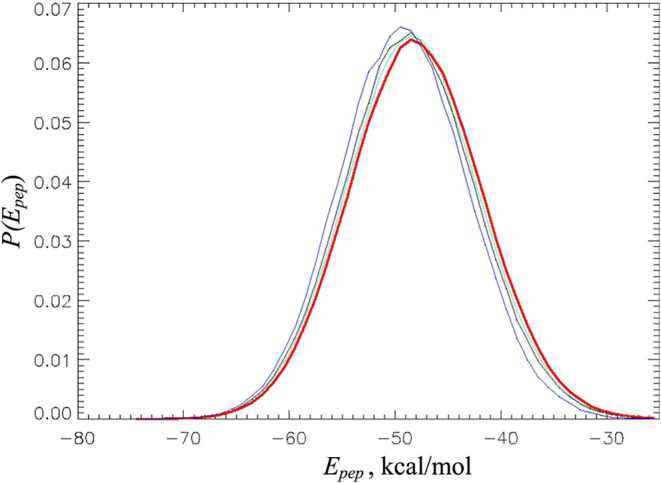 Figure 3
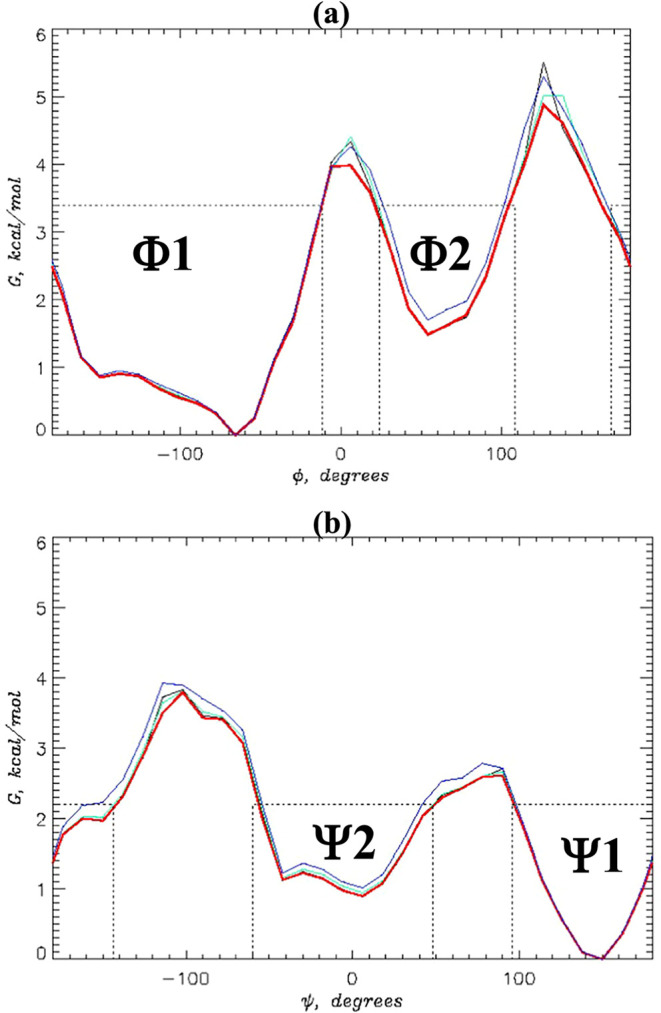 Figure 4
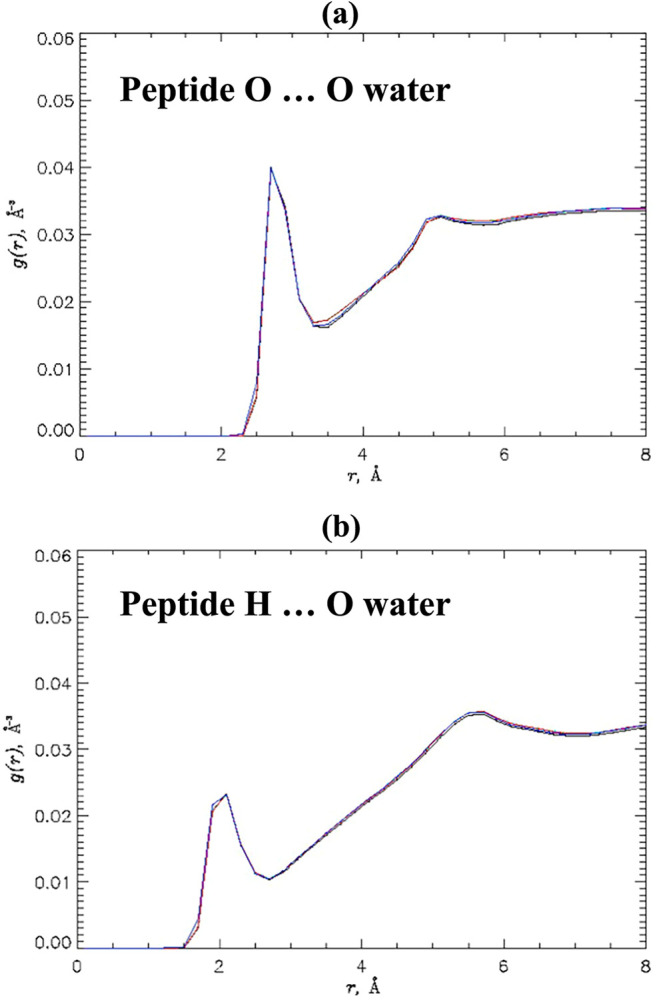 Figure 5
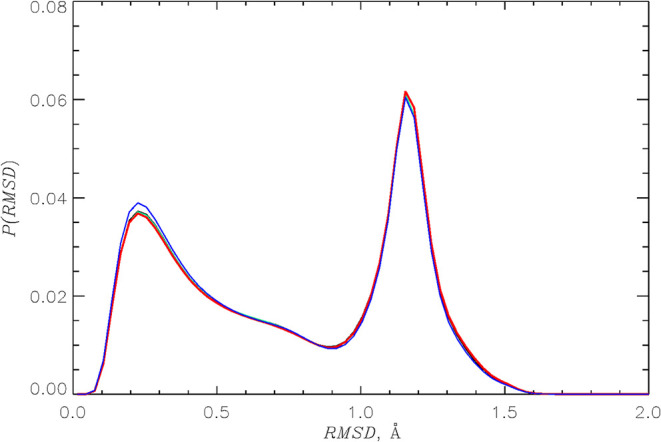 Figure 6
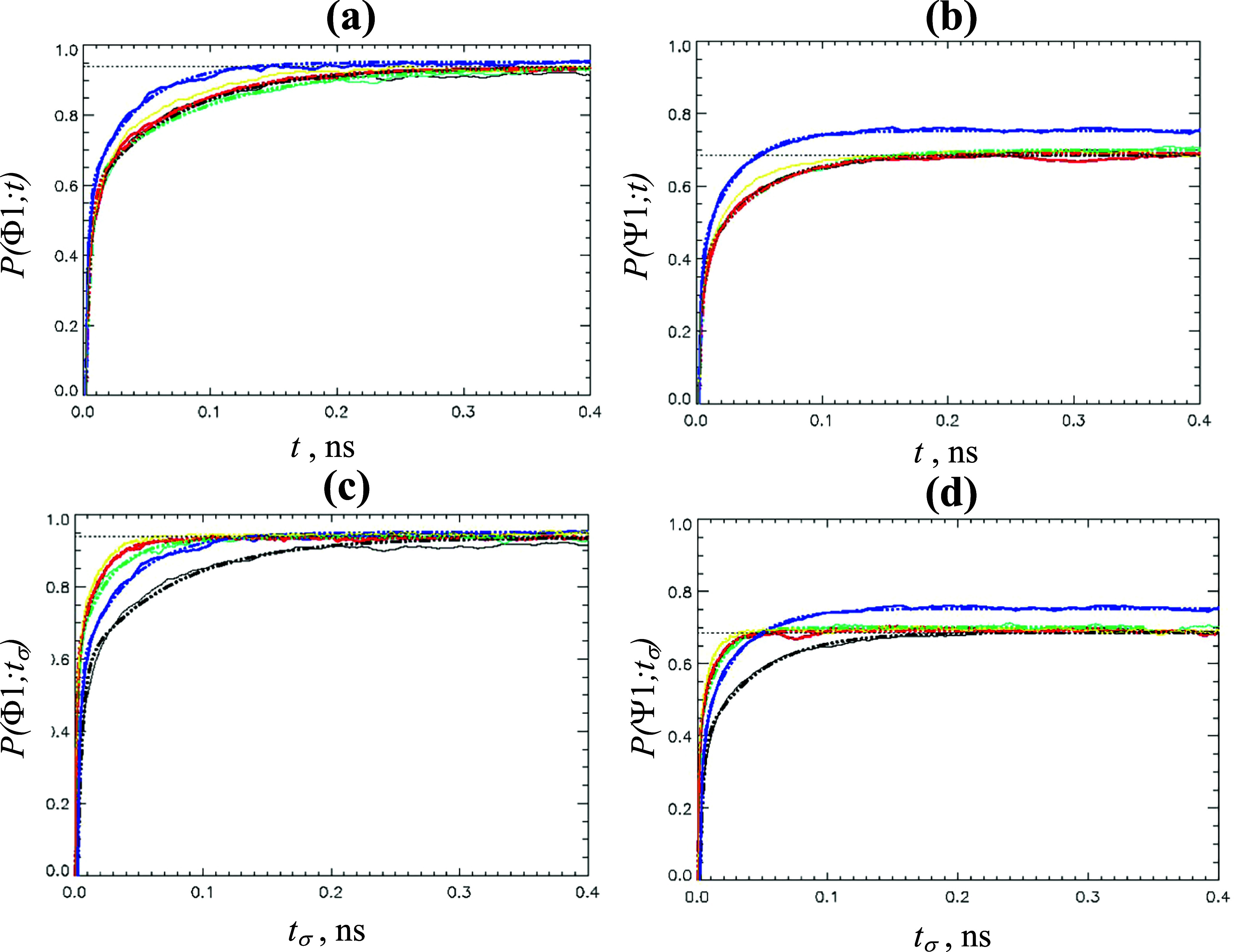 Figure 7
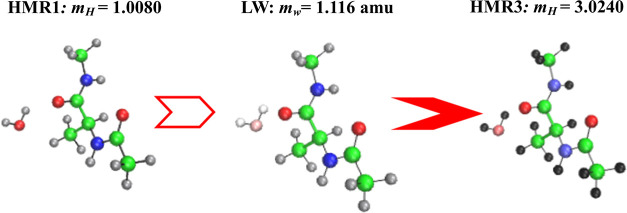 Figure 8
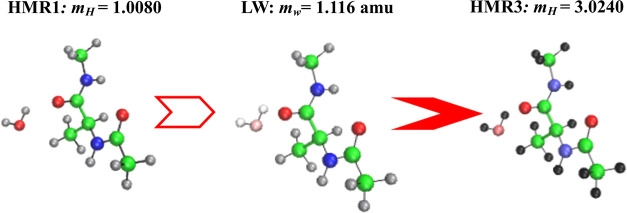 Figure 9
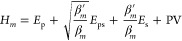 Figure 10
 Figure 11
 Figure 12
Peer Reviews
No public reviews on file for this paper yet. If you reviewed it on a platform where reviews are public (OpenReview, ICLR, NeurIPS, ICML), you can paste yours below so the community can read it here.
Videos
No videos yet. Explain this paper in a talk, walkthrough, or lecture? Add one.
Taxonomy
TopicsProtein Structure and Dynamics · Mass Spectrometry Techniques and Applications · RNA and protein synthesis mechanisms