Protocell Computing on Aragonite Substrates
Panagiotis Mougkogiannis, Andrew Adamatzky

TL;DR
Aragonite-proteinoid microstructures can perform basic computing tasks and generate signals autonomously, offering potential for bioelectronic applications.
Contribution
Aragonite-proteinoid microstructures enable Boolean logic operations and autonomous oscillatory behavior for biohybrid computing.
Findings
Aragonite-proteinoid structures perform all seven basic Boolean logic operations using analog-to-binary signal classification.
These microstructures exhibit autonomous oscillatory behavior for over 25 hours at ultralow frequencies.
They show electrochemical degradation over time but maintain stable resistive and capacitive properties.
Abstract
Aragonite-proteinoid microstructures are an emerging type of biocomputing material. They mix inorganic calcium carbonate with self-assembled organic proteinoid networks. Scanning electron microscopy shows a range of structures. These include isolated microspheres and complex networks over 50 μm. They have dendritic shapes, with uneven nodes that create linear patterns resembling simple network topologies. Electrochemical testing shows a threshold response. This allows for all seven basic Boolean logic operations: AND, OR, NOT, NAND, NOR, XOR, and XNOR. It does this by classifying analog signals into binary states. This suggests a promising future for material-based computation. Frequency-dependent square wave voltammetry shows power-law scaling. It performs best in the 30–50 Hz range, which is important for biological use. This indicates adjustable electrochemical properties that are…
Genes, proteins, chemicals, diseases, species, mutations and cell lines named across the full text — each resolved to its canonical identifier and authoritative record.
Click any figure to enlarge with its caption.
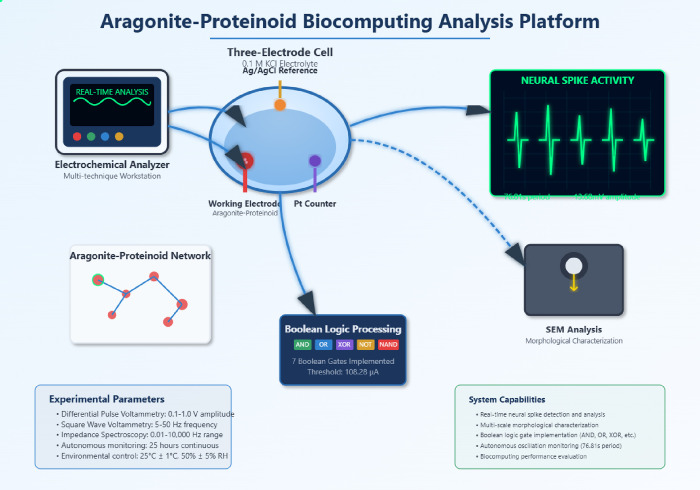 Figure 1
 Figure 2
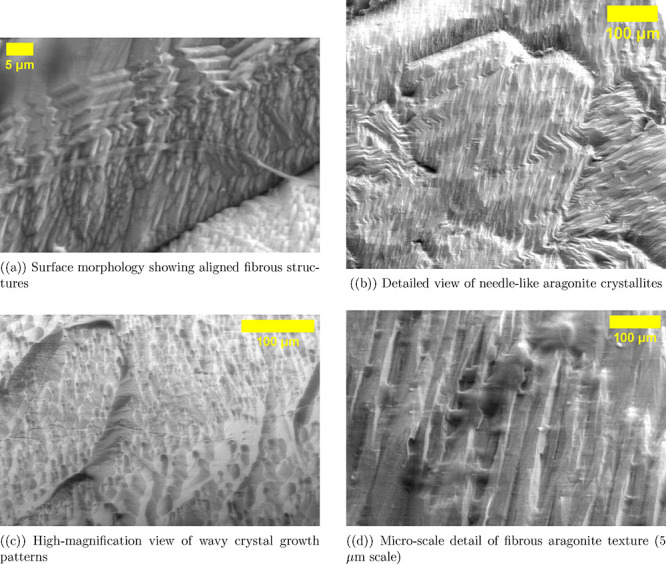 Figure 3
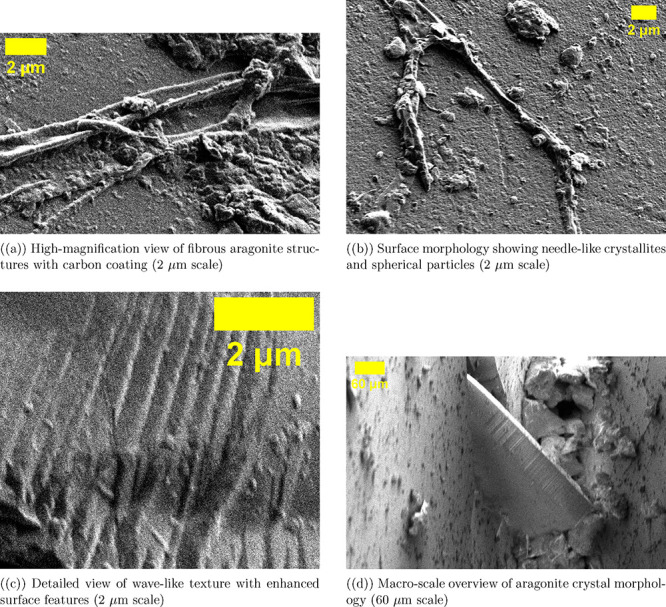 Figure 4
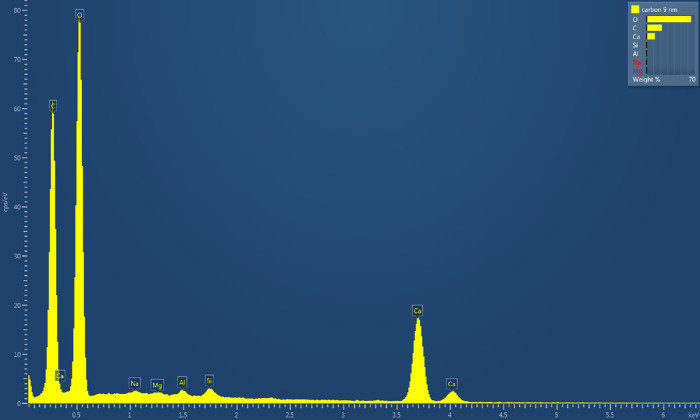 Figure 5
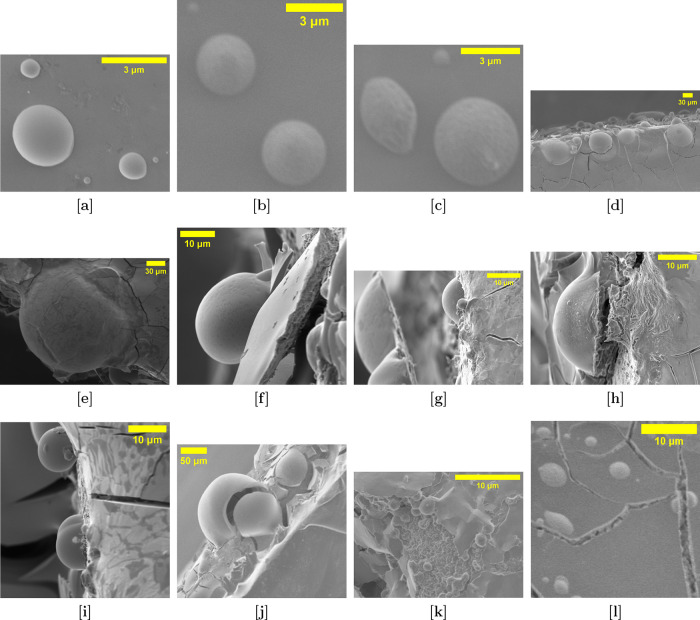 Figure 6
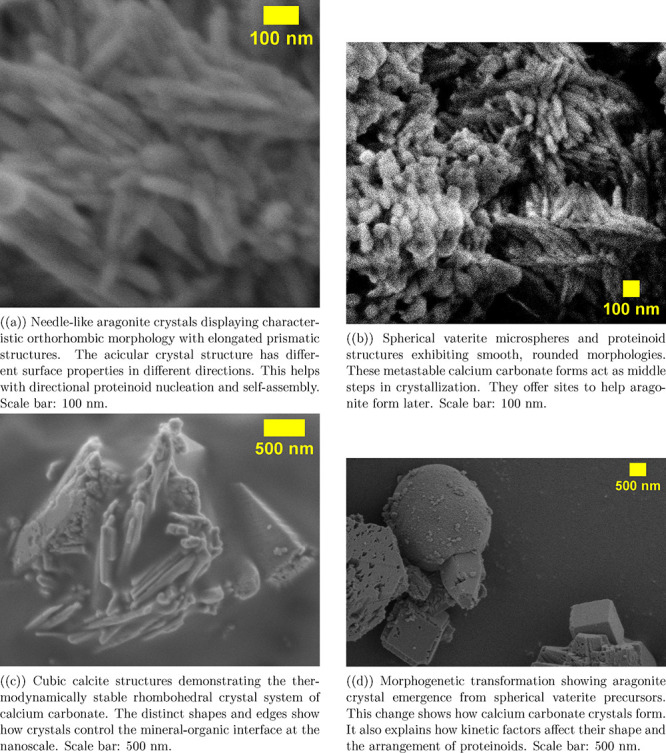 Figure 7
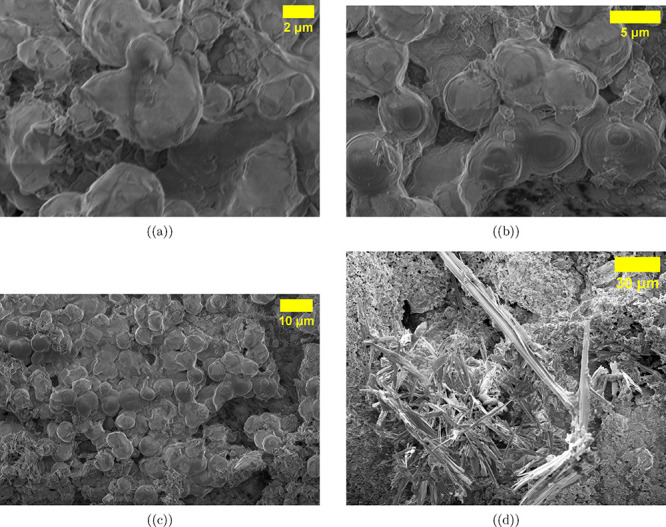 Figure 8
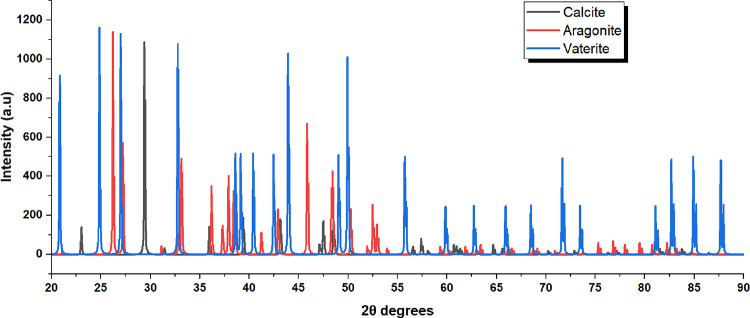 Figure 9
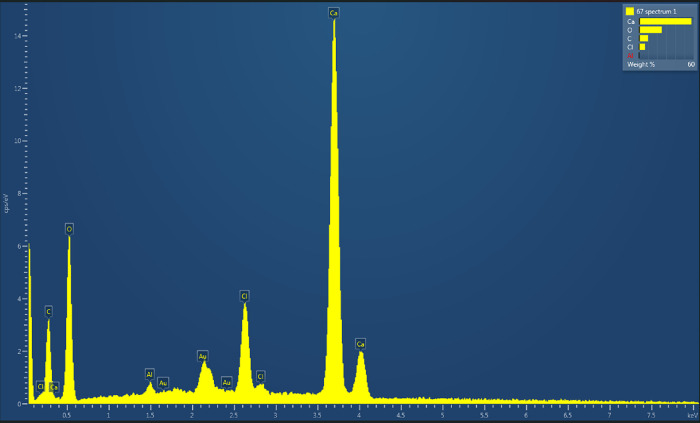 Figure 10
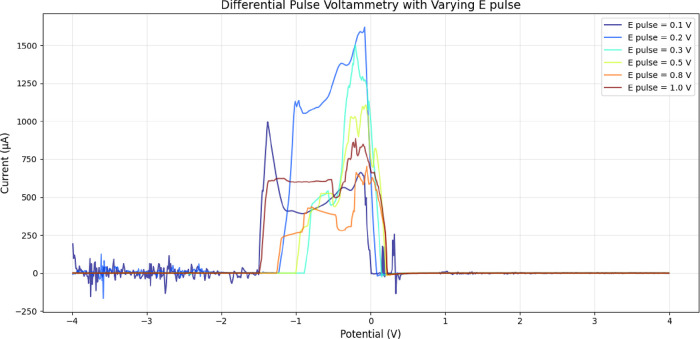 Figure 11
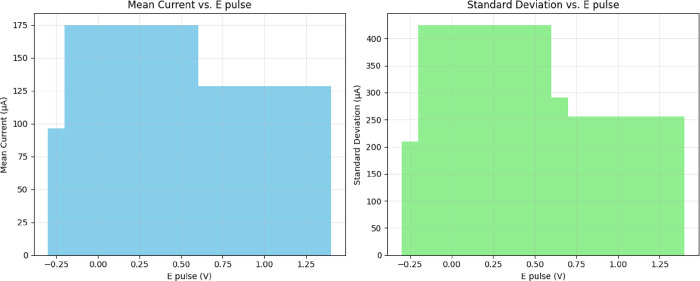 Figure 12
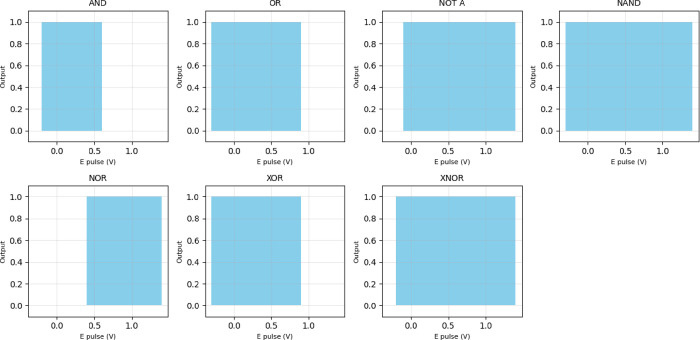 Figure 13
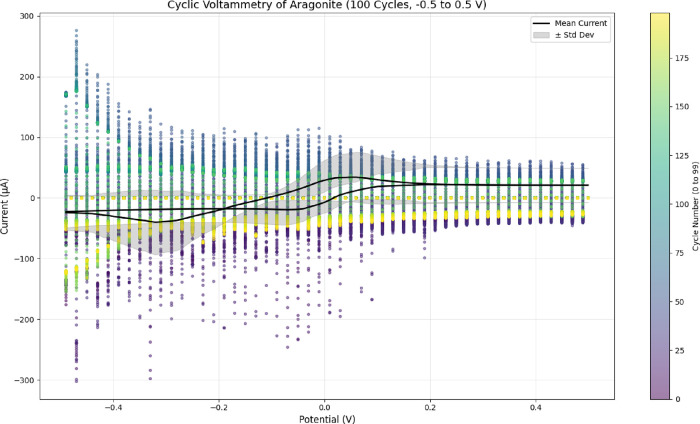 Figure 14
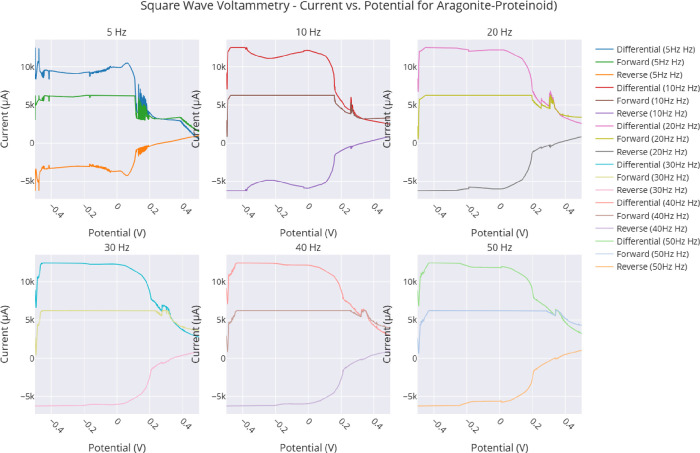 Figure 15
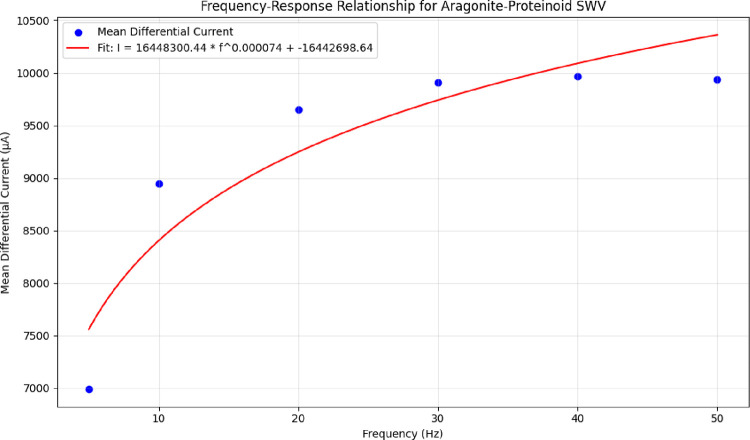 Figure 16
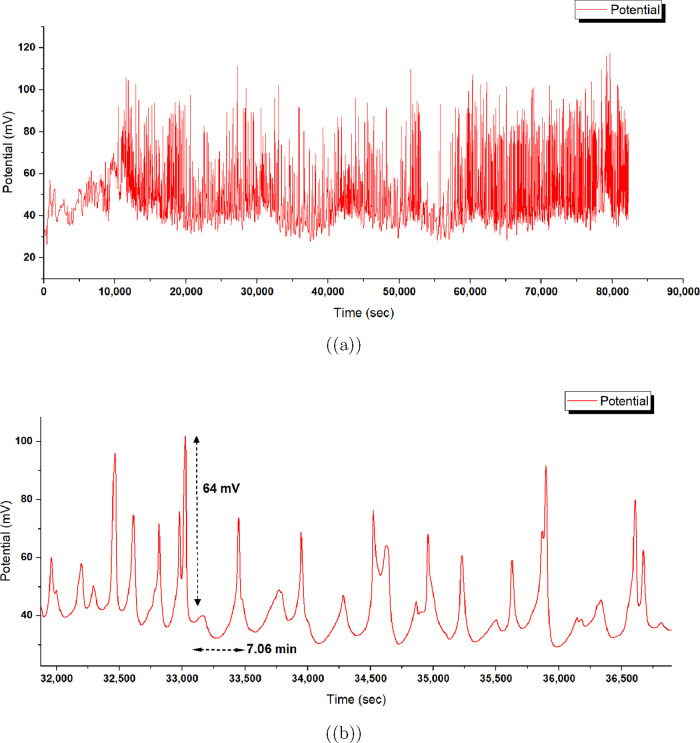 Figure 17
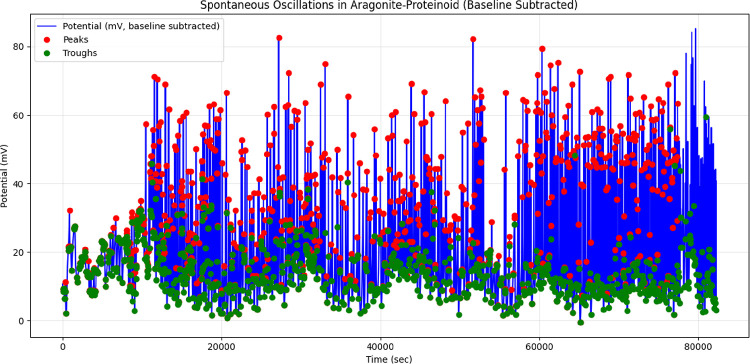 Figure 18
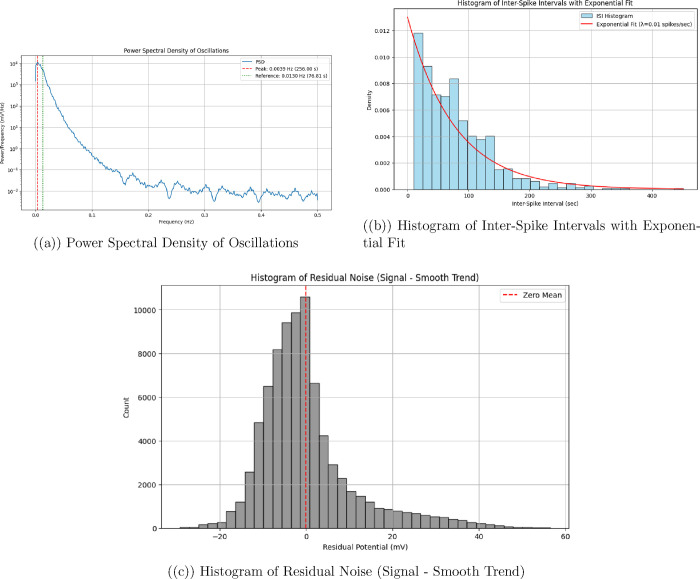 Figure 19
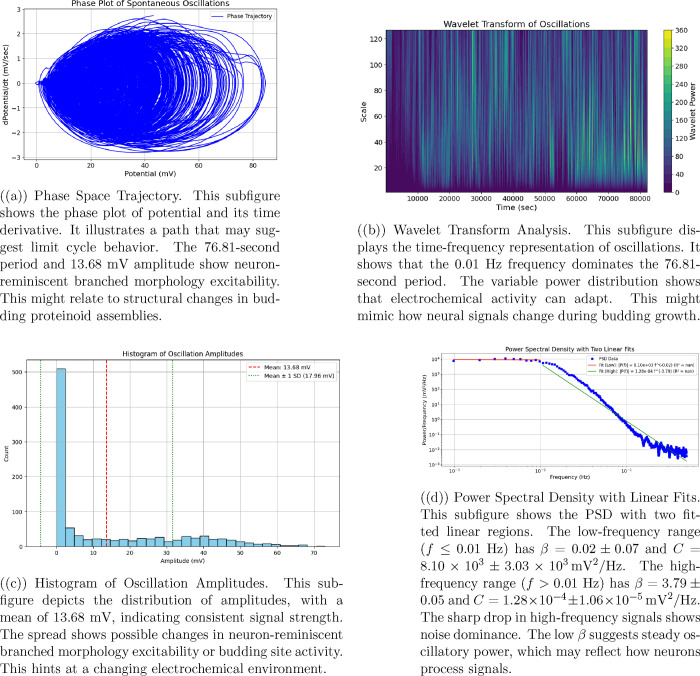 Figure 20
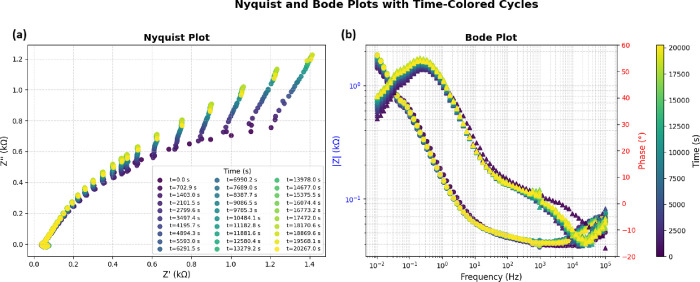 Figure 21
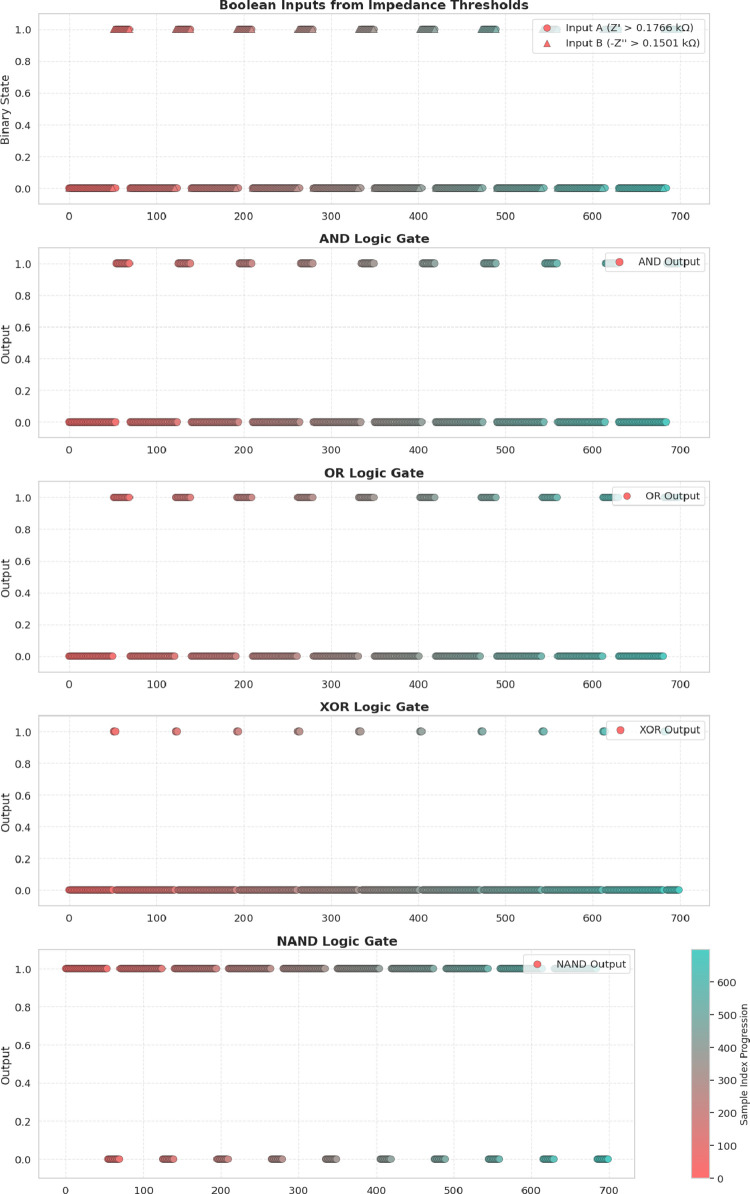 Figure 22
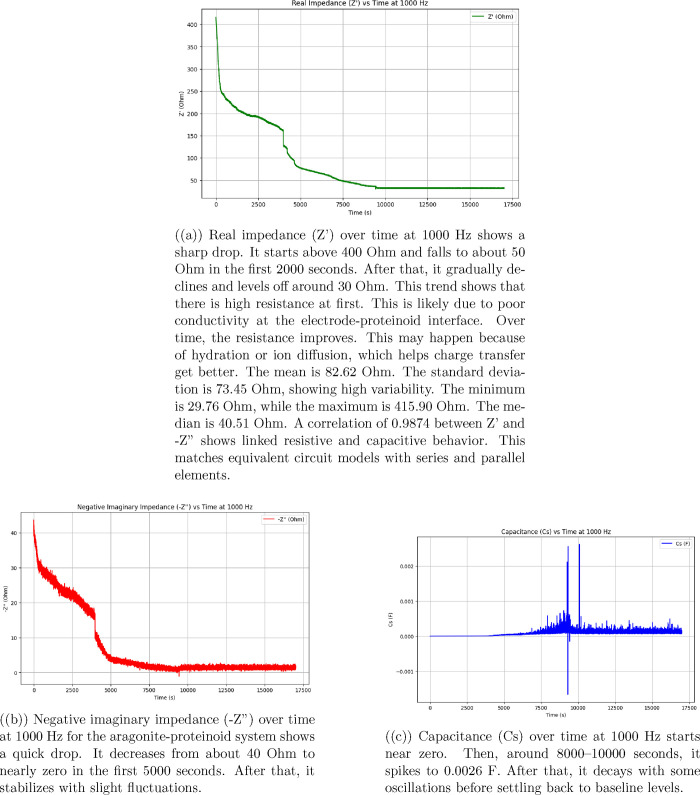 Figure 23
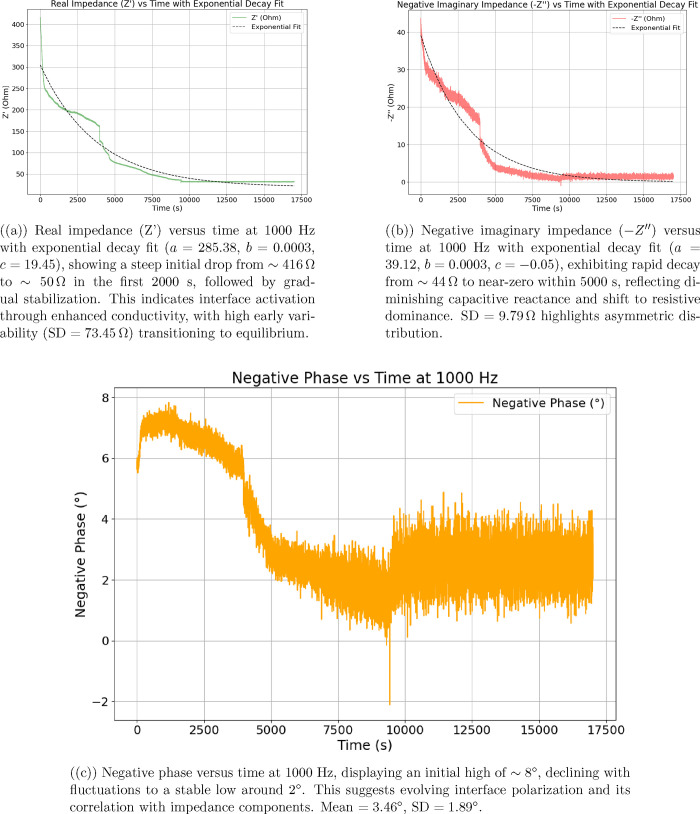 Figure 24
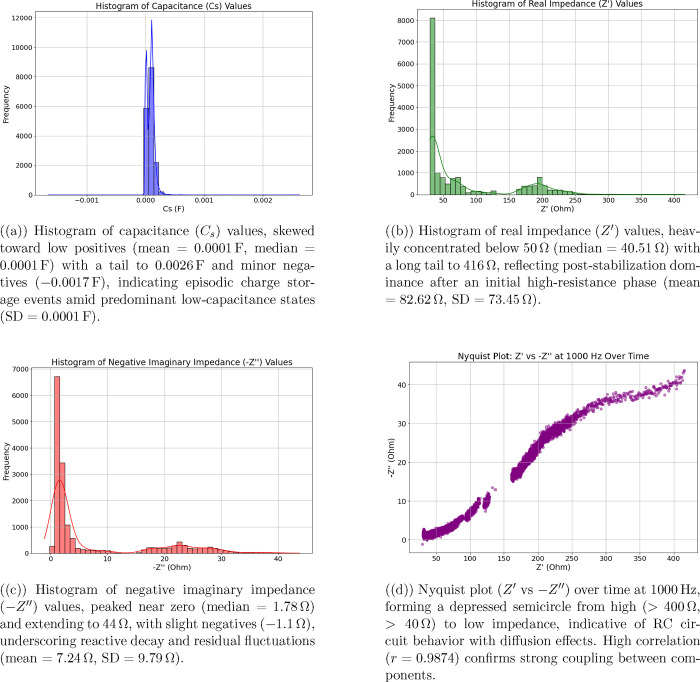 Figure 25
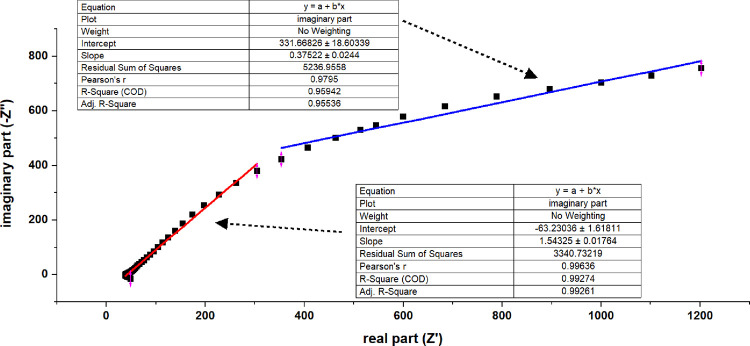 Figure 26
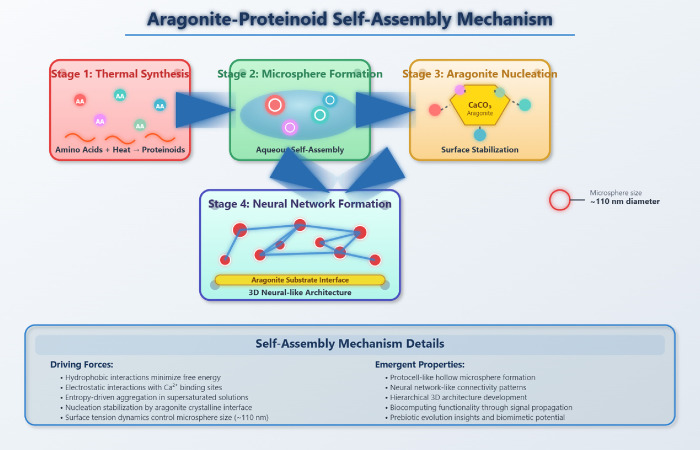 Figure 27
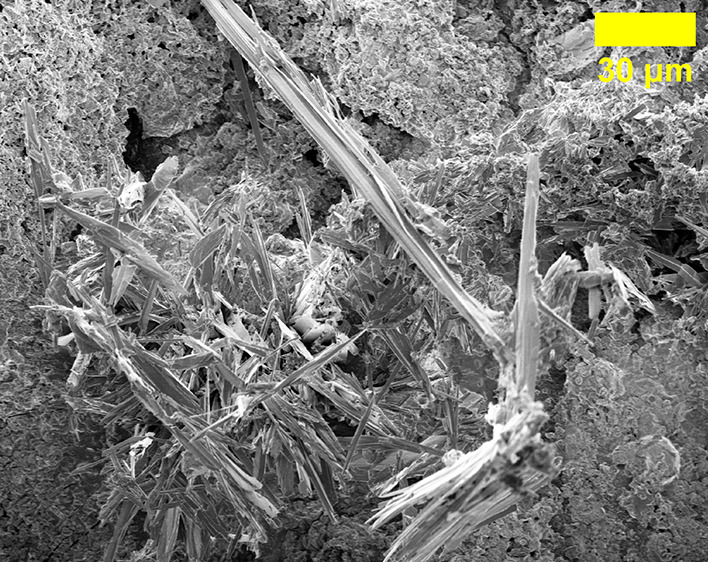 Figure 28
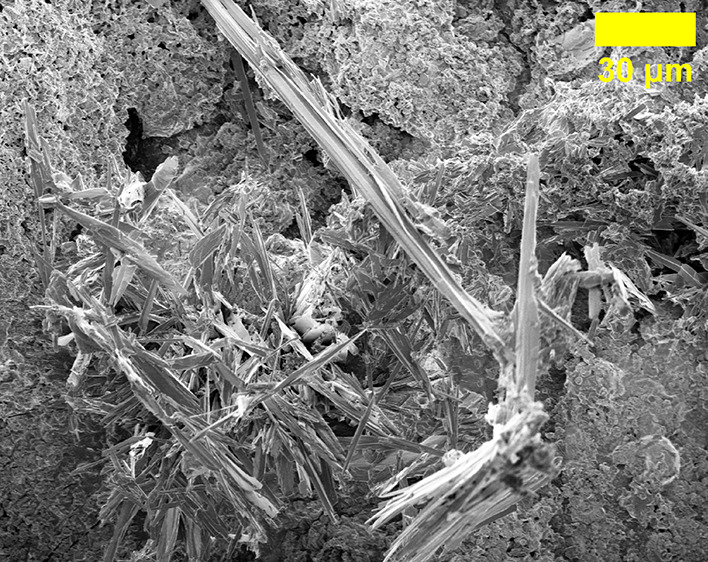 Figure 29
 Figure 30
 Figure 31
 Figure 32
 Figure 33
 Figure 34
 Figure 35
 Figure 36
 Figure 37
 Figure 38
 Figure 39
 Figure 40
 Figure 41
 Figure 42
 Figure 43
 Figure 44
 Figure 45
 Figure 46
 Figure 47
 Figure 48
 Figure 49
 Figure 50
Peer Reviews
No public reviews on file for this paper yet. If you reviewed it on a platform where reviews are public (OpenReview, ICLR, NeurIPS, ICML), you can paste yours below so the community can read it here.
Videos
No videos yet. Explain this paper in a talk, walkthrough, or lecture? Add one.
Taxonomy
TopicsOrigins and Evolution of Life · Supramolecular Self-Assembly in Materials · Plant and Biological Electrophysiology Studies