Four New Perforane-Type Sesquiterpenes from Laurencia obtusa (Hudson) J.V. Lamouroux as Potent Lung Cancer Inhibitors: Isolation, Structure Elucidation, Cytotoxicity, Molecular Docking, Dynamics, and ADME Studies
Özlem Demirkıran, Halil Şenol, Yağmur Elçi, Elif Coşkun, Gülbahar Özge Alim Toraman, Ebru Erol, Emine Şükran Okudan, Gülaçtı Topçu

TL;DR
Researchers discovered four new sesquiterpenes from a red alga that show strong potential as lung cancer inhibitors.
Contribution
The study identifies four new perforane-type sesquiterpenes with potent anticancer activity and favorable drug properties.
Findings
Four new perforane-type sesquiterpenes were isolated and structurally elucidated from Laurencia obtusa.
The compounds showed significant antiproliferative effects against human lung cancer cells (A549).
Molecular docking and dynamics simulations indicated strong binding to key oncogenic receptors.
Abstract
The red alga genus Laurencia (Rhodomelaceae) is a prolific source of halogenated secondary metabolites, particularly sesquiterpenes with diverse carbon skeletons and significant biological activities. In this study, four new perforane-type sesquiterpenes (1–4), including two halogenated and two nonhalogenated compounds, were isolated from Laurencia obtusa (Hudson) J. V. Lamouroux. Their chemical structures were elucidated using comprehensive spectroscopic techniques, including 1D- and 2D-NMR, and LC-HRMS. The cytotoxic potential of the isolated compounds was evaluated against human lung adenocarcinoma (A549) cells, revealing notable antiproliferative effects. To explore the molecular basis of their activity, molecular docking and molecular dynamics simulations were performed targeting key oncogenic receptors VEGFR1, VEGFR2, and EGFR. The results demonstrated strong binding affinities…
Genes, proteins, chemicals, diseases, species, mutations and cell lines named across the full text — each resolved to its canonical identifier and authoritative record.
Click any figure to enlarge with its caption.
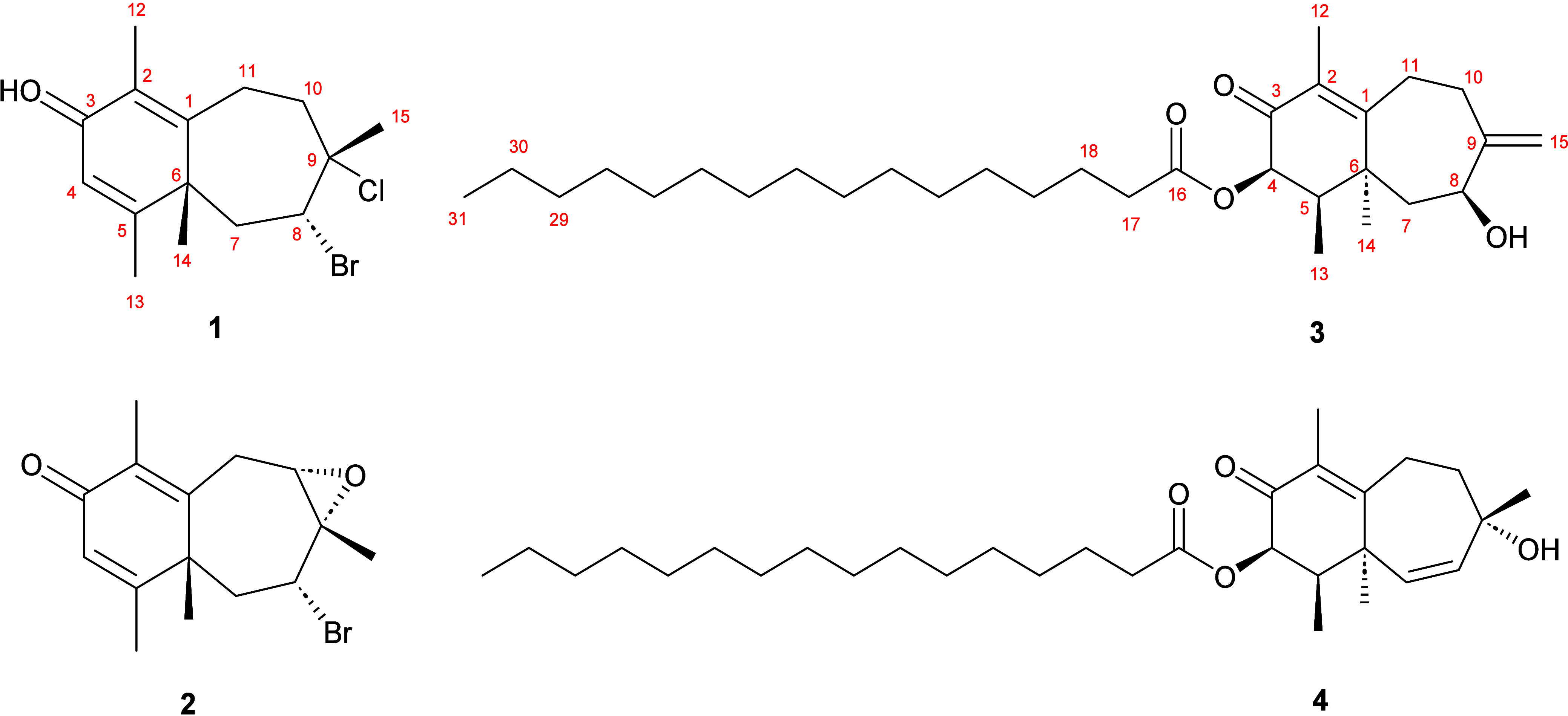 Figure 1
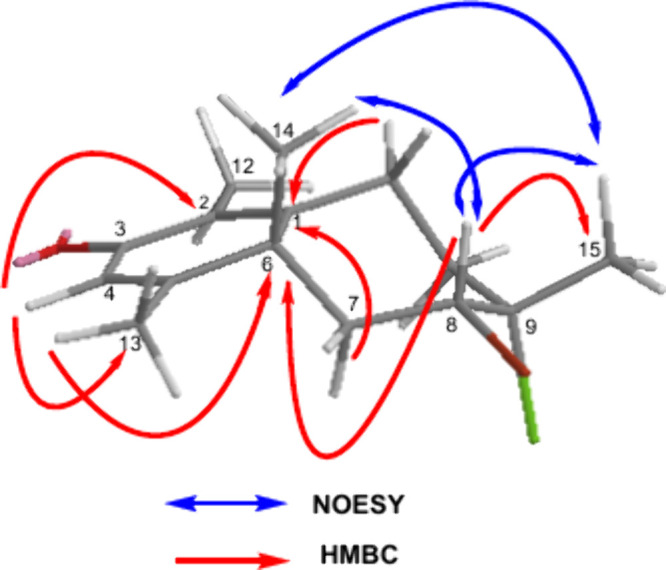 Figure 2
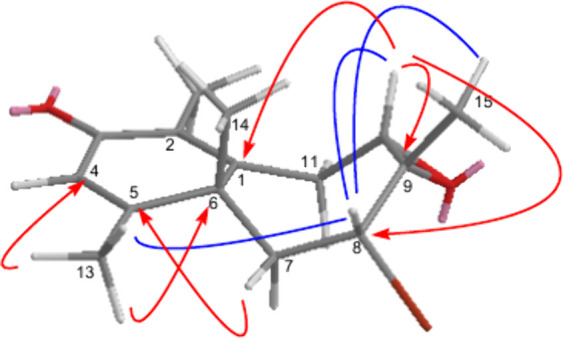 Figure 3
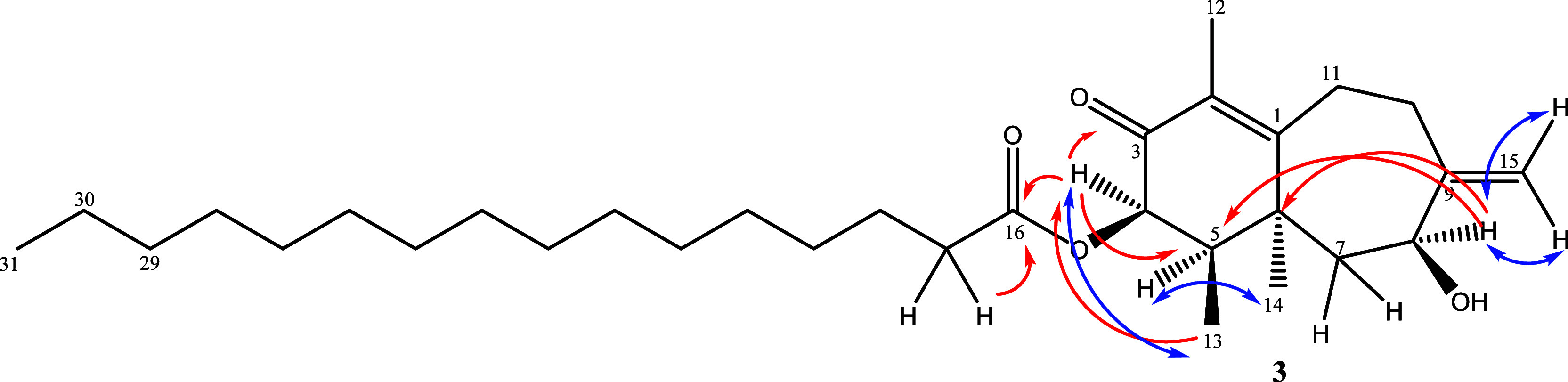 Figure 4
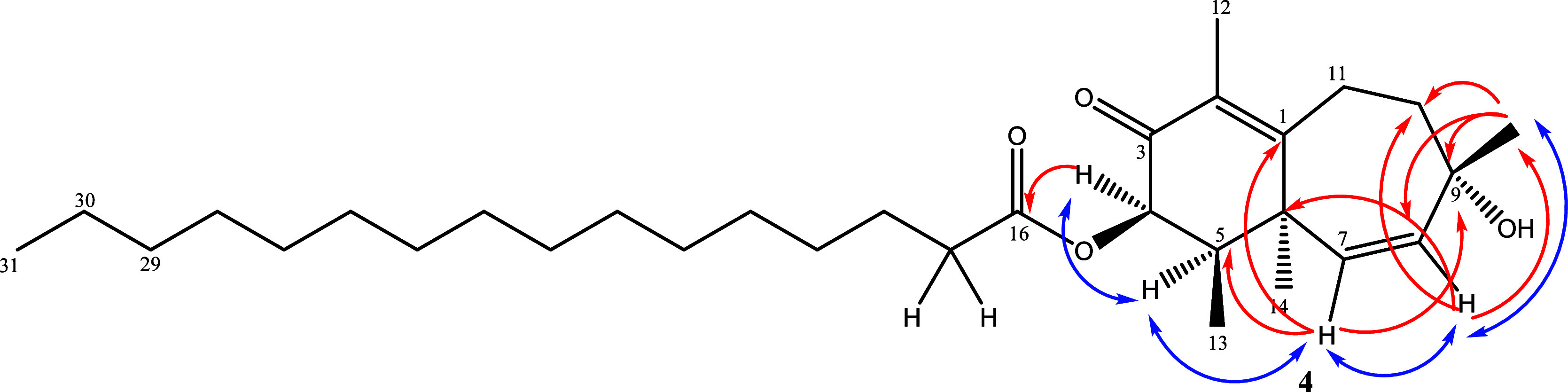 Figure 5
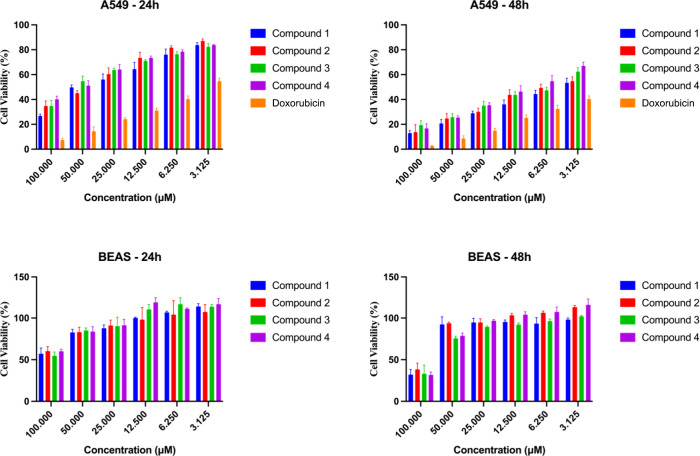 Figure 6
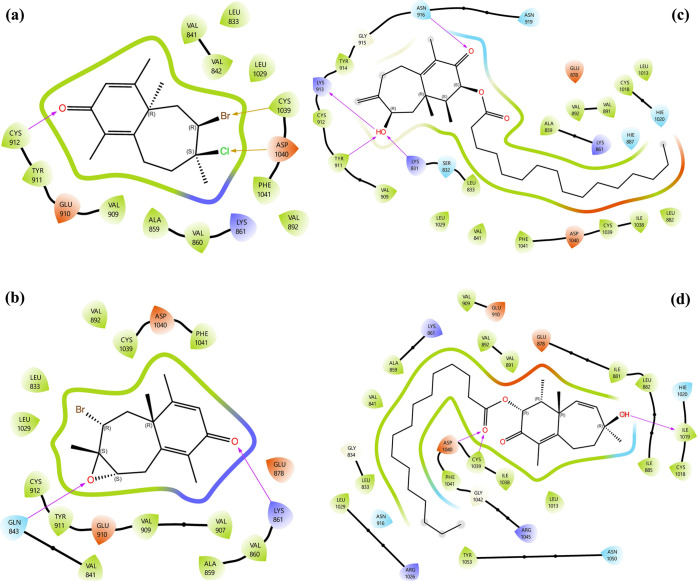 Figure 7
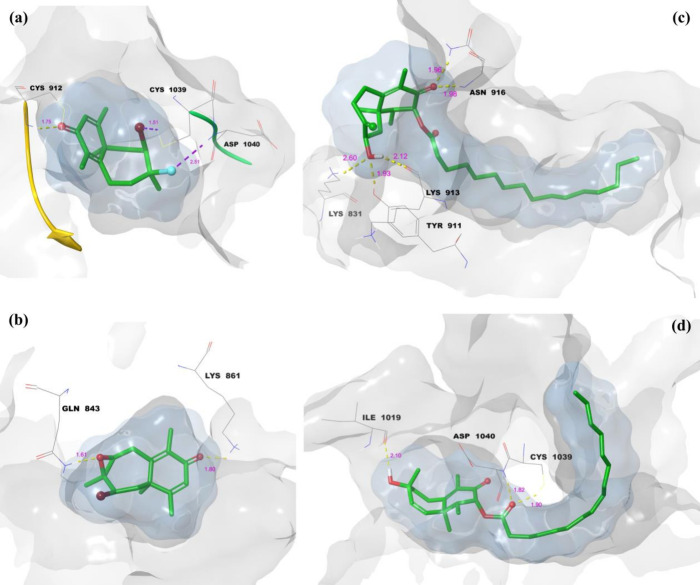 Figure 8
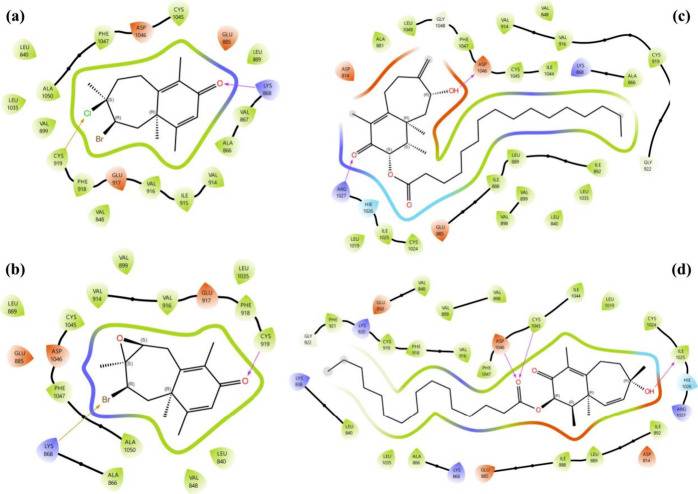 Figure 9
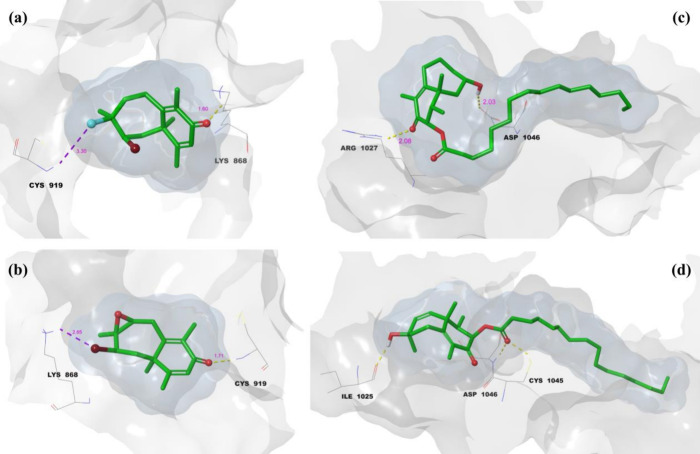 Figure 10
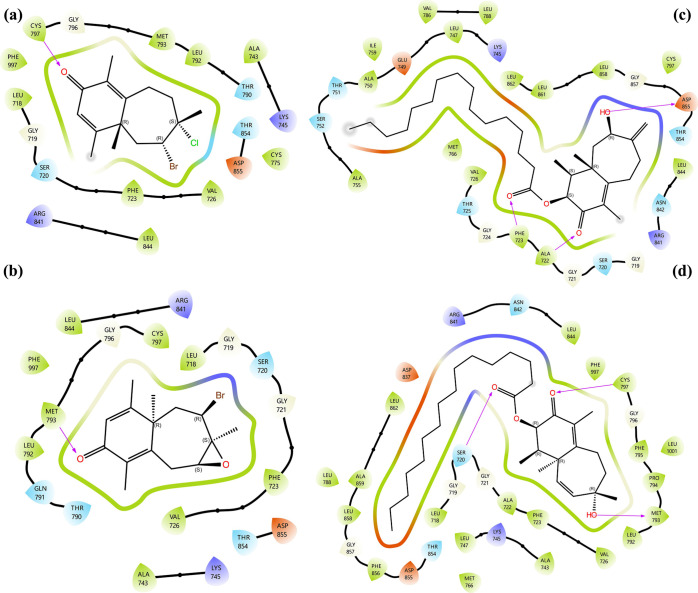 Figure 11
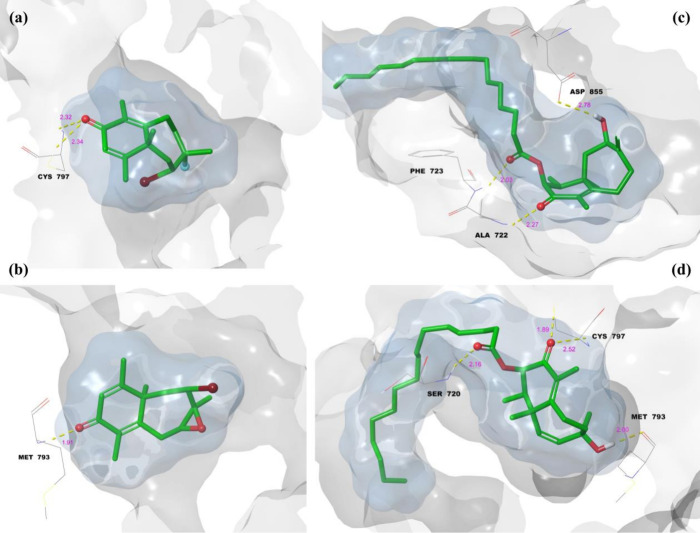 Figure 12
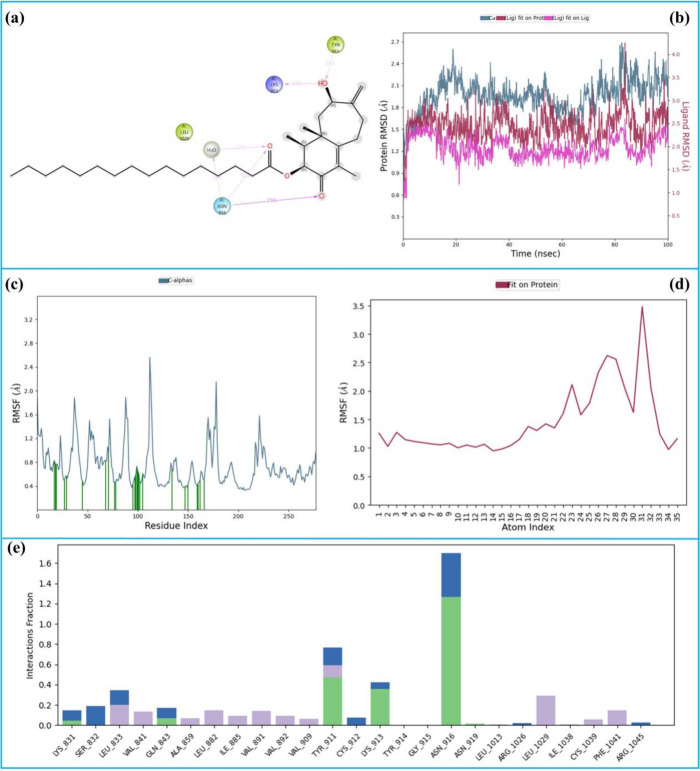 Figure 13
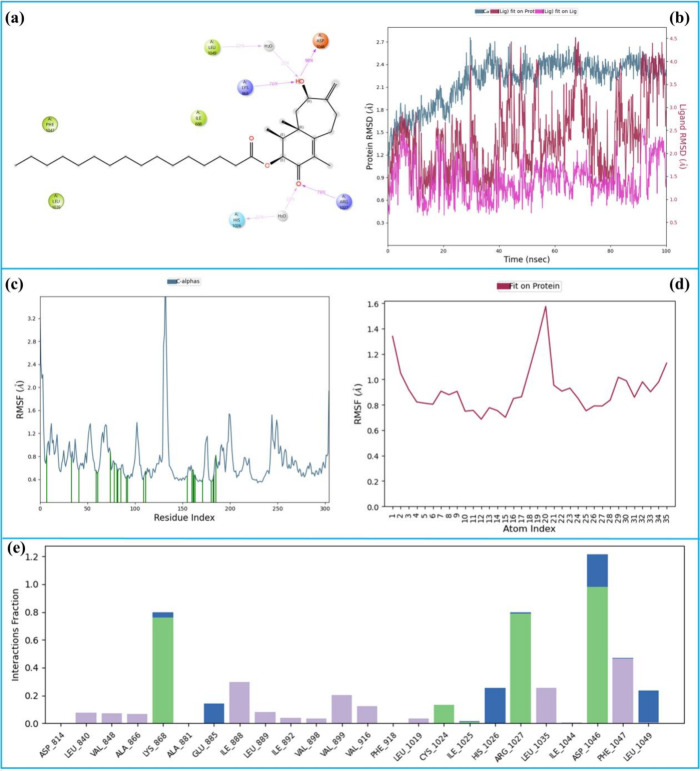 Figure 14
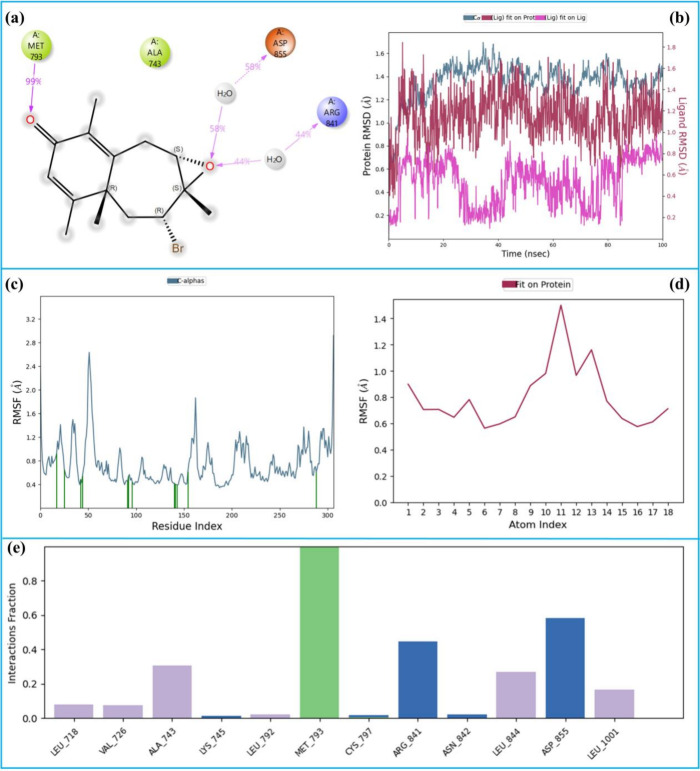 Figure 15
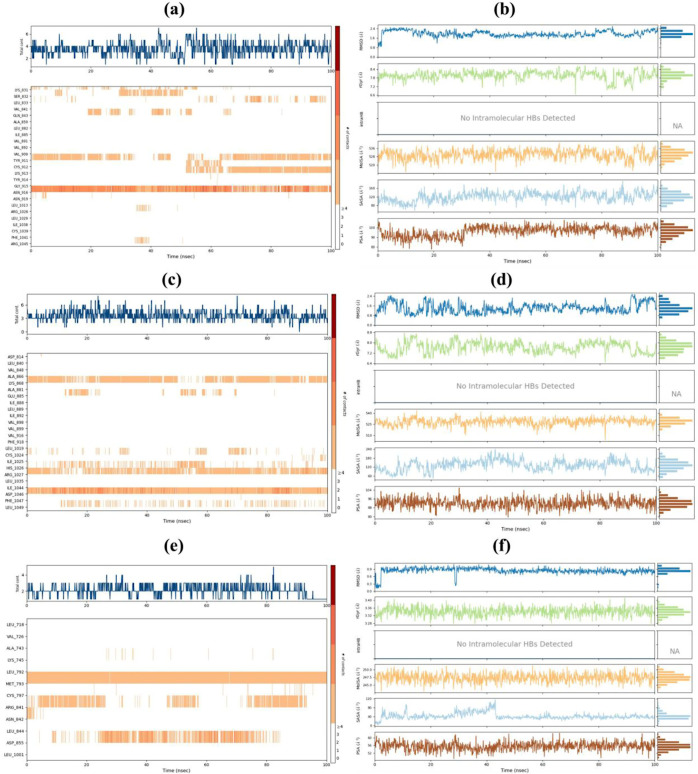 Figure 16
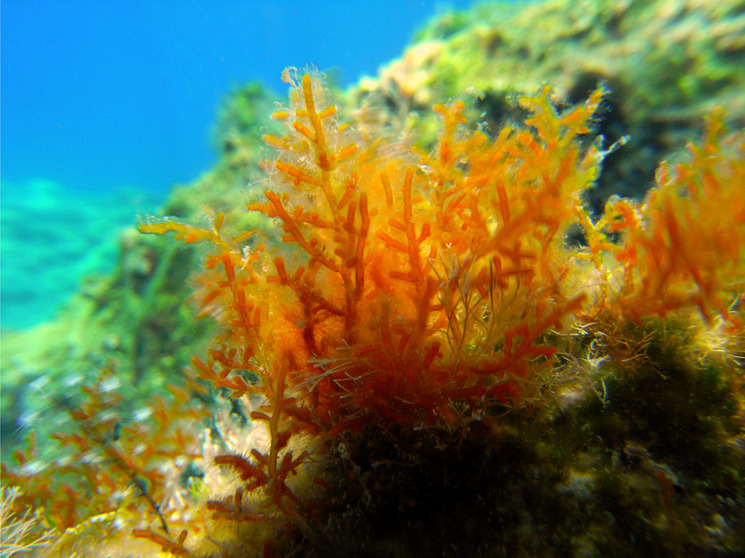 Figure 17
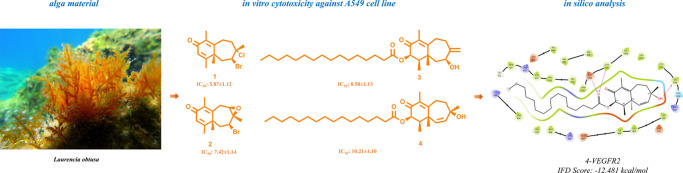 Figure 18
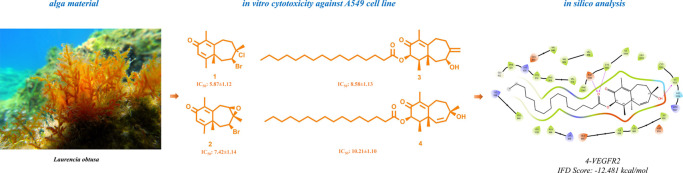 Figure 19
Peer Reviews
No public reviews on file for this paper yet. If you reviewed it on a platform where reviews are public (OpenReview, ICLR, NeurIPS, ICML), you can paste yours below so the community can read it here.
Videos
No videos yet. Explain this paper in a talk, walkthrough, or lecture? Add one.
Taxonomy
TopicsSeaweed-derived Bioactive Compounds · Marine and coastal plant biology · Marine Sponges and Natural Products