Design of Nanomaterial-Based Sensors for Enhanced Halogen Bonding
Ben H. Edelman, Charles W. Sheppard, Lucas A. Chuidian, Arielle Vinnikov, Felix Bevc, Lillian B. Hughes, Carol A. Parish, Kevin W. Kittredge, Michael C. Leopold

TL;DR
This paper explores how nanomaterial-based sensors using halogen bonding can detect trace amounts of nonvolatile explosives more effectively.
Contribution
The study introduces functionalized nanomaterials with optimized halogen bonding geometries for enhanced sensing performance.
Findings
Halogen bond donor ligands on gold nanoparticles significantly improve detection of cyclohexanone.
The sensing interface achieved detection limits below 10 ppm for cyclohexanone in both solution and gas phases.
Nanomaterial composites with halogen bonding show promise for rapid and sensitive explosive detection.
Abstract
Halogen bonding is a highly directional, noncovalent, intermolecular interaction which has been harnessed for a variety of applications, including sensor design. A halogen bond (XB) is formed between a region of positive electrostatic potential on a halogen atom (X) and electron rich portions of target molecules. The strength of XB interactions relies on shorter XB bond distances and more linear R–X···B bond angles, which facilitate stronger, more negative binding energies. While prior studies have sought to maximize interactions, few have explored or experimentally demonstrated how geometries and bond angles can enhance XB interactions. Herein, fundamental studies are conducted at self-assembled monolayers (SAMs) and gold nanoparticle (Au-NP) interfaces that are functionalized to engage in XB interactions. Alkanethiolate-stabilized Au-NPs, known as monolayer-protected gold clusters…
Genes, proteins, chemicals, diseases, species, mutations and cell lines named across the full text — each resolved to its canonical identifier and authoritative record.
Click any figure to enlarge with its caption.
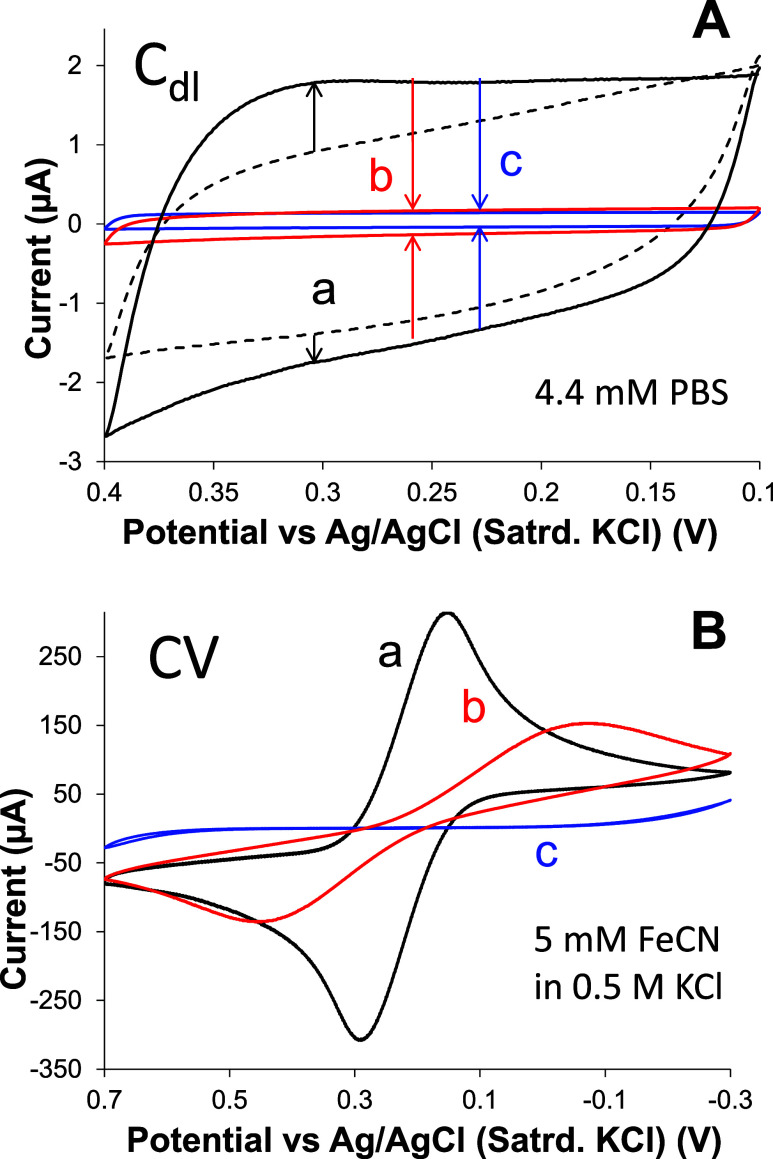 Figure 1
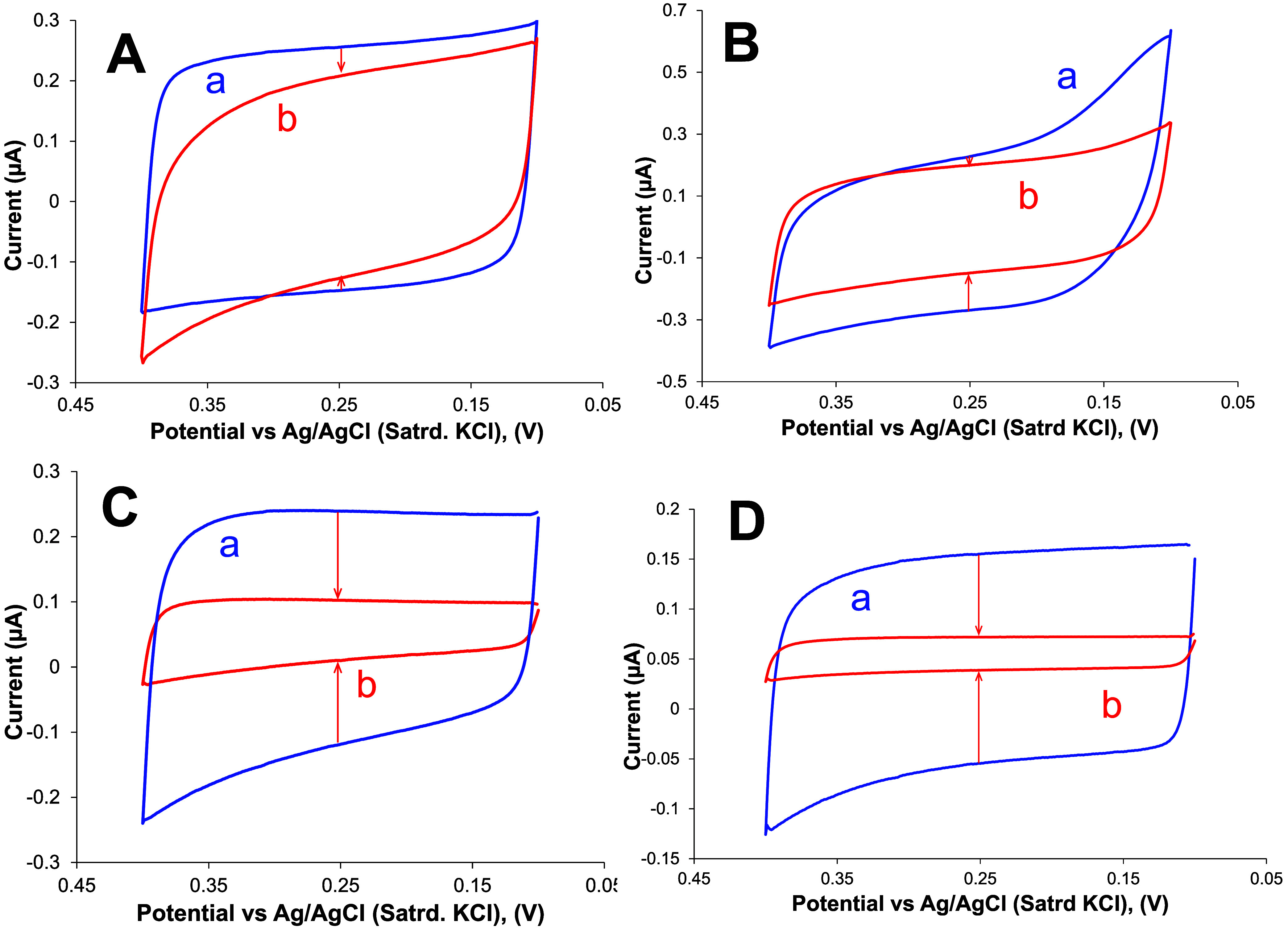 Figure 2
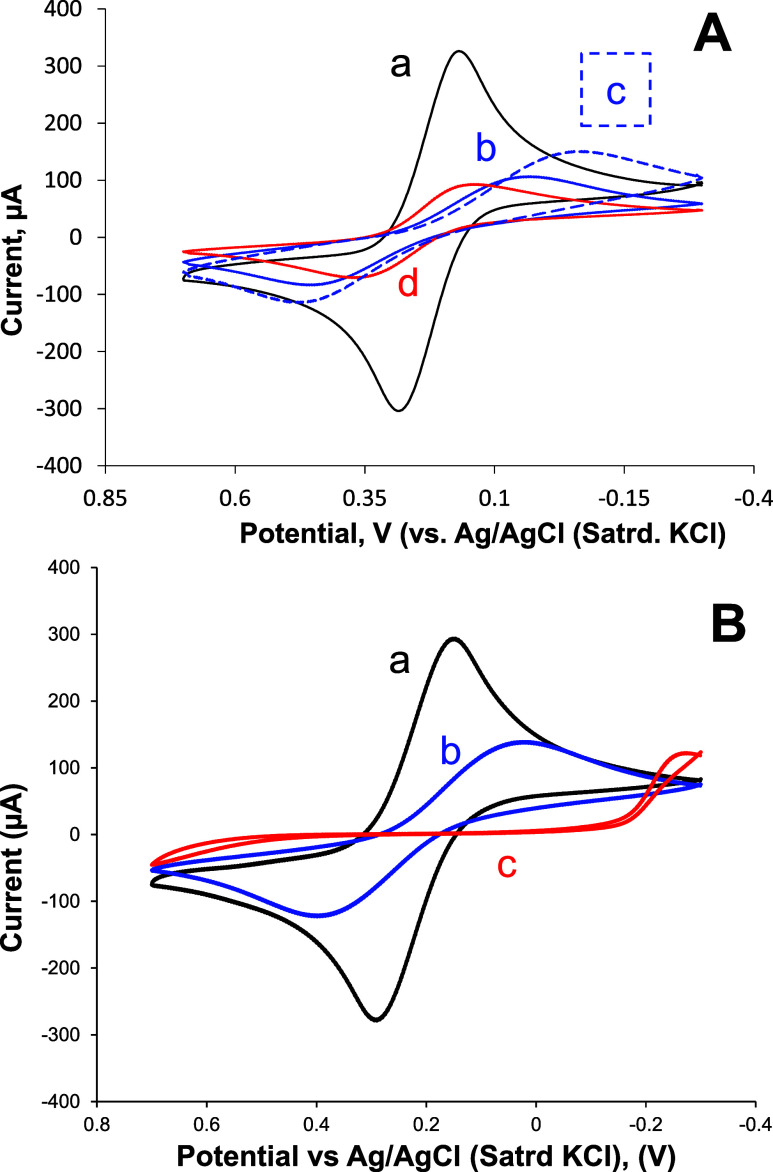 Figure 3
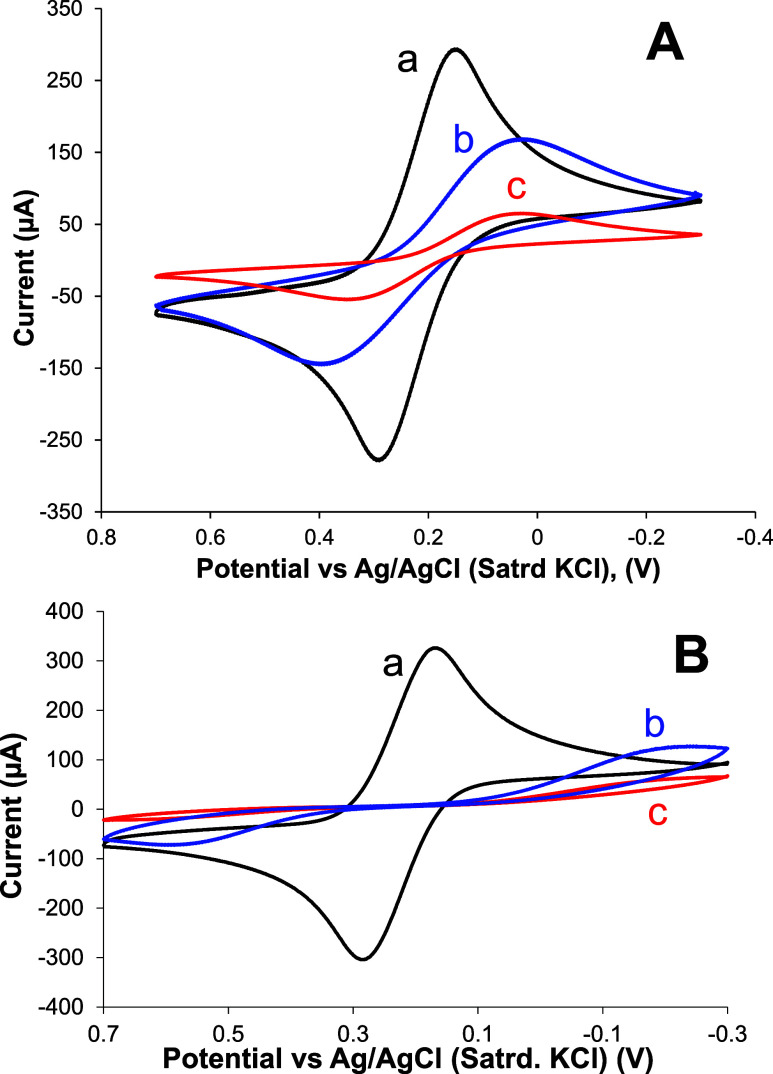 Figure 4
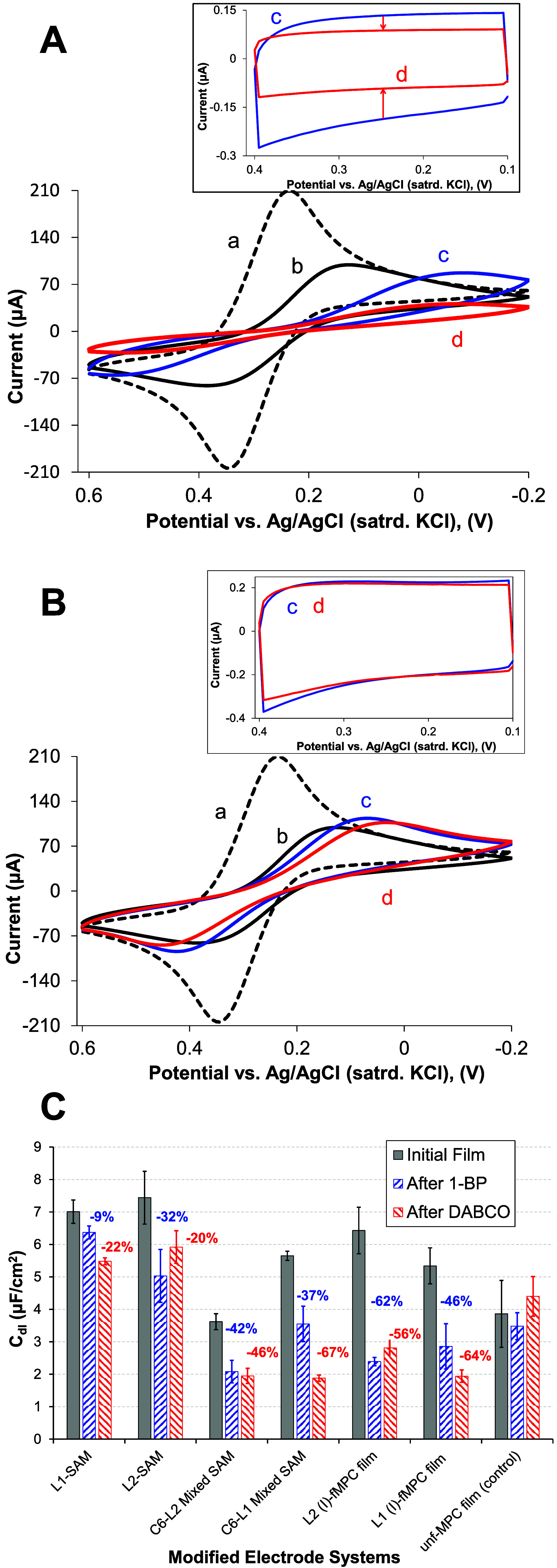 Figure 5
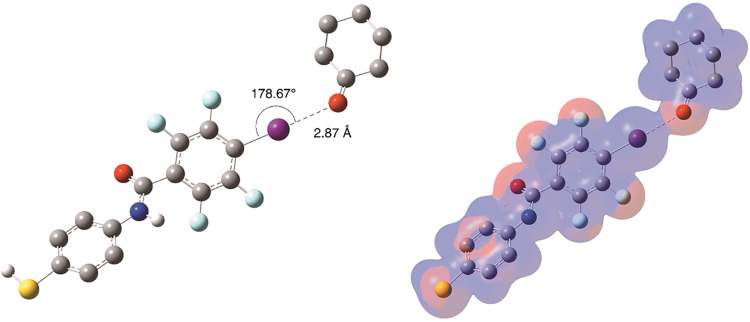 Figure 6
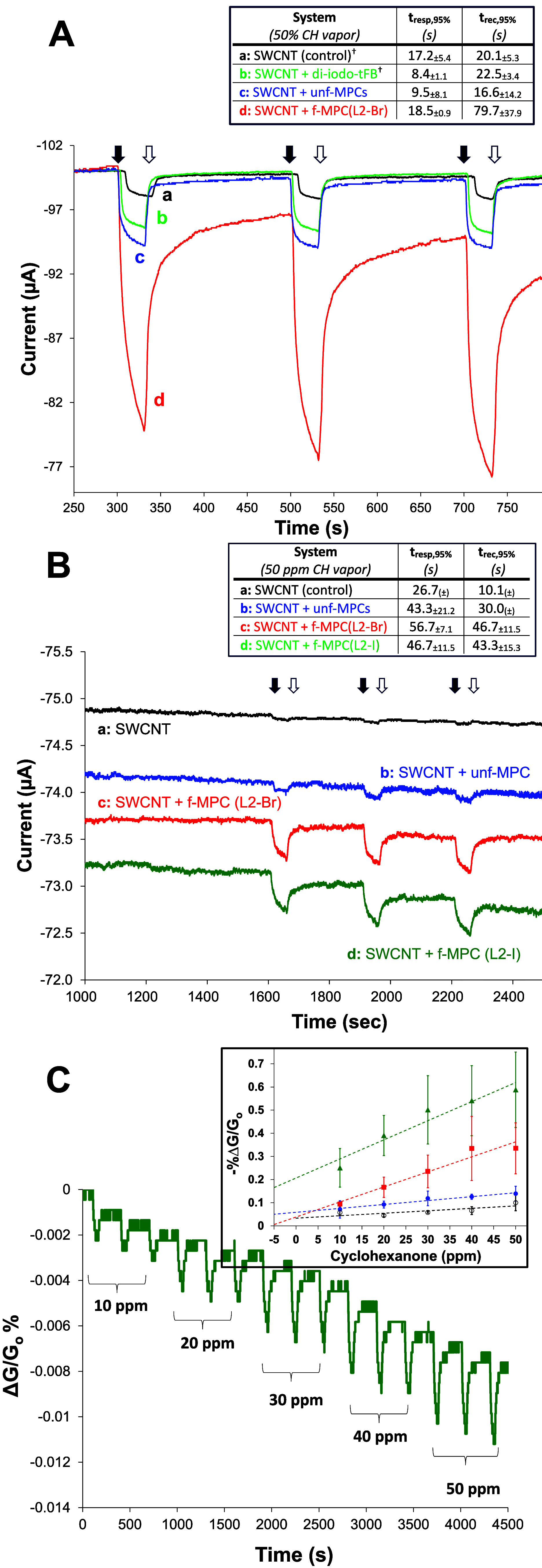 Figure 7
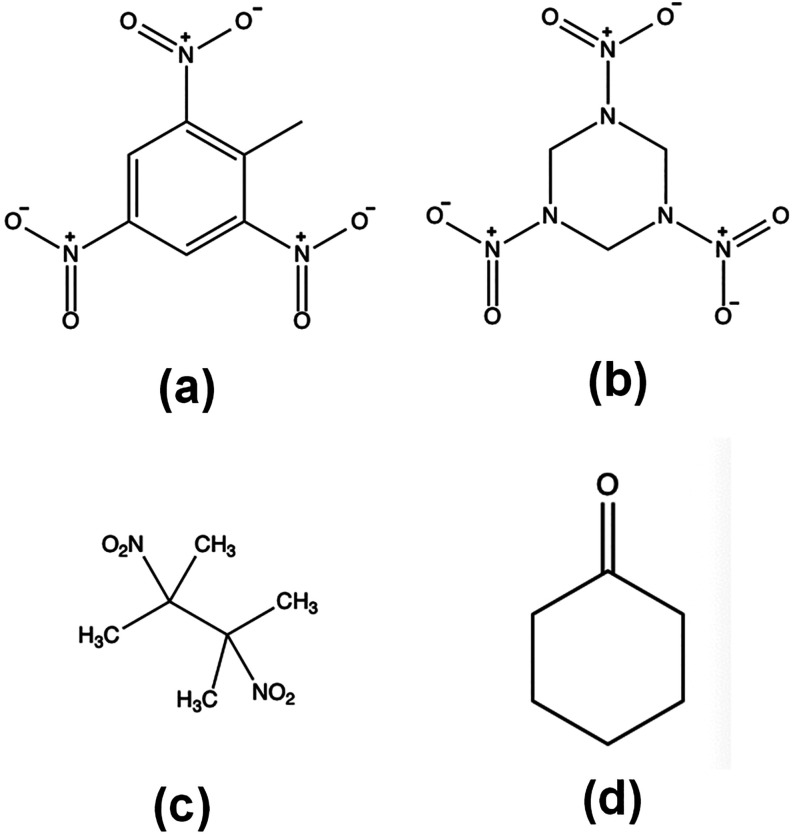 Figure 8
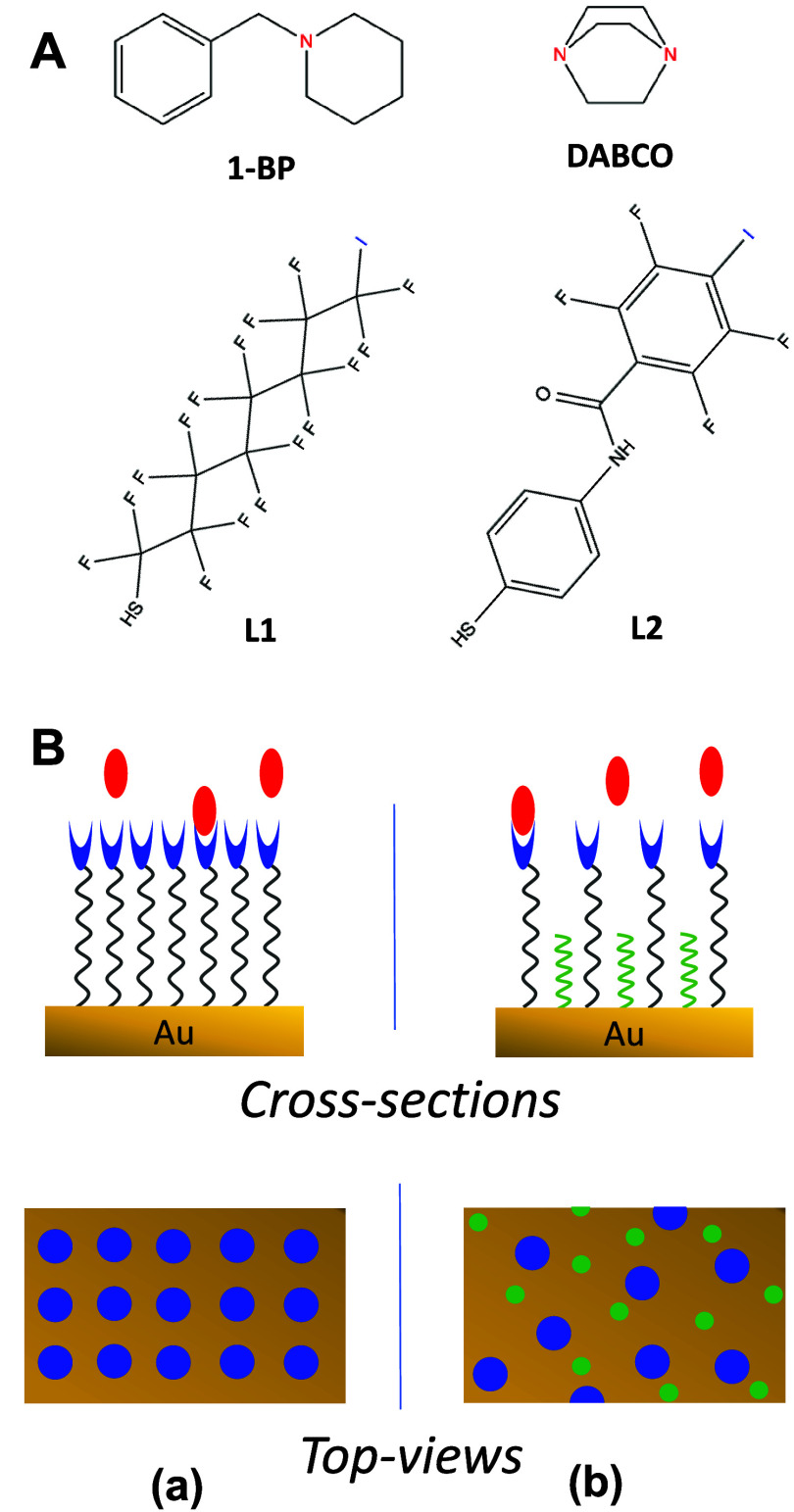 Figure 9
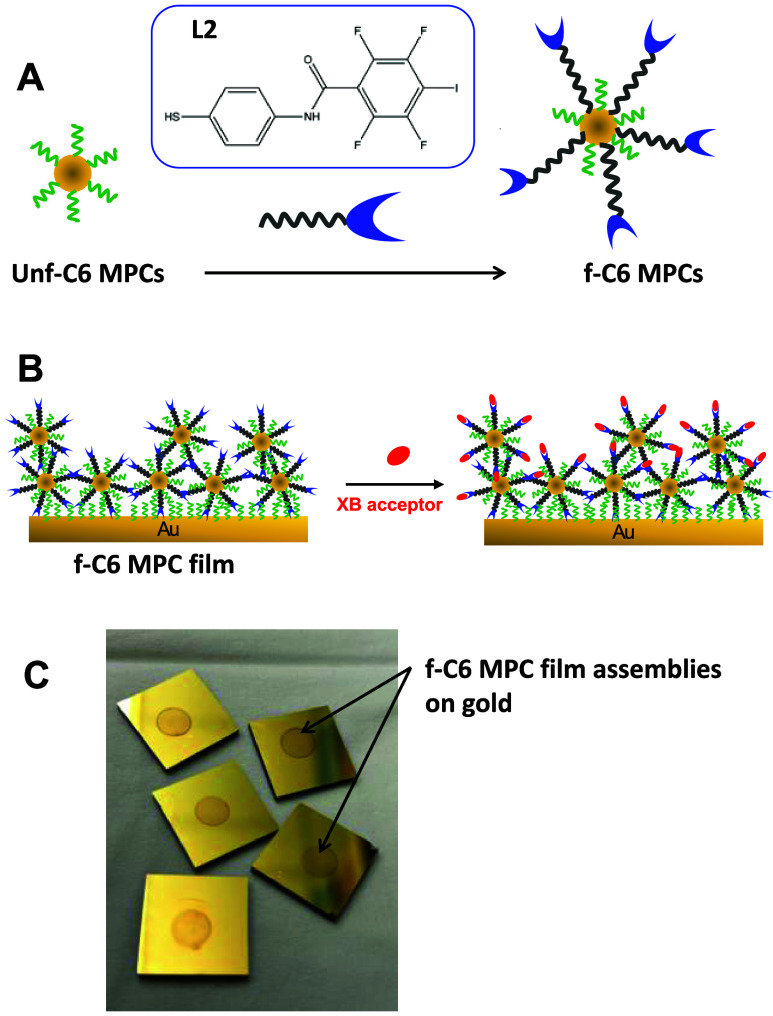 Figure 10
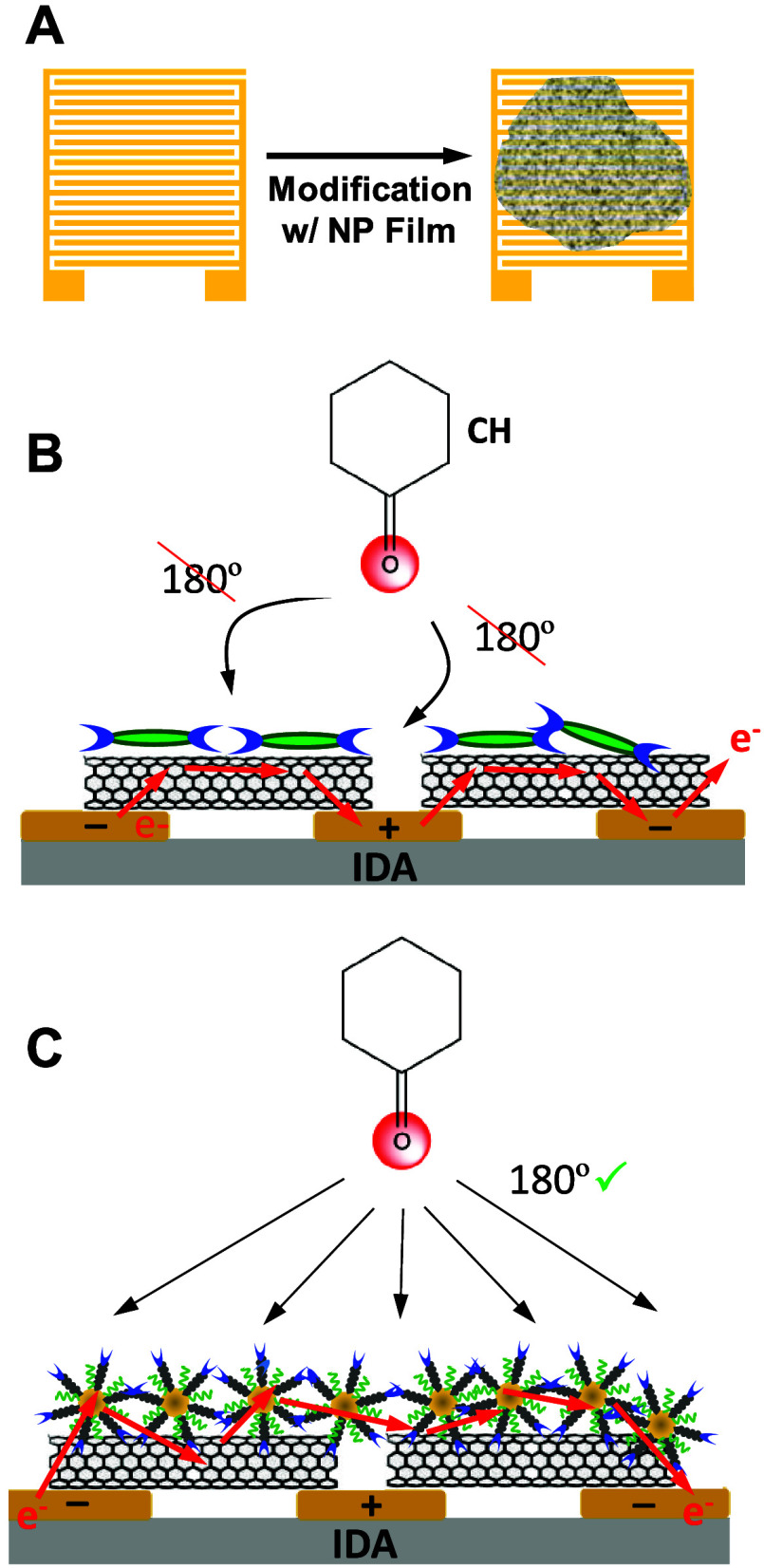 Figure 11
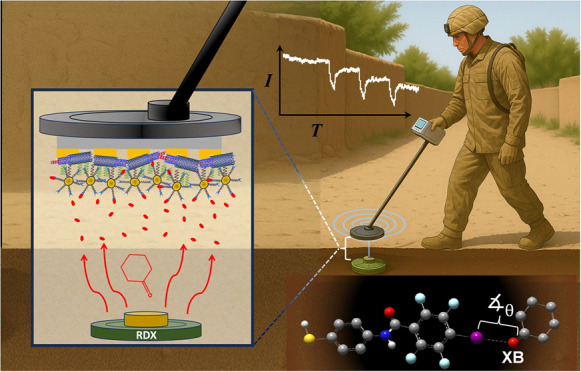 Figure 12
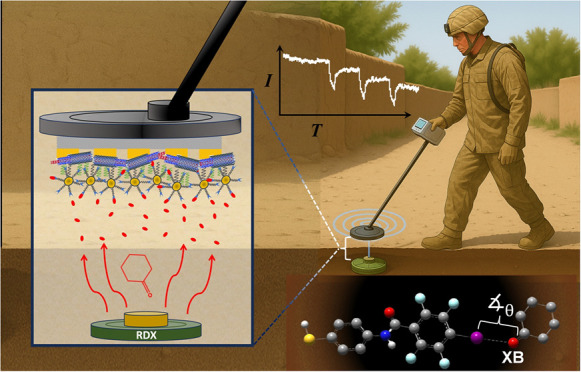 Figure 13
 Figure 14
 Figure 15
 Figure 16
Peer Reviews
No public reviews on file for this paper yet. If you reviewed it on a platform where reviews are public (OpenReview, ICLR, NeurIPS, ICML), you can paste yours below so the community can read it here.
Videos
No videos yet. Explain this paper in a talk, walkthrough, or lecture? Add one.
Taxonomy
TopicsLuminescence and Fluorescent Materials · Boron and Carbon Nanomaterials Research · Gold and Silver Nanoparticles Synthesis and Applications