Analyte Recovery of Volatile Organic Compounds: A Passive Sampling Analysis via Photothermal Desorption Compatible Diffusive Samplers
Jacob S. Shedd, Evan L. Floyd, Jonghwa Oh, Brie M. McMahan, Claudiu T. Lungu

TL;DR
Researchers tested a new method called photothermal desorption to recover volatile organic compounds from air samples, showing promising results for future industrial use.
Contribution
The study introduces a novel preanalytical technique, photothermal desorption, for improving VOC recovery in passive sampling.
Findings
PTD achieved recovery rates of 0.60% for toluene, 1.2% for n-hexane, 1.1% for trichloroethylene, and 14.0% for isopropyl alcohol per pulse.
Buckypaper sorbents showed adsorption capacities of 152 mg/g for toluene and 105 mg/g for isopropyl alcohol.
Variability in recovery is attributed to intermolecular forces and sorbent nonuniformity.
Abstract
Volatile organic compounds (VOCs) are common sources of occupational exposure throughout a variety of industries. To protect personnel from overexposure, field industrial hygienists must conduct compliance sampling. In efforts to improve upon analytical sensitivity and time-to-knowledge of existing VOC exposure assessment methods, the industrial hygiene research group at UAB has developed a preanalytical technique known as photothermal desorption (PTD), which uses pulses of high-energy light to desorb analytes from thermally conductive, carbonaceous sorbents. To-date, the theoretical and conceptual groundwork for PTD have been laid, and advances have been made toward a first-generation, PTD-compatible diffusive sampler. However, additional characterizations of the prototype sampler’s performance are needed before the method is ready for in-field deployment. As such, the objectives of…
Genes, proteins, chemicals, diseases, species, mutations and cell lines named across the full text — each resolved to its canonical identifier and authoritative record.
Click any figure to enlarge with its caption.
 Figure 1
 Figure 2
 Figure 3
 Figure 4
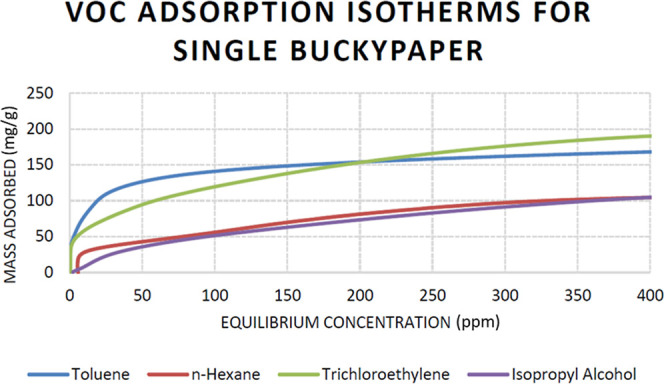 Figure 5
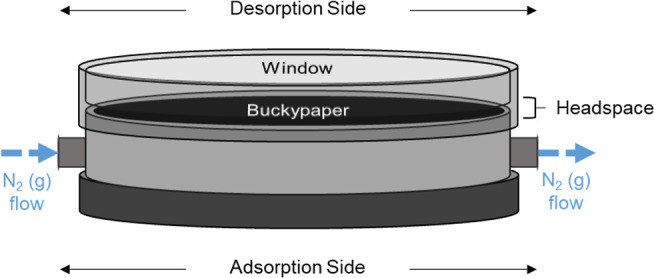 Figure 6
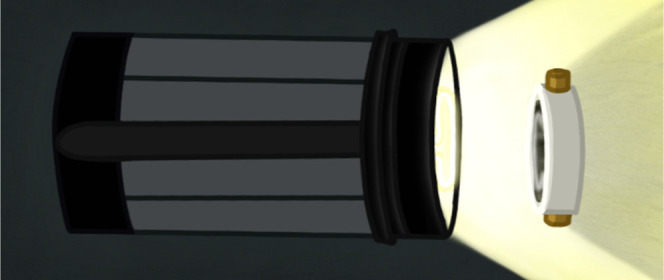 Figure 7
 Figure 8
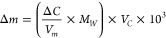 Figure 9
Peer Reviews
No public reviews on file for this paper yet. If you reviewed it on a platform where reviews are public (OpenReview, ICLR, NeurIPS, ICML), you can paste yours below so the community can read it here.
Videos
No videos yet. Explain this paper in a talk, walkthrough, or lecture? Add one.
Taxonomy
TopicsIndoor Air Quality and Microbial Exposure · Advanced Chemical Sensor Technologies · Occupational exposure and asthma