Consequences of mRNA Secondary Structure on Stability against both Hydrolysis and Aggregation: The Role of Electrostatic, π–π Stacking, and Thermal Effects
Curtis W. Jarand, Zhiyou Deng, Mark L. Brader, Wayne F. Reed

TL;DR
This paper explores how mRNA's secondary structure affects its stability against breakdown and clumping, revealing new insights into the role of electrostatic and stacking forces.
Contribution
The study links mRNA aggregation and autohydrolysis through secondary structure effects, introducing a new model involving electrostatic and π–π stacking interactions.
Findings
mRNA secondary structure stabilizes against autohydrolysis and aggregation.
Guanidine-HCl and temperature destabilize mRNA structure, increasing aggregation and hydrolysis.
A new model explains aggregation via electrostatic and π–π stacking effects.
Abstract
The seemingly unrelated massive aggregation of free mRNA under certain solution conditions and the well-known autohydrolysis of mRNA are actually both closely linked through its secondary and possibly tertiary structure (s/t). This hypothesis posits that s/t partially stabilizes mRNA against both autohydrolysis and massive aggregation. Destabilization of s/t via denaturant guanidine-HCl (Gd), or temperature, has profound effects on both aggregation rates and final degree of autohydrolysis. These denaturant effects occurred for a variety of mRNA, ranging from 700 to 3000 nucleotides but showed very different quantitative behavior among themselves, suggesting some of the methods presented here might help characterize mRNA stability and robustness. Light scattering monitoring during dialysis of mRNA against Gd revealed an “aggregation window”, over 0.5–3 M Gd, whereas dialyzing against a…
Genes, proteins, chemicals, diseases, species, mutations and cell lines named across the full text — each resolved to its canonical identifier and authoritative record.
Click any figure to enlarge with its caption.
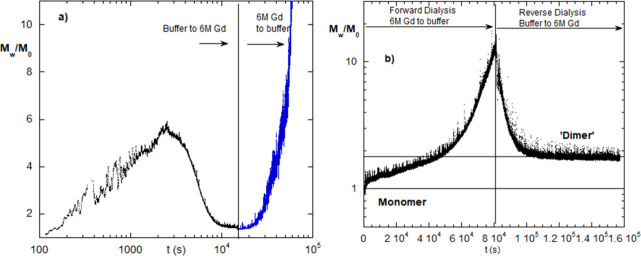 Figure 1
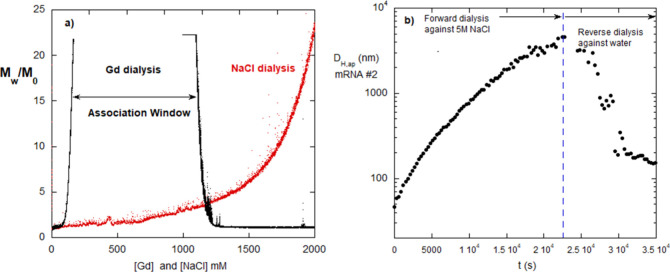 Figure 2
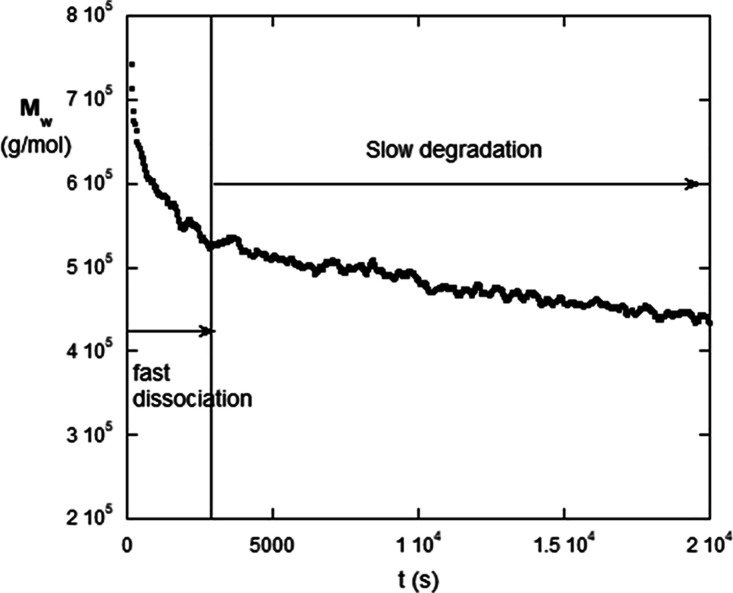 Figure 3
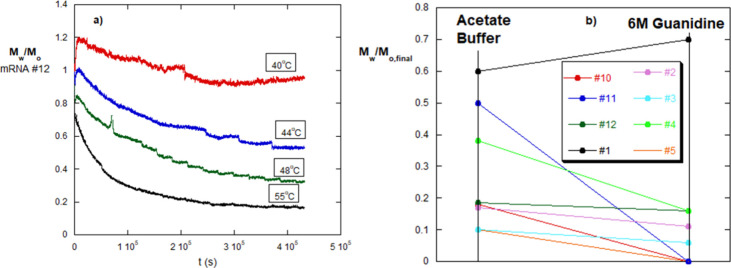 Figure 4
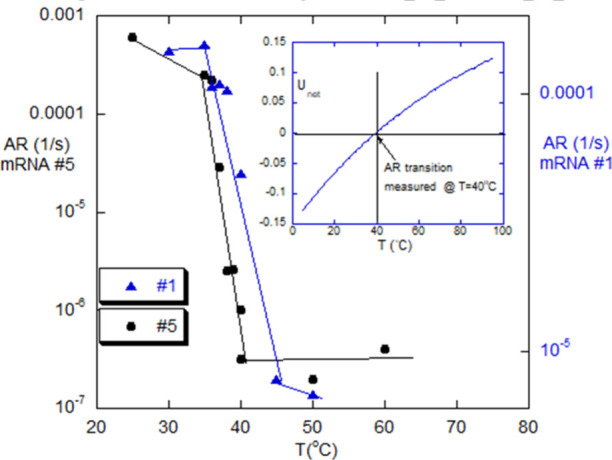 Figure 5
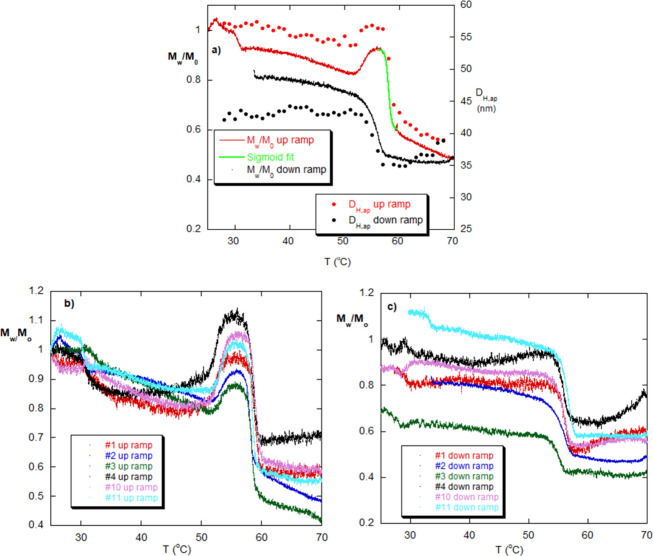 Figure 6
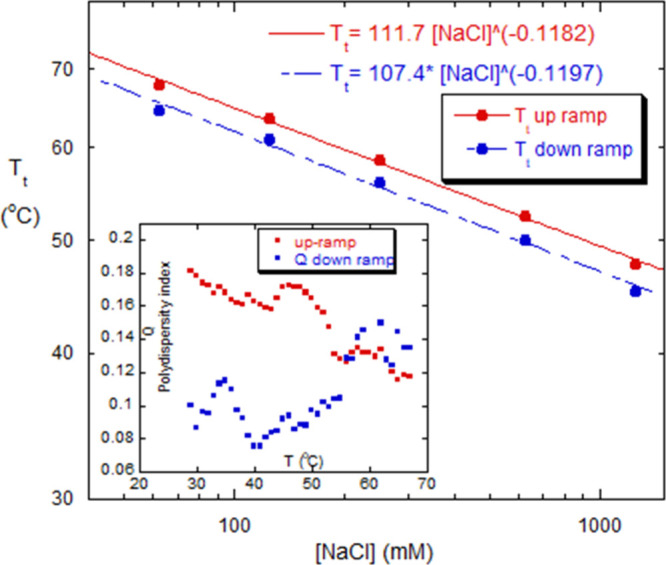 Figure 7
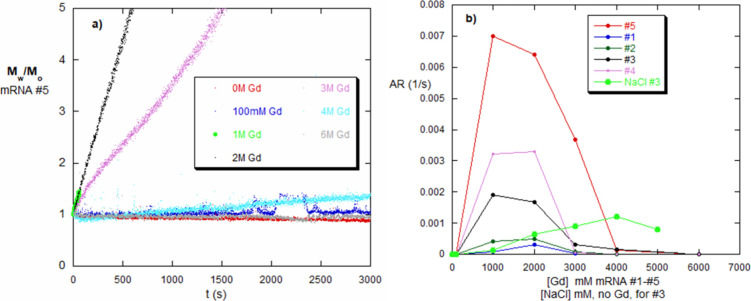 Figure 8
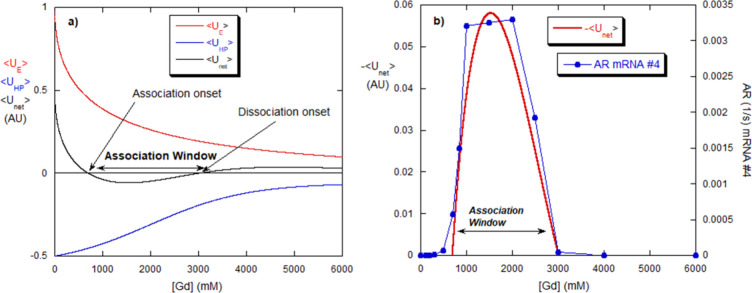 Figure 9
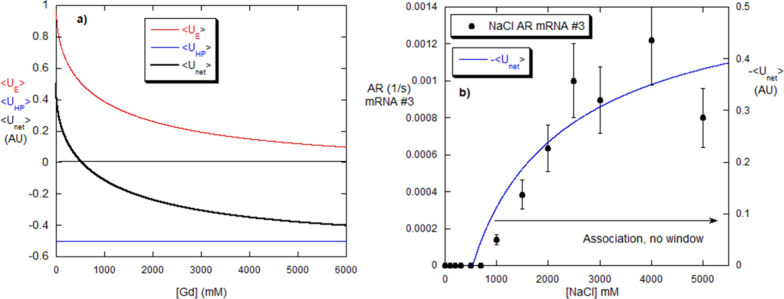 Figure 10
 Figure 11
 Figure 12
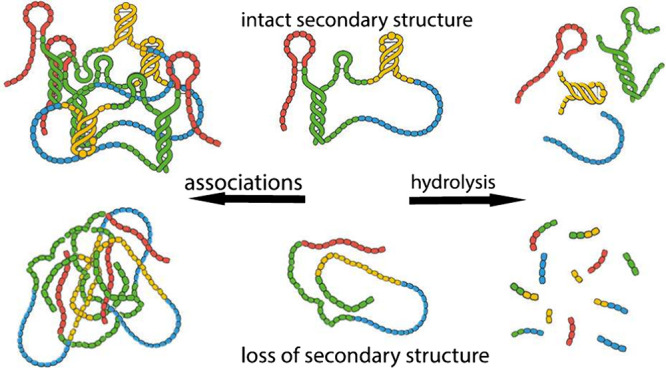 Figure 13
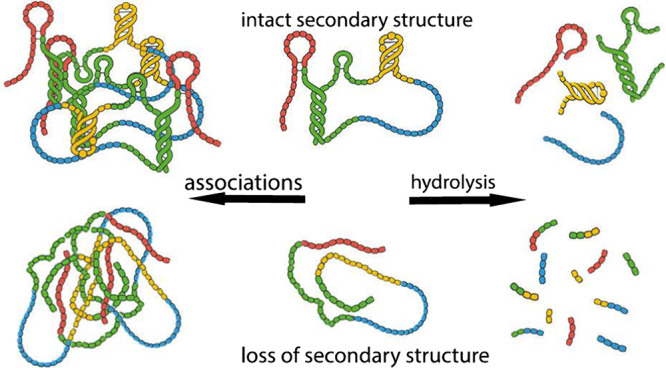 Figure 14
 Figure 15
 Figure 16
 Figure 17
 Figure 18
 Figure 19
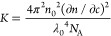 Figure 20
 Figure 21
 Figure 22
 Figure 23
 Figure 24
 Figure 25
 Figure 26
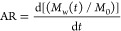 Figure 27
 Figure 28
 Figure 29
 Figure 30
 Figure 31
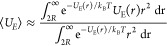 Figure 32
 Figure 33
 Figure 34
 Figure 35
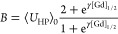 Figure 36
 Figure 37
 Figure 38
 Figure 39
 Figure 40
 Figure 41
 Figure 42
 Figure 43
 Figure 44
 Figure 45
 Figure 46
 Figure 47
 Figure 48
 Figure 49
 Figure 50
Peer Reviews
No public reviews on file for this paper yet. If you reviewed it on a platform where reviews are public (OpenReview, ICLR, NeurIPS, ICML), you can paste yours below so the community can read it here.
Videos
No videos yet. Explain this paper in a talk, walkthrough, or lecture? Add one.
Taxonomy
TopicsRNA Research and Splicing · Force Microscopy Techniques and Applications · Electrostatics and Colloid Interactions