Amine-Functionalized Clays as Solid Sorbents: High-Pressure CO2 Sorption Testing and Characterization
Jennifer Narváez, Ernesto Bastardo-González, Edward E. Ávila, Alex Palma-Cando, Pamela Galarraga, Víctor H. Guerrero, Marvin Ricaurte

TL;DR
This study shows that amine-treated clays from Ecuador can capture significantly more CO2 than untreated clays, offering a promising method for reducing carbon emissions.
Contribution
Amine-functionalized clays from Ecuador are shown to have up to 442.85% higher CO2 sorption capacity than raw clays.
Findings
Amine-functionalized clays achieved a maximum CO2 sorption capacity of 3.125 mmol CO2/g.
CO2 sorption capacity improved by up to 442.85% after amine functionalization.
Characterization techniques confirmed structural and chemical changes post-functionalization.
Abstract
In this work, the CO2 sorption capacity of both raw and amine-functionalized clays was investigated. For this purpose, samples of clay-based materials intended for industrial and artisanal applications were collected in the province of Imbabura, Ecuador. These raw materials were functionalized with monoethanolamine (MEA) and ethylenediamine (EDA) mixtures to enhance the affinity for carbon dioxide. CO2 sorption testing was conducted in a high pressure, nonstirred system with an initial pressure of 3550 kPa and room temperature (25 °C). CO2 sorption capacity was quantified by monitoring the pressure drop resulting from CO2 uptake. Comprehensive characterization of the clay-based materials was carried out using nitrogen physisorption analysis, X-ray diffraction (XRD), Fourier transform infrared spectroscopy (FTIR), thermogravimetric analysis (TGA), and X-ray fluorescence (XRF) to…
Genes, proteins, chemicals, diseases, species, mutations and cell lines named across the full text — each resolved to its canonical identifier and authoritative record.
Click any figure to enlarge with its caption.
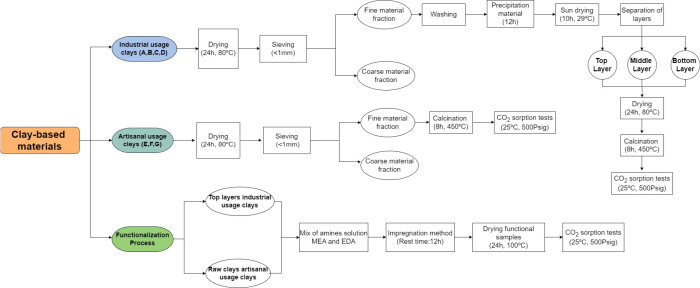 Figure 1
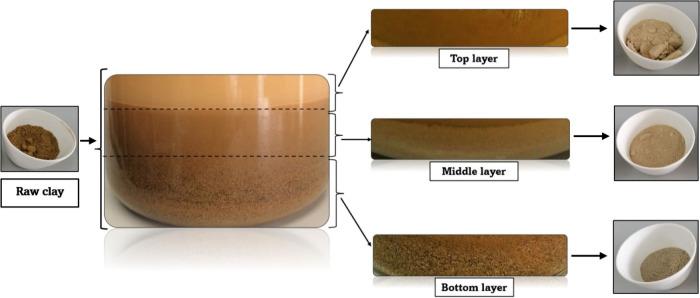 Figure 2
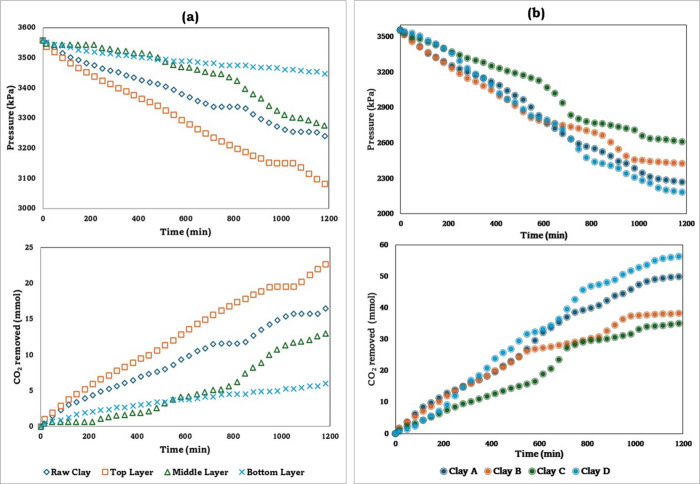 Figure 3
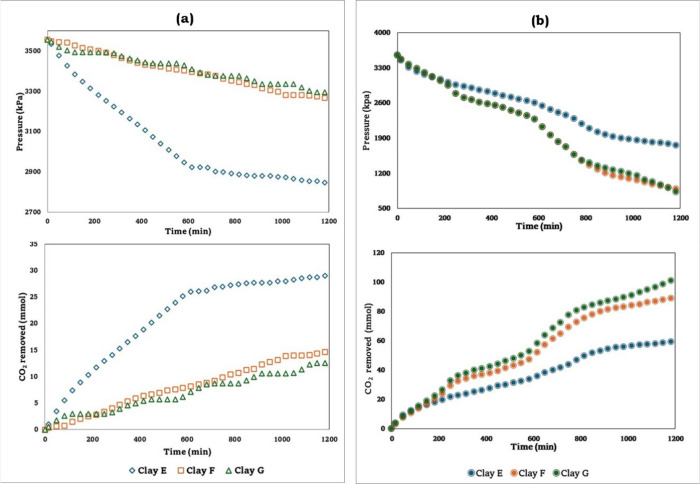 Figure 4
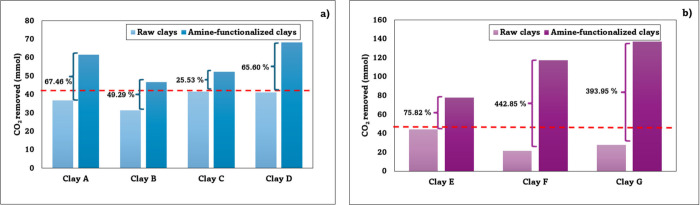 Figure 5
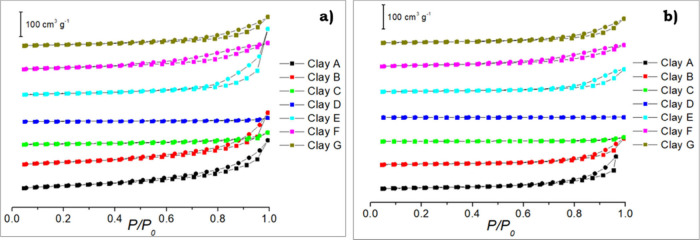 Figure 6
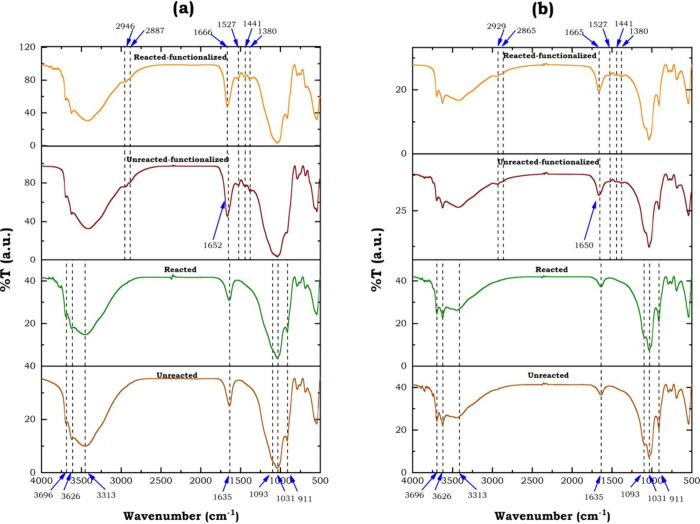 Figure 7
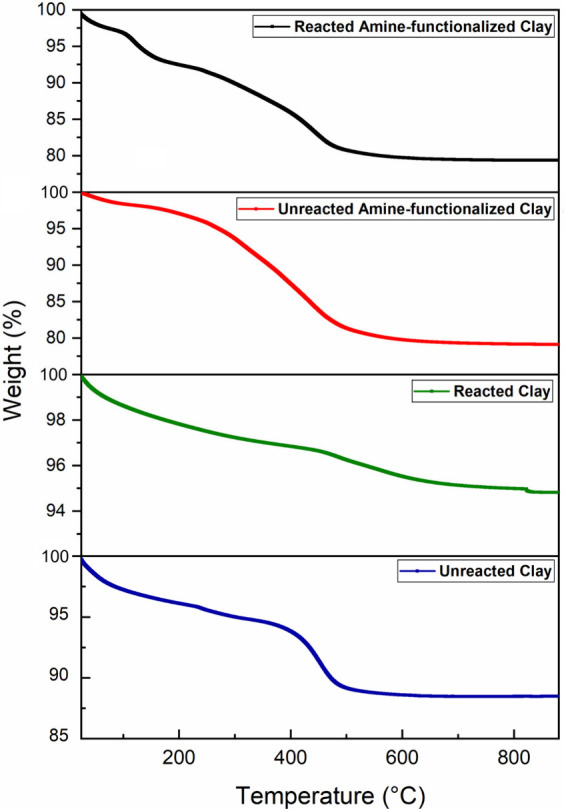 Figure 8
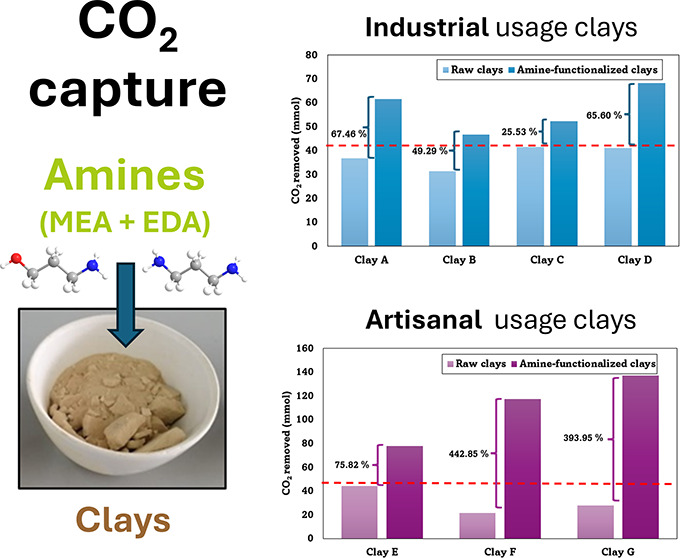 Figure 9
 Figure 10
 Figure 11
 Figure 12
 Figure 13
 Figure 14
Peer Reviews
No public reviews on file for this paper yet. If you reviewed it on a platform where reviews are public (OpenReview, ICLR, NeurIPS, ICML), you can paste yours below so the community can read it here.
Videos
No videos yet. Explain this paper in a talk, walkthrough, or lecture? Add one.
Taxonomy
TopicsCarbon Dioxide Capture Technologies · Carbon dioxide utilization in catalysis · Adsorption and Cooling Systems