Simultaneous Production of Rhamnolipids and Glycolipopeptides by Burkholderia thailandensis E264 via Covalorization of Torrefied Wood Waste and Food Waste
Anjana Hari, Ernesto Zapata, Michaela Hříbková, Koit Herodes, Vahur Rooni, Sabarathinam Shanmugam, Cristiana A. V. Torres, Timo Kikas

TL;DR
Researchers used wood and food waste to produce biosurfactants with Burkholderia thailandensis E264, showing potential for industrial applications.
Contribution
The study demonstrates the first simultaneous production of rhamnolipids and glycolipopeptides from torrefied wood and food waste.
Findings
T225–FWS media produced biosurfactants with the highest thermostability, retaining ∼30% mass at 400 °C.
Glycolipopeptides from T225 and T225–FWS had rhamnose as the dominant sugar, while FWS had galactose.
All three biopolymers reduced water surface tension significantly, with T225–FWS achieving the lowest at 35.4 mN/m.
Abstract
Continued research into structurally and functionally diverse biosurfactants is crucial to identify new biosurfactants that are cost-competitive and suitable for diverse industrial niches. Herein, we report the successful application of wood waste torrefied at 225 °C (T225) and food waste (FWS) as media components in three different formulationsT225, T225–FWS, and FWSfor the concomitant production of rhamnolipids and biopolymers by Burkholderia thailandensis E264. The rhamnolipids (carbon chain length C8–C16) exhibited media-dependent congener differences, and the biopolymers were identified to be glycolipopeptides with molecular weights of 4.4 × 10⁵–5.5 × 10⁵ Da. T225–FWS exhibited the highest thermostability and retained ∼30% of its residual mass at 400 °C, suggesting potential high-temperature applications, including oil recovery and industrial cleaning. Rhamnose was the dominant…
Genes, proteins, chemicals, diseases, species, mutations and cell lines named across the full text — each resolved to its canonical identifier and authoritative record.
Click any figure to enlarge with its caption.
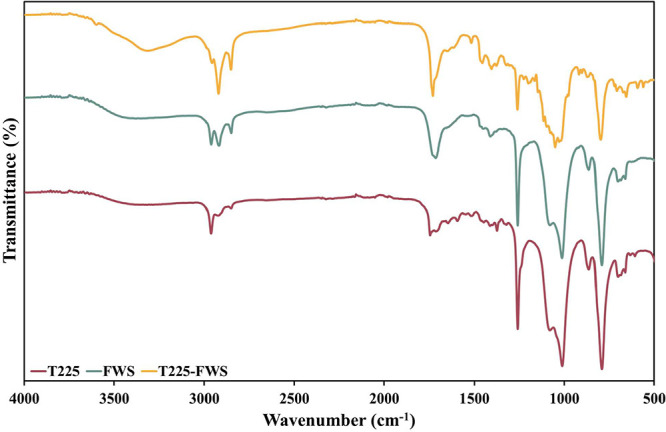 Figure 1
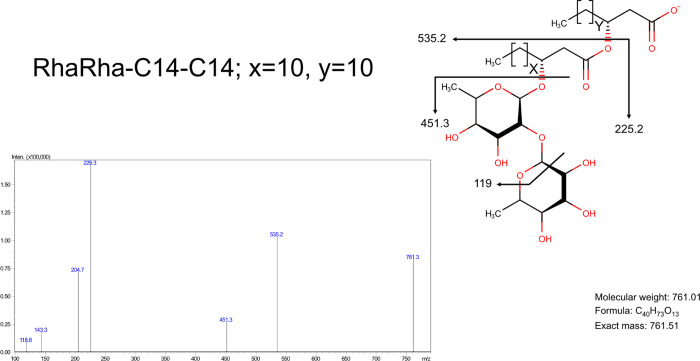 Figure 2
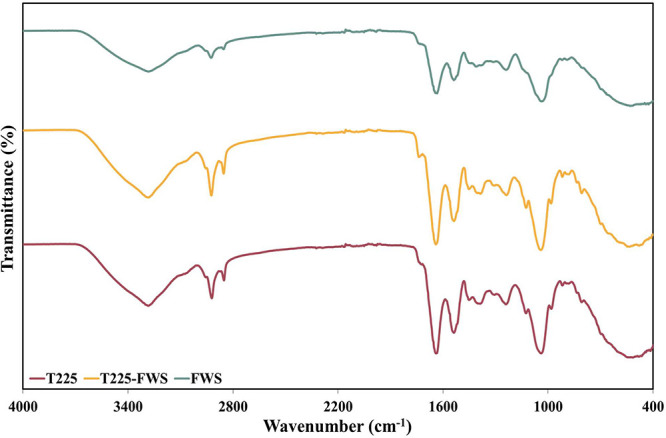 Figure 3
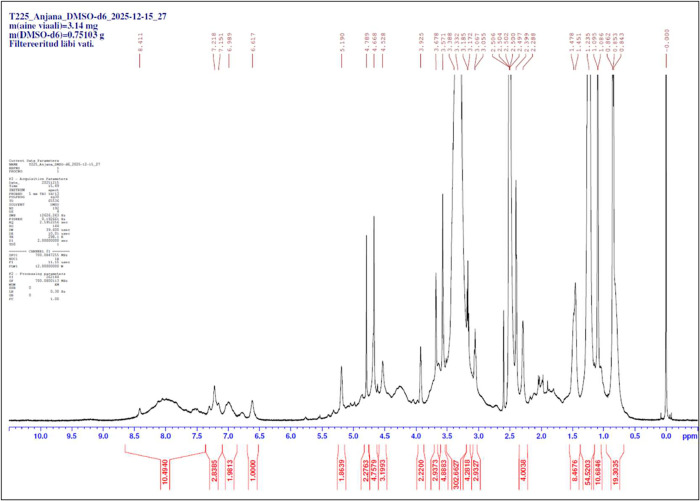 Figure 4
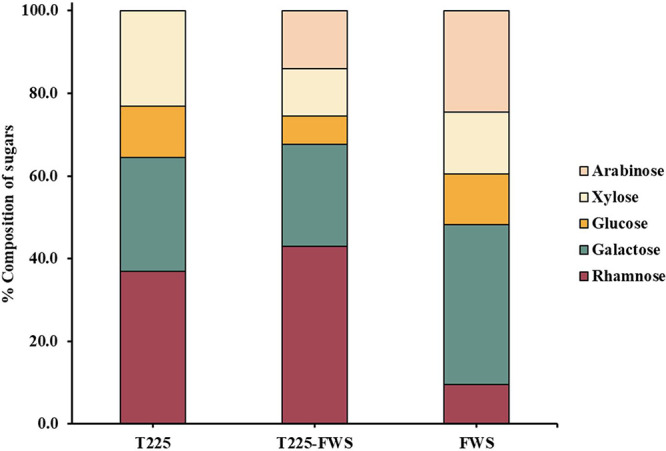 Figure 5
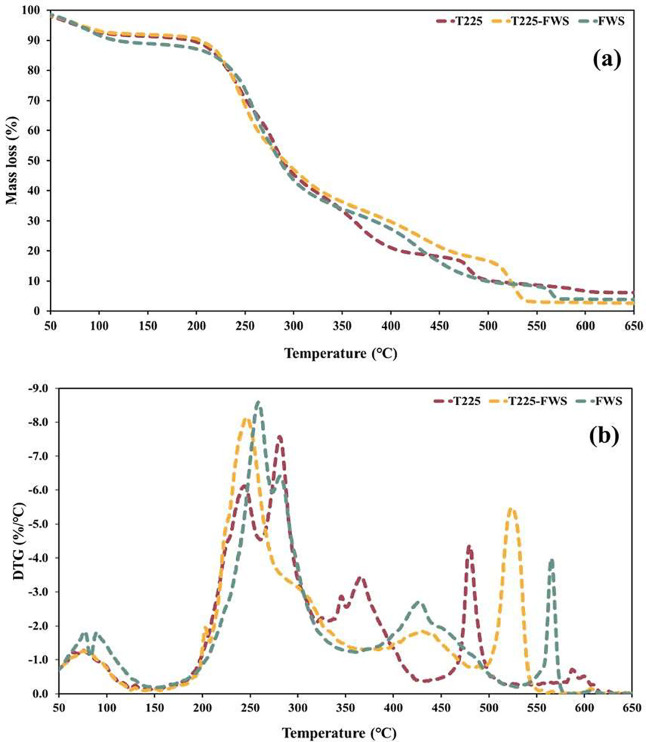 Figure 6
 Figure 7
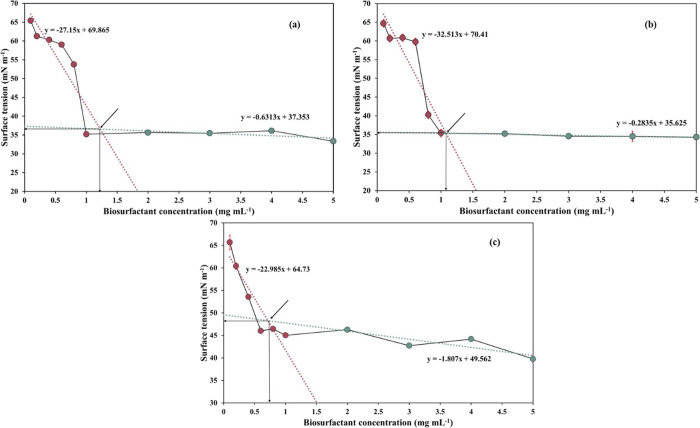 Figure 8
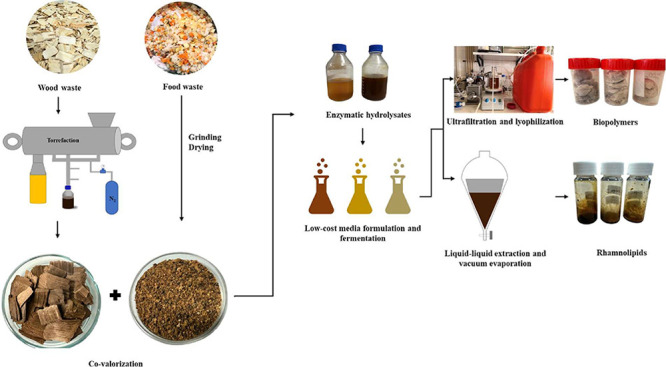 Figure 9
 Figure 10
 Figure 11
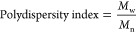 Figure 12
Peer Reviews
No public reviews on file for this paper yet. If you reviewed it on a platform where reviews are public (OpenReview, ICLR, NeurIPS, ICML), you can paste yours below so the community can read it here.
Videos
No videos yet. Explain this paper in a talk, walkthrough, or lecture? Add one.
Taxonomy
TopicsMicrobial bioremediation and biosurfactants · Pickering emulsions and particle stabilization · Enhanced Oil Recovery Techniques