Conductivity Enhancement and Strain Gauge Optimization for Accurate and Stable Flexible Wearable Motion Sensors
Yen-Kai Huang, Shih-Chen Shi, Dieter Rahmadiawan, Guan-Yu Chen

TL;DR
This paper presents a new hydrogel-based wearable sensor with improved conductivity and design for accurate motion tracking.
Contribution
A DMSO-modified hydrogel and biaxial strain gauge design that enhances conductivity and stability for wearable motion sensors.
Findings
DMSO reduced hydrogel resistivity by up to 80% at 15 wt % and improved stability at 5 wt %.
The biaxial strain gauge outperformed the rosette design with mean errors below 6° in motion tests.
5 wt % DMSO samples maintained reproducibility for 21 days, while untreated samples degraded after 14 days.
Abstract
Flexible wearable sensors are widely used in health monitoring and sports training, but their accuracy and stability are often limited by poor conductivity and unsuitable strain gauge design. Conductive hydrogels offer softness and biocompatibility, yet PEDOT:PSS-based systems typically suffer from unstable signals and limited long-term reliability. Enhancing conductivity and aligning the strain gauge orientation with muscle motion are crucial to improving performance. This study developed a dual-network poly(vinyl alcohol) (PVA)/poly(acrylic acid) (PAA) hydrogel containing dimethyl sulfoxide (DMSO)-modified poly(3,4-ethylenedioxythiophene):poly(styrenesulfonate) (PEDOT:PSS) for wearable motion sensing. DMSO was introduced as a secondary dopant, and FTIR, resistivity measurements, and DMA evaluated its effect. Two sensor designs, a biaxial strain gauge and a strain rosette, were…
Genes, proteins, chemicals, diseases, species, mutations and cell lines named across the full text — each resolved to its canonical identifier and authoritative record.
Click any figure to enlarge with its caption.
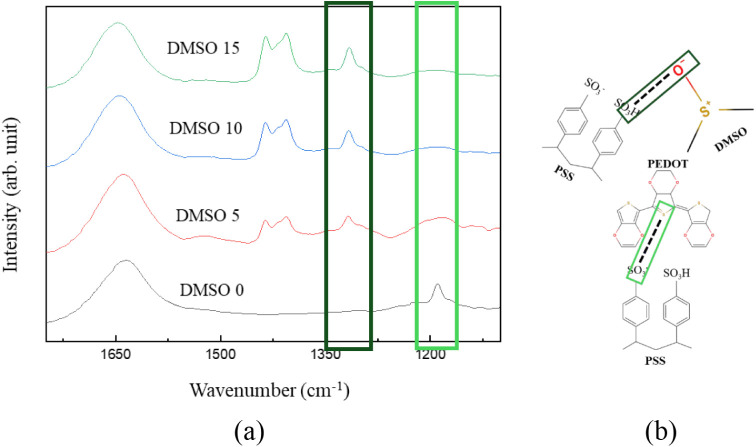 Figure 1
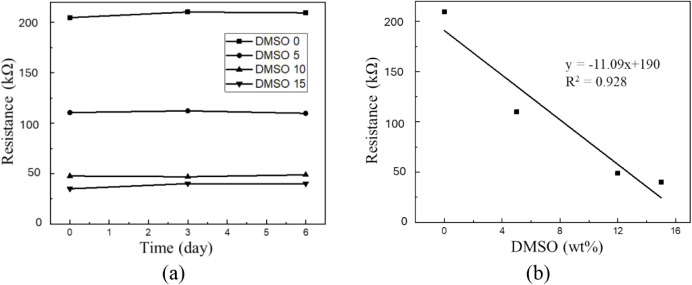 Figure 2
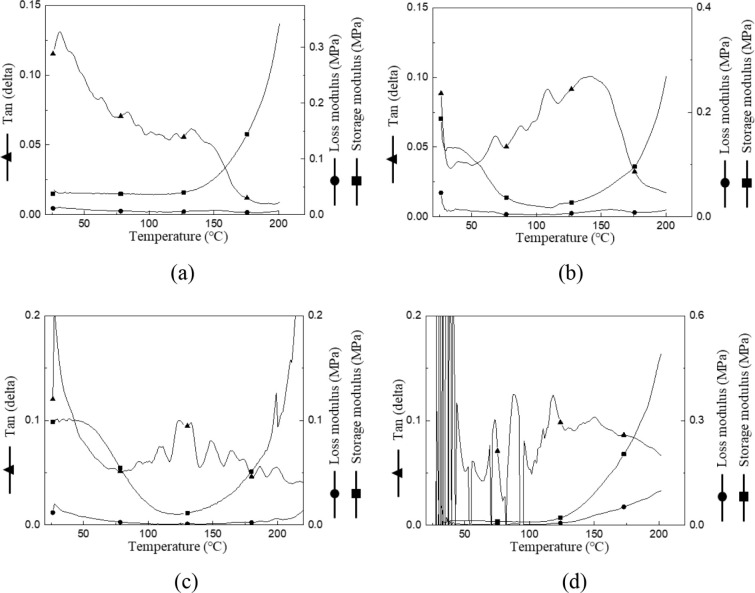 Figure 3
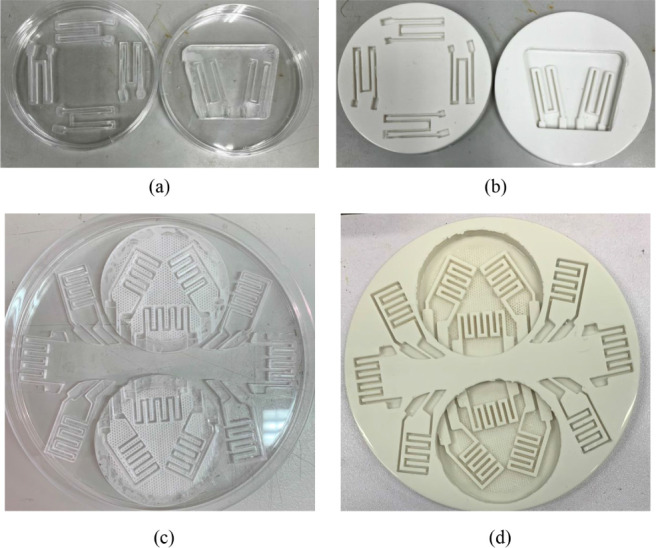 Figure 4
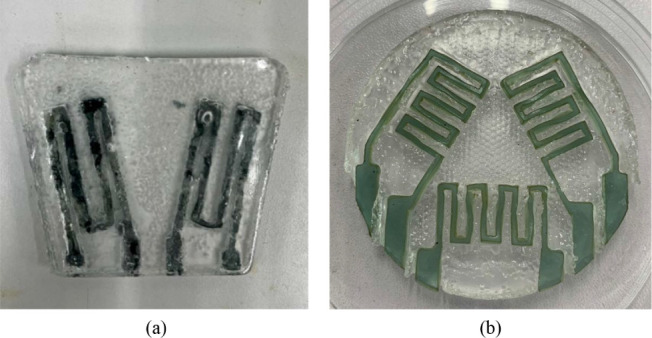 Figure 5
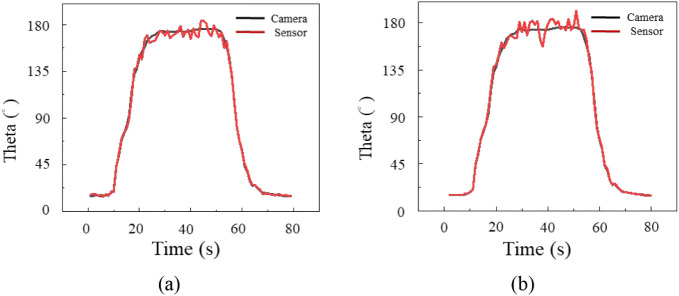 Figure 6
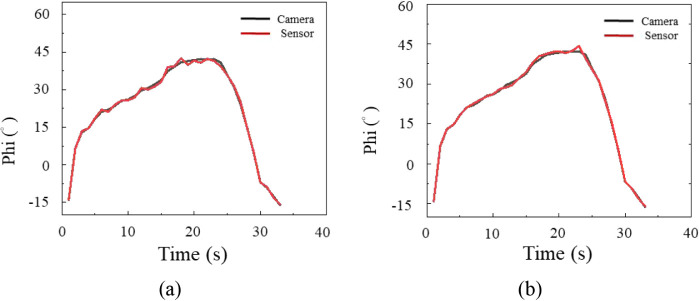 Figure 7
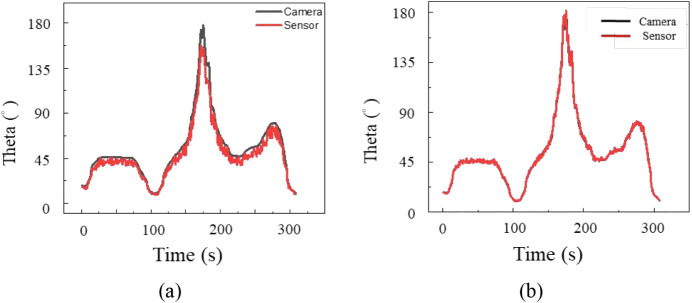 Figure 8
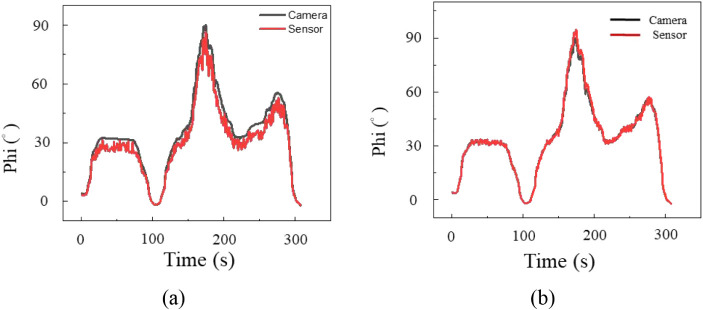 Figure 9
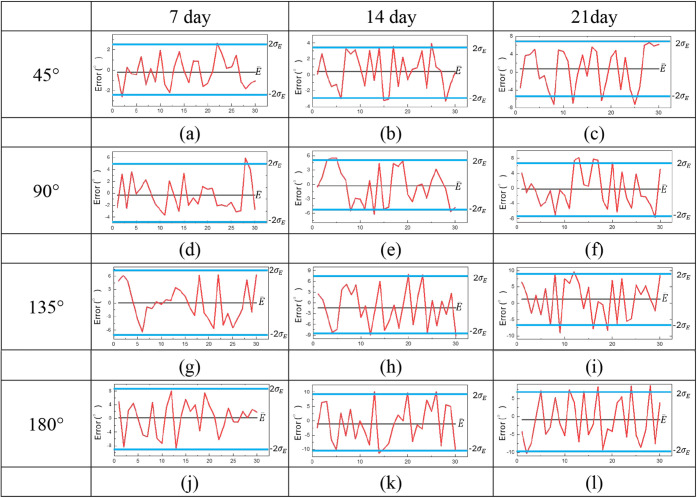 Figure 10
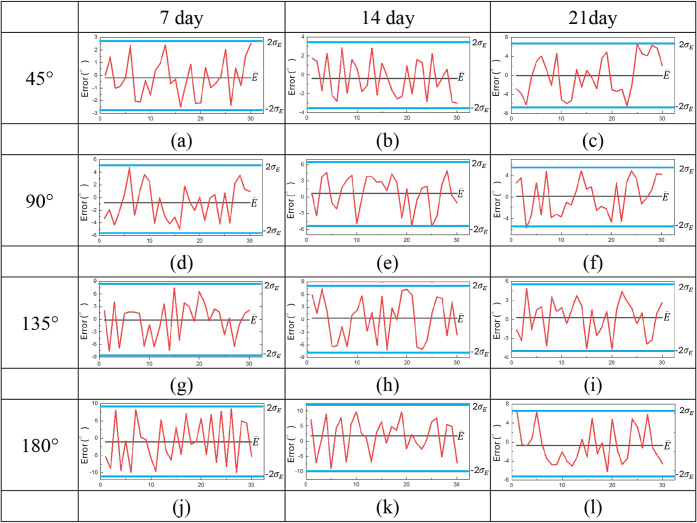 Figure 11
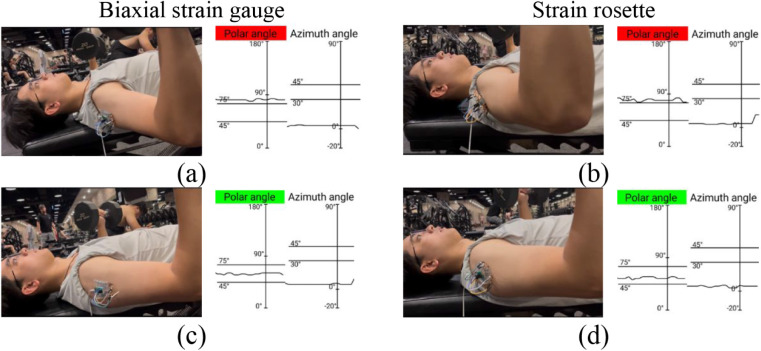 Figure 12
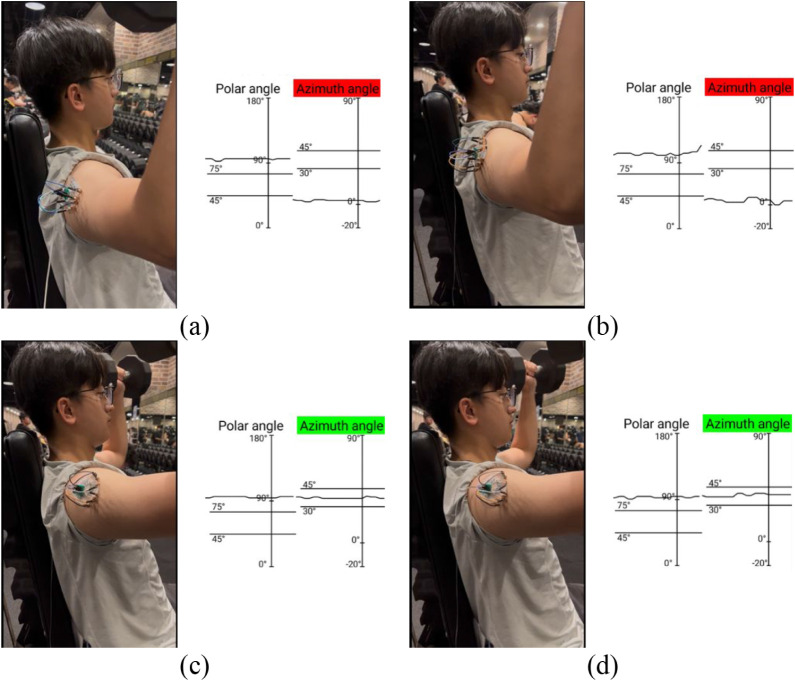 Figure 13
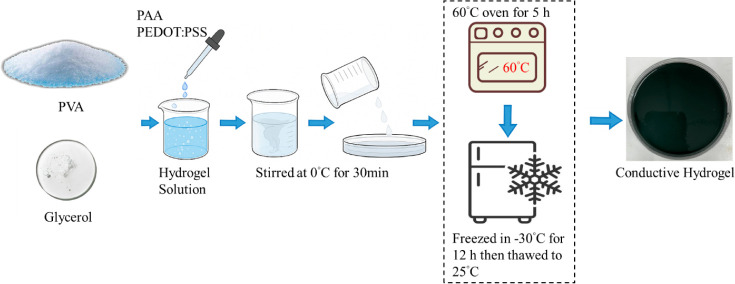 Figure 14
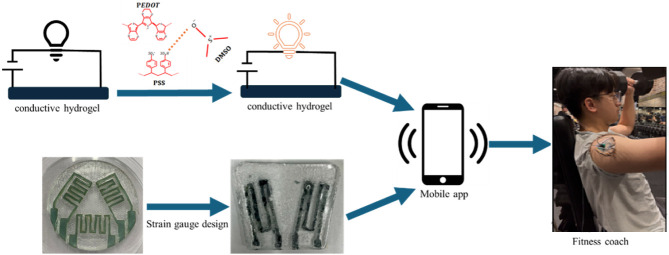 Figure 15
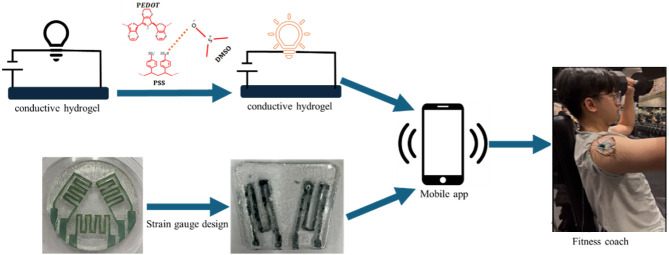 Figure 16
 Figure 17
 Figure 18
Peer Reviews
No public reviews on file for this paper yet. If you reviewed it on a platform where reviews are public (OpenReview, ICLR, NeurIPS, ICML), you can paste yours below so the community can read it here.
Videos
No videos yet. Explain this paper in a talk, walkthrough, or lecture? Add one.
Taxonomy
TopicsAdvanced Sensor and Energy Harvesting Materials · Muscle activation and electromyography studies · Prosthetics and Rehabilitation Robotics