Group psychosocial interventions for anxiety, depression, and post-traumatic stress disorder in children and adolescents in low- and middle-income countries: A realist systematic review and meta-analysis of randomised controlled trials
Tahir Jokinen, Mujahed Abassi, John Hodsoll, Katie H. Atmore, Chris Bonell, Kelly Rose-Clarke, Olumide Adeleke, Olumide Adeleke

TL;DR
This study explores how group psychosocial treatments for mental health issues in children and teens work differently in low- and middle-income countries, based on factors like age and culture.
Contribution
The study introduces a realist systematic review approach to understand how and why group psychosocial interventions work in diverse contexts within low- and middle-income countries.
Findings
Group psychosocial interventions significantly reduced symptoms of depression, anxiety, and PTSD in children and adolescents.
Effect sizes were larger for older children and those without conflict exposure, suggesting context influences outcomes.
Programme theories suggest interventions are more effective when culturally adapted and age-appropriate.
Abstract
Group psychosocial interventions can be a scalable treatment for depression, anxiety, and post-traumatic stress disorder (PTSD) in low- and middle-income countries (LMICs) but effects are heterogeneous. Little is known about how intervention mechanisms and context interact to generate different outcomes in different populations. We conducted a realist systematic review, combining traditional systematic review methods with analysis of intervention mechanisms and contextual factors to further understanding of complex interventions. This involved: (i) a scoping review to build initial theory and inform data extraction and analysis; (ii) systematically searching six databases for randomised controlled trials (RCTs) of group psychosocial interventions for participants aged 0–19 years in LMICs (21 November 2022, updated 26 April 2024); (iii) extracting data on outcomes, contextual factors,…
Genes, proteins, chemicals, diseases, species, mutations and cell lines named across the full text — each resolved to its canonical identifier and authoritative record.
Click any figure to enlarge with its caption.
 Figure 1
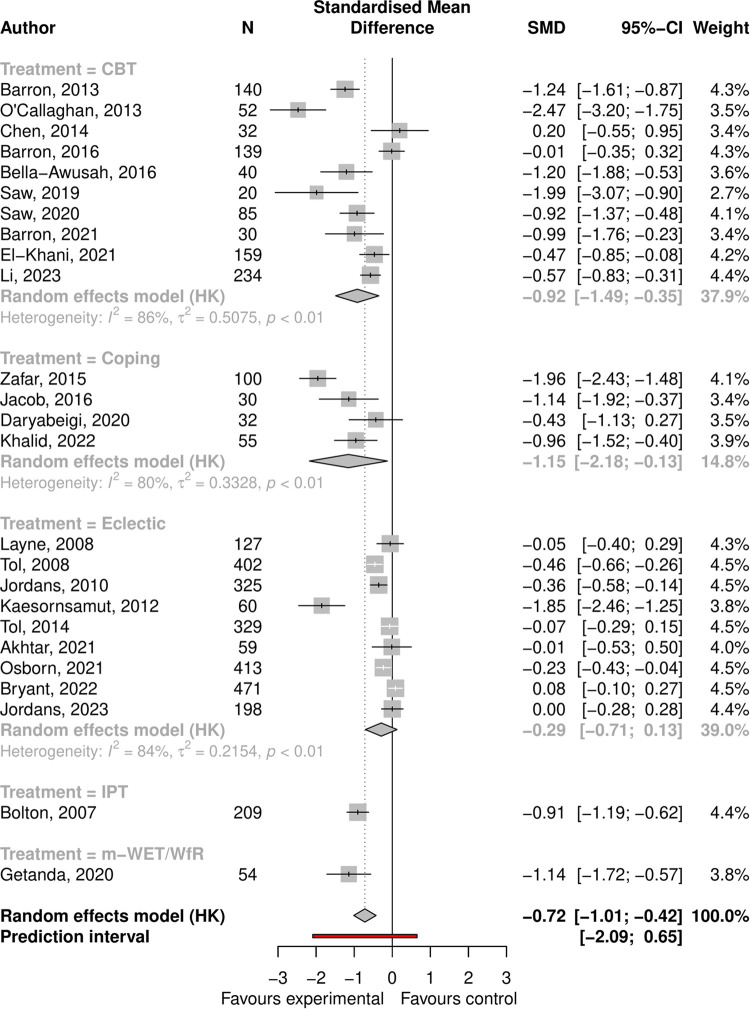 Figure 2
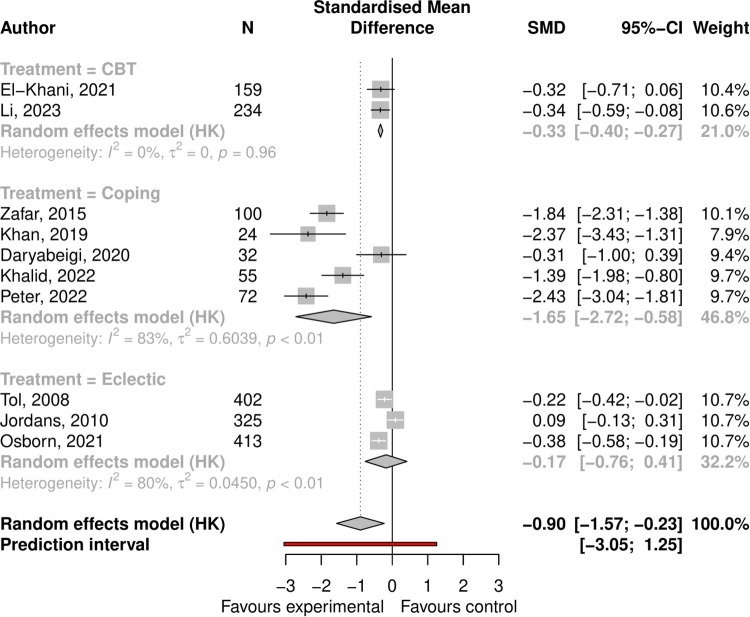 Figure 3
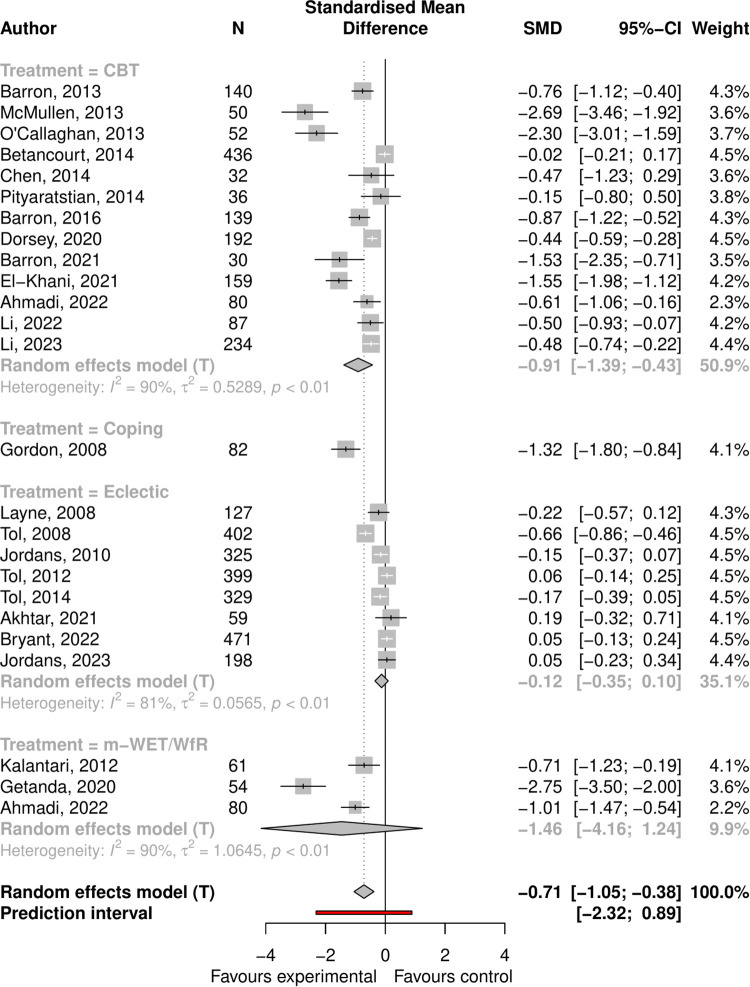 Figure 4
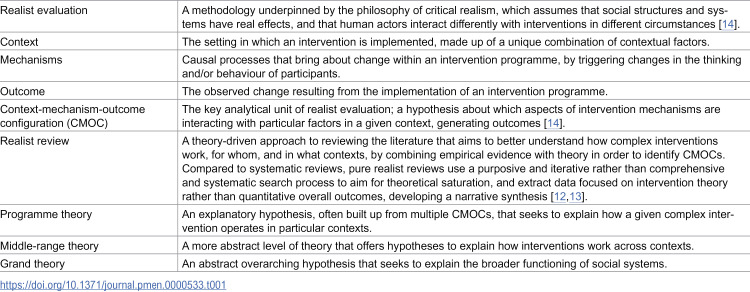 Figure 5
 Figure 6
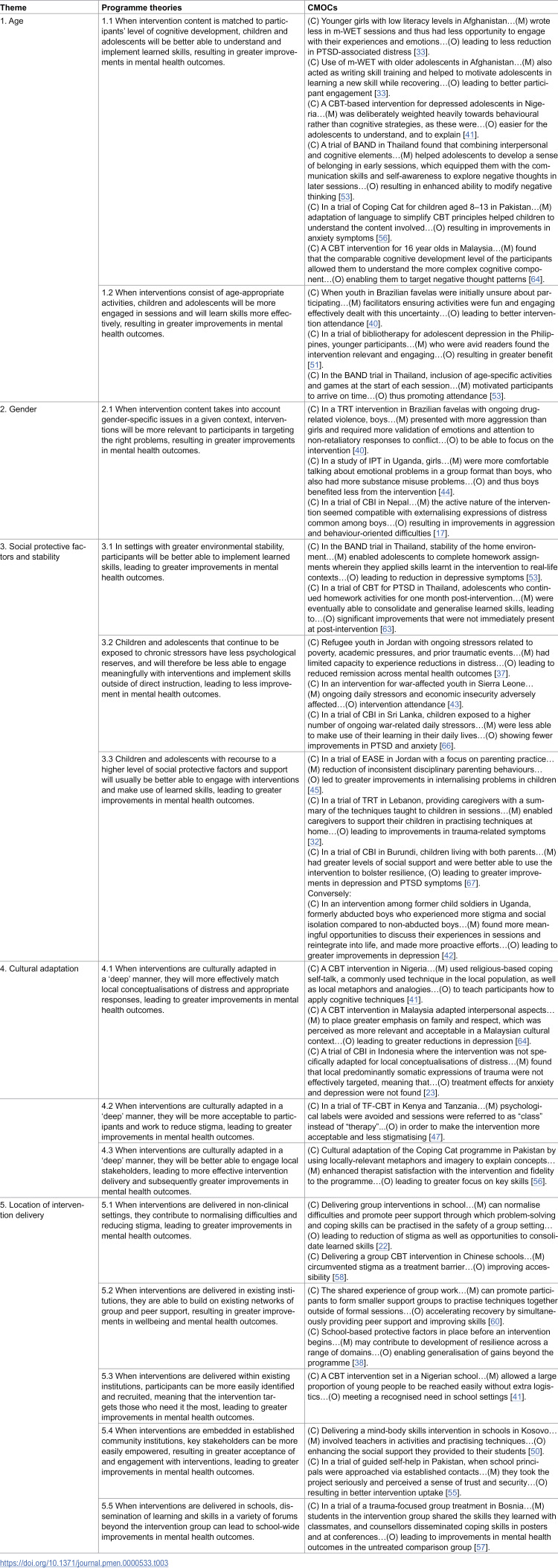 Figure 7
Peer Reviews
No public reviews on file for this paper yet. If you reviewed it on a platform where reviews are public (OpenReview, ICLR, NeurIPS, ICML), you can paste yours below so the community can read it here.
Videos
No videos yet. Explain this paper in a talk, walkthrough, or lecture? Add one.
Taxonomy
TopicsChild and Adolescent Psychosocial and Emotional Development · Posttraumatic Stress Disorder Research · Child Abuse and Trauma