Bioimpedance-assessed volume overload predicts interdialytic hypertension and disrupted circadian blood pressure rhythm in maintenance hemodialysis patients
Qian Wang, Min Li, Shipeng Shen, Yao Hu, Yongzhe Chen, Changchang Liang, Ke Yu, Ying Li, Yanqing Chi, Lu Bai, Yosuke Yamada, Yosuke Yamada, Yosuke Yamada

TL;DR
This study shows that bioimpedance measurements can predict high blood pressure and disrupted blood pressure rhythms in dialysis patients, helping improve their management.
Contribution
The study introduces bioimpedance-assessed volume overload as a novel predictor for hypertension and circadian blood pressure rhythm disruption in hemodialysis patients.
Findings
Higher overhydration and extracellular water ratios are linked to uncontrolled blood pressure in dialysis patients.
Overhydration and elevated parathyroid hormone levels independently predict abnormal circadian blood pressure rhythms.
Bioimpedance indicators can guide better blood pressure management and improve outcomes in hemodialysis patients.
Abstract
Hypertension and abnormal circadian blood pressure (BP) rhythm are prevalent in maintenance hemodialysis (MHD) patients, and are closely associated with cardiovascular diseases (CVD) and increased all-cause mortality. Volume overload represents a critical factor in effectively controlling hypertension. Bioelectrical Impedance Analysis (BIA) has been validated as an accurate method for assessing volume status. This study aimed to investigate the predictive value of BIA-derived volume indicators for hypertension and circadian BP rhythm abnormalities in MHD patients, providing a theoretical basis for optimizing volume control and BP management. We used body composition monitor to assess pre-dialysis volume status and employed 44-hour interdialytic ambulatory BP monitoring (ABPM) to obtain BP parameters. Comparative analyses were conducted between controlled vs. uncontrolled ABPM groups,…
Genes, proteins, chemicals, diseases, species, mutations and cell lines named across the full text — each resolved to its canonical identifier and authoritative record.
Click any figure to enlarge with its caption.
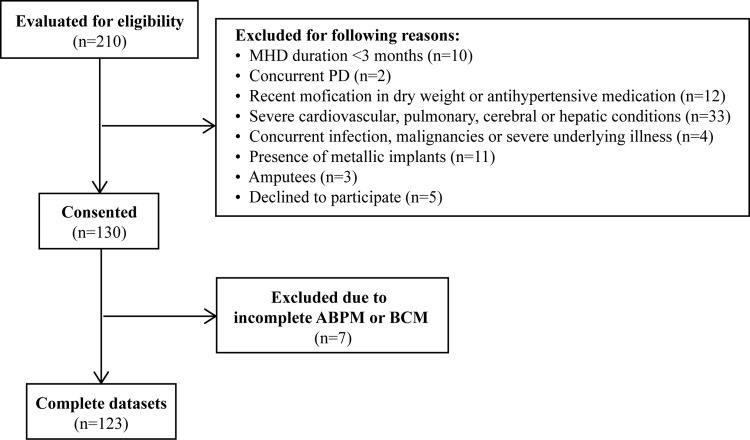 Figure 1
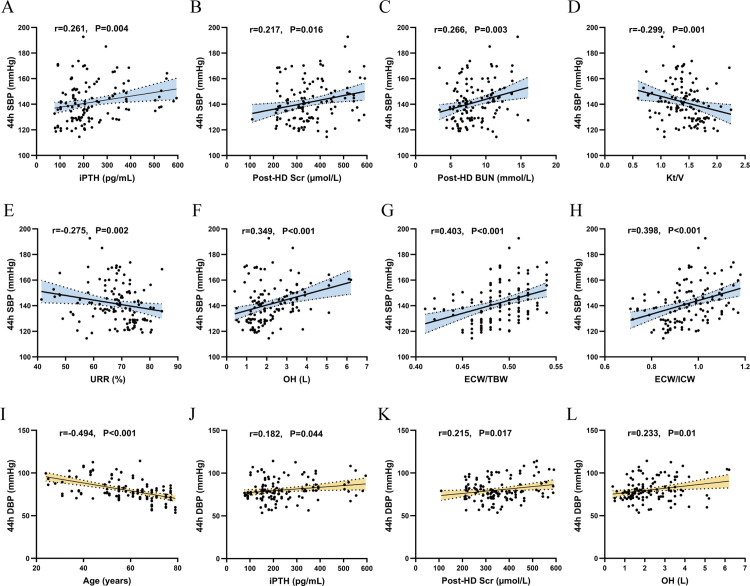 Figure 2
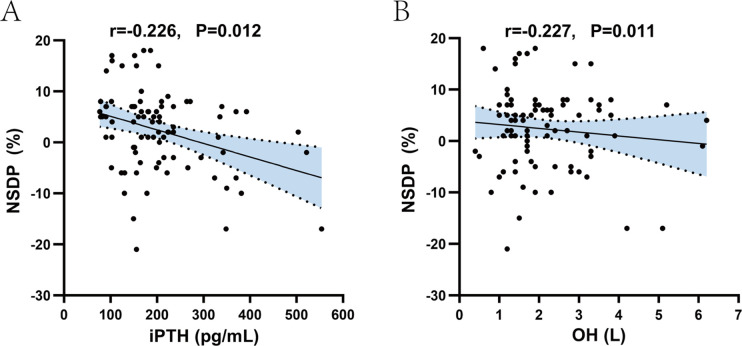 Figure 3
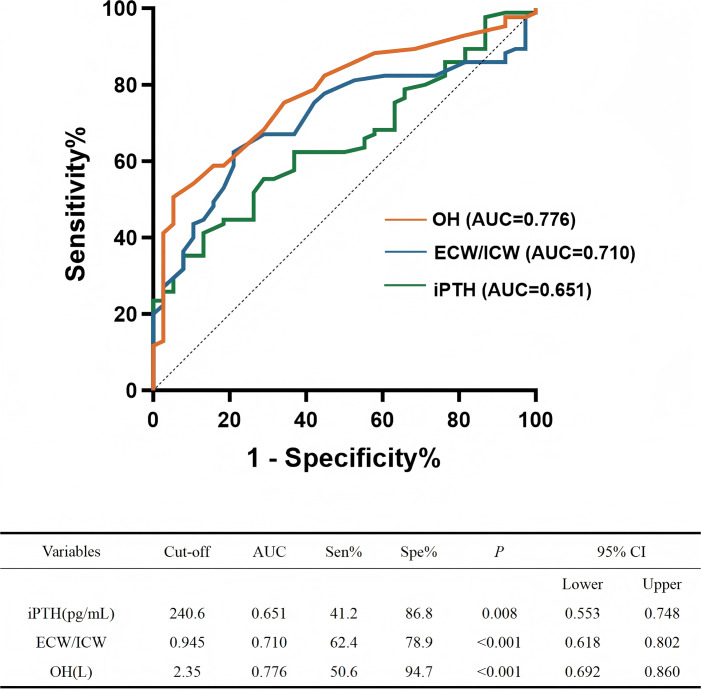 Figure 4
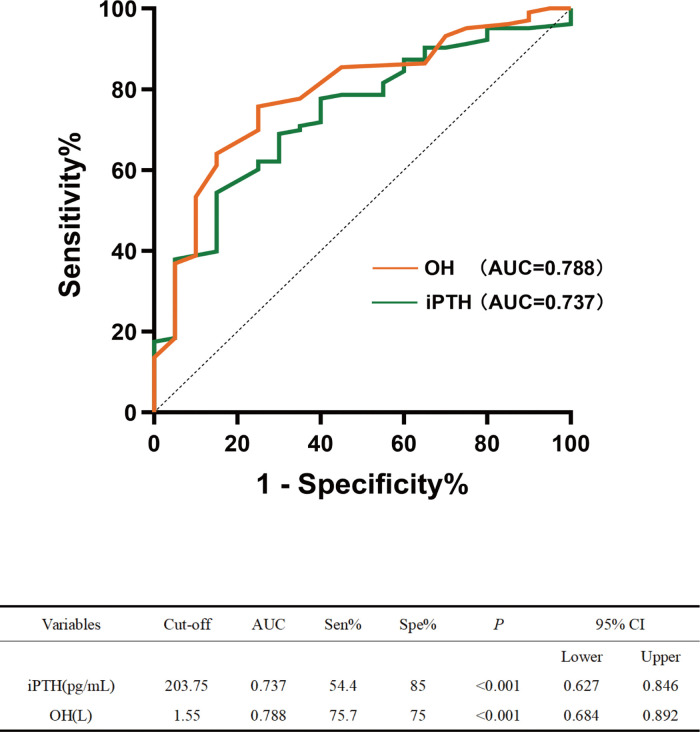 Figure 5
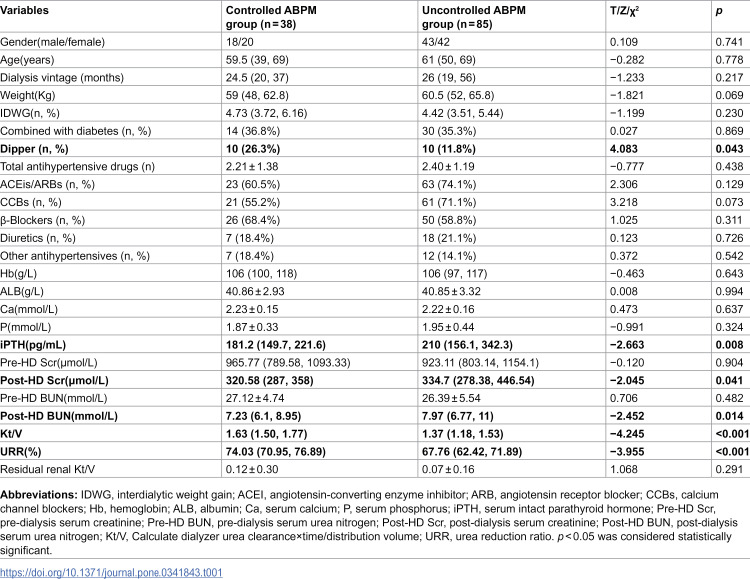 Figure 6
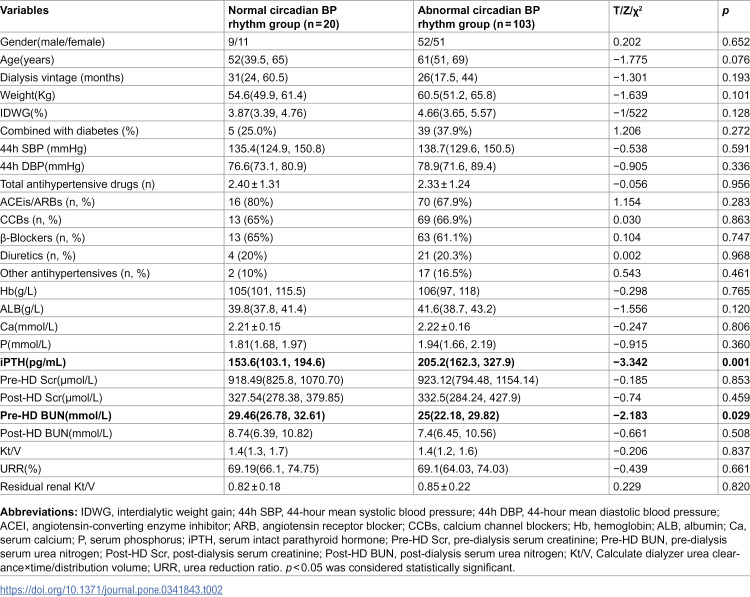 Figure 7
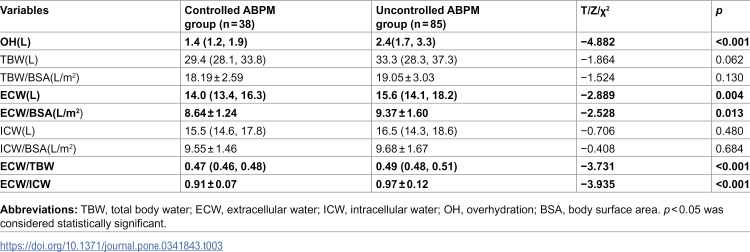 Figure 8
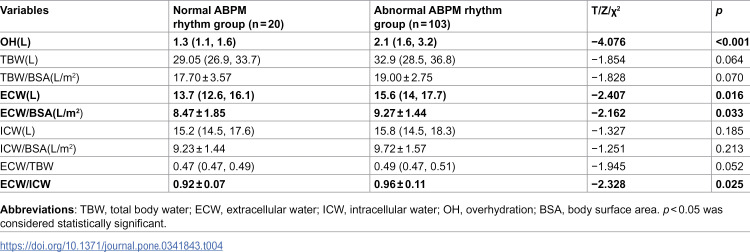 Figure 9
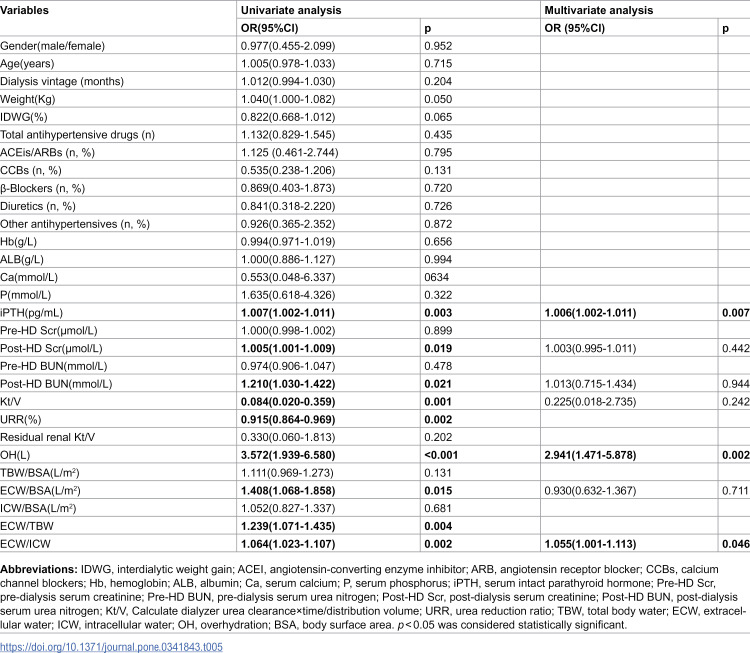 Figure 10
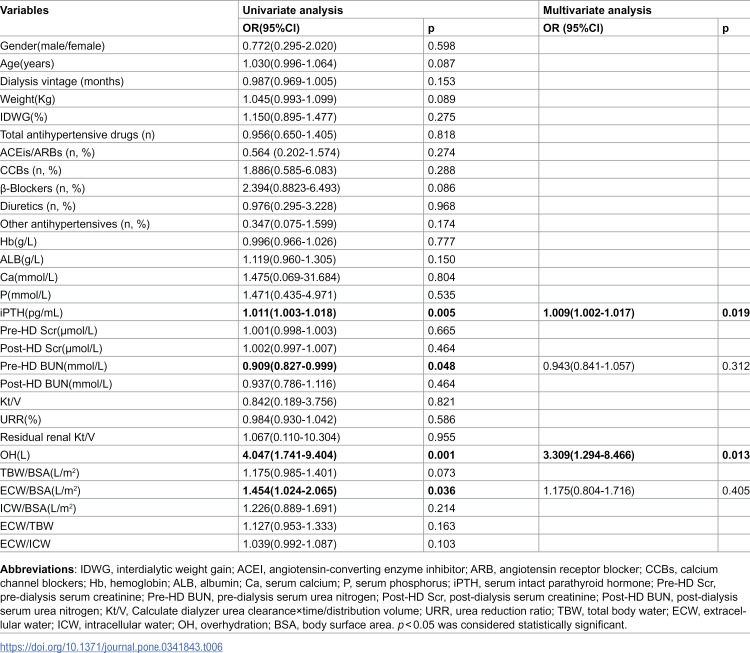 Figure 11
Peer Reviews
No public reviews on file for this paper yet. If you reviewed it on a platform where reviews are public (OpenReview, ICLR, NeurIPS, ICML), you can paste yours below so the community can read it here.
Videos
No videos yet. Explain this paper in a talk, walkthrough, or lecture? Add one.
Taxonomy
TopicsDialysis and Renal Disease Management · Body Composition Measurement Techniques · Chronic Kidney Disease and Diabetes