PFKFB3 exacerbates myocardial injury by accelerating CXCR4hi neutrophil mobilization after acute myocardial infarction
Yingjia Xu, Min Xiao, Qin Zhu, Wutao Wang, Danrui Wang, Dadong Liu, Zongying Yu, Jung-Eun Kim, Jung-Eun Kim, Jung-Eun Kim, Jung-Eun Kim

TL;DR
This study shows that PFKFB3 worsens heart damage after a heart attack by increasing harmful neutrophil activity.
Contribution
The study reveals a novel role of PFKFB3 in accelerating CXCR4hi neutrophil mobilization after AMI.
Findings
PFKFB3 expression in neutrophils is elevated in AMI patients and linked to higher inflammatory markers.
PFKFB3 promotes CXCR4hi neutrophil mobilization through glycolytic reprogramming in mice.
Neutrophil-specific PFKFB3 knockout reduces myocardial injury in AMI models.
Abstract
CXCR4hi neutrophil mobilization is a key cause of myocardial damage after acute myocardial infarction (AMI). 6-Phosphofructo-2-kinase/fructose-2,6-biphosphatase 3 (PFKFB3), a key glycolytic enzyme, plays a crucial role in regulating neutrophil function. However, researchers have not clearly determined whether PFKFB3 is involved in AMI-induced CXCR4hi neutrophil mobilization. First, the circulating CXCR4hi neutrophil percentage and neutrophil Pfkfb3 mRNA expression were measured in AMI patients and left anterior descending coronary artery (LADCA)-ligated mice. Next, we explored the relationship between PFKFB3 and CXCR4 expression in lipopolysaccharide (LPS)-stimulated cell models. Neu-PFKFB3–/– mice were used to investigate the effect of conditional knockout of the Pfkfb3 gene in neutrophils on AMI-induced myocardial inflammatory injury. In AMI patients, the expression level of Pfkfb3…
Genes, proteins, chemicals, diseases, species, mutations and cell lines named across the full text — each resolved to its canonical identifier and authoritative record.
Click any figure to enlarge with its caption.
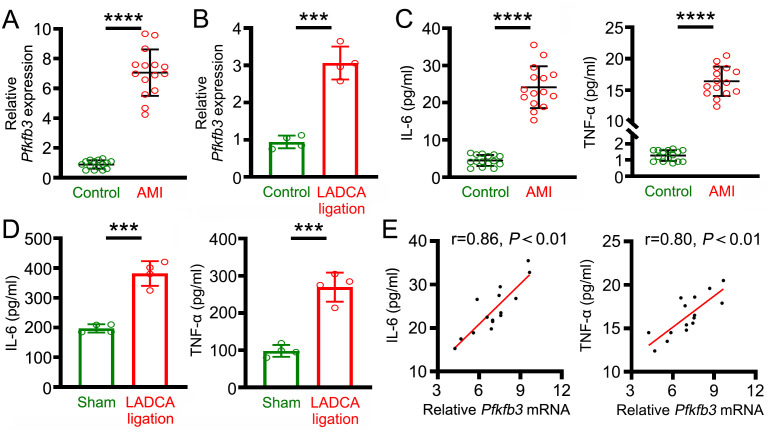 Figure 1
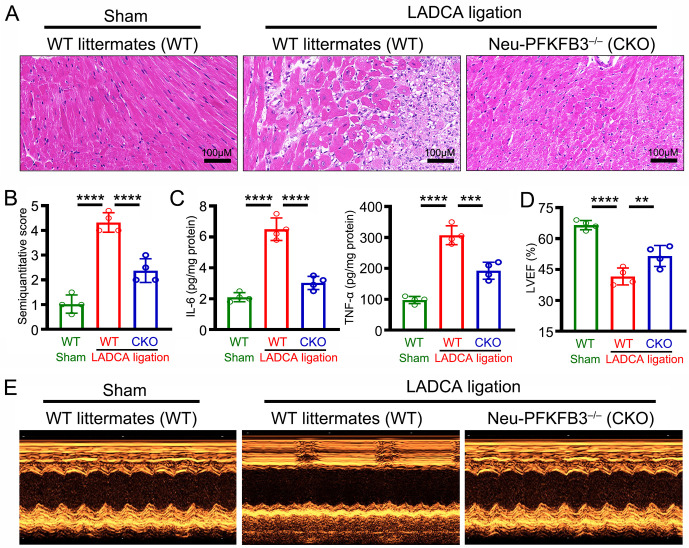 Figure 2
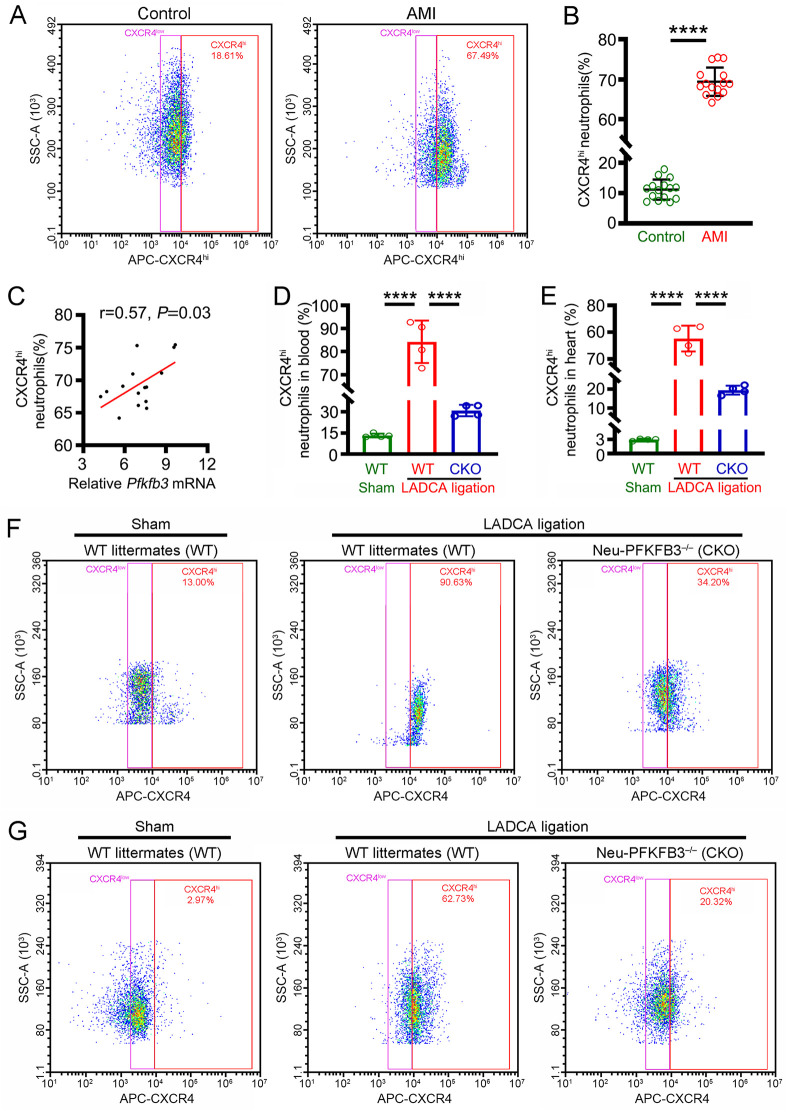 Figure 3
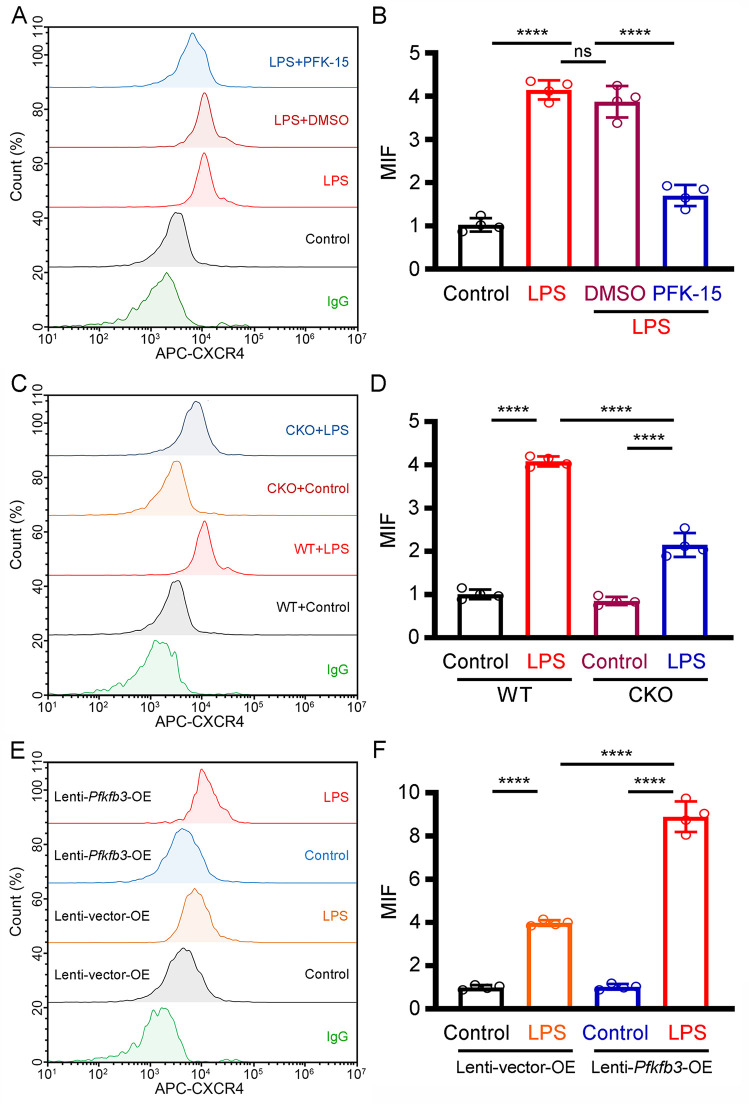 Figure 4
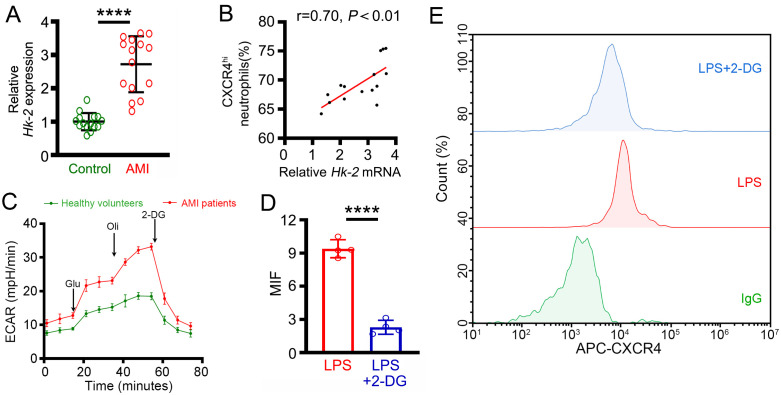 Figure 5
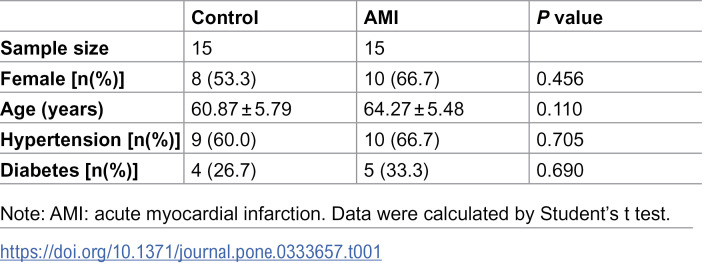 Figure 6
Peer Reviews
No public reviews on file for this paper yet. If you reviewed it on a platform where reviews are public (OpenReview, ICLR, NeurIPS, ICML), you can paste yours below so the community can read it here.
Videos
No videos yet. Explain this paper in a talk, walkthrough, or lecture? Add one.
Taxonomy
TopicsNeutrophil, Myeloperoxidase and Oxidative Mechanisms · Chemokine receptors and signaling · Immune cells in cancer