Discovery and computational characterization of ZIKV envelope-targeted peptides from a subtractive phage display library
Mirna Burciaga-Flores, Javier Wong-Romero, Darwin Elizondo-Quiroga, Eréndira Villalobos-Sánchez, Abel Gutiérrez-Ortega, Tanya A. Camacho-Villegas, Sergio A. Águila

TL;DR
Researchers identified specific peptides that bind to the Zika virus envelope protein, offering potential for accurate diagnostics and targeted treatments.
Contribution
A subtractive phage display approach identified high-affinity peptides with structural insights into their binding to ZIKV envelope protein.
Findings
Eight peptides with high binding affinity to ZIKV envelope protein were identified using subtractive phage display.
Molecular simulations revealed that four peptides bind specifically to the DIII domain via electrostatic interactions.
The peptides formed stable complexes over 300 ns of molecular dynamics simulations, indicating strong binding potential.
Abstract
The Zika virus (ZIKV) poses a significant public health threat, and developing highly specific diagnostic and therapeutic agents that can distinguish it from other flaviviruses remains a critical challenge. To address this, we utilized a phage display library with a strategic subtractive panning approach against the ZIKV envelope protein (ZIKV-pE). This method identified eight linear peptides with high binding ability for ZIKV-pE. Enzyme-linked immunosorbent assay (ELISA) confirmed that these peptides recognized ZIKV-pE with statistical significance compared to a bovine serum albumin (BSA) control. To elucidate the binding mechanisms, we performed molecular docking and molecular dynamics (MD) simulations. Computational analysis identified peptides R3Z15, R3Z09, R2Z05, and R3Z02 as the top candidates based on binding free energy calculations. The simulations revealed that these peptides…
Genes, proteins, chemicals, diseases, species, mutations and cell lines named across the full text — each resolved to its canonical identifier and authoritative record.
Click any figure to enlarge with its caption.
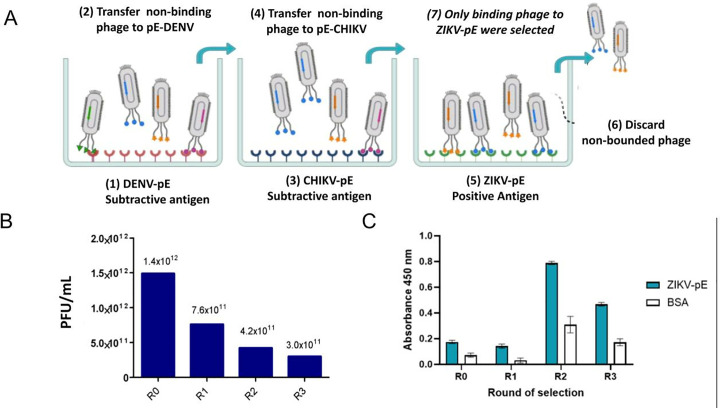 Figure 1
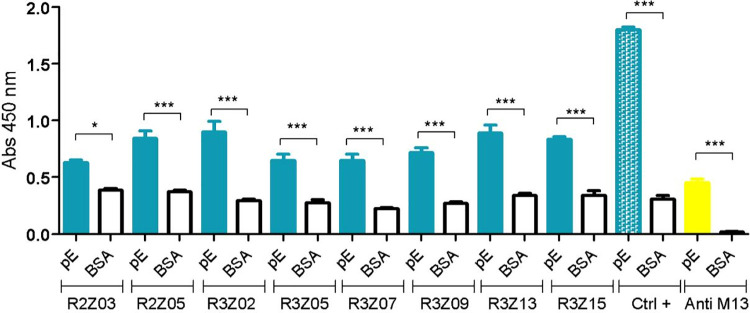 Figure 2
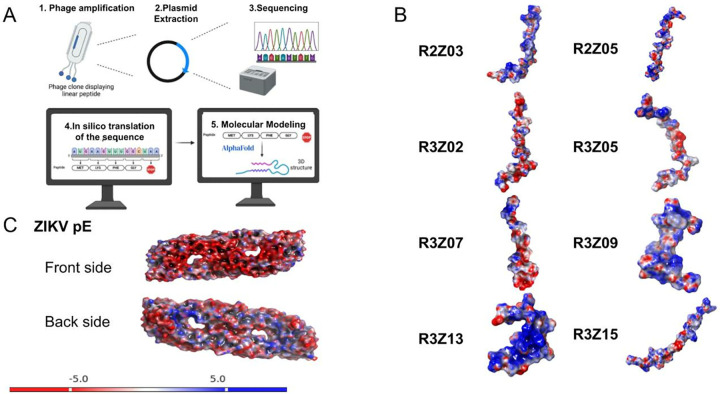 Figure 3
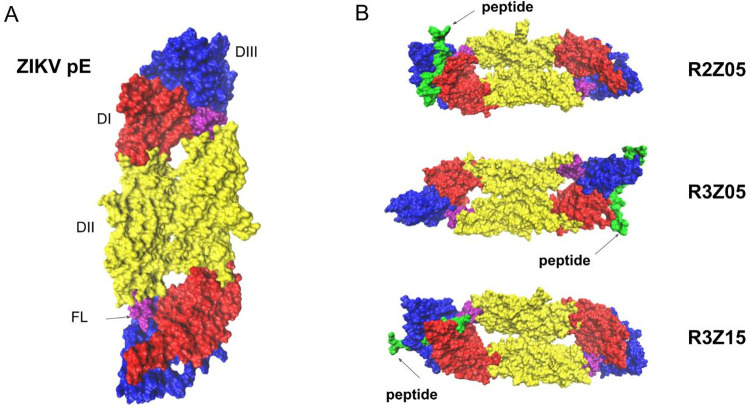 Figure 4
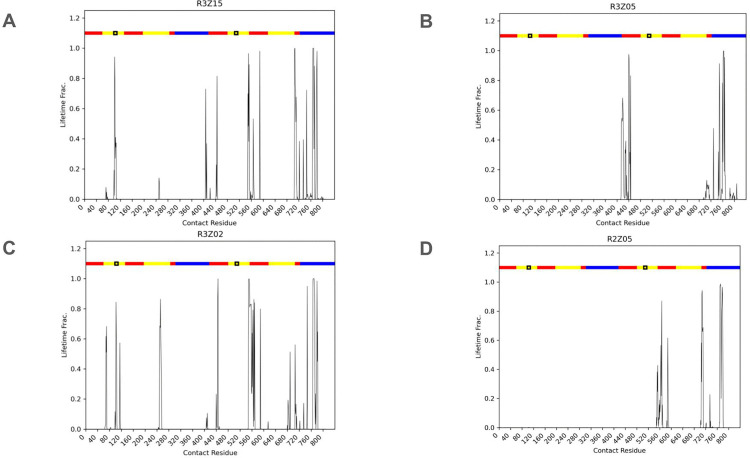 Figure 5
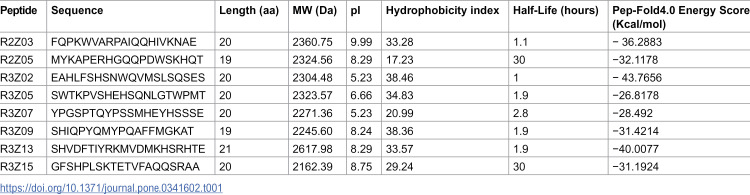 Figure 6
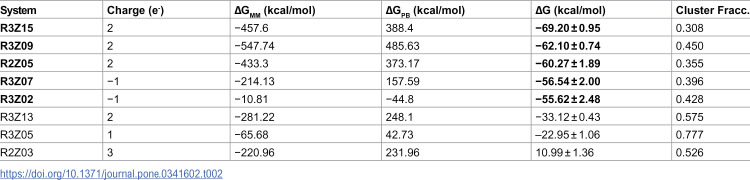 Figure 7
Peer Reviews
No public reviews on file for this paper yet. If you reviewed it on a platform where reviews are public (OpenReview, ICLR, NeurIPS, ICML), you can paste yours below so the community can read it here.
Videos
No videos yet. Explain this paper in a talk, walkthrough, or lecture? Add one.
Taxonomy
TopicsMonoclonal and Polyclonal Antibodies Research · Mosquito-borne diseases and control · Bacteriophages and microbial interactions