Population pharmacokinetics model of pyrazinamide to optimize tuberculosis treatment: An interethnic cohort study of diabetes mellitus effect on drug exposure
Rannissa Puspita Jayanti, Yong-Soon Cho, Soedarsono Soedarsono, Hyo-Jung Kim, Jiyeon Kang, Jehun Kim, Jee Youn Oh, Bo Hyoung Kang, Jick Hwan Ha, Jin-Woo Kim, Ni Made Mertaniasih, Tutik Kusmiati, Ariani Permatasari, Rika Yuliwulandari, Ryunha Kim, Hyeon-Jeong Seong

TL;DR
This study examines how diabetes affects pyrazinamide drug levels in Korean and Indonesian tuberculosis patients, suggesting higher doses for certain groups to improve treatment.
Contribution
The study introduces a population pharmacokinetics model to optimize pyrazinamide dosing for TB patients with diabetes.
Findings
Diabetes significantly increases pyrazinamide clearance in both Korean and Indonesian patients.
Higher PZA doses (1000–1250 mg) are recommended for patients under 40 kg and older patients with diabetes to achieve therapeutic targets.
No significant interethnic differences in pyrazinamide pharmacokinetics were observed.
Abstract
Diabetes mellitus (DM), a common comorbidity in tuberculosis (TB) patients, can alter the pharmacokinetics (PK) of TB drugs. Additionally, clinical and demographic differences may contribute to interethnic PK variability. However, current WHO-recommended doses for pyrazinamide (PZA) do not account for those factors. We aimed to evaluate factors related to interindividual variability (IIV) and interethnic differences in the PK of PZA between Korean and Indonesian patients with TB. Demographics, clinical characteristics, and PZA concentrations obtained from hospitals in both countries were used for model establishment. Population PK models were developed using the nonlinear mixed-effect method. A Monte Carlo simulation was performed sequentially to evaluate optimal PZA dosing strategies. A one-compartment model with allometric scaling adequately described the PK of PZA. Internal…
Genes, proteins, chemicals, diseases, species, mutations and cell lines named across the full text — each resolved to its canonical identifier and authoritative record.
Click any figure to enlarge with its caption.
 Figure 1
 Figure 2
 Figure 3
 Figure 4
 Figure 5
 Figure 6
 Figure 7
 Figure 8
 Figure 9
 Figure 10
 Figure 11
 Figure 12
 Figure 13
 Figure 14
 Figure 15
 Figure 16
 Figure 17
 Figure 18
 Figure 19
 Figure 20
 Figure 21
 Figure 22
 Figure 23
 Figure 24
 Figure 25
 Figure 26
 Figure 27
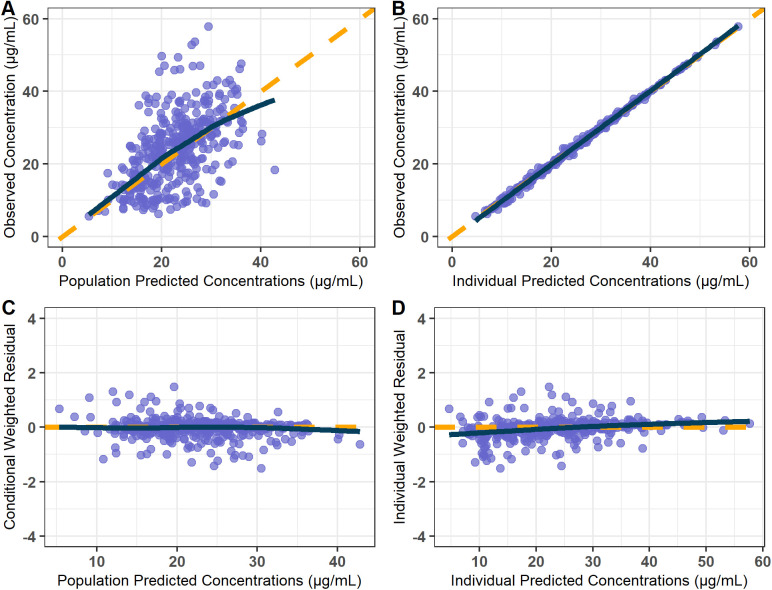 Figure 28
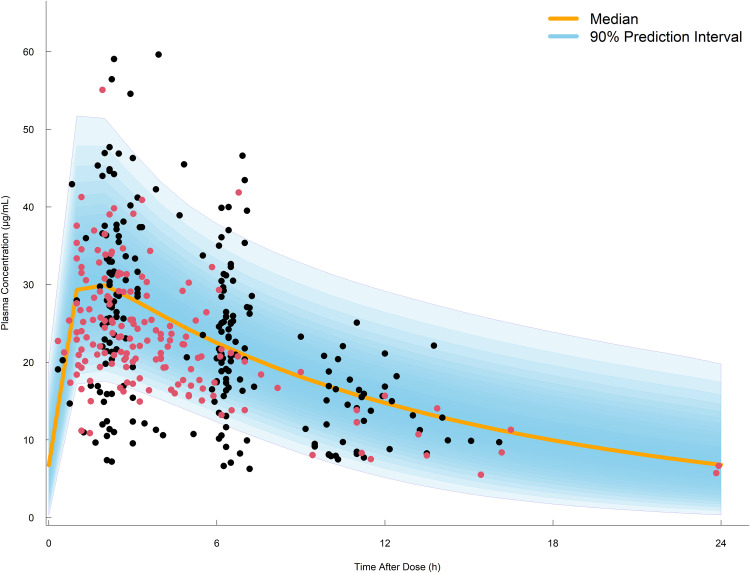 Figure 29
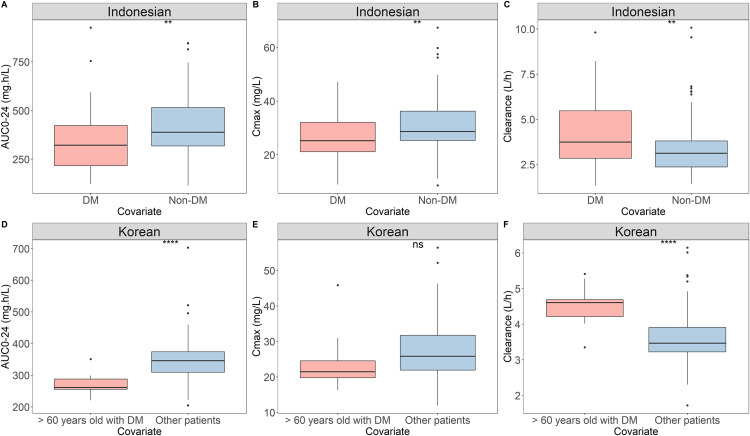 Figure 30
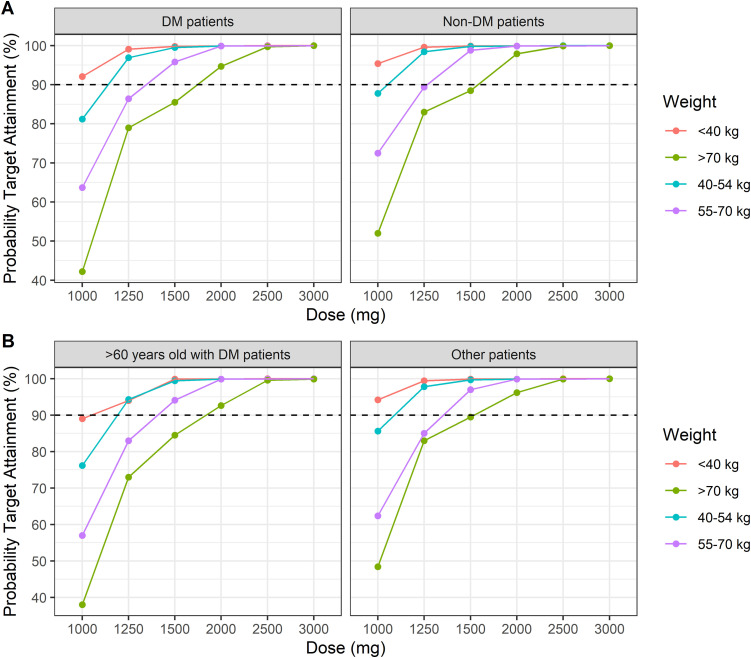 Figure 31
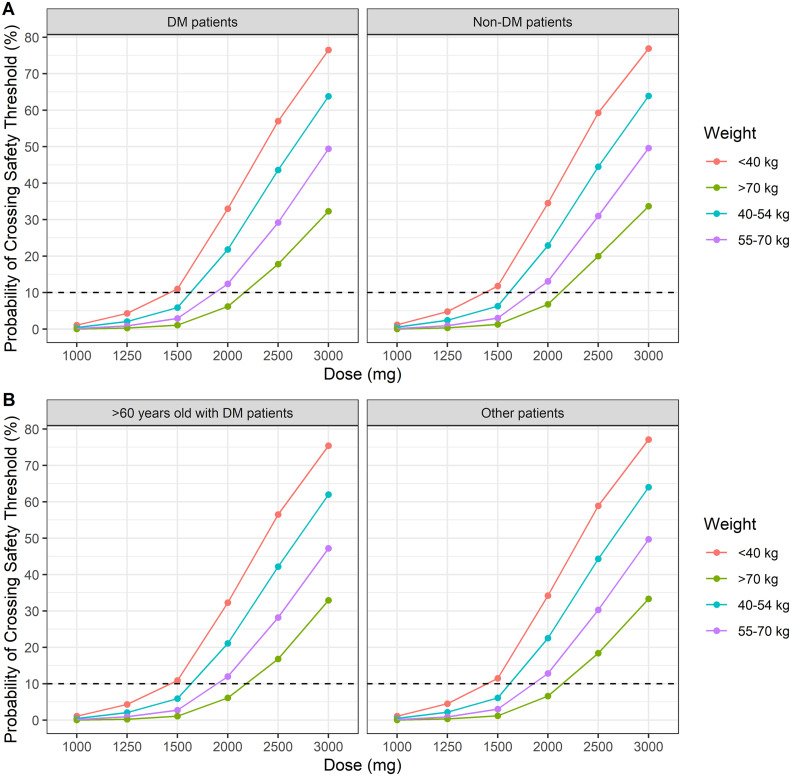 Figure 32
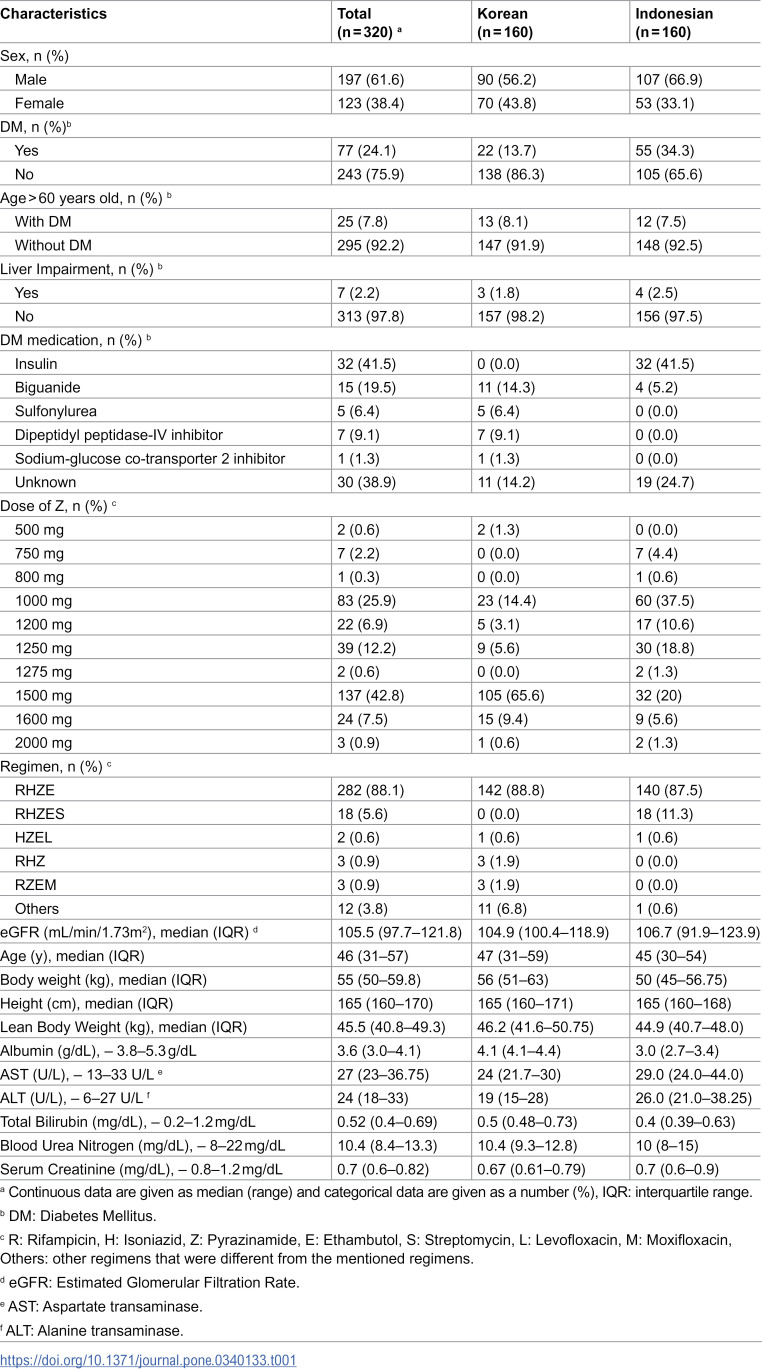 Figure 33
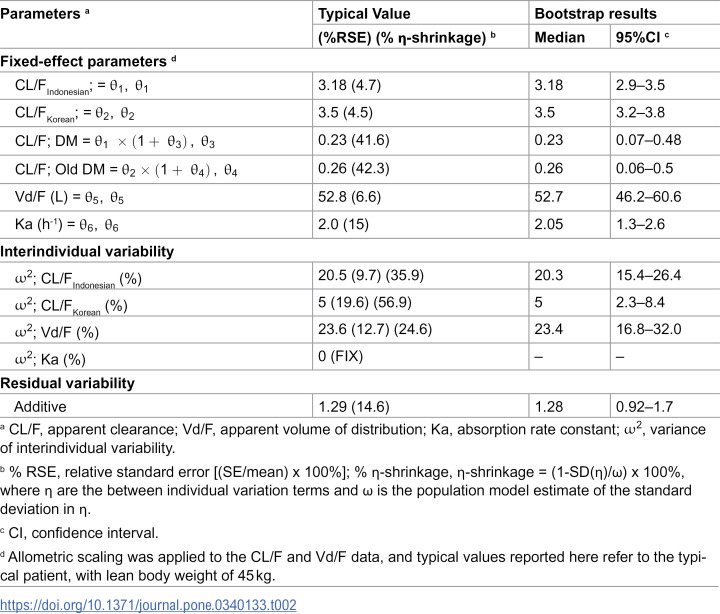 Figure 34
Peer Reviews
No public reviews on file for this paper yet. If you reviewed it on a platform where reviews are public (OpenReview, ICLR, NeurIPS, ICML), you can paste yours below so the community can read it here.
Videos
No videos yet. Explain this paper in a talk, walkthrough, or lecture? Add one.
Taxonomy
TopicsTuberculosis Research and Epidemiology · Diagnosis and treatment of tuberculosis · Pharmacovigilance and Adverse Drug Reactions