The neuromuscular system of Chironomus vitellinus (Diptera: Chironomidae)
Roberto Reyes-Maldonado, Alonso Ramírez, Bruno Marie

TL;DR
This paper describes the neuromuscular system of Chironomus vitellinus to support its use as a model for studying environmental toxicity.
Contribution
The study provides a detailed anatomical description of the neuromuscular system in C. vitellinus, including a standardized nomenclature for muscles and nerves.
Findings
The central nervous system structure of C. vitellinus is consistent with other Chironomus larvae.
The first abdominal segment contains 31 hemi-segmental muscles with a defined nomenclature and innervation pattern.
Four types of neuromuscular junctions (NMJs) were identified, showing variability in size and shape.
Abstract
Chironomids are important laboratory model organisms used to assess toxicity in freshwater environments. Cell and tissue features are not commonly used as chironomid markers to detect toxicity, but they could be extremely helpful in identifying acute and chronic effects of pollutants. The nervous system is an excellent cellular candidate since it is reactive to toxic substances. However, a detailed description of the chironomid nervous system is required prior to considering it as a candidate for a cellular toxicity marker. The present study describes the central ganglia, nerves, axons, and the neuromuscular system of Chironomus vitellinus (Freeman, 1961) to facilitate its use as a model organism in environmental studies. We find that the structure of the C. vitellinus central nervous system is identical to that observed in other Chironomus larvae. We then focused our study on the first…
Genes, proteins, chemicals, diseases, species, mutations and cell lines named across the full text — each resolved to its canonical identifier and authoritative record.
Click any figure to enlarge with its caption.
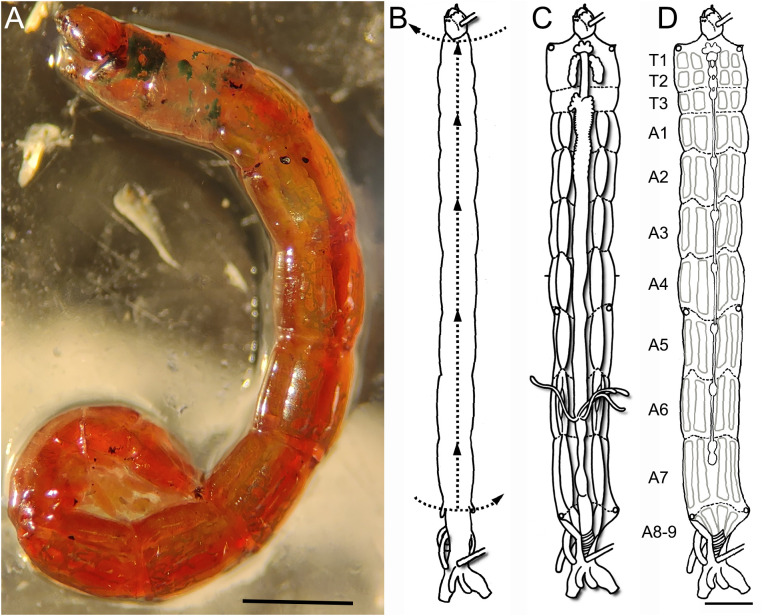 Figure 1
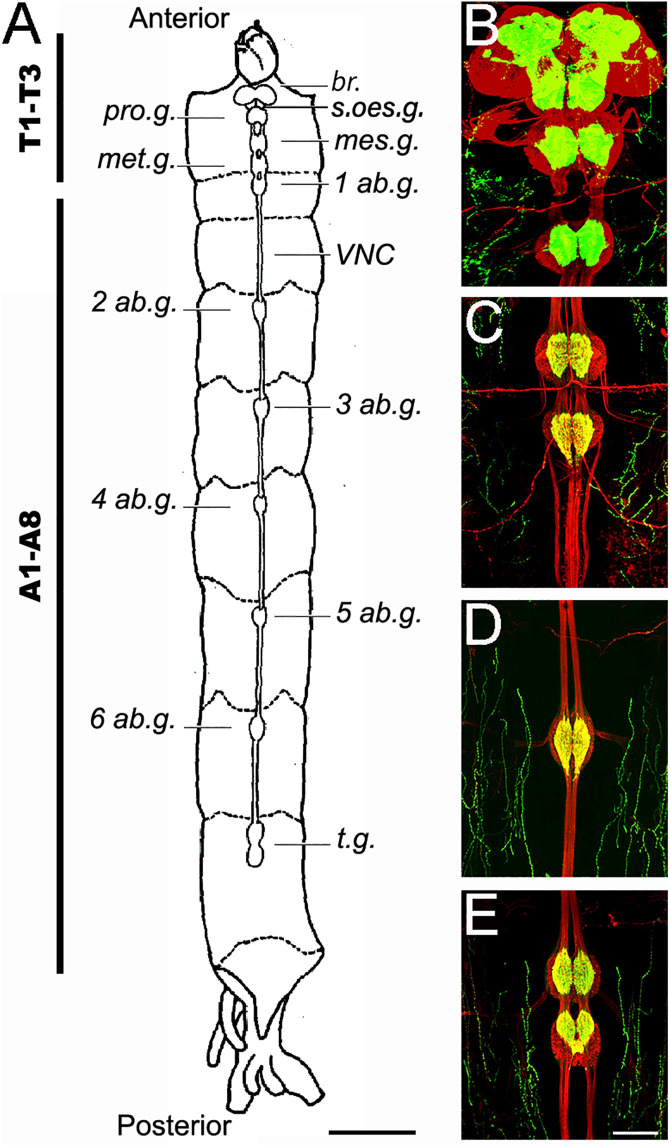 Figure 2
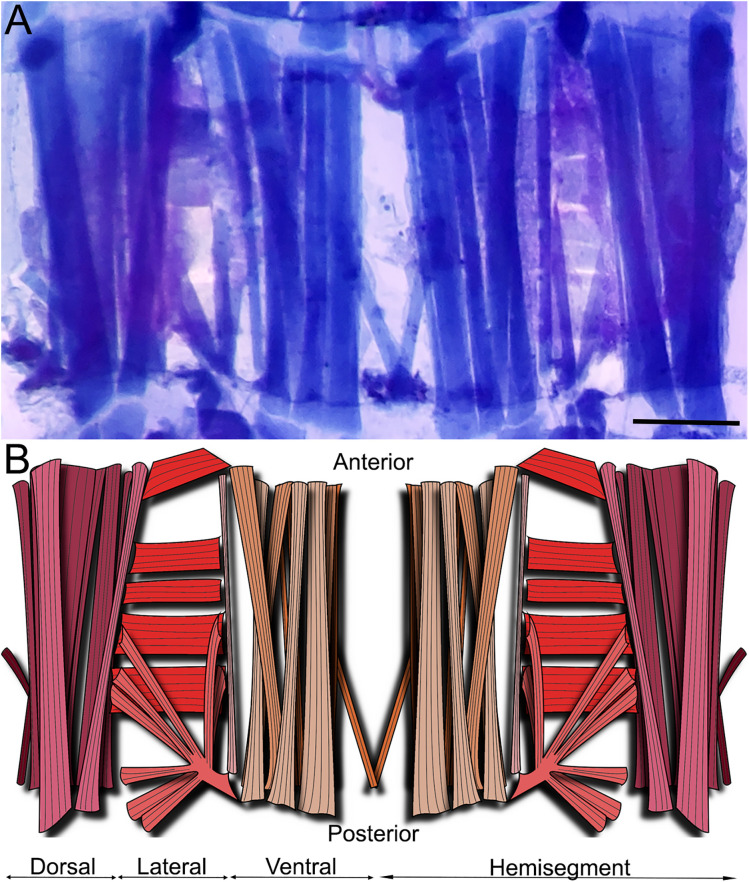 Figure 3
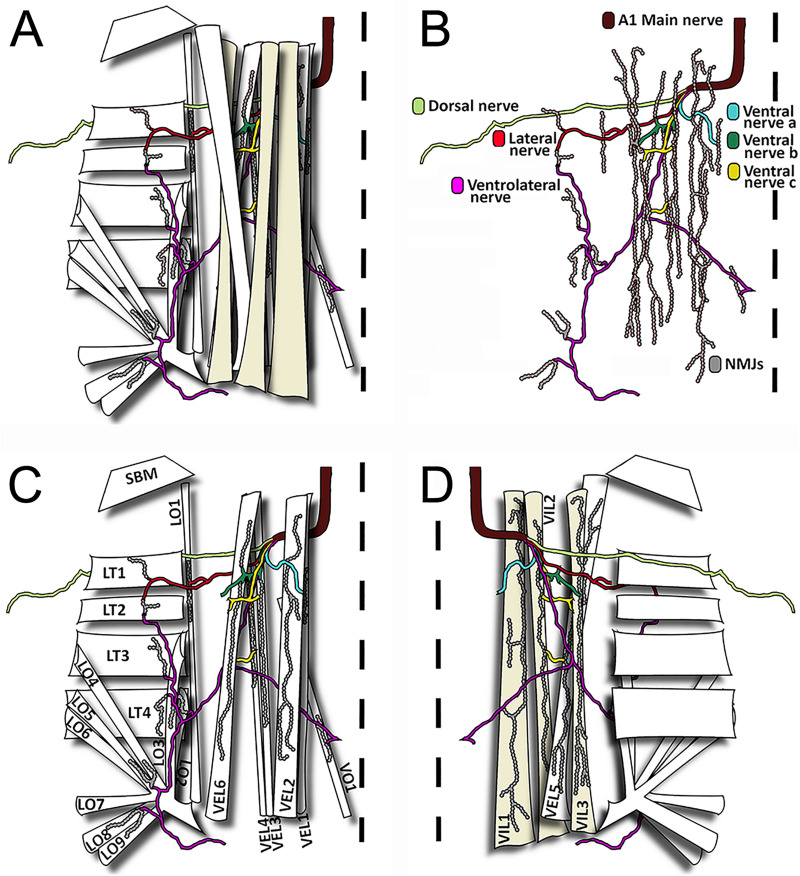 Figure 4
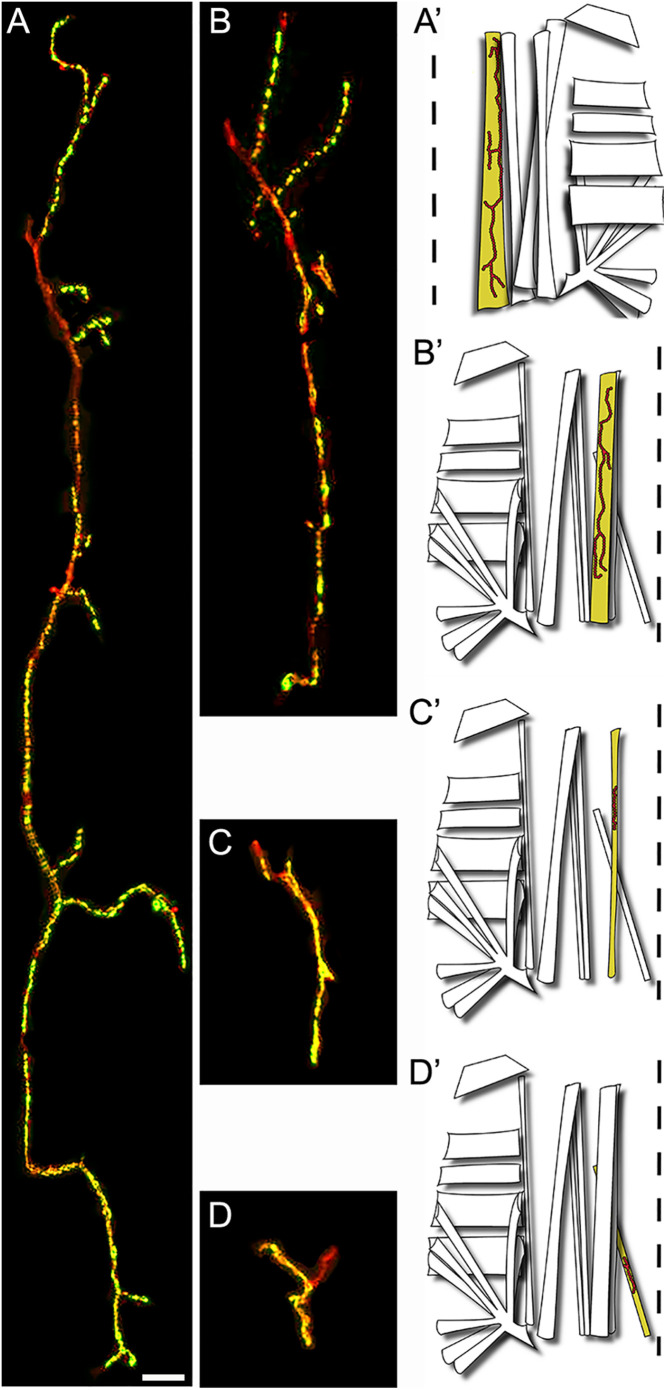 Figure 5
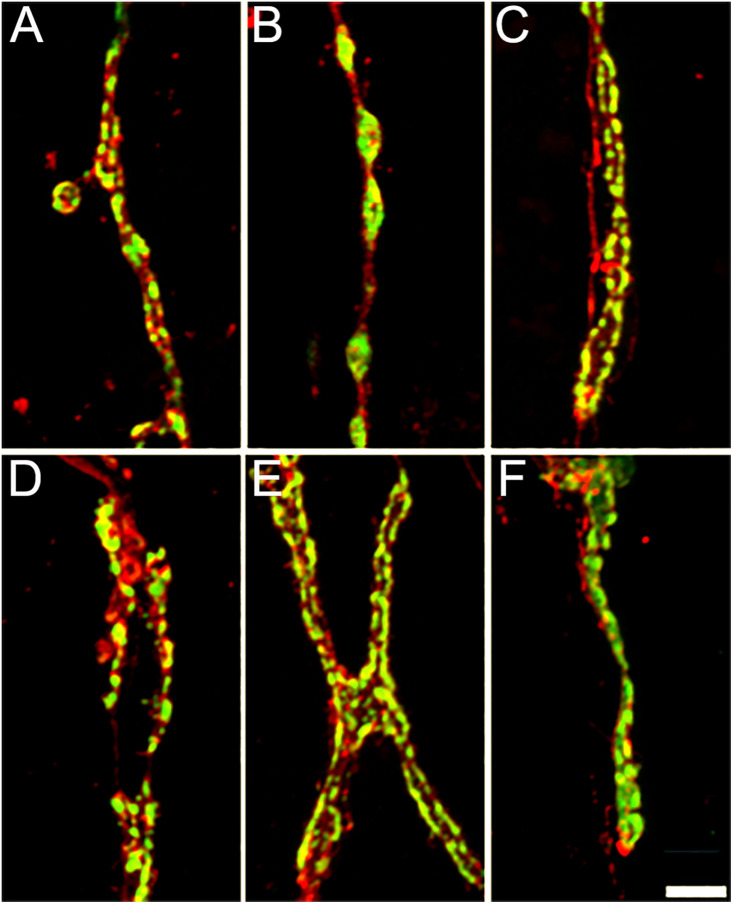 Figure 6
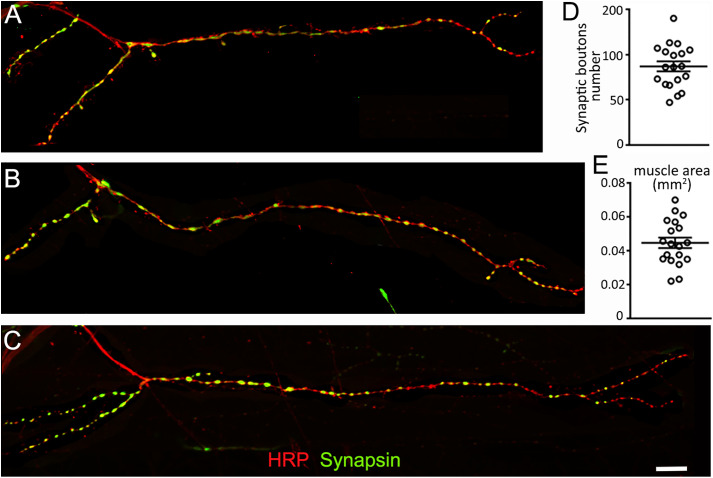 Figure 7
Peer Reviews
No public reviews on file for this paper yet. If you reviewed it on a platform where reviews are public (OpenReview, ICLR, NeurIPS, ICML), you can paste yours below so the community can read it here.
Videos
No videos yet. Explain this paper in a talk, walkthrough, or lecture? Add one.
Taxonomy
TopicsFreshwater macroinvertebrate diversity and ecology · Environmental Toxicology and Ecotoxicology · Planarian Biology and Electrostimulation