Antimalarial Potential of Heme-Targeting Dimeric Compounds: Binding Efficacy vs. Membrane Retention Effects
Victor Matheus Kemmer, Fabricio Santos, Fernanda Alice de Oliveira, Ana Claudia de Sousa Pinto, Amanda Luisa da Fonseca, Letícia Aparecida da Silva, Helen Gonçalves Marques, Fabio Vieira dos Santos, Cleber Paulo Andrada Anconi, Franco Henrique Andrade Leite, David Bacelar Costa

TL;DR
This paper explores dimeric compounds targeting heme in malaria parasites, finding they bind well but have limited antimalarial activity due to poor membrane retention.
Contribution
The study introduces dimeric 3-alkylpyridine derivatives as heme-targeting compounds and reveals their pharmacokinetic limitations.
Findings
Dimeric compounds show strong heme-binding affinity confirmed by UV–vis spectroscopy and computational methods.
Antimalarial activity is limited with IC50 values of 46–140 μM due to poor intracellular availability.
Compounds penetrate lipid bilayers but remain trapped, highlighting the role of physicochemical properties in drug efficacy.
Abstract
Malaria, caused by Plasmodium parasites, remains a major global health burden with high morbidity and mortality rates. Despite the availability of treatments, the therapeutic arsenal is limited, and drug resistance poses a significant challenge. Thus, discovering new antimalarial compounds is critical, and understanding their mechanisms of action is key. One well-studied target is the heme group, which plays a central role in the degradation of the parasite’s hemoglobin and infection success. This study describes the dimerization of 3-alkylpyridine derivatives, a class of compounds known to interact with heme, with the aim of enhancing their antimalarial activity. The dimers were analyzed for heme-binding affinity via UV–vis spectroscopy (K d determination) and further investigated through semiempirical GFN2-xTB and with the B97–3c functional with double (def2-SVP) and triple…
Genes, proteins, chemicals, diseases, species, mutations and cell lines named across the full text — each resolved to its canonical identifier and authoritative record.
Click any figure to enlarge with its caption.
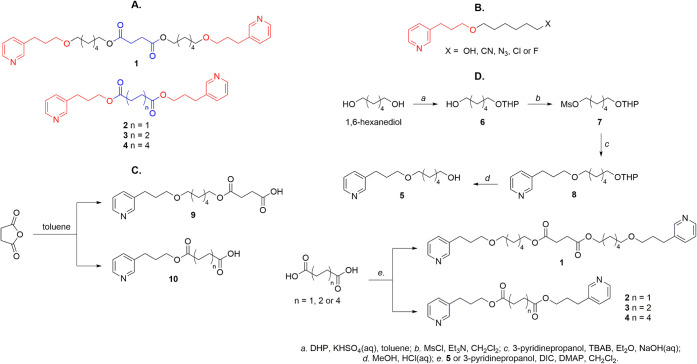 Figure 1
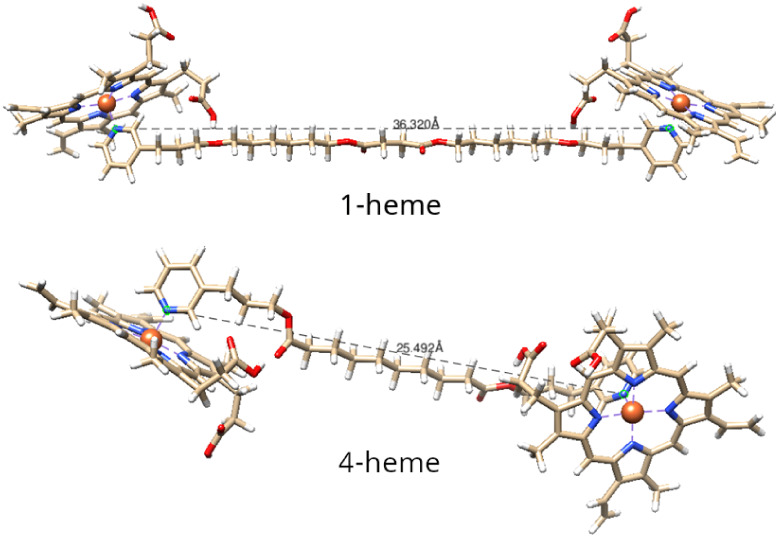 Figure 2
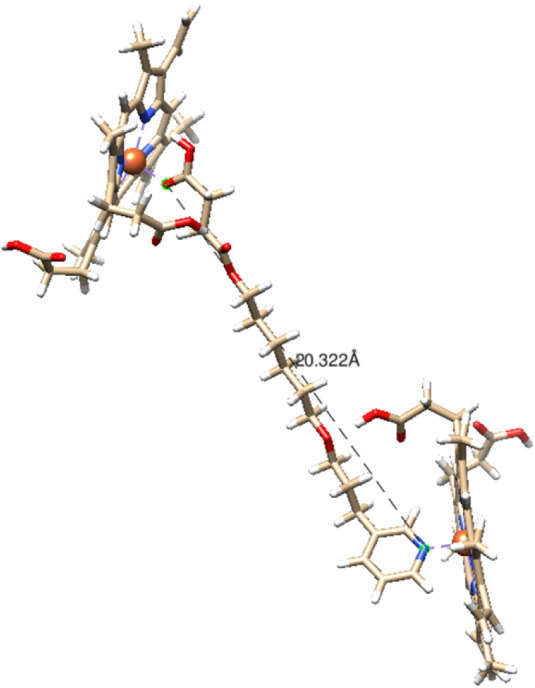 Figure 3
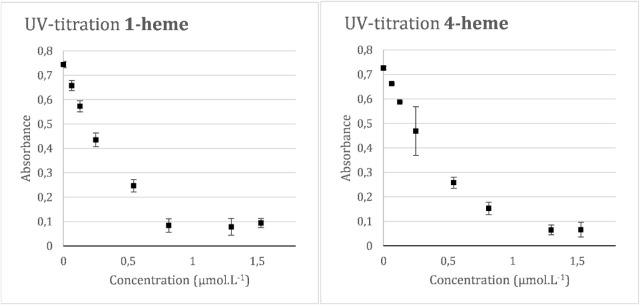 Figure 4
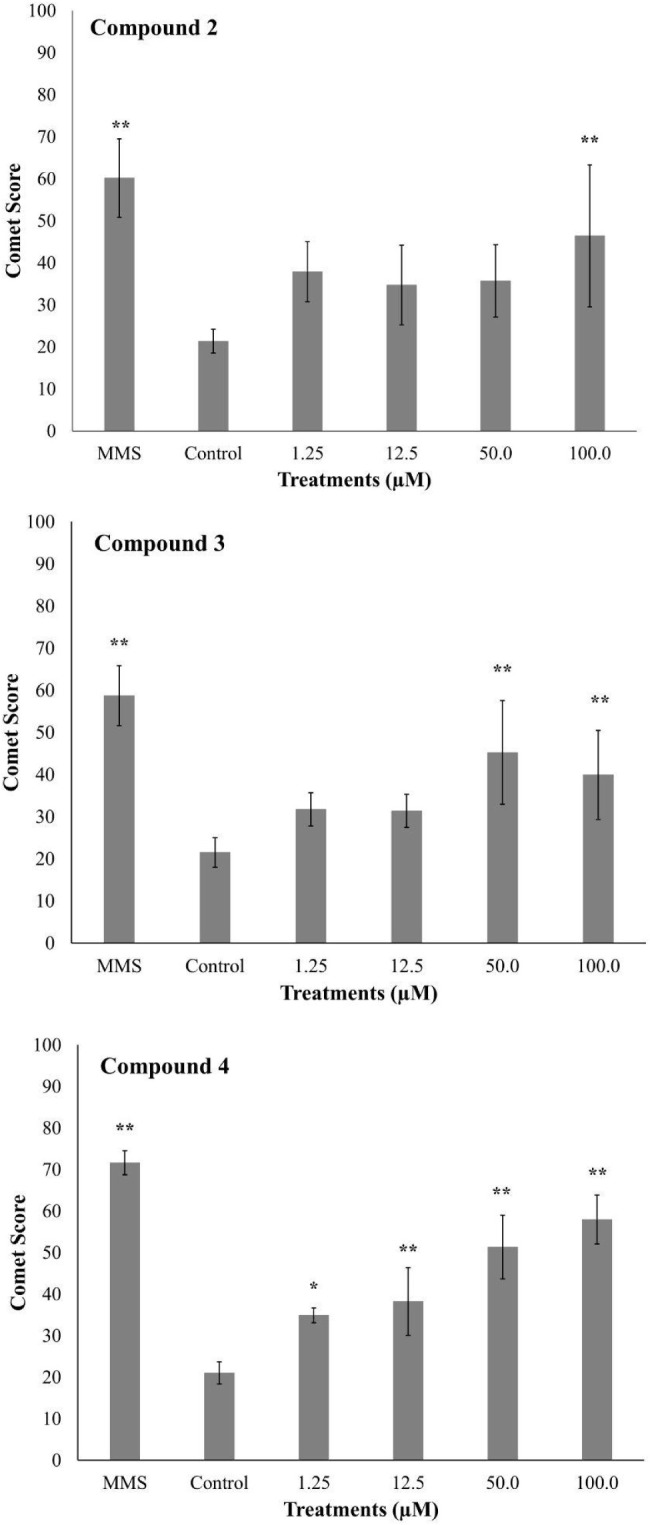 Figure 5
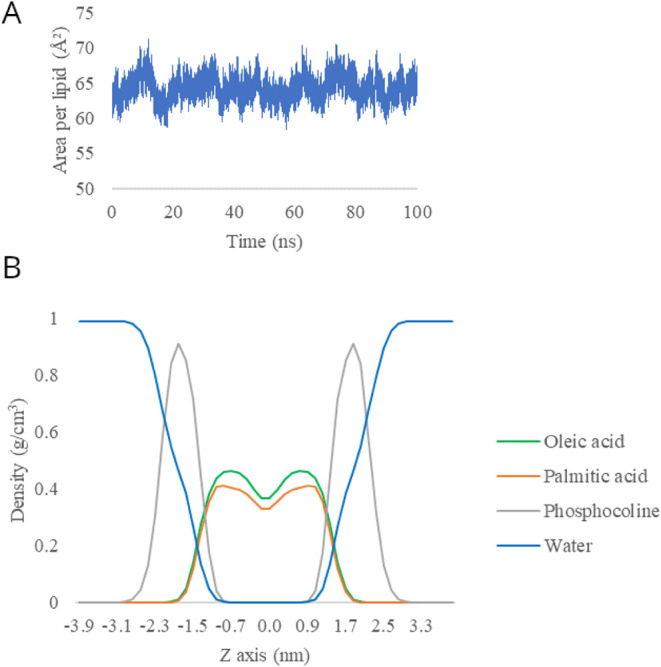 Figure 6
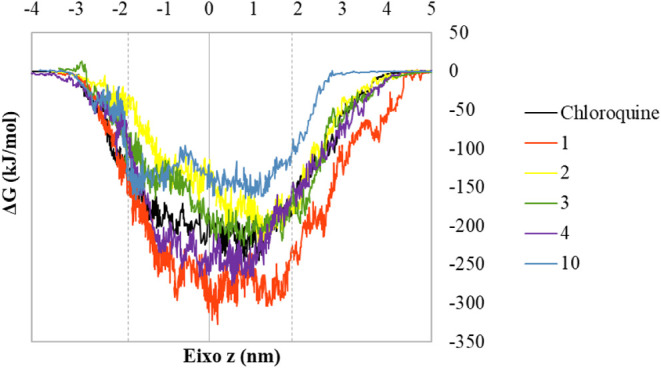 Figure 7
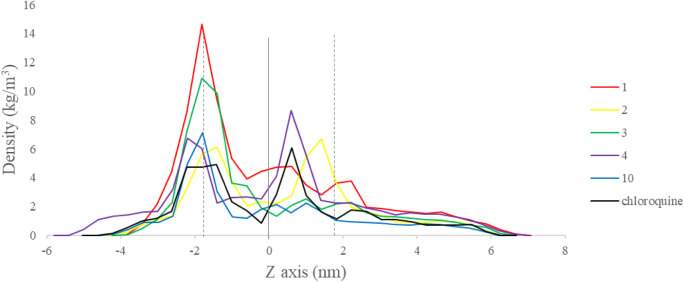 Figure 8
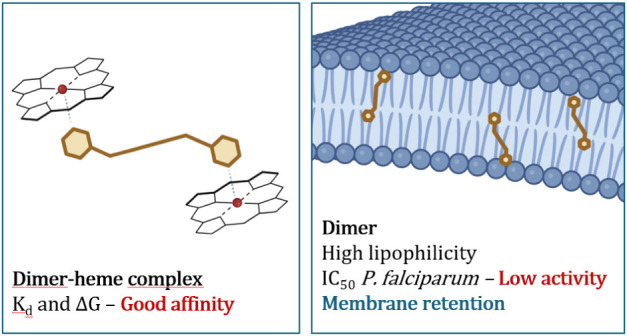 Figure 9
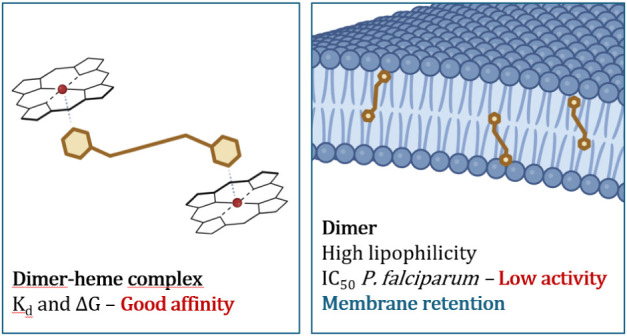 Figure 10
 Figure 11
 Figure 12
 Figure 13
 Figure 14
 Figure 15
 Figure 16
 Figure 17
 Figure 18
 Figure 19
Peer Reviews
No public reviews on file for this paper yet. If you reviewed it on a platform where reviews are public (OpenReview, ICLR, NeurIPS, ICML), you can paste yours below so the community can read it here.
Videos
No videos yet. Explain this paper in a talk, walkthrough, or lecture? Add one.
Taxonomy
TopicsMalaria Research and Control · Research on Leishmaniasis Studies · Iron Metabolism and Disorders