Identifying Potential Drug Targets for Membranous Nephropathy Through an Analysis of Mendelian Randomization
Yasin Abdi Saed, Ahmed Ibrahim Mohamed, Mohamed Mohamoud Adan, Muhammad Attique, Noor Sarfraz

TL;DR
This study identifies potential new drug targets for membranous nephropathy by analyzing genetic data and suggests curcumin as a possible treatment.
Contribution
The study introduces a novel approach combining Mendelian randomization and drug repurposing to identify potential therapies for membranous nephropathy.
Findings
16 circulating plasma proteins were positively correlated with membranous nephropathy, while 14 were negatively correlated.
The identified proteins are primarily involved in oxidative stress and inflammation pathways.
Curcumin is proposed as a potential therapeutic molecule for membranous nephropathy.
Abstract
Membranous nephropathy (MN) is the most common cause of adult nephrotic syndrome. Current treatments rely heavily on immunosuppressants; however, some patients do not achieve the desired therapeutic effect. Therefore, the identification of new drug targets and the development of novel medications are of urgent importance. In this study, we collected protein quantitative trait loci (pQTLs) for 734 circulating plasma proteins (CPPs) from previous research. Using principles of Mendelian genetics, we conducted a Mendelian randomization (MR) analysis using three inferential methods: the Wald ratio, inverse-variance weighted (IVW), and MR-Egger. After assessing heterogeneity, we identified 16 CPPs that were positively correlated with the occurrence of MN and 14 CPPs that were negatively correlated with MN. Enrichment analysis showed that these CPPs are primarily involved in oxidative stress…
Genes, proteins, chemicals, diseases, species, mutations and cell lines named across the full text — each resolved to its canonical identifier and authoritative record.
Click any figure to enlarge with its caption.
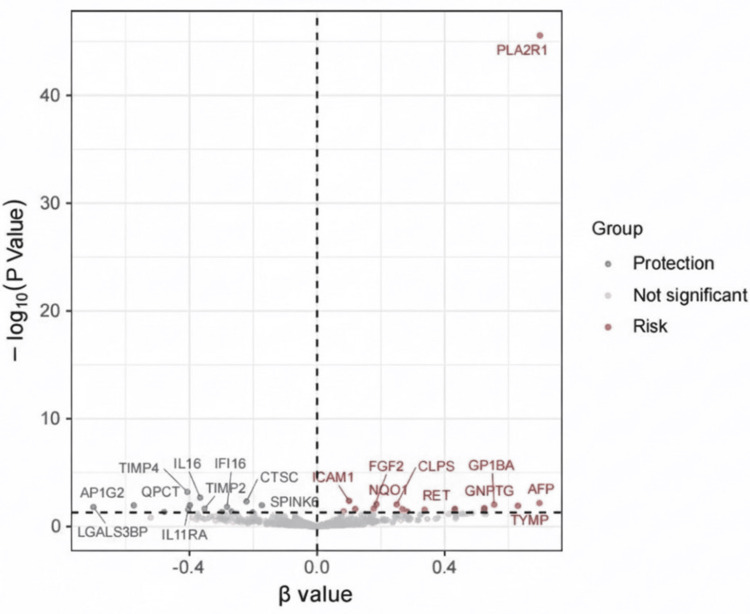 Figure 1
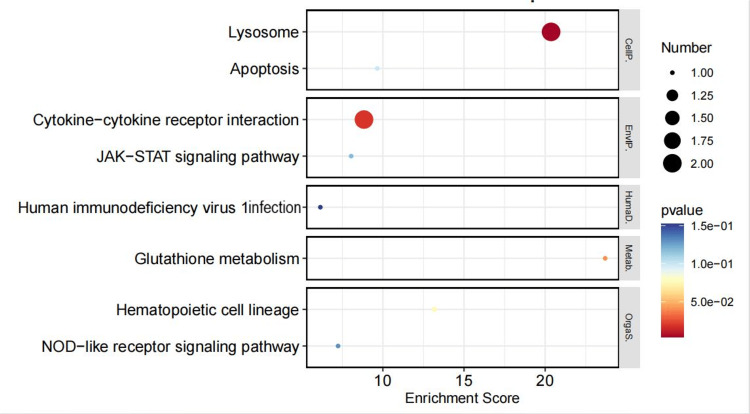 Figure 2
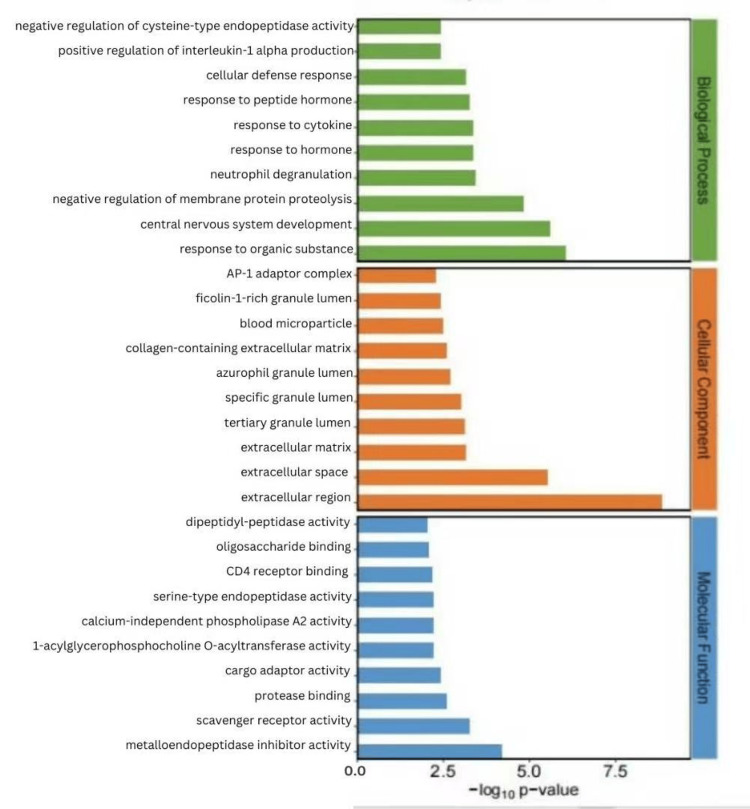 Figure 3
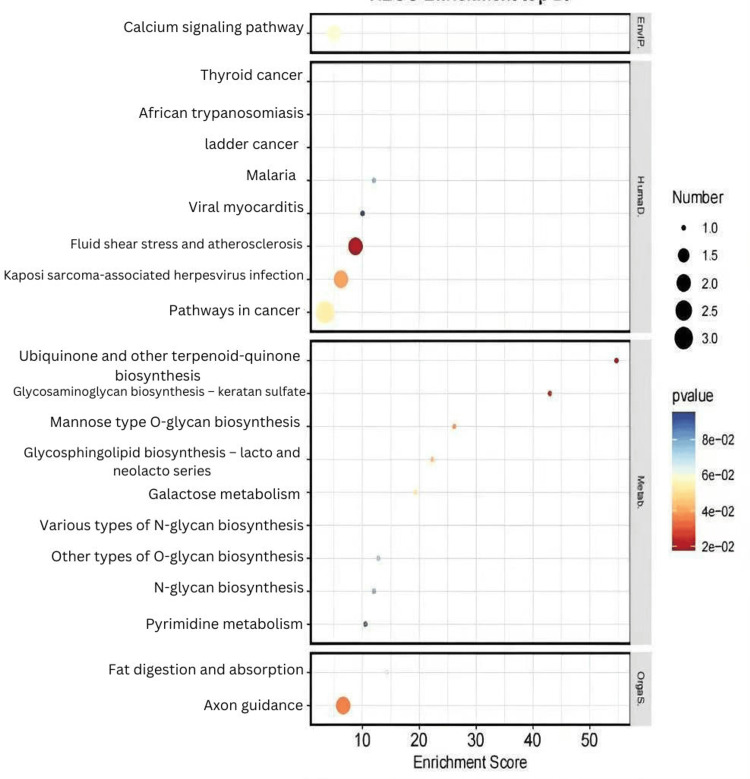 Figure 4
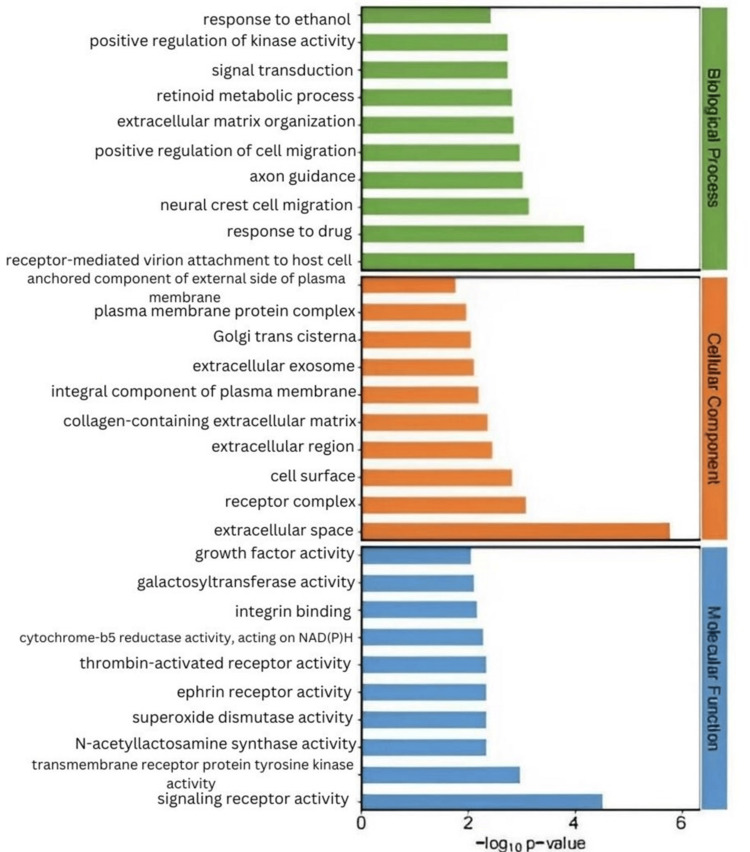 Figure 5
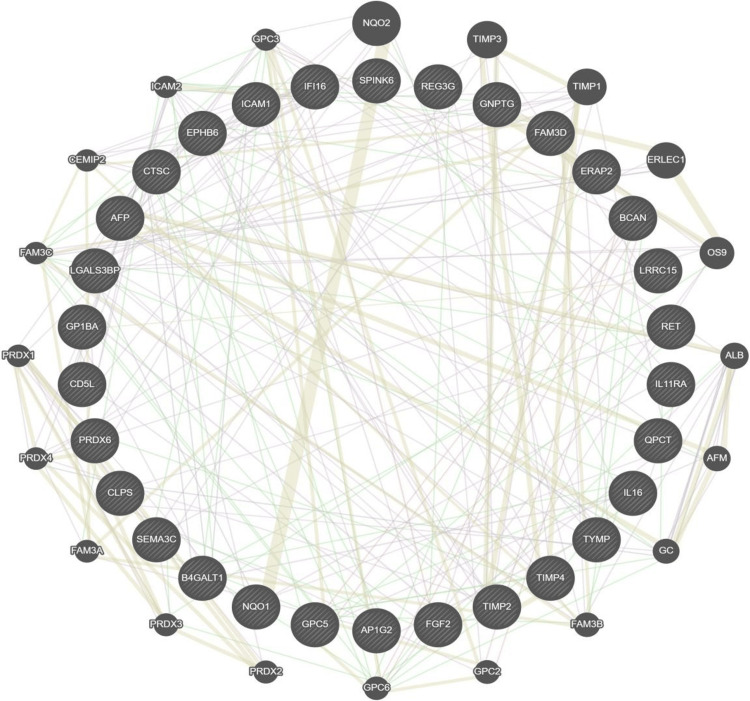 Figure 6
Peer Reviews
No public reviews on file for this paper yet. If you reviewed it on a platform where reviews are public (OpenReview, ICLR, NeurIPS, ICML), you can paste yours below so the community can read it here.
Videos
No videos yet. Explain this paper in a talk, walkthrough, or lecture? Add one.
Taxonomy
TopicsRenal Diseases and Glomerulopathies · Genetic Associations and Epidemiology · Chronic Kidney Disease and Diabetes