Epipharyngeal Abrasive Therapy (EAT) Improved Premature Ventricular Contractions (PVCs) and Brain Fog Associated With Long COVID: A Case Report
Ito Hirobumi

TL;DR
A 50-year-old man with Long COVID symptoms saw improvement in heart irregularities and brain fog after using a non-drug therapy called Epipharyngeal Abrasive Therapy (EAT).
Contribution
This case report introduces EAT as a potential non-pharmacological treatment for autonomic symptoms in Long COVID.
Findings
EAT led to a marked reduction in PVC burden as shown by Holter electrocardiography.
Improvement in brain fog and work motivation occurred later after EAT initiation.
EAT may have time-dependent effects on peripheral and central autonomic regulation in Long COVID.
Abstract
A 50-year-old man with premature ventricular contractions (PVCs) detected before coronavirus disease 2019 (COVID-19) infection developed persistent fatigue and brain fog following COVID-19, which caused difficulty in continuing his work. Epipharyngeal abrasive therapy (EAT) was started without pharmacological treatment. Serial Holter electrocardiography demonstrated a marked reduction in PVC burden after continued EAT. In contrast, improvement in brain fog and recovery of work motivation occurred at a later stage, eventually allowing him to return to work. PVCs are considered an autonomic-sensitive peripheral manifestation, whereas brain fog likely represents dysfunction of central autonomic networks. The temporal dissociation observed between early improvement in PVCs and delayed cognitive recovery indicates that EAT may exert time-dependent effects on peripheral and central autonomic…
Genes, proteins, chemicals, diseases, species, mutations and cell lines named across the full text — each resolved to its canonical identifier and authoritative record.
Click any figure to enlarge with its caption.
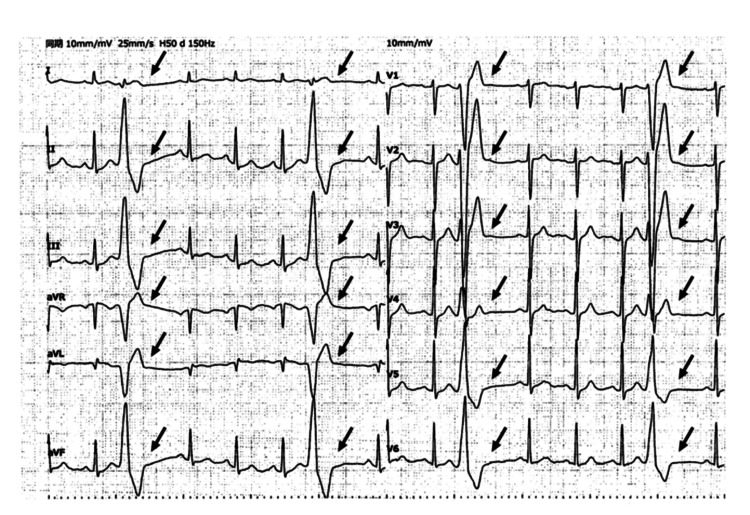 Figure 1
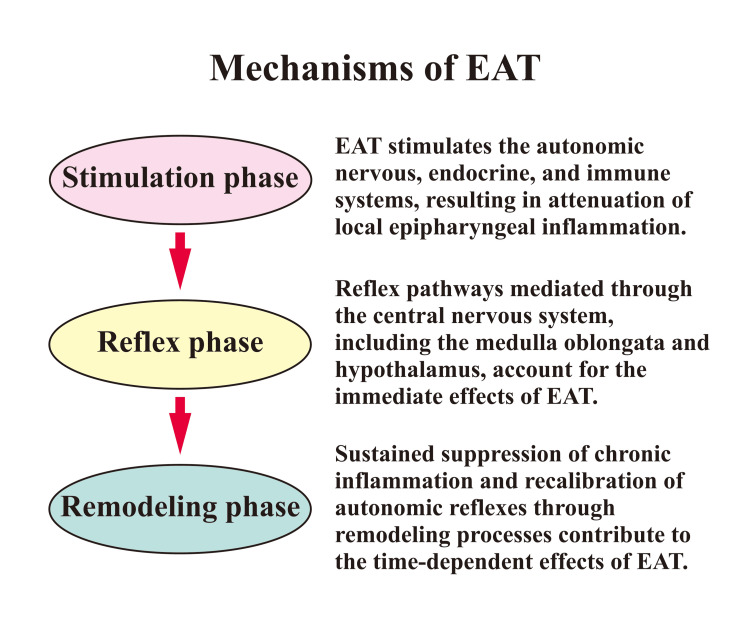 Figure 2
Peer Reviews
No public reviews on file for this paper yet. If you reviewed it on a platform where reviews are public (OpenReview, ICLR, NeurIPS, ICML), you can paste yours below so the community can read it here.
Videos
No videos yet. Explain this paper in a talk, walkthrough, or lecture? Add one.
Taxonomy
TopicsLong-Term Effects of COVID-19 · Dermatological and COVID-19 studies · Respiratory and Cough-Related Research