Early tolerance mechanisms in citrus: transcriptome and hormone profiling of NPR1-mediated responses to Candidatus Liberibacter asiaticus
Poulami Sarkar, Chunxia Wang, Amit Levy

TL;DR
This study explores how overexpressing a gene called NPR1 in citrus plants helps them tolerate a devastating disease called Huanglongbing, by analyzing early changes in gene activity and hormone levels.
Contribution
The study identifies early molecular and hormonal mechanisms by which NPR1 overexpression enhances citrus tolerance to Candidatus Liberibacter asiaticus.
Findings
AtNPR1 plants showed stronger and earlier transcriptional changes after infection compared to wild-type plants.
AtNPR1 plants exhibited controlled phloem callose regulation and reduced oxidative stress responses.
AtNPR1 plants maintained stable salicylic acid and gibberellin levels while avoiding abscisic acid induction.
Abstract
Huanglongbing (HLB), caused by Candidatus Liberibacter asiaticus (CLas), is the most destructive citrus disease worldwide, severely reducing yield and fruit quality. Although no naturally resistant cultivars are available, citrus plants overexpressing Arabidopsis NPR1 (AtNPR1) display enhanced tolerance, yet the molecular mechanisms underlying this phenotype remain insufficiently understood. To uncover early transcriptional events associated with tolerance, we performed comparative RNA-seq and phytohormone profiling of susceptible wild-type (WT) and tolerant AtNPR1-overexpressing (AtNPR1-OE) Duncan grapefruit at 0, 6, and 24 hours post infection (hpi). Before infection, AtNPR1 plants downregulated genes involved in cytoskeleton organization, cell wall biogenesis, and receptor signaling, suggesting a primed basal defense state. After CLas exposure, AtNPR1 plants exhibited stronger and…
Genes, proteins, chemicals, diseases, species, mutations and cell lines named across the full text — each resolved to its canonical identifier and authoritative record.
Click any figure to enlarge with its caption.
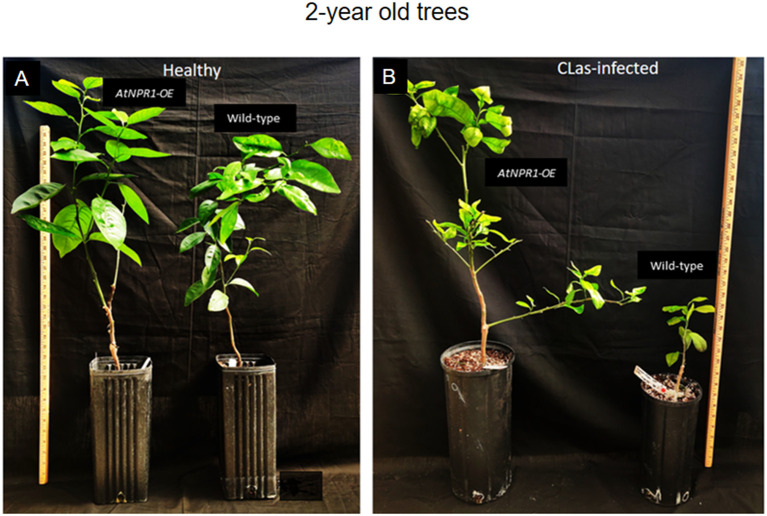 Figure 1
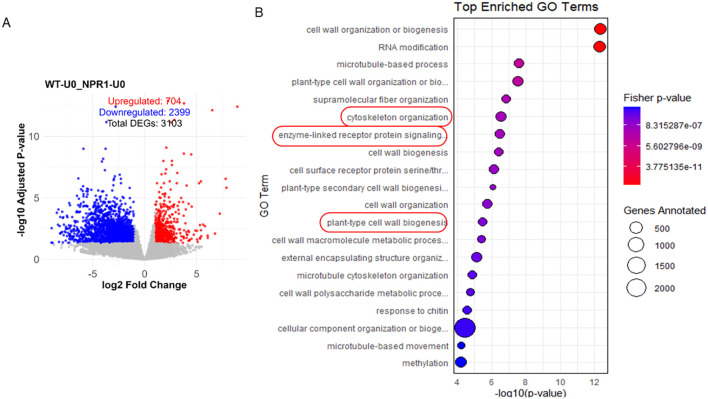 Figure 2
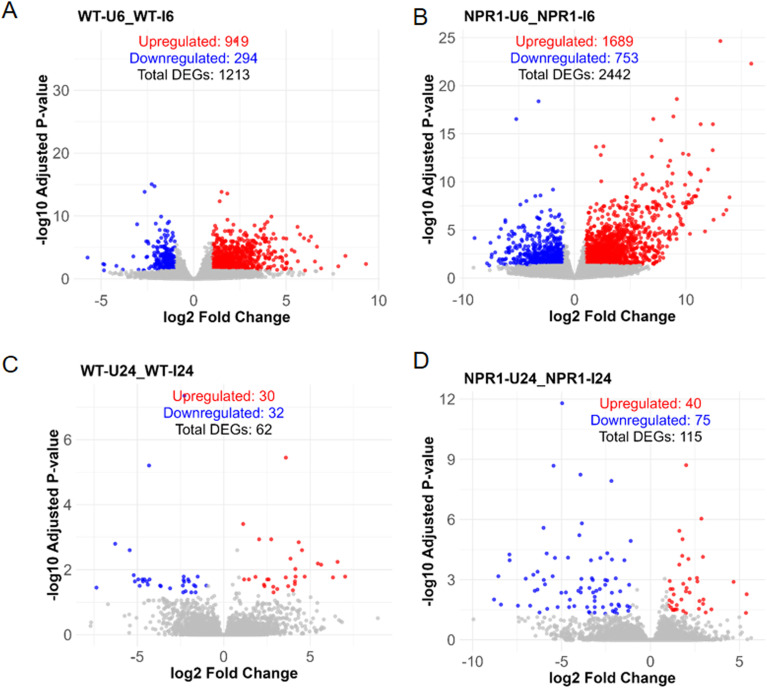 Figure 3
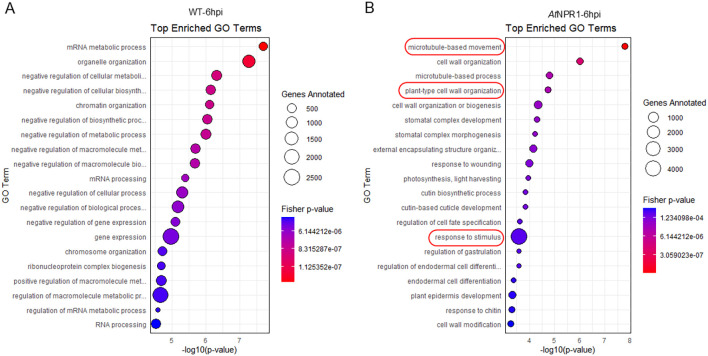 Figure 4
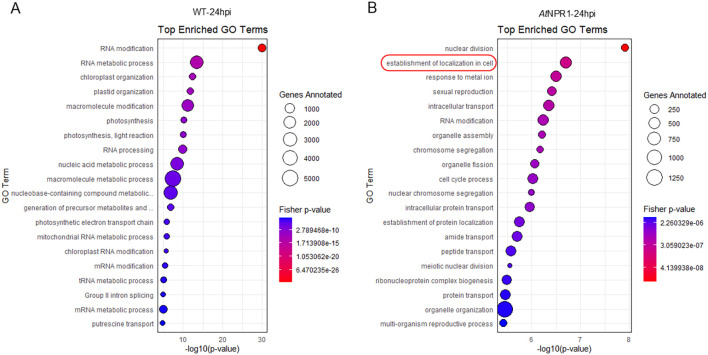 Figure 5
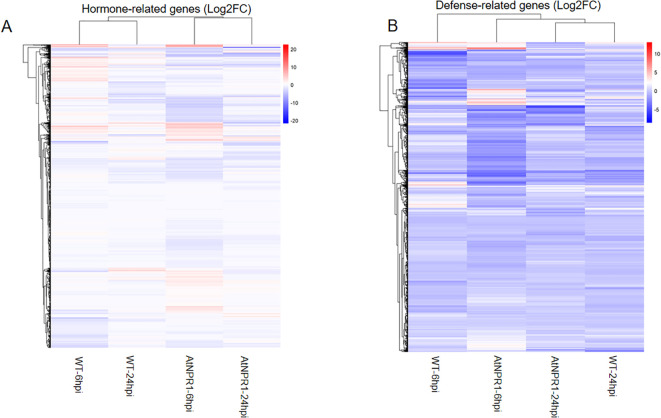 Figure 6
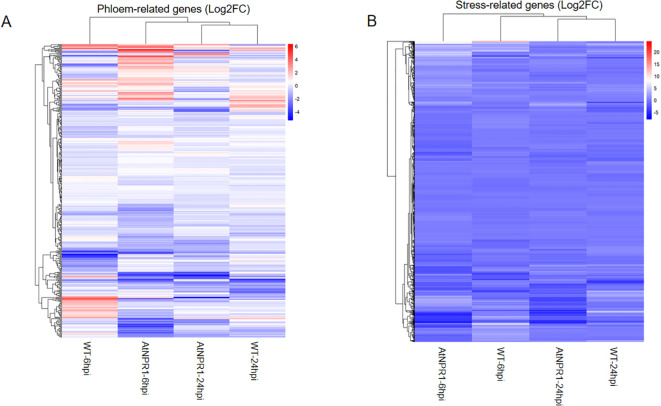 Figure 7
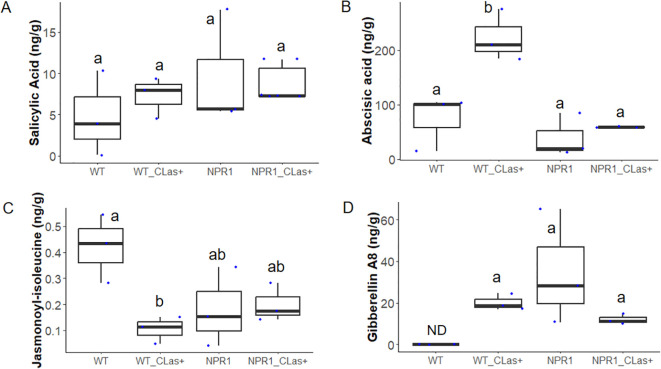 Figure 8
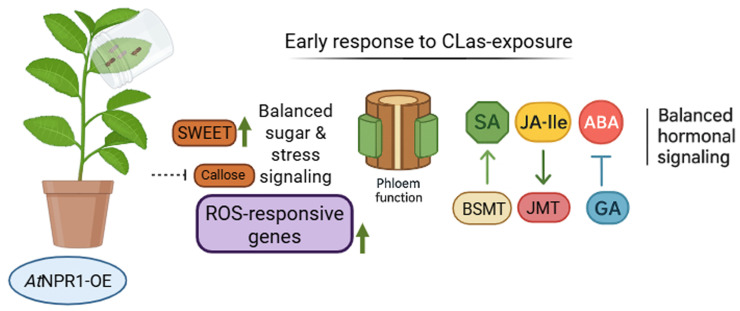 Figure 9
Peer Reviews
No public reviews on file for this paper yet. If you reviewed it on a platform where reviews are public (OpenReview, ICLR, NeurIPS, ICML), you can paste yours below so the community can read it here.
Videos
No videos yet. Explain this paper in a talk, walkthrough, or lecture? Add one.
Taxonomy
TopicsPhytoplasmas and Hemiptera pathogens · Research on scale insects · Pineapple and bromelain studies