Developmental perfluorooctane sulfonate (PFOS) exposure alters gene expression in nucleus accumbens and prefrontal cortex and impairs cognition in rats: A transcriptomic and mediation analysis
Shiwen Li, Hongxu Wang, Ana C. Maretti-Mira, Tomas K. D. Manea, Shaun Y. Kim, Lida Chatzi, Jesse A. Goodrich, Tanya L. Alderete, Nathan Young, Ruth I. Wood, Max T. Aung

TL;DR
Exposure to PFOS during development in rats alters gene activity in brain regions linked to decision-making and causes cognitive issues.
Contribution
Identifies specific genes and pathways in the brain affected by PFOS exposure that mediate cognitive impairments.
Findings
PFOS exposure altered gene expression in the nucleus accumbens, prefrontal cortex, and hippocampus.
DEGs like NAT8F2 and ABCG3 were linked to impaired cognitive flexibility and impulsive decision-making.
Pathways such as ECM-receptor interaction and glutathione metabolism were associated with PFOS effects.
Abstract
Growing evidence suggests that developmental exposure to perfluorooctanesulfonic acid (PFOS) is linked to neurobehavioral outcomes. Pregnant female rats were exposed to PFOS (15 mg/L) or Tween vehicle through drinking water until the offspring were weaned at three weeks of age. As adults, cognitive flexibility and impulsive decision-making were assessed in 8 PFOS-exposed and 8 vehicle-exposed rats using extradimensional set-shifting and delay discounting tasks, respectively. Cognitive flexibility was measured by the number of trials required to reach the criterion, while impulsive decision-making was quantified as the area under the curve (AUC) of the percent preference for the large reward lever (% CHL), response omissions (% omit), and response latency (in second) at delays of 0, 15, 30, and 45 s. Brain tissues from the nucleus accumbens, prefrontal cortex, and hippocampus were…
Genes, proteins, chemicals, diseases, species, mutations and cell lines named across the full text — each resolved to its canonical identifier and authoritative record.
Click any figure to enlarge with its caption.
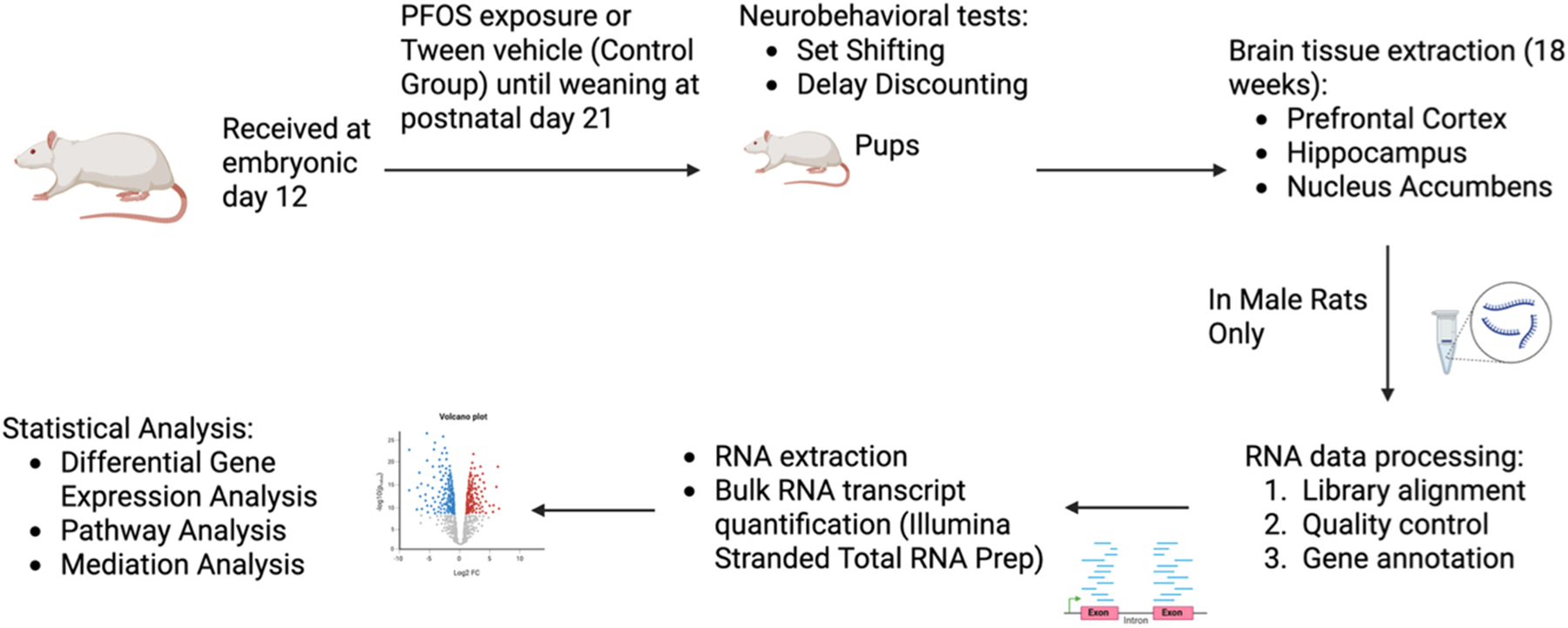 Figure 1
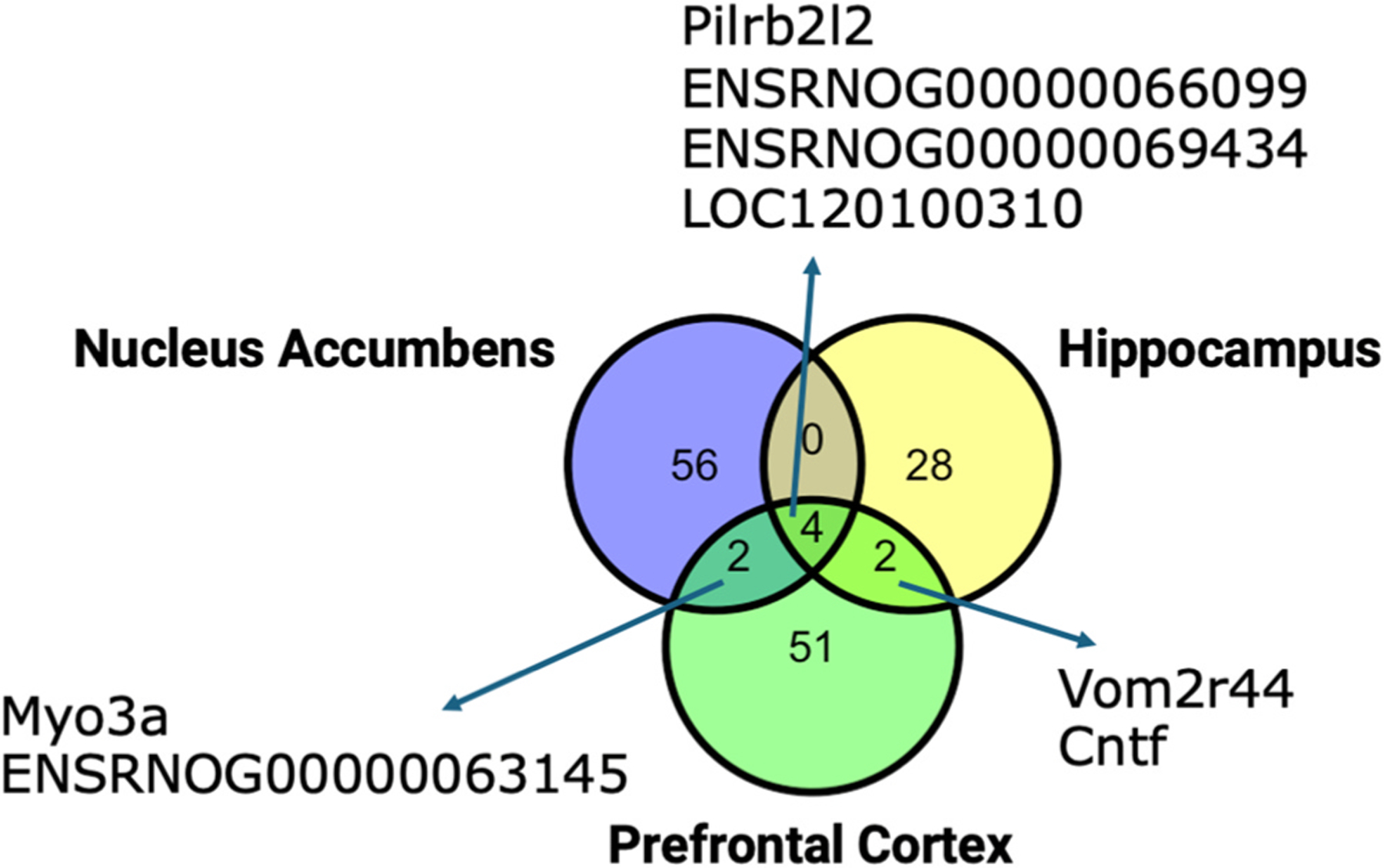 Figure 2
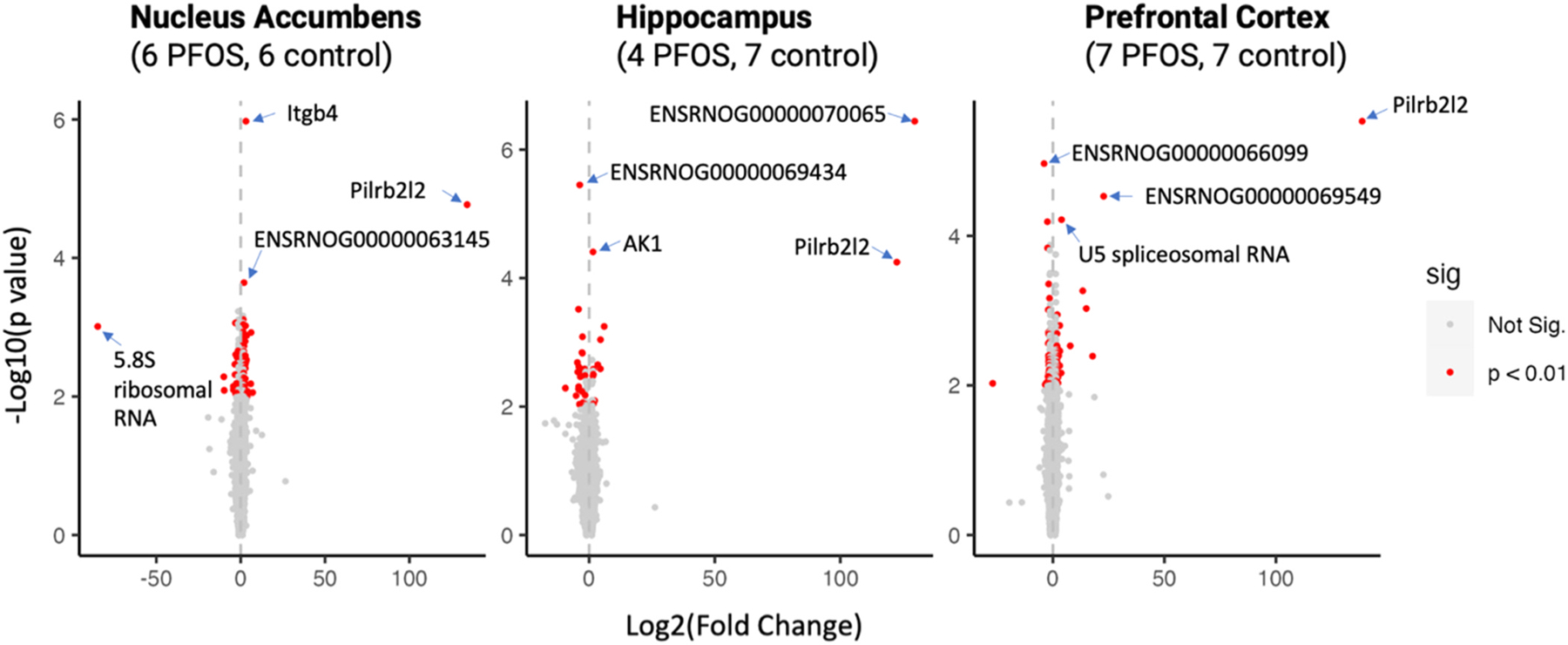 Figure 3
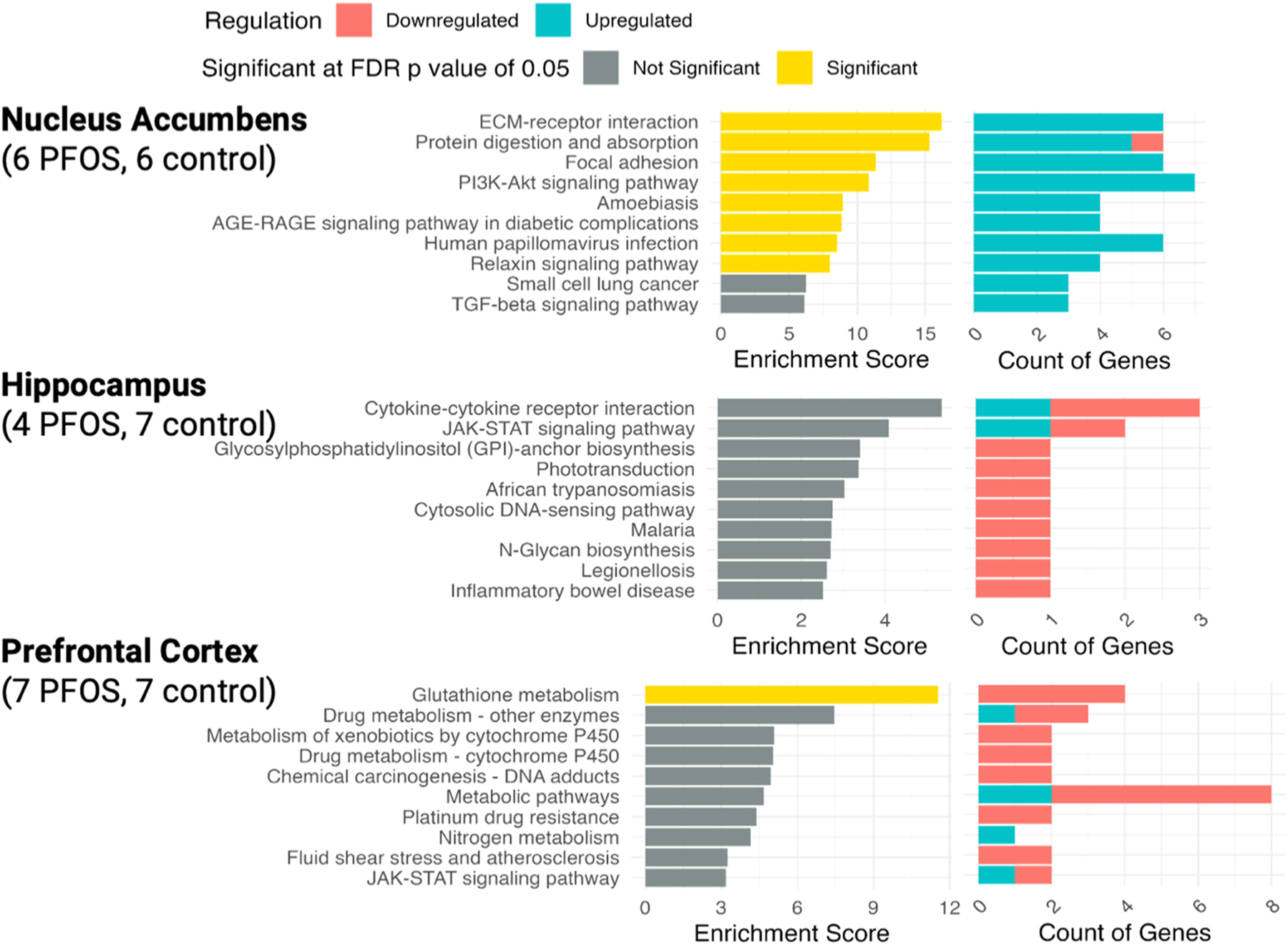 Figure 4
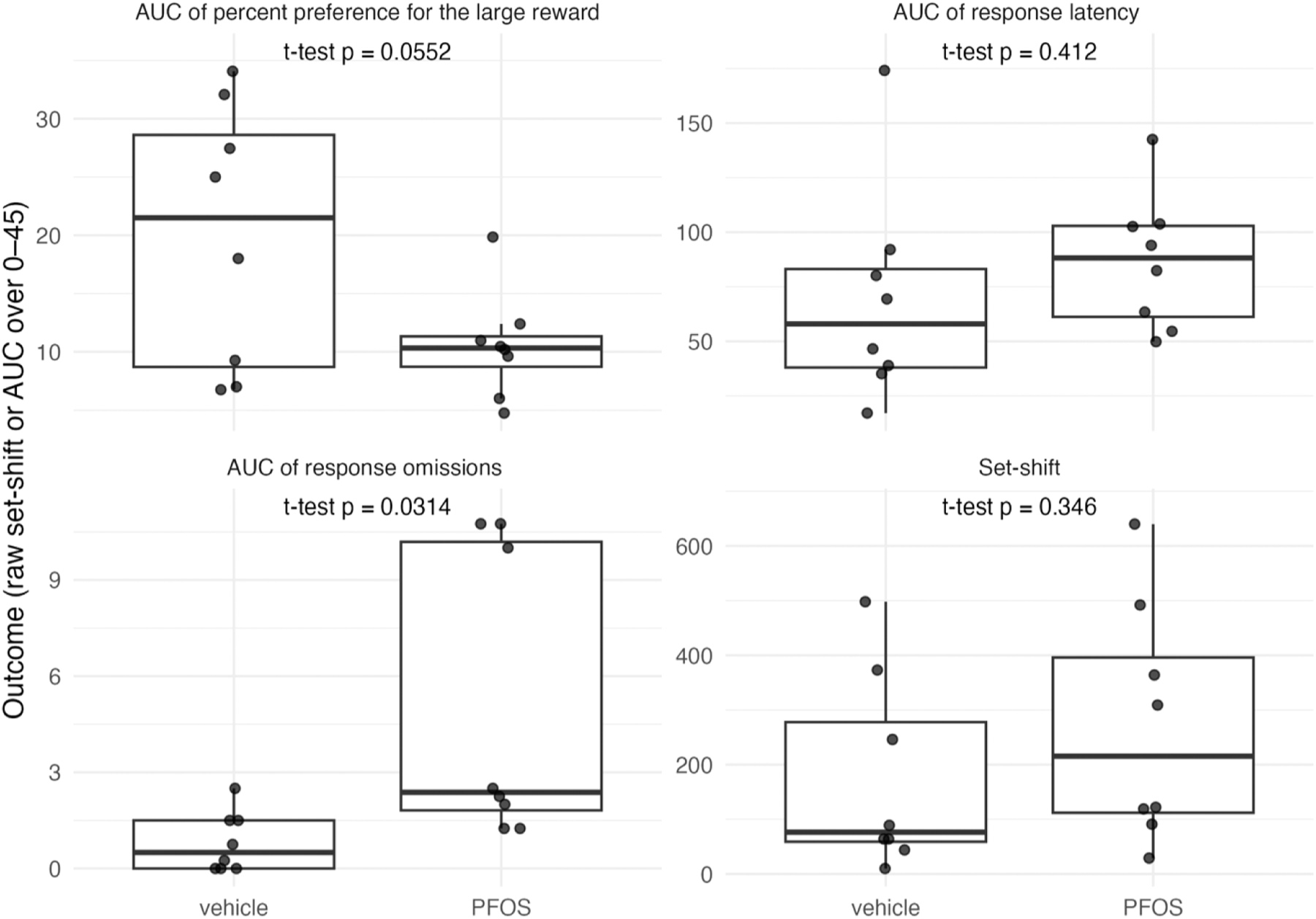 Figure 5
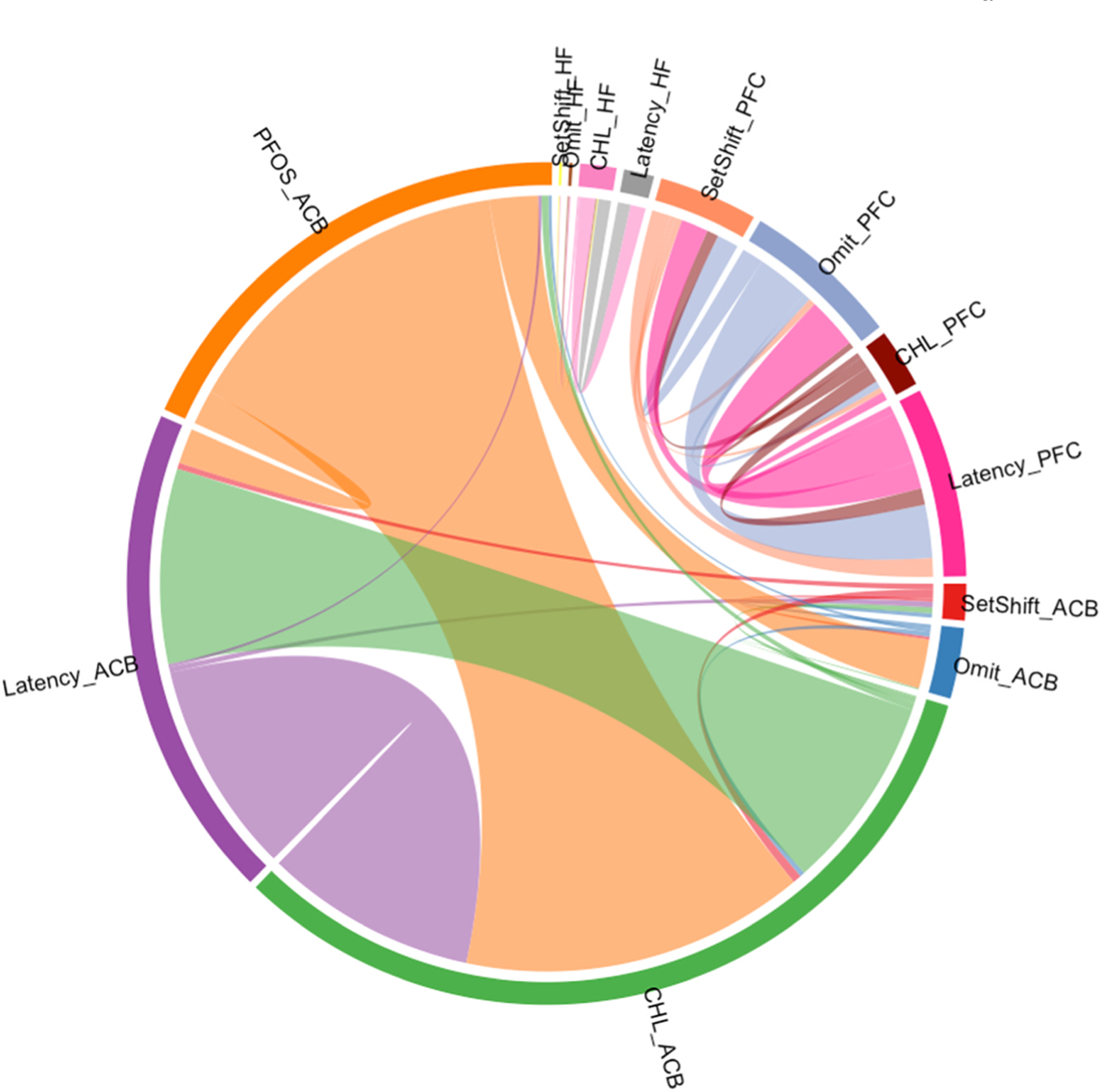 Figure 6
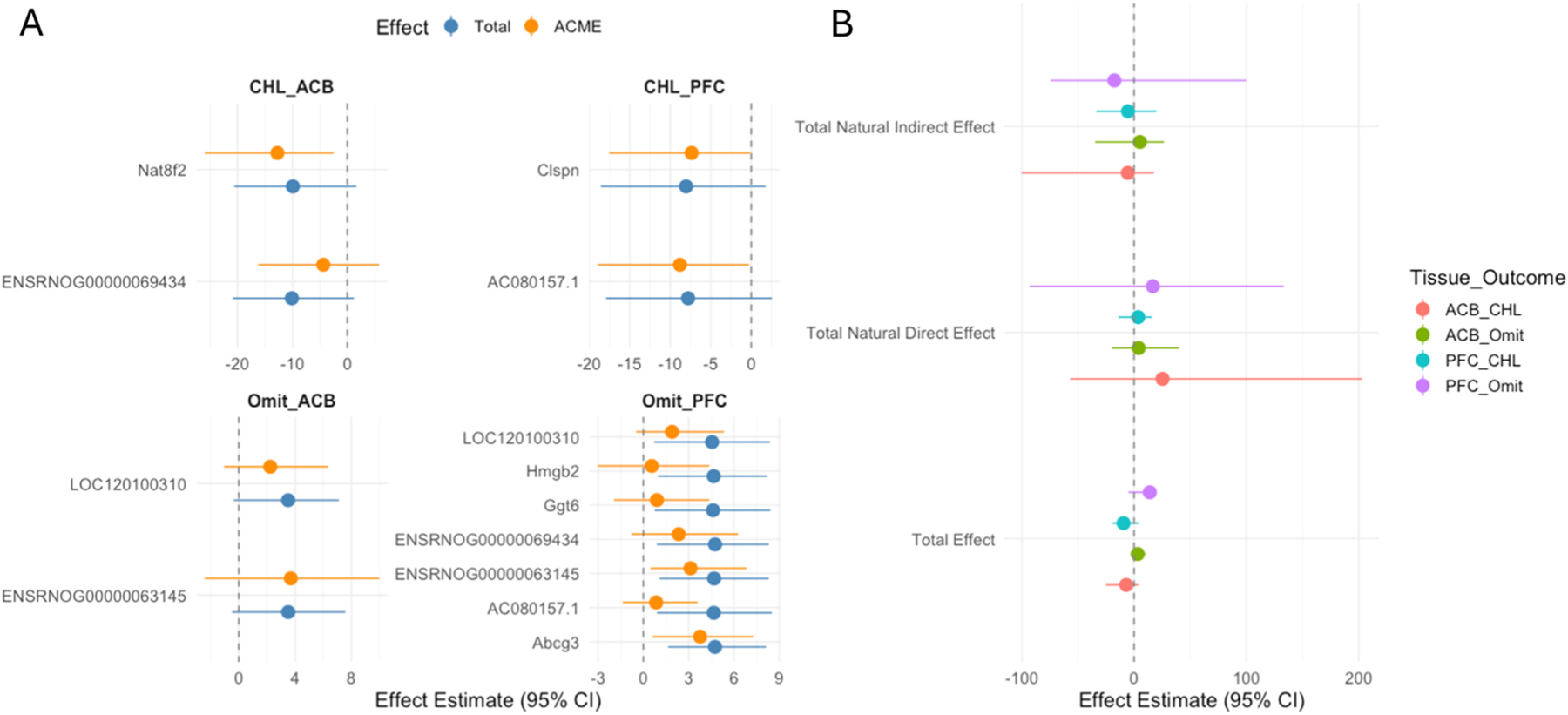 Figure 7
Peer Reviews
No public reviews on file for this paper yet. If you reviewed it on a platform where reviews are public (OpenReview, ICLR, NeurIPS, ICML), you can paste yours below so the community can read it here.
Videos
No videos yet. Explain this paper in a talk, walkthrough, or lecture? Add one.
Taxonomy
TopicsPer- and polyfluoroalkyl substances research · Fluorine in Organic Chemistry · Hemoglobin structure and function